Natural Remedies For Menstrual Pain: Evidence-Based Relief
Discover effective natural remedies and lifestyle changes to ease menstrual cramps and discomfort during your period.
Menstrual pain, also known as dysmenorrhea, affects millions of people with periods, causing cramps, bloating, and discomfort that can disrupt daily life. While over-the-counter medications provide quick relief, many seek natural remedies to manage symptoms holistically. This article explores evidence-based natural approaches to alleviate menstrual pain, drawing from clinical studies and expert recommendations.
What Causes Menstrual Cramps?
Menstrual cramps occur due to prostaglandins, hormone-like substances that trigger uterine contractions to shed the endometrial lining. Higher prostaglandin levels lead to stronger contractions and intensified pain. Factors like stress, poor diet, and underlying conditions such as endometriosis or fibroids can exacerbate symptoms. Primary dysmenorrhea is common and cyclical, while secondary dysmenorrhea stems from medical issues and may require professional evaluation.
Understanding these causes empowers individuals to target remedies that reduce inflammation, relax muscles, and balance hormones naturally.
Heat Therapy: A Simple First-Line Remedy
Applying heat to the lower abdomen is one of the most accessible and effective natural remedies for menstrual cramps. Heat dilates blood vessels, improves circulation, and relaxes tense uterine muscles, mimicking the effects of NSAIDs by lowering prostaglandin production.
- Use a heating pad, hot water bottle, or warm bath for 15-20 minutes at a time.
- Avoid direct skin contact to prevent burns; wrap in a towel.
- Studies show heat therapy can reduce pain by up to 50% within 30 minutes, comparable to ibuprofen.
Combine with deep breathing for enhanced relaxation. Many report immediate relief from dull aches and sharp twinges.
Exercise and Movement: Boost Endorphins Naturally
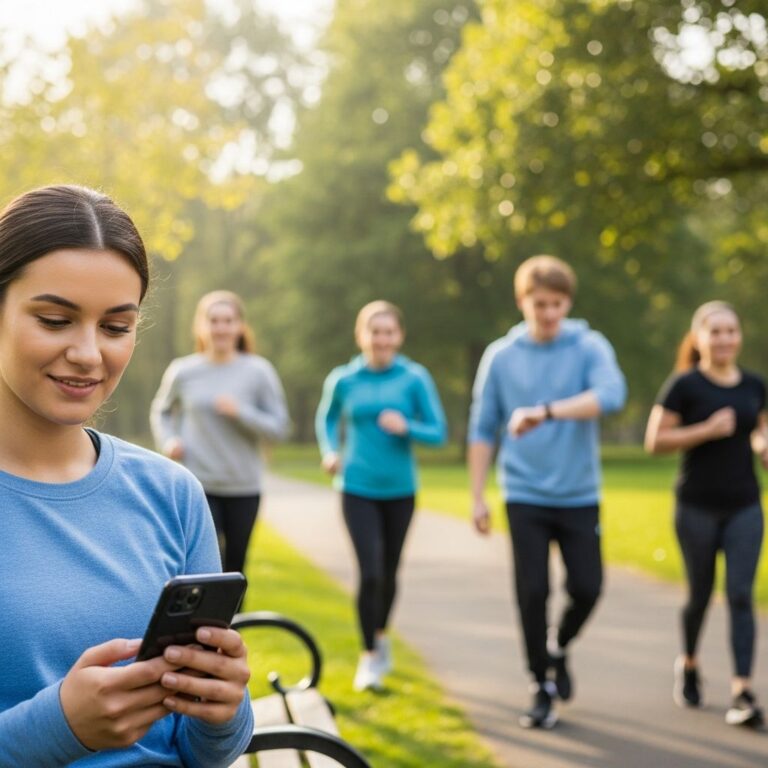
Light to moderate exercise during menstruation releases endorphins, the body’s natural painkillers, while reducing prostaglandin levels. Activities like walking, yoga, or swimming improve blood flow and decrease inflammation.
- Yoga poses: Child’s pose, cat-cow, and supine twist target pelvic muscles.
- Aerobic exercise: 30 minutes of brisk walking daily can lessen cramp severity by 30-40%.
- Start slow if pain is intense; even stretching helps.
A review of randomized trials confirms exercise significantly eases dysmenorrhea symptoms without side effects. Consistency throughout the cycle amplifies benefits.
Dietary Changes: Foods That Fight Inflammation
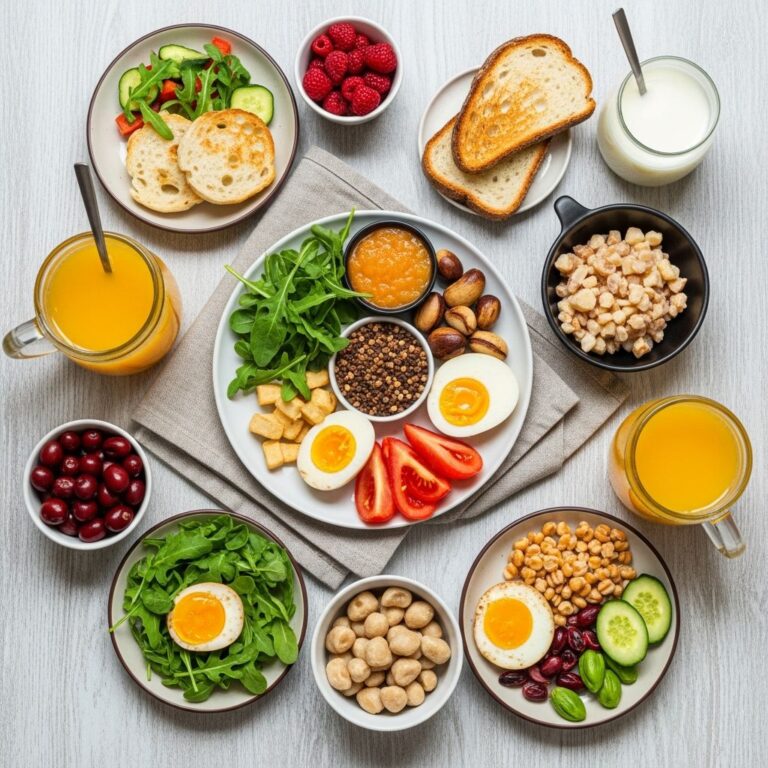
What you eat influences prostaglandin production and hormonal balance. Anti-inflammatory diets rich in omega-3s, magnesium, and antioxidants can mitigate cramps.
| Helpful Foods | Why They Help | Daily Recommendation |
|---|---|---|
| Fatty fish (salmon), flaxseeds | Omega-3s reduce inflammation | 2-3 servings/week |
| Leafy greens, nuts | Magnesium relaxes muscles | 300-400mg/day |
| Ginger, turmeric | Antioxidants block prostaglandins | 1-2g fresh ginger daily |
| Dark chocolate (70%+ cocoa) | Boosts serotonin, eases mood | 1 oz/day |
Avoid caffeine, alcohol, and processed sugars, which worsen bloating and cramps. Hydration is key—aim for 8-10 glasses of water daily to reduce bloating.
Herbal Teas and Supplements: Nature’s Pain Relievers
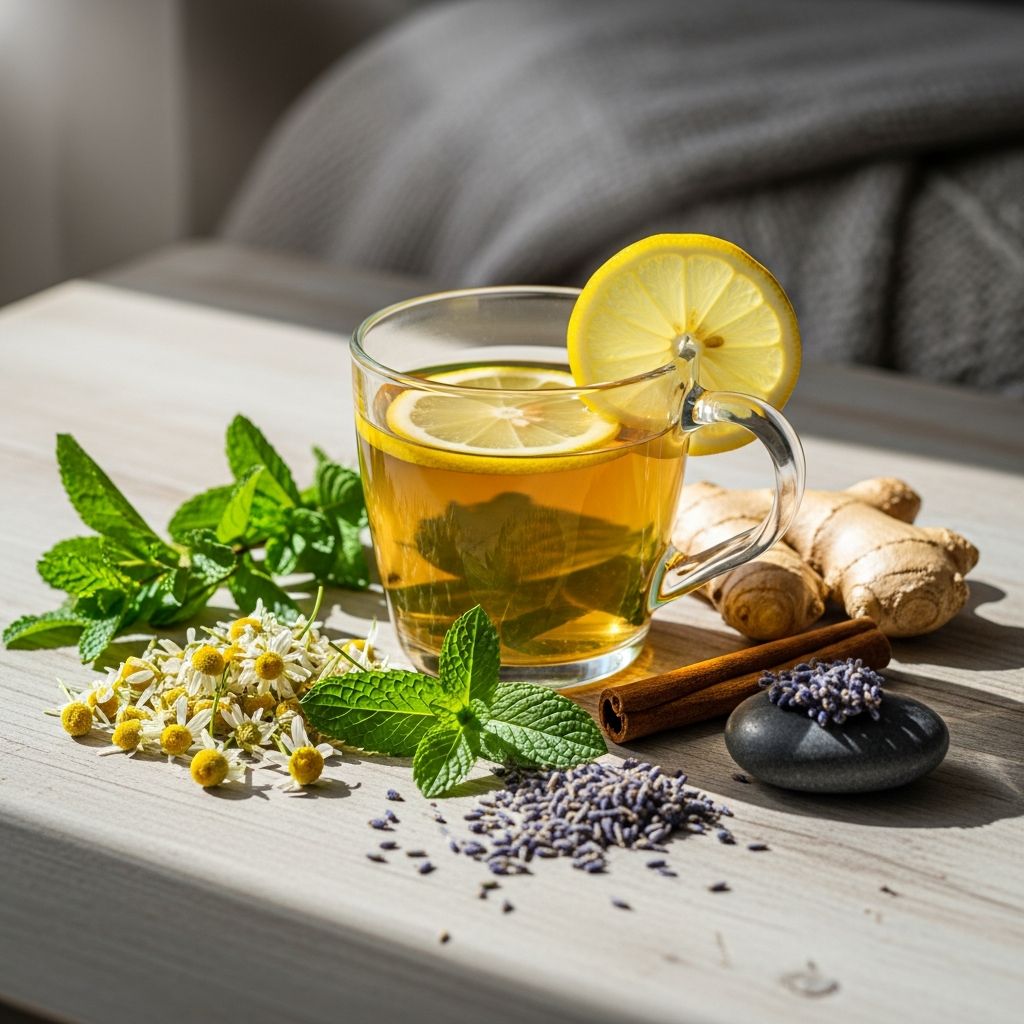
Herbs have been used for centuries to soothe menstrual discomfort. Key options include:
Related Stories



- Ginger tea: Reduces pain intensity by 25%, per clinical trials.
- Chamomile: Calms nerves and spasms with apigenin compound.
- Raspberry leaf: Tones uterine muscles; drink 1-3 cups daily.
- Fennel: Antispasmodic effects rival NSAIDs in studies.
Supplements like magnesium (400mg), vitamin B6 (50-100mg), and evening primrose oil support hormonal balance. Consult a doctor before starting, especially if on medications.
Massage and Aromatherapy: Sensory Relief
Abdominal massage with essential oils like lavender or clary sage promotes relaxation and circulation. A 10-minute daily self-massage using circular motions can cut pain scores in half.
- Dilute oils in carrier oil (e.g., coconut).
- Combine with acupressure points like the inner ankle or lower abdomen.
Research from the National Institutes of Health supports aromatherapy’s role in reducing dysmenorrhea severity.
Acupuncture and Acupressure: Ancient Techniques for Modern Pain
Traditional Chinese medicine targets energy meridians to alleviate cramps. Acupuncture sessions (weekly during cycle) show 50-70% pain reduction in meta-analyses.
Acupressure is DIY-friendly: Press Spleen 6 point (inner lower leg) for 5 minutes. Evidence from Cochrane reviews confirms efficacy comparable to pharmacological treatments.
Lifestyle Adjustments: Beyond the Period
Holistic changes amplify remedy effectiveness:
- Sleep: 7-9 hours nightly regulates hormones.
- Stress management: Meditation or journaling lowers cortisol, which worsens cramps.
- Posture: Avoid slouching to prevent pelvic congestion.
Tracking cycles with apps helps predict and prepare for pain peaks.
When Natural Remedies Aren’t Enough
Most experience relief with these methods, but severe, persistent pain warrants medical attention. Signs include:
- Pain interfering with work/school.
- Symptoms like nausea, diarrhea, or fainting.
- Sudden changes post-childbirth or age 25+.
Conditions like endometriosis affect 10% of menstruators; early diagnosis via ultrasound or laparoscopy is crucial. Hormonal options like birth control may be recommended alongside naturals.
Frequently Asked Questions (FAQs)
Can heat therapy replace painkillers for cramps?
Yes, for mild-moderate pain. Studies show it matches ibuprofen’s effectiveness without side effects.
Is yoga safe during heavy bleeding?
Gentle yoga is safe; avoid inversions. Listen to your body and stop if dizzy.
Do supplements interact with birth control?
Some like St. John’s wort can; always check with a healthcare provider.
How long do natural remedies take to work?
Immediate for heat/exercise; 1-2 cycles for diet/herbs.
Are menstrual cups helpful for pain?
They reduce mess and pressure for some, but not a direct pain reliever.
Combining Remedies for Optimal Relief
Layer approaches: Start with heat + tea, add yoga and diet tweaks. Personalization is key—journal what works. These remedies empower cycle management naturally, improving quality of life.
References
- Period Cramp Pain Relief: Natural and Hormonal Options — Hey Jane. 2023. https://www.heyjane.com/articles/period-cramp-pain-relief
- Dysmenorrhea: Treatment with Heat and Ibuprofen — National Center for Biotechnology Information (NCBI). 2024-01-15. https://www.ncbi.nlm.nih.gov/pmc/articles/PMC2792801/
- Exercise for Dysmenorrhoea — Cochrane Database of Systematic Reviews. 2023-09-10. https://www.cochranelibrary.com/cdsr/doi/10.1002/14651858.CD004142.pub4/full
- Herbal and Dietary Therapies for Primary and Secondary Dysmenorrhoea — Cochrane Database. 2022-11-20. https://www.cochranelibrary.com/cdsr/doi/10.1002/14651858.CD002124.pub3/full
- Endometriosis Fact Sheet — World Health Organization (WHO). 2025-03-01. https://www.who.int/news-room/fact-sheets/detail/endometriosis
Similar Articles








Read full bio of medha deb