Snoring: 5 Effective Treatments And When To See A Doctor
Discover the causes of snoring, its link to sleep apnoea, health risks, and effective treatments to improve sleep quality.
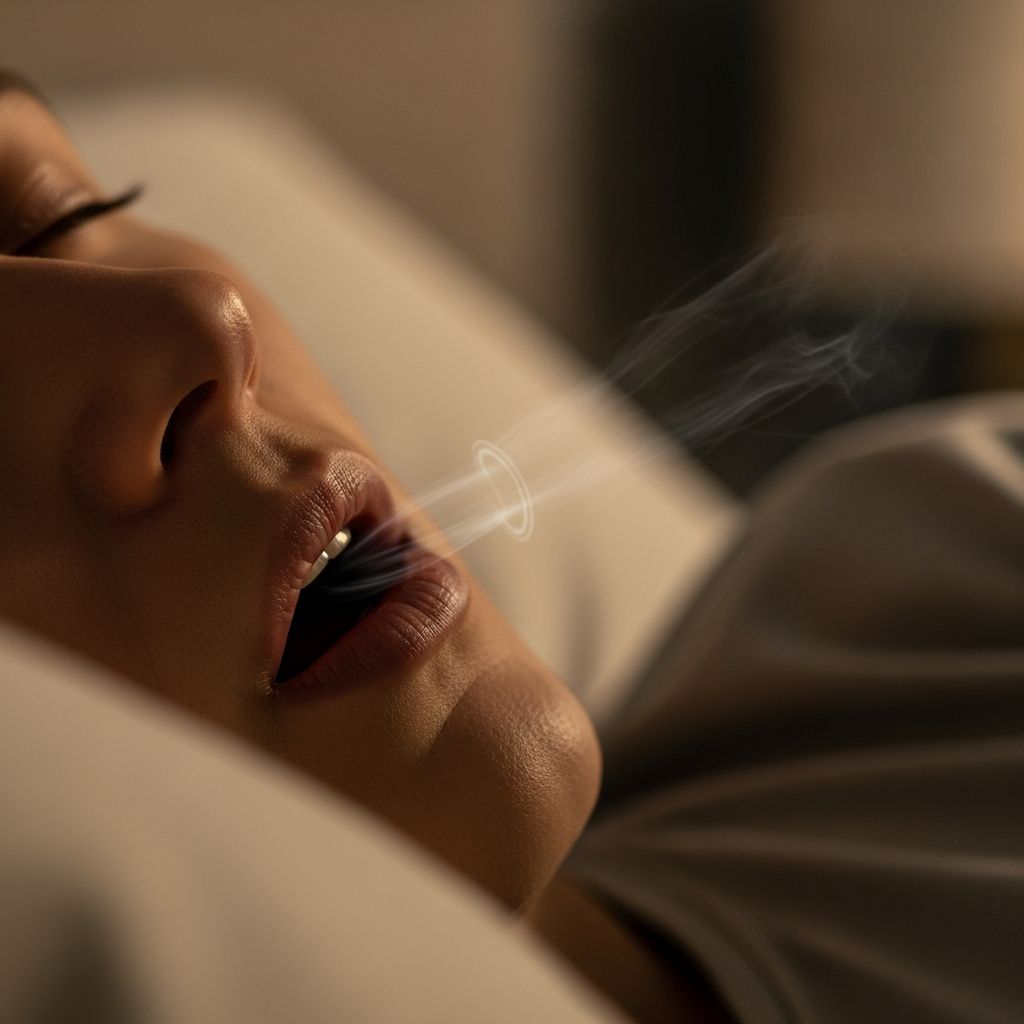
Snoring is a common condition that affects many adults, characterized by a rattling noise produced during sleep as air flows past relaxed throat tissues. While often harmless, it can indicate underlying issues like obstructive sleep apnoea (OSA), leading to daytime fatigue and serious health risks if untreated.
What is snoring?
Snoring occurs when the muscles in the roof of the mouth (soft palate), throat, and tongue relax during sleep, narrowing the airway. As air is inhaled, it causes these tissues to vibrate, producing the distinctive rattling sound. This phenomenon is prevalent, affecting about one in four adults, with men more commonly impacted than women. Factors like age, alcohol consumption, and nasal congestion exacerbate it by further relaxing airway muscles or blocking airflow.
Simple snoring is usually benign and does not disrupt sleep quality significantly. However, habitual or loud snoring warrants attention, especially if accompanied by other symptoms, as it may signal OSA—a condition where the airway repeatedly collapses, halting breathing multiple times per night.
Symptoms of snoring
Snoring is primarily noticed by a bed partner rather than the snorer themselves. Key symptoms include:
- Loud or chronic snoring that disrupts others’ sleep.
- Breathing pauses during sleep, followed by gasps or chokes.
- Restless sleep with frequent position changes.
- Morning headaches, dry mouth, or sore throat upon waking.
In cases linked to sleep apnoea, daytime symptoms emerge such as excessive sleepiness despite adequate sleep hours, poor concentration, irritability, and reduced libido. These arise from fragmented sleep due to repeated arousals, even if not consciously remembered.
Causes of snoring
Several anatomical and lifestyle factors contribute to snoring:
- Anatomy: A low, thick soft palate, elongated uvula, narrow throat, or deviated nasal septum obstructs airflow.
- Obesity: Excess neck fat compresses the airway; even modest weight gain increases risk.
- Nasal issues: Congestion from allergies, colds, or sinusitis forces mouth breathing, promoting snoring.
- Lifestyle: Alcohol, sedatives, and smoking relax throat muscles and inflame airways.
- Sleep position: Back sleeping allows the tongue to fall back, blocking the airway.
- Other: Pregnancy, hypothyroidism, or aging-related muscle tone loss.
Understanding these causes is crucial for targeted interventions, as snoring often worsens with multiple overlapping factors.
When to see a doctor
Consult a healthcare professional if snoring is loud, persistent, or paired with:
- Observed breathing pauses or gasping.
- Excessive daytime drowsiness affecting daily activities.
- High blood pressure, headaches, or mood changes.
- Partner reports of 10+ second breathing stops.
Early evaluation prevents complications like OSA, which requires diagnosis via sleep study (polysomnography) to measure apnoea-hypopnoea index (AHI)—the number of breathing interruptions per hour.
Diagnosis
Diagnosis begins with a medical history and physical exam focusing on airway anatomy. Tools include:
- Questionnaires: Epworth Sleepiness Scale assesses daytime sleepiness.
- Sleep study: Overnight polysomnography monitors oxygen levels, breathing, and brain waves. Home tests suffice for moderate cases.
- Imaging: Rarely, endoscopy or CT scans evaluate structure.
Related Stories



Distinguishing simple snoring from OSA is vital, as the latter demands urgent treatment.
Treatment of snoring
Treatments range from conservative to invasive, tailored to severity and cause.
Lifestyle changes
These form the foundation:
- Weight loss: Losing 10% body weight can halve snoring intensity.
- Positional therapy: Avoid back sleeping with positional alarms or pillows.
- Avoid alcohol/smoking: Cease 4-6 hours before bed; quit smoking to reduce inflammation.
- Nasal aids: Strips, decongestants, or saline rinses clear passages.
Oral appliances
Mandibular advancement devices (MADs) reposition the jaw forward, widening the airway. Effective for mild-moderate OSA, custom-fitted by dentists.
CPAP therapy
Continuous Positive Airway Pressure (CPAP) delivers air via mask, keeping airways open. Gold standard for moderate-severe OSA, improving symptoms in 70-80% of users. Alternatives include BiPAP or APAP for comfort.
Surgery
Reserved for failures of conservative therapy:
| Procedure | Description | Suitability |
|---|---|---|
| Uvulopalatopharyngoplasty (UPPP) | Removes excess throat tissue | Severe cases |
| Laser-assisted uvulopalatoplasty | Laser shrinks palate | Mild snoring |
| Septoplasty | Corrects deviated septum | Nasal obstruction |
| Hyoid suspension | Anchors tongue base | Tongue-related |
| Inspire therapy | Implanted device stimulates airway muscles | CPAP-intolerant |
Success varies; multi-level surgery addresses multiple sites.
Other treatments
- Myofunctional therapy: Exercises strengthen throat muscles.
- Nasal EPAP devices: Exhale against valves to stent airways.
- Medications: For allergies or congestion.
Sleep apnoea
Obstructive sleep apnoea syndrome (OSAS) features repeated airway collapse, causing apnoeas (complete stops) or hypopnoeas (reductions) lasting 10+ seconds. Brainstem arousal restarts breathing, fragmenting sleep. Risk factors: obesity, male sex, age >40, large neck (>17in women/>16in men), smoking. Prevalence: 9-38% in men, 6-17% in women.
Untreated OSA elevates risks for hypertension, stroke, diabetes, and heart failure.
Complications
Beyond sleepiness, snoring/OSA links to:
- Cardiovascular: Increased hypertension, arrhythmias, heart disease risk.
- Metabolic: Insulin resistance, type 2 diabetes.
- Neurocognitive:
- Other: Motor vehicle accidents from drowsiness; combined with insomnia worsens hypertension, COPD, asthma.
Poor memory, depression.
Prevention
Adopt healthy habits:
- Maintain BMI <25.
- Sleep on side.
- Limit sedatives.
- Treat nasal allergies promptly.
Frequently Asked Questions (FAQs)
Q: Is snoring harmful?
A: Simple snoring is usually harmless but disruptive. Loud snoring with pauses may indicate OSA, raising cardiovascular risks.
Q: Does weight loss help snoring?
A: Yes, even 5-10% loss significantly reduces airway obstruction.
Q: Can snoring affect relationships?
A: Yes, it often leads to separate sleeping, straining partnerships.
Q: Is CPAP uncomfortable?
A: Initially yes, but most adapt; alternatives exist.
Q: Can children snore?
A: Yes, often from enlarged tonsils; adenotonsillectomy helps.
This comprehensive guide empowers better sleep management. Consult specialists for personalized advice.
References
- Is sleep apnoea dangerous? When snoring problems turn serious — Patient.info. 2023. https://patient.info/features/healthy-living/when-does-snoring-indicate-a-health-problem
- Snoring Linked to Cardiovascular Disease, Increased Health Care Utilization — American Academy of Sleep Medicine (AASM). 2023-10-03. https://aasm.org/journal-sleep-snoring-linked-to-cardiovascular-disease-increased-health-care-utilization/
- The negative health effects of having a combination of snoring and insomnia — PubMed Central (PMC). 2022. https://pmc.ncbi.nlm.nih.gov/articles/PMC8974365/
- Snoring: Causes and Treatment — Patient.info. 2023. https://patient.info/mental-health/insomnia-poor-sleep/snoring
- Snoring: The Causes, Dangers, & Treatment Options — Sleep Foundation. 2024. https://www.sleepfoundation.org/snoring
- Sleep Apnoea: Causes, Symptoms, and Treatment — Patient.info. 2023. https://patient.info/signs-symptoms/tiredness-fatigue/obstructive-sleep-apnoea-syndrome
Similar Articles








Read full bio of medha deb