Mental Health During Your Menstrual Cycle
Understanding hormonal changes and managing mental wellness throughout your cycle.
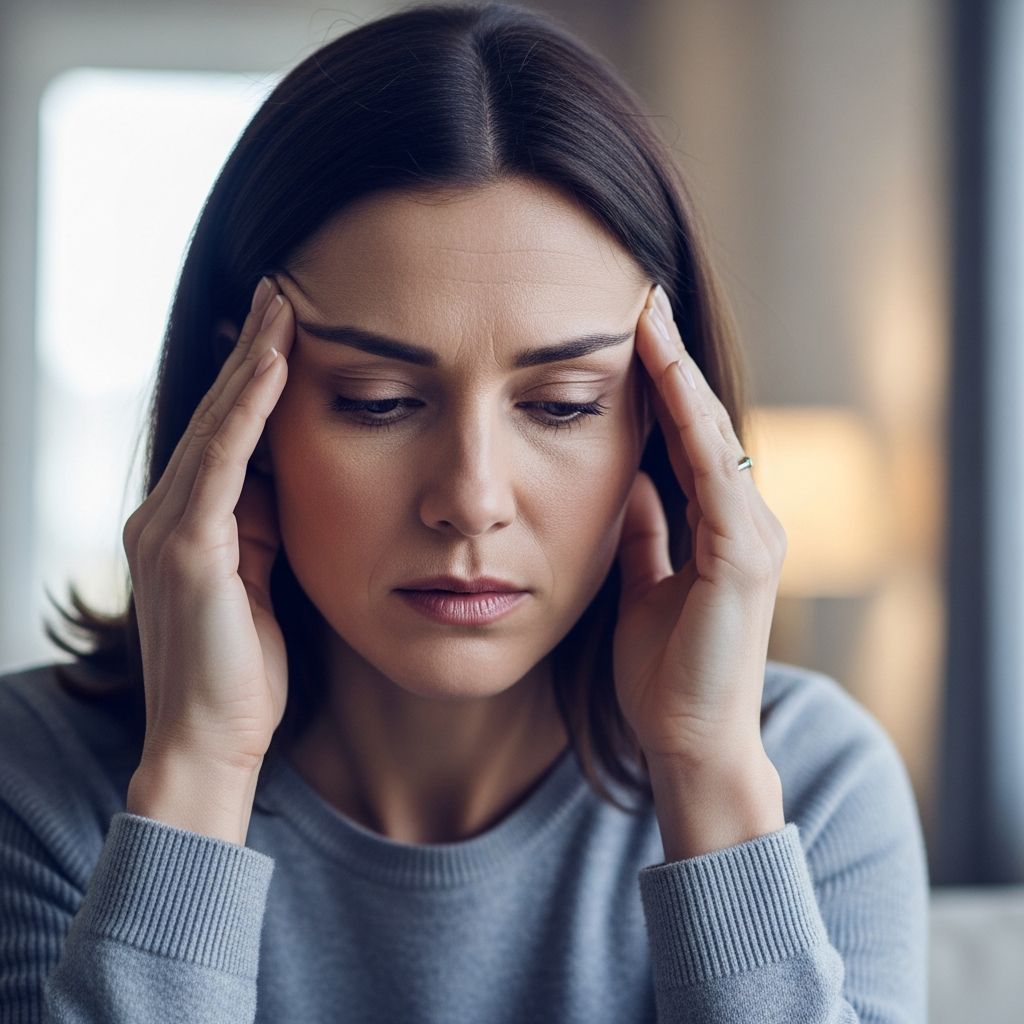
The relationship between your menstrual cycle and mental health is more significant than many people realize. Hormonal fluctuations throughout your cycle can directly influence your mood, emotions, and overall psychological wellbeing. Understanding these connections and learning to support your mental health during different cycle phases is an essential part of self-care for anyone who menstruates.
The Connection Between Hormones and Mental Health
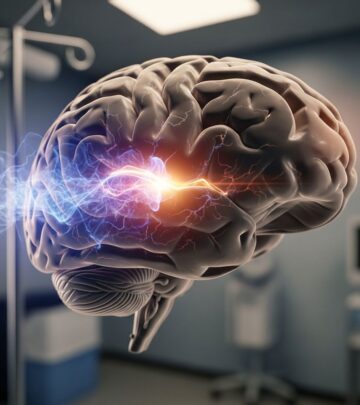
Your menstrual cycle involves complex hormonal changes that extend far beyond physical symptoms. The rise and fall of estrogen and progesterone directly influence brain chemistry, affecting neurotransmitters that regulate mood, emotions, and mental clarity. These hormonal fluctuations create measurable changes in how you think, feel, and interact with the world around you.
Research demonstrates that psychiatric symptoms often fluctuate across the menstrual cycle, with particular prominence during specific phases. The premenstrual and menstrual phases are most consistently linked with temporary changes in mental health symptoms. Many women experience increased interpersonal conflicts and reduced social engagement during these times, which can contribute to feelings of depression and isolation.
The biological mechanism is straightforward: estrogen influences dopamine transmission in your brain. When estrogen levels are low—particularly during menstruation—your brain’s chemistry shifts in ways that can affect your psychological state. Understanding this connection helps normalize what many experience and removes the stigma often associated with these changes.
Understanding Premenstrual Syndrome (PMS)
Most people who menstruate will experience some symptoms of premenstrual syndrome (PMS), including mood swings, headaches, and changes in energy levels. PMS is a common condition that typically occurs during the luteal phase—the week before your period when estrogen levels are lower.
Common PMS symptoms include:
- Mood swings and emotional instability
- Irritability and anger
- Sadness or depressive feelings
- Anxiety and nervousness
- Difficulty concentrating and brain fog
- Self-doubt and reduced confidence
- Feelings of paranoia or suspicion
- Tearfulness without apparent cause
- Heightened sensitivity to environment and others
- Emotional outbursts
- Social withdrawal and difficulty with interaction
For most women, these premenstrual symptoms are distressing but do not significantly disrupt daily functioning or quality of life. However, the severity and impact vary considerably from person to person. Some experience mild symptoms that barely register, while others find PMS substantially affects their work, relationships, and wellbeing.
When PMS Becomes PMDD: Recognizing Severe Symptoms
A smaller subset of menstruating individuals experience a more severe condition called premenstrual dysphoric disorder (PMDD). Between 5-8% of women globally suffer from PMDD, a condition that causes both emotional and physical symptoms significantly more intense than typical PMS. In some cases, PMDD can result in concerning symptoms including suicidal thoughts.
PMDD represents a distinct clinical condition that requires recognition and treatment. Key differences between PMS and PMDD include:
| Characteristic | PMS | PMDD |
|---|---|---|
| Prevalence | Affects majority of menstruating people | Affects 5-8% of women globally |
| Severity | Mild to moderate | Moderate to severe |
| Impact on functioning | Minimal disruption | Significant disruption to daily life |
| Emotional symptoms | Mood swings, irritability | Depression, hopelessness, suicidal ideation |
| Treatment needs | Lifestyle management often sufficient | May require medical intervention |
Related Stories



If you experience severe symptoms that substantially interfere with work, school, relationships, or daily activities during the luteal phase, it’s important to consult with a healthcare provider for proper evaluation and diagnosis.
The Bidirectional Relationship: Mental Health Affects Your Cycle Too
The relationship between your menstrual cycle and mental health is bidirectional. While hormonal changes affect your mental state, your mental health status can also impact your cycle. Stress, anxiety, and emotional distress can directly influence menstrual regularity and symptoms.
Chronic stress can shorten or even stop your period temporarily. Additionally, stress can make menstrual pain more severe and may intensify emotional symptoms during the luteal phase. This creates a complex feedback loop where mental stress worsens menstrual symptoms, which in turn increases emotional vulnerability.
Recognizing this interconnection is important because it emphasizes the value of holistic self-care that addresses both mental and physical health simultaneously. Managing stress through healthy coping mechanisms can genuinely improve your menstrual experience, just as supporting your mental health during vulnerable cycle phases can reduce overall symptom severity.
Tracking Your Menstrual Cycle for Mental Health Awareness
Tracking your cycle is one of the most practical steps you can take to manage your mental health. When you experience PMS symptoms, they typically occur during the luteal phase before ovulation—roughly the week before your period begins. By tracking your cycle, you build awareness of patterns in your mood and emotional state.
The process is straightforward:
- Note the first day of your period as day one of your cycle
- Record your mood, energy levels, and emotional state daily
- Track any notable symptoms or changes you notice
- Continue tracking for at least two to three cycles
- Review your records to identify patterns and timing
Once you recognize patterns in how your menstrual cycle affects your mental health, you gain valuable predictive knowledge. When you know that your mood typically dips in the week before your period, you can proactively implement coping strategies during those times. This knowledge transforms a mysterious emotional experience into something manageable and predictable.
Consider using:
- Period tracking apps that include mood and symptom logging
- A simple calendar marking cycle phases and mood notes
- A dedicated journal documenting emotional experiences
- Digital spreadsheets tracking multiple symptoms simultaneously
Research on Menstrual Cycle and Mental Health
Recent scientific research provides substantial evidence for the menstrual cycle’s impact on mental health. Studies demonstrate that suicidal thoughts and related psychiatric symptoms fluctuate across the menstrual cycle, with elevated risk during specific phases. This landmark research identified that most patients report significant elevation of depression, anxiety, and hopelessness during the premenstrual and early menstrual phases, though individuals vary in their specific symptom patterns and timing.
Evidence also indicates cyclic exacerbation of psychosis, mania, self-injurious thoughts, and anxiety across different psychiatric conditions. However, it’s crucial to understand that these effects are not universal—only approximately 15% of menstruating individuals experience significant menstrual cycle affective changes requiring clinical attention.
This research emphasizes an important point: many doctors mistakenly treat menstrual-related mental health conditions as a single entity, when research suggests there are likely multiple distinct ways individuals can be sensitive to hormonal cycle changes. This means treatment approaches should be personalized based on your specific symptom patterns and needs.
Practical Strategies for Mental Health Self-Care
Once you understand how your menstrual cycle affects your mental health, you can implement targeted self-care strategies. These approaches work best when tailored to your individual cycle pattern and symptom experience.
During the Luteal Phase (High-Risk Period)
During the week before your period when mental health symptoms tend to peak, prioritize:
- Stress management: Reduce non-essential demands and schedule relaxing activities
- Social support: Maintain connection with supportive people, even when withdrawing feels natural
- Sleep optimization: Prioritize sleep quality and consistent sleep schedules
- Movement and exercise: Gentle movement can improve mood; adjust intensity based on energy levels
- Nutrition: Focus on balanced meals that stabilize blood sugar and provide adequate nutrients
- Mindfulness practices: Meditation, breathing exercises, or grounding techniques can help manage anxiety
- Creative outlets: Journaling, art, music, or other creative expression supports emotional processing
During the Follicular and Ovulatory Phases
During the first half of your cycle when energy and mood typically improve:
- Schedule challenging projects and important meetings
- Use increased energy for exercise and physical activity
- Tackle tasks requiring high concentration and motivation
- Maintain social engagements and relationship investment
- Plan enjoyable activities for the upcoming luteal phase
When to Seek Professional Help
While menstrual cycle-related mood changes are common, certain signs indicate you should consult a healthcare provider:
- Symptoms severe enough to disrupt work, school, or relationships
- Persistent depressive or anxious thoughts
- Suicidal thoughts or self-harm impulses
- Symptoms that don’t follow a clear menstrual pattern
- Inability to function during certain cycle phases
- Symptoms worsening over time
A healthcare provider can help determine whether you’re experiencing PMS, PMDD, or another underlying mental health condition that happens to fluctuate with your cycle. Treatment options range from lifestyle modifications to medication and therapy.
Addressing Societal Factors and Stigma
It’s important to acknowledge that menstrual health exists within a broader social context. Socioeconomic barriers, menstruation-related taboos, and stigma contribute to psychological stress and depression for many women and girls. Destigmatizing menstrual cycle discussions and ensuring access to menstrual health resources are fundamental aspects of supporting mental wellbeing.
Your experiences with menstrual-related mental health changes are valid and deserving of attention and support. Seeking help is not weakness—it’s a practical step toward managing your health effectively.
Key Takeaways
- Hormonal fluctuations throughout your menstrual cycle directly affect brain chemistry and mental health
- Most menstruating individuals experience some PMS symptoms, which are typically mild
- PMDD is a more severe condition affecting 5-8% of women that requires professional evaluation
- Mental health and menstrual cycles influence each other bidirectionally
- Tracking your cycle helps identify patterns and enables proactive self-care planning
- Personalized strategies during vulnerable cycle phases significantly improve mental wellbeing
- Professional support is available and appropriate when symptoms significantly impact functioning
Frequently Asked Questions
Q: Does everyone experience mood changes during their menstrual cycle?
A: No. While most menstruating individuals experience some PMS symptoms, not everyone does. Additionally, only about 15% experience significant menstrual cycle affective changes requiring clinical attention. Effects vary considerably based on individual hormonal sensitivity and other factors.
Q: How can I tell if I have PMS or PMDD?
A: PMS causes mild to moderate mood and physical symptoms that don’t substantially disrupt functioning, while PMDD (affecting 5-8% of women) causes severe symptoms significantly impacting daily life, work, relationships, and may include suicidal thoughts. A healthcare provider can provide proper diagnosis.
Q: Can stress really affect my menstrual cycle?
A: Yes. Stress can shorten or stop your period and make menstrual pain more severe. This bidirectional relationship means managing stress effectively can improve your menstrual experience.
Q: What’s the best way to track my cycle for mental health purposes?
A: Consistent daily tracking of mood, energy, and symptoms over at least two to three cycles helps identify patterns. Use period tracking apps, calendars, journals, or spreadsheets—whatever method you’ll maintain consistently.
Q: Are there effective treatments for PMDD?
A: Yes. PMDD can be diagnosed and treated effectively through various approaches including lifestyle modifications, therapy, and medications. Consult a healthcare provider for personalized treatment recommendations based on your specific symptoms.
Q: Can my menstrual cycle affect conditions like anxiety or depression?
A: Yes. Research shows psychiatric symptoms—including anxiety, depression, and psychosis—can exacerbate during specific menstrual phases in some individuals. If you have a diagnosed mental health condition, discussing menstrual patterns with your healthcare provider helps with comprehensive treatment planning.
References
- Psychiatric Symptoms Across the Menstrual Cycle in Adult Women — National Center for Biotechnology Information (NCBI). Accessed January 13, 2026. https://pmc.ncbi.nlm.nih.gov/articles/PMC8906247/
- Understanding the Menstrual Cycle Effect on Mental Health — University of Illinois Center on Depression and Resilience. Accessed January 13, 2026. https://uifightdepression.psych.uic.edu/ui-center-on-depression-and-resilience/understanding-the-menstrual-cycle-effect-on-mental-health
- How to Look After Your Mental Health During Your Menstrual Cycle — Patient.info. Accessed January 13, 2026. https://patient.info/features/womens-health/how-to-look-after-your-mental-health-during-your-menstrual-cycle
Similar Articles








Read full bio of medha deb