How to Look After Your Mental Health This Winter
Combat winter blues with proven strategies: light therapy, routine, exercise, and social connection for better mental wellbeing.
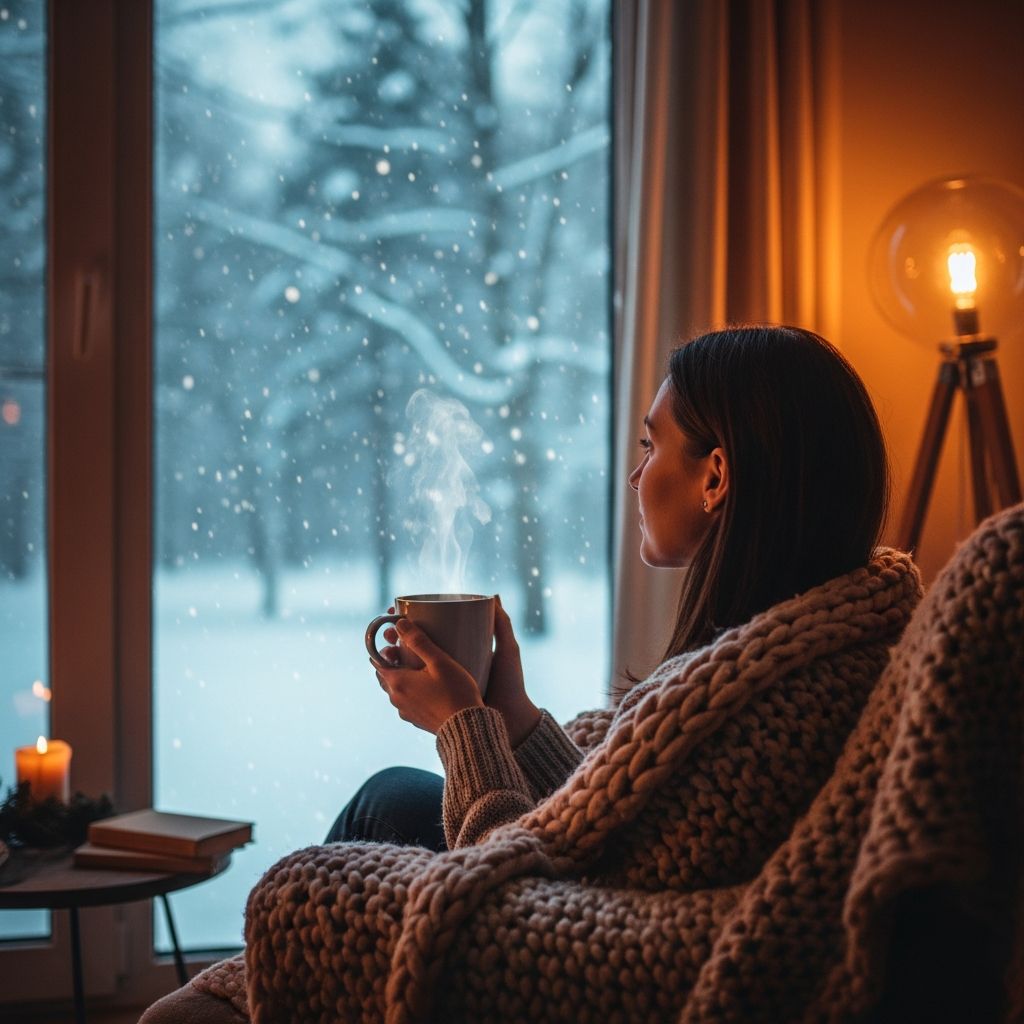
Winter can be a challenging time for many people. As daylight hours decrease and temperatures drop, millions experience a decline in mood and motivation. According to the Royal College of Psychiatrists, around 3 in 100 people suffer from significant seasonal depression that can interfere with daily life. Understanding why winter affects our mental health and learning practical strategies can help you maintain wellbeing throughout the colder months.
Why Winter Affects Your Mental Health
The winter months bring several physiological and environmental changes that impact mental wellbeing. When daylight becomes limited, your body’s natural processes are disrupted in several ways.
The lack of sunlight directly affects melatonin production—the hormone that regulates your sleep-wake cycle—and reduces serotonin levels, a brain chemical essential for mood regulation. Additionally, reduced exposure to natural light prevents your body from producing sufficient vitamin D, often called the ‘sunshine vitamin,’ which plays an important role in mental health. These biological changes, combined with cold temperatures that keep us indoors more often, create conditions where depression and low mood can flourish.
Seasonal affective disorder (SAD), also known as winter depression, affects approximately 2 million people in the UK alone. While some people experience mild winter blues, others face more severe symptoms that significantly impact their ability to function in daily life.
Look Into the Light
One of the most effective ways to combat winter mental health challenges is to maximize your exposure to natural light. During winter, many of us spend most of our time in artificial indoor lighting, missing out on the restorative benefits of natural daylight.
Practical light exposure strategies:
- Spend time outdoors during daylight hours, even on overcast days when natural light still penetrates clouds
- Position your workspace near windows to increase natural light exposure throughout the day
- Take outdoor breaks during lunch or midday when available sunlight is strongest
- Consider light therapy boxes that provide 10,000 lux of cool-white fluorescent light, which research shows can be effective in treating SAD symptoms
- Open curtains and blinds during daylight hours to allow more natural light into your home
For those with diagnosed seasonal affective disorder, light therapy is a common and evidence-based treatment. This involves using a special light box to simulate sunlight exposure, helping to regulate your circadian rhythm and improve mood.
Get Your Vitamin D
Vitamin D deficiency is particularly common during winter months when sun exposure is limited. This nutrient plays a crucial role in mood regulation and overall mental health.
To maintain adequate vitamin D levels during winter:
- Consider vitamin D supplementation, particularly during the darker months when natural production is minimal
- Consume vitamin D-rich foods such as fatty fish (salmon, mackerel), egg yolks, and fortified dairy products
- Consult your doctor about appropriate supplementation levels for your individual needs
- Get tested for vitamin D deficiency if you experience persistent low mood, as deficiency can be a contributing factor
While evidence for vitamin D supplementation in treating SAD is inconclusive according to some research, ensuring adequate levels remains important for overall health. A healthcare provider can help determine whether supplementation is appropriate for your situation.
Related Stories



Find a Routine
Establishing and maintaining a consistent daily routine is essential for mental health during winter. When motivation is low and mornings are dark, structure becomes even more important.
Creating an effective winter routine:
- Set a consistent wake time, even on weekends, to maintain your circadian rhythm
- Use practical strategies like setting your heating to turn on before wake time or laying out clothes the night before to make mornings easier
- Schedule specific times for meals, exercise, and social activities
- Break larger tasks into smaller, manageable steps to reduce overwhelming feelings
- Build in time for pleasurable activities that you enjoy, even when motivation is low
- Maintain a consistent bedtime to support quality sleep
Having a routine keeps you focused and provides structure when winter weather makes it tempting to withdraw. This is particularly important because winter often creates a paradoxical pattern where we want to sleep more during the day but struggle with sleep quality at night.
Exercise Regularly
Physical activity is one of the most effective interventions for managing winter mental health challenges. Exercise stimulates serotonin release and helps balance stress hormones, directly improving mood.
Winter exercise strategies:
- Aim for at least 30 minutes of moderate exercise most days of the week
- Choose activities you enjoy to make adherence easier—walking, swimming, dancing, or gym workouts all work
- Exercise outdoors when possible to combine the benefits of physical activity with natural light exposure
- Exercise can help raise your core body temperature, providing additional warmth during cold months
- Consider group exercise classes or workout buddies to combine physical activity with social connection
- Start with manageable goals if you’re struggling with motivation; even short walks provide benefits
Research supports exercise as an effective lifestyle intervention for seasonal affective disorder. The combination of physical movement, potential outdoor exposure, and mood-boosting neurochemicals makes exercise particularly valuable during winter months.
Balanced Diet, Balanced Mind
Nutrition plays a significant role in mental health, and winter eating patterns can either support or undermine your wellbeing. Poor diet choices can worsen mood, while a balanced diet supports emotional resilience.
Winter nutrition for mental health:
- Limit sugar intake, as excessive sugar consumption can worsen mood and energy levels
- Include omega-3 fatty acids from fish, flaxseeds, and walnuts to support brain health
- Maintain consistent meal times to support stable blood sugar and energy levels
- Eat plenty of vegetables and whole grains to provide sustained energy
- Stay hydrated, as dehydration can affect mood and energy
- Include protein-rich foods at each meal to support neurotransmitter production
- Be mindful of seasonal comfort-food cravings; enjoy them in moderation while maintaining overall balance
A healthy diet contributes to better sleep quality, stable energy throughout the day, and improved emotional resilience.
Find What Works for You
Beyond the foundational strategies, discovering personal activities and practices that bring you joy and comfort is essential. When we’re stressed or struggling with seasonal changes, pleasurable activities are often the first to go.
Activity scheduling and behavior activation techniques:
- Identify activities you enjoy and schedule them into your calendar with the same commitment as work or appointments
- Start with small, manageable activities if motivation is very low
- Use scheduling to overcome the initial anxiety or inertia that prevents starting activities
- Include hobbies, creative pursuits, or leisure activities that bring you satisfaction
- Try new winter-specific activities like indoor crafts, cooking projects, or learning new skills
- Create a “joy list” of activities that improve your mood for reference during difficult days
Time to Talk: Social Connection Matters
One of the most important factors for maintaining mental health during winter is resisting the urge to isolate. Strong social connections and regular interaction with others significantly reduce negative mental health symptoms.
Winter presents unique challenges for social connection. Cold weather and reduced daylight make it harder to engage in outdoor social activities that felt natural during warmer months. However, meaningful connection is possible with intentional effort.
Maintaining social connection in winter:
- Make specific dates with friends and family—having something to look forward to provides motivation
- Organize indoor social activities like game nights, dinner parties, or movie gatherings
- Use video calls or phone calls to maintain regular contact with people you care about
- Join winter-specific groups or classes (indoor fitness, art classes, book clubs)
- Talk openly about your feelings with trusted friends and family; others may be experiencing similar struggles
- If you lack immediate support, contact mental health organizations like Mind, which offer support and resources
- Volunteer or participate in community activities to create meaningful connection
- Reach out when you’re struggling rather than waiting for others to check on you
Sleep and Your Mental Health
Quality sleep is vital for mental and physical wellbeing, yet winter sleep patterns often suffer. The early darkness can trigger sleepiness earlier in the evening, while the irregular light exposure disrupts natural sleep cycles.
Improving winter sleep:
- Maintain consistent sleep and wake times to regulate your circadian rhythm
- Create a dark, cool bedroom environment conducive to sleep
- Avoid screens 30-60 minutes before bedtime
- Limit caffeine, especially in the afternoon and evening
- Get morning light exposure to help regulate your sleep-wake cycle
- Avoid excessive daytime napping, which can disrupt nighttime sleep
Lack of sleep is associated with increased risk of depression and other mental health challenges. A healthy amount of sleep improves mental and emotional resilience, making sleep quality a priority during winter months.
Professional Treatments for Winter Depression
If self-help strategies aren’t sufficient, professional treatments are available and effective. Several evidence-based approaches can help manage seasonal affective disorder.
Light therapy: Using a special light box for 30 minutes each morning can be as effective as psychotherapy for treating SAD symptoms.
Cognitive Behavioural Therapy (CBT): This talking therapy helps retrain your brain to think and behave differently in response to winter changes. Research shows that six weeks of CBT—consisting of two 90-minute sessions per week—can be as effective as light therapy.
Antidepressant medication: For moderate to severe SAD, antidepressants may be recommended. Bupropion shows the strongest evidence for long-term use in preventing SAD recurrence.
When to Seek Medical Attention
While winter blues are common and manageable with lifestyle changes, more serious conditions require professional evaluation. You should contact your doctor if you experience:
- Persistent low mood lasting more than two weeks
- Significantly decreased motivation affecting your daily life
- Changes in sleep patterns or appetite
- Loss of interest in activities you normally enjoy
- Difficulty concentrating or making decisions
- Feelings of hopelessness or worthlessness
- Thoughts of self-harm
When discussing winter-related mood changes with your doctor, they may need to rule out other medical conditions that affect mood, such as anaemia, vitamin D deficiency, or an underactive thyroid. Your doctor can then recommend appropriate treatment, which might include talking therapies, medications, or lifestyle modifications.
Preparation: Proactive Mental Health Care
If you know from experience that your mental health declines during winter, being proactive about preparation can significantly reduce the impact. Rather than waiting for symptoms to become overwhelming, implement coping strategies before the worst of winter arrives.
Consider scheduling appointments for light therapy or therapy sessions before winter’s peak. Stock your home with activities, books, and supplies for indoor hobbies. Build your social calendar well in advance. Ensure you have vitamin D supplements and other supports in place. This preparatory approach empowers you to manage seasonal changes more effectively.
Frequently Asked Questions
Q: Is seasonal affective disorder a real condition?
A: Yes, seasonal affective disorder is a recognized form of depression with a seasonal pattern. The Royal College of Psychiatrists estimates that around 3 in 100 people experience significant seasonal depression, and approximately 2 million people in the UK are affected by SAD.
Q: How long does it take for light therapy to work?
A: Many people notice improvement within a few days to a week of regular light therapy use. The most common recommendation is 30 minutes of 10,000 lux light exposure each morning. Consistency is important for maintaining benefits.
Q: Can I manage winter depression without medication?
A: Many people successfully manage winter depression through lifestyle interventions alone, including light exposure, exercise, maintaining routines, and social connection. However, some individuals require additional support through therapy or medication. Your doctor can help determine the best approach for your situation.
Q: Is vitamin D supplementation necessary in winter?
A: Vitamin D supplementation may be beneficial during winter when natural sun exposure is limited. However, evidence regarding its effectiveness specifically for treating SAD is inconclusive. A healthcare provider can assess your individual vitamin D levels and recommend appropriate supplementation.
Q: How can I stay motivated to exercise in winter?
A: Choose exercises you genuinely enjoy, exercise with friends or groups for accountability, schedule exercise at consistent times, and start with manageable goals. Even short walks provide mental health benefits and can be done indoors if weather is prohibitive.
Q: What should I do if winter mental health strategies aren’t working?
A: Contact your doctor for evaluation and professional support. They can assess your symptoms, rule out other medical conditions, and recommend appropriate treatment options including therapy or medication.
References
- How to Maintain Your Mental Health in Winter — Brown Health. https://www.brownhealth.org/be-well/how-maintain-your-mental-health-winter
- How to look after your mental health this winter — Patient.info. https://patient.info/features/mental-health/how-to-look-after-your-mental-health-this-winter
- How to boost your motivation levels during winter — Patient.info. https://patient.info/features/mental-health/how-to-boost-your-motivation-levels-during-winter
- Seasonal affective disorder (SAD) — Patient.info (Doctor Resource). https://patient.info/doctor/mental-health/seasonal-affective-disorder-pro
- How to combat winter depression and increase your serotonin — Patient.info. https://patient.info/features/mental-health/how-to-combat-winter-depression-and-boost-your-serotonin
- Seasonal Affective Disorder — National Institute of Mental Health (NIMH/NIH). https://www.nimh.nih.gov/health/publications/seasonal-affective-disorder
Similar Articles








Read full bio of medha deb