Meperidine For Pain Relief: A Comprehensive Guide
Comprehensive guide to Meperidine (Demerol): uses, dosage, side effects, warnings, and key considerations for safe pain management.
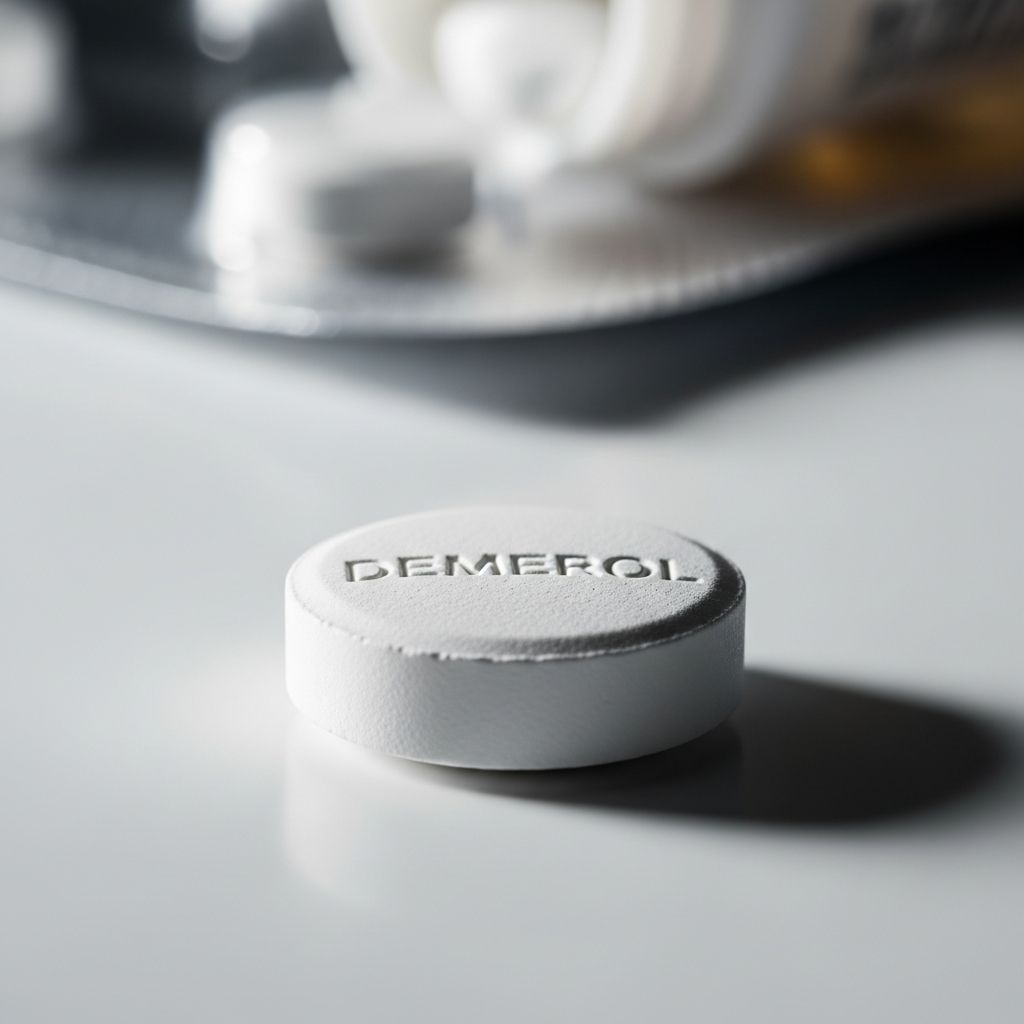
Meperidine, commonly known by the brand name Demerol, is a synthetic opioid analgesic used to manage moderate to severe pain. It acts on the central nervous system to alter pain perception and emotional response to discomfort. Available in oral, injectable, and other forms, it provides rapid relief but carries significant risks of dependence, respiratory depression, and other adverse effects, making it suitable only for short-term use under medical supervision.
About meperidine
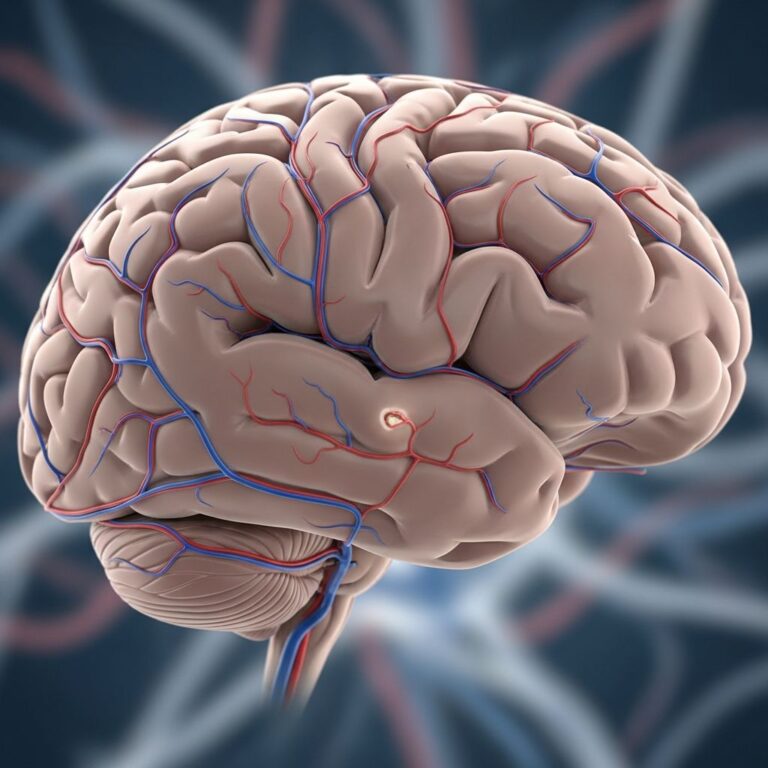
Meperidine is a narcotic pain reliever that binds to mu-opioid receptors in the brain and spinal cord, inhibiting pain signal transmission. Unlike some opioids, it has a shorter duration of action, typically 2-4 hours, which can necessitate frequent dosing. It was first introduced in the 1930s and remains in use despite concerns over its metabolite normeperidine, which can accumulate and cause neurotoxicity, including seizures, especially in prolonged therapy or renal impairment.
Healthcare providers prescribe meperidine when non-opioid alternatives are inadequate, often in postoperative settings or acute pain episodes. However, guidelines from major health organizations recommend limiting its use due to toxicity risks compared to alternatives like morphine or fentanyl.
Key facts
- Meperidine is an
opioid analgesic
for short-term relief ofmoderate to severe pain
. - Brand name:
Demerol
. - Typical adult dose: 50-150 mg orally or IM every 3-4 hours as needed; maximum daily limit applies to prevent accumulation.
- Not recommended for use longer than 48 hours due to normeperidine buildup risks.
- Common forms: tablets, syrup, injection.
- Controlled substance (Schedule II) with high potential for
abuse and dependence
.
When to take meperidine
Take meperidine exactly as prescribed, typically every 3-4 hours for pain control. Oral forms should be swallowed whole with water, with or without food, though food may delay absorption. Injectable forms are administered by healthcare professionals, often intramuscularly or intravenously in hospital settings.
Do not increase the dose or frequency without consulting your doctor, as this heightens overdose risk. For breakthrough pain, follow specific instructions rather than self-adjusting.
How to take meperidine
Follow your doctor’s dosing instructions precisely. For oral meperidine:
- Adults: Start with 50-100 mg every 3-4 hours; adjust based on response.
- Children: Dosed by weight (1-1.8 mg/kg), not exceeding adult limits; use caution in pediatrics due to respiratory risks.
- Miss a dose? Take it as soon as remembered unless near the next dose; do not double up.
Injections require professional administration. Store at room temperature, away from moisture and children.
Dosage table
| Route | Adult Dose | Frequency | Notes |
|---|---|---|---|
| Oral | 50-150 mg | Every 3-4 hours PRN | Max 600 mg/day |
| IM/IV | 50-100 mg | Every 3-4 hours PRN | Titrate slowly in elderly/renal impairment |
| Pediatric (IM) | 1-1.8 mg/kg | Every 3-4 hours | Max 100 mg/dose |
Getting the most from your treatment
Combine meperidine with non-drug measures like rest, ice, or physical therapy for optimal pain management. Avoid alcohol and sedatives, which amplify CNS depression. Maintain hydration and a high-fiber diet to prevent constipation, a frequent side effect; laxatives may be advised.
Monitor pain levels and report inadequate relief promptly. Do not drive or operate machinery until you know how it affects you, as drowsiness impairs alertness.
Related Stories



Common questions
How long does it take to work?
Oral meperidine acts in 30-60 minutes, peaking at 1-2 hours; injections work faster (10-15 minutes IV).
Can I drink alcohol with it?
No—alcohol increases risks of severe sedation, respiratory depression, and death.
Is it safe in pregnancy?
Use only if benefits outweigh risks; may cause neonatal withdrawal.
Side effects
Meperidine commonly causes drowsiness, dizziness, nausea, vomiting, constipation, sweating, and lightheadedness. These often improve with time or dose adjustment but require lying down if severe.
Serious side effects
Seek immediate medical help for:
- **Respiratory depression**: Slow/shallow breathing, blue lips, extreme drowsiness.
- **Allergic reactions**: Rash, hives, swelling, breathing difficulty.
- **Serotonin syndrome**: Agitation, hallucinations, fever, muscle rigidity (especially with antidepressants).
- **Neurotoxicity**: Seizures, tremors, confusion from normeperidine.
- **Overdose signs**: Loss of consciousness, cold/clammy skin, seizures.
Long-term use risks dependence, withdrawal (anxiety, sweating, cramps), and adrenal insufficiency (fatigue, low blood pressure).
Side effects table
| Common (>10%) | Serious (Rare) |
|---|---|
| Drowsiness, dizziness, nausea, sweating, constipation | Respiratory depression, seizures, serotonin syndrome, coma |
| Lightheadedness, vomiting | Hypotension, allergic reactions, overdose |
How to cope with side effects
- **Nausea**: Take with food; antiemetics if needed.
- **Dizziness**: Rise slowly; avoid sudden movements.
- **Constipation**: Increase fiber, fluids, exercise; use stool softeners.
- **Drowsiness**: Avoid driving; schedule rest.
- **Severe symptoms**: Contact doctor immediately; naloxone for opioid overdose.
Pregnancy and breastfeeding
Meperidine crosses the placenta and may cause fetal dependence, respiratory issues, or withdrawal in newborns. Use in pregnancy only if essential; Category C per older FDA classifications. Breastfeeding: Avoid, as it passes into milk and risks infant sedation.
Other medicines, food, and meperidine
Meperidine interacts dangerously with:
- CNS depressants (benzodiazepines, alcohol): Risk of coma/death.
- MAOIs/SSRIs: Serotonin syndrome.
- CYP3A4 inhibitors (e.g., ketoconazole): Increased levels/toxicity.
- Other opioids or sedatives: Enhanced effects.
Inform your doctor of all medications, including herbals like St. John’s wort.
Cautions
- High misuse potential; store securely.
- Avoid in renal/hepatic impairment (normeperidine accumulation).
- Contraindicated with MAOIs (within 14 days).
- Caution in elderly, respiratory disease, head injury, seizures.
- May cause
allodynia/hyperalgesia
(worsened pain sensitivity).
Stopping meperidine
Taper gradually under supervision to avoid withdrawal: restlessness, sweating, diarrhea, anxiety. Abrupt stop risks severe symptoms.
Important information
Overdose is life-threatening; naloxone reverses it but requires prompt action. Call emergency services for suspected overdose. Not for chronic pain; prefer safer opioids.
Frequently Asked Questions (FAQs)
What is meperidine used for?
Meperidine treats moderate to severe acute pain, such as post-surgery or injury-related.
What are the main side effects?
Drowsiness, nausea, dizziness, constipation, and sweating are most common.
Is Demerol addictive?
Yes, long-term use can lead to physical dependence and addiction.
What if I overdose?
Symptoms include slow breathing, unconsciousness; seek emergency help and naloxone if available.
Can children take it?
Yes, but with extreme caution due to higher respiratory depression risk.
References
- Meperidine (oral route) – Side effects & dosage — Mayo Clinic. 2023-10-01. https://www.mayoclinic.org/drugs-supplements/meperidine-oral-route/description/drg-20074223
- DEMEROL Injection Prescribing Information — Pfizer. 2024-05-15. https://labeling.pfizer.com/ShowLabeling.aspx?id=4516
- Meperidine (Demerol) – Uses, Side Effects, and More — WebMD. 2024-08-20. https://www.webmd.com/drugs/2/drug-4334/demerol-oral/details
- Meperidine (Demerol) Injection: Uses & Side Effects — Cleveland Clinic. 2023-11-12. https://my.clevelandclinic.org/health/drugs/18747-meperidine-injection
- Meperidine Injection: MedlinePlus Drug Information — MedlinePlus (NIH). 2024-02-28. https://medlineplus.gov/druginfo/meds/a601155.html
- Meperidine: Uses, Interactions, Mechanism of Action — DrugBank. 2025-01-10. https://go.drugbank.com/drugs/DB00454
- Demerol: Is It the Best Analgesic? — Patient Safety Authority (PA.gov). 2006-06-01. https://patientsafety.pa.gov/ADVISORIES/Pages/200606_18.aspx
Similar Articles








Read full bio of medha deb