Mesalamine: What You Need To Know About UC Treatment
Comprehensive guide to mesalamine (Asacol, Pentasa) for treating ulcerative colitis: uses, dosage, side effects, and precautions.

Mesalamine, also known as 5-aminosalicylic acid (5-ASA), is an anti-inflammatory medication primarily used to treat ulcerative colitis (UC), a type of inflammatory bowel disease (IBD) that causes inflammation and ulcers in the lining of the colon and rectum. Brand names include Asacol, Pentasa, Delzicol, Lialda, and others. It belongs to the class of aminosalicylates, which work locally in the gut to reduce inflammation, promote ulcer healing, and manage flare-ups.
About mesalamine
Mesalamine targets the gastrointestinal tract to alleviate symptoms of UC such as abdominal pain, diarrhea, rectal bleeding, and urgency. It is available in various formulations: extended-release capsules (Pentasa), delayed-release tablets (Asacol), and others designed to release the drug at specific sites in the intestine. Pentasa’s extended-release coating ensures delivery throughout the colon, while Asacol releases in the terminal ileum and proximal colon. This medication is FDA-approved for inducing and maintaining remission in mild to moderate UC.
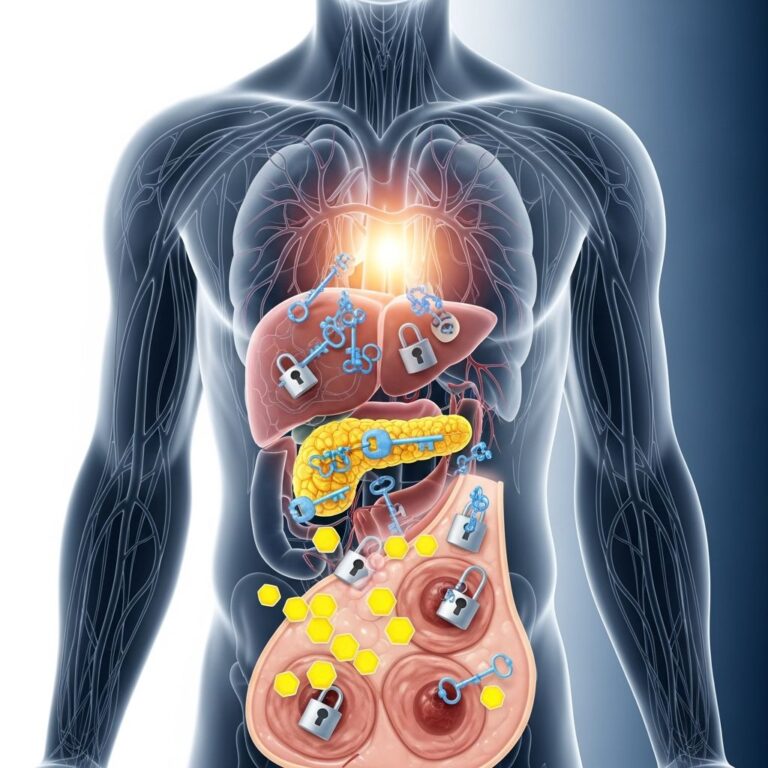
The exact mechanism is not fully understood, but mesalamine is believed to inhibit inflammatory pathways, block cyclooxygenase and lipoxygenase enzymes, and reduce production of prostaglandins and leukotrienes in the bowel lining. This anti-inflammatory action helps control active disease and prevents relapses.
Key facts about mesalamine
- Available as prescription-only in forms like capsules (250 mg, 500 mg Pentasa), delayed-release tablets (400 mg Asacol).
- Taken orally multiple times daily; starts working immediately on inflammation but symptom relief may take weeks.
- Commonly used for adults; pediatric dosing based on weight.
- Not a cure for UC but effectively manages symptoms and maintains remission.
- Generic versions available, potentially more affordable than brands.
About ulcerative colitis
Ulcerative colitis is a chronic condition causing long-lasting inflammation and ulcers in the innermost lining of the large intestine (colon) and rectum. Symptoms include diarrhea mixed with blood, abdominal cramps, fatigue, weight loss, and fever during flare-ups. UC differs from Crohn’s disease as it affects only the colon continuously from the rectum upward. Triggers include genetics, immune system dysfunction, and environmental factors. Without treatment, it can lead to complications like toxic megacolon or increased colon cancer risk.
How mesalamine works in UC treatment
During active UC, inflammation worsens, causing flare-ups. Mesalamine reduces this by acting directly on the colonic mucosa, decreasing inflammatory mediators. For induction of remission, higher doses treat acute symptoms until they subside. For maintenance, lower ongoing doses prevent flares by keeping inflammation controlled. Pentasa releases mesalamine throughout the small and large intestine, ideal for extensive disease, while Asacol targets the distal colon.
Clinical trials and guidelines from the American Gastroenterological Association recommend mesalamine as first-line therapy for mild-moderate UC due to its efficacy in achieving remission in 40-80% of patients.
Dosage and how to take mesalamine
Dosage varies by brand, disease severity, and patient factors. Always follow your doctor’s prescription. Swallow capsules/tablets whole with water; do not crush or chew to preserve the coating.
| Formulation | Induction Dose (Adults) | Maintenance Dose (Adults) |
|---|---|---|
| Pentasa (extended-release capsules) | 1 g (4×250 mg or 2×500 mg) 4 times daily | 1-2 g daily in divided doses |
| Asacol (delayed-release tablets) | 800 mg (2×400 mg) 3 times daily for 6 weeks | 1.6 g daily in 2-4 doses |
| Pediatrics (≥5 years, weight-based) | Consult doctor; e.g., Asacol 40-80 mg/kg/day | 15-30 mg/kg/day |
Related Stories



Take with or without food, but consistently. For Pentasa, contents can be sprinkled on applesauce if swallowing difficult, but consume immediately. Rectal forms (suppositories/enemas) for distal disease: 1 g suppository at bedtime or 4 g enema nightly.
How long to take mesalamine for
For active UC, continue until remission (typically 4-8 weeks). Long-term maintenance prevents relapses; many patients take it indefinitely under medical supervision. Stopping abruptly can trigger flares. Regular monitoring via blood tests and colonoscopies is essential.
Getting the most benefit
- Adhere strictly to dosing schedule.
- Report worsening symptoms promptly.
- Maintain hydration and a balanced diet low in irritants.
- Avoid NSAIDs like ibuprofen, which can exacerbate UC.
- Combine with lifestyle changes: stress management, smoking cessation.
Side effects of mesalamine
Most side effects are mild and gastrointestinal. Serious reactions are rare (<1%). Common ones often improve as body adjusts.
Common side effects
- Headache
- Nausea, indigestion
- Abdominal pain, diarrhea
- Gas, bloating
Serious side effects (seek immediate help)
- Kidney problems: reduced urine, swelling, fatigue
- Liver issues: jaundice, dark urine
- Heart inflammation (myocarditis/pericarditis): chest pain, shortness of breath
- Mesalamine intolerance: bloody diarrhea, fever mimicking UC flare
- Severe allergic reactions: rash, swelling, anaphylaxis.
Monitor kidney/liver function periodically, especially in elderly or those with pre-existing conditions.
Pregnancy and breastfeeding
Mesalamine is generally considered safe in pregnancy (Category B); benefits outweigh risks for active UC. Small amounts pass into breast milk but unlikely to harm infants. Consult your doctor for monitoring.
Other medicines, food, and mesalamine
Interactions:
- Avoid salicylates (aspirin) due to allergy risk.
- Azathioprine/6-MP: monitor blood counts.
- Warfarin: may alter effects.
- No major food interactions; take with meals if stomach upset.
Inform your doctor of all medications/supplements.
Cautions when taking mesalamine
- Allergy to salicylates (e.g., aspirin).
- Kidney/liver disease.
- Sulfa allergy (for sulfasalazine users switching).
- Heart conditions.
Pentasa/Asacol may cause kidney stones; drink plenty of fluids.
Common questions about mesalamine
Is mesalamine a steroid?
No, it’s an aminosalicylate, not a corticosteroid. It has fewer systemic side effects.
Does mesalamine cause weight gain?
Not typically; any gain relates to improved appetite post-remission.
How quickly does Pentasa work?
Inflammation reduces immediately, but symptoms improve in 2-4 weeks.
Can I drink alcohol on mesalamine?
Moderate alcohol is usually fine, but excess irritates the gut.
Is mesalamine safe long-term?
Yes, for most; regular monitoring required.
Further information on mesalamine brands
| Brand | Form | Release Site |
|---|---|---|
| Pentasa | Extended-release capsule | Throughout GI tract |
| Asacol | Delayed-release tablet | Terminal ileum/colon |
| Lialda | Extended-release tablet | Colon |
(Word count: 1678)
References
- Pentasa: Side effects, dosage, alternatives, and how it works — Medical News Today. 2024. https://www.medicalnewstoday.com/articles/drugs-pentasa
- Mesalamine: Uses & Side Effects — Cleveland Clinic. 2023-10-24. https://my.clevelandclinic.org/health/drugs/20045-mesalamine-delayed-release-capsules-delzicol
- Mesalamine (USAN) — NCBI StatPearls, NIH. 2023-07-10. https://www.ncbi.nlm.nih.gov/books/NBK551714/
- Mesalamine (oral route) — Mayo Clinic. 2024. https://www.mayoclinic.org/drugs-supplements/mesalamine-oral-route/description/drg-20064708
- Mesalamine (Lialda, Pentasa, and others) — WebMD. 2024. https://www.webmd.com/drugs/2/drug-147055/lialda-oral/details
- Mesalamine DR (Apriso): Uses, Side Effects, Dosage & More — GoodRx. 2024. https://www.goodrx.com/mesalamine-dr/what-is
- Mesalazine: Uses, Interactions, Mechanism of Action — DrugBank. 2024. https://go.drugbank.com/drugs/DB00244
Similar Articles








Read full bio of medha deb