Mesalazine Rectal Treatment: A Guide to Suppositories and Enemas
Understanding how rectal mesalazine medications treat bowel inflammation effectively
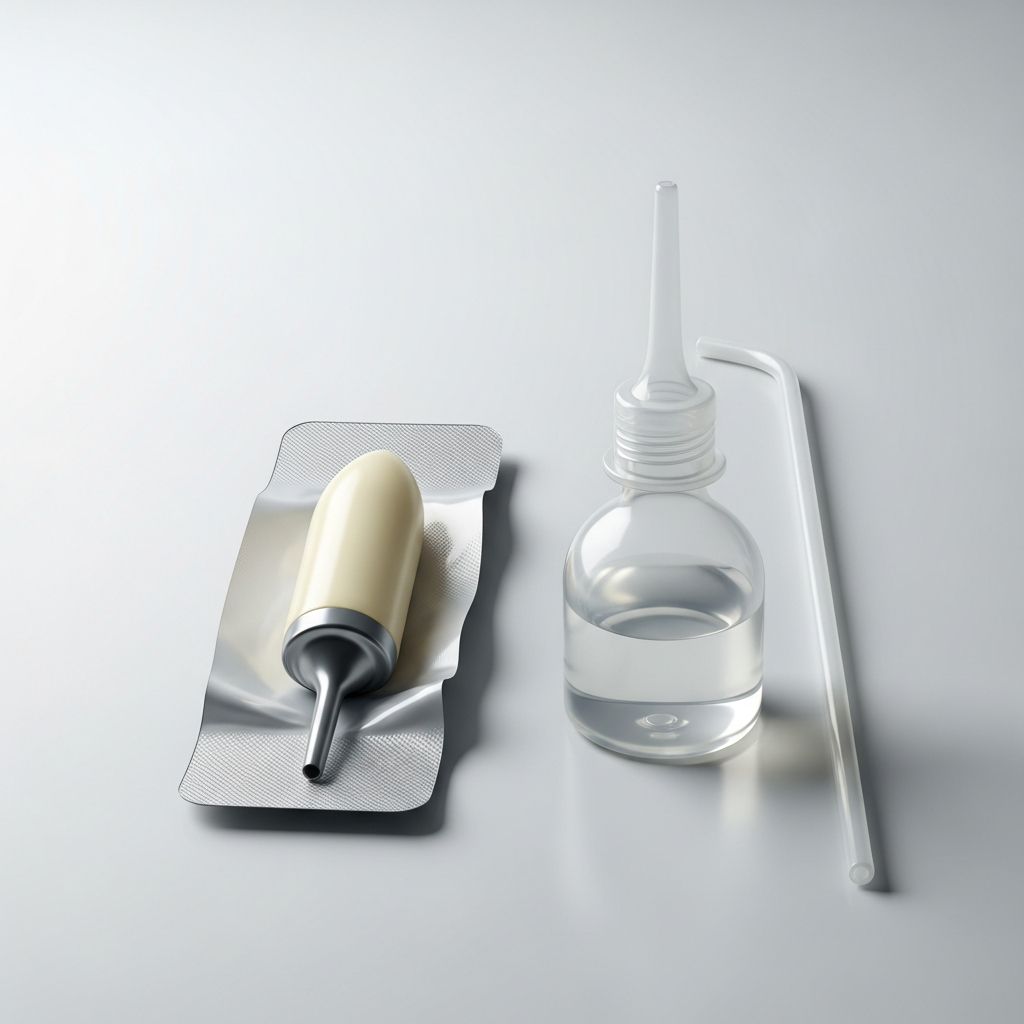
Understanding Mesalazine and Its Role in Bowel Health
Mesalazine is a well-established medication used to address inflammatory conditions affecting the lower gastrointestinal tract. Pronounced ‘me-SAL-a-zeen,’ this therapeutic agent works directly at the site of inflammation by being administered through rectal delivery systems. The medication is available under various brand names, with Asacol and Pentasa being among the most commonly prescribed formulations. Unlike oral medications that must travel through the entire digestive system, rectal mesalazine targets inflammation precisely where it occurs—in the rectum and lower bowel regions.
The primary advantage of delivering mesalazine through suppositories or enemas lies in its localized action. When applied directly to inflamed tissues, the medication can achieve higher concentrations at the affected area while minimizing systemic exposure. This targeted approach makes it particularly valuable for patients with distal ulcerative colitis, proctitis, and other conditions confined to the lower intestinal tract.
Conditions Treated with Rectal Mesalazine
Rectal mesalazine formulations are specifically designed to treat several inflammatory bowel conditions. The primary indication is ulcerative colitis affecting the rectum, commonly referred to as proctitis. This condition involves swelling and ulceration of the rectal lining, causing discomfort, bleeding, and urgency. Beyond proctitis, rectal mesalazine addresses other forms of distal colitis where inflammation extends only to the lower portions of the colon.
Clinically, these medications prove particularly effective for managing mild to moderate disease activity in these regions. Healthcare providers often recommend rectal mesalazine when oral medications alone prove insufficient or when the disease is limited to the rectum and sigmoid colon. The combination of oral and rectal therapy has been shown to provide superior outcomes compared to either treatment modality used independently.
How Mesalazine Works at the Cellular Level
Mesalazine operates through multiple anti-inflammatory mechanisms within the bowel tissue. The primary action involves inhibiting specific enzymatic pathways—cyclooxygenase and lipoxygenase—that are responsible for producing inflammatory mediators called prostaglandins and leukotrienes. By reducing production of these substances, mesalazine effectively dampens the inflammatory cascade that perpetuates bowel damage.
Additionally, mesalazine counteracts the effects of tumor necrosis factor (TNF-alpha), a powerful inflammatory cytokine implicated in intestinal damage. This reversal of antiproliferative effects helps restore normal cellular function in damaged tissues. The medication also inhibits platelet-activating factor and reduces the production of reactive oxygen species, further contributing to its anti-inflammatory profile. Through these complementary mechanisms, mesalazine addresses multiple pathways of inflammation simultaneously, promoting tissue healing and reducing symptom recurrence.
Dosage Forms and Treatment Regimens
Mesalazine is available in two primary rectal formulations, each with distinct dosing schedules:
- Asacol Suppositories (500 mg): The standard adult dosage typically ranges from 1 to 2 suppositories administered up to 3 times daily, allowing flexible dosing based on disease severity and individual response.
- Pentasa Suppositories (1 gram): The standard adult dosage is generally 1 to 2 suppositories administered once daily, providing a more convenient single-dose option.
- Pentasa Enema: The standard adult dosage involves a single enema administered nightly, offering an alternative for patients with more extensive disease in the distal colon.
Individual dosing requirements vary considerably based on disease extent, symptom severity, and patient tolerance. Healthcare providers customize treatment based on clinical assessment and patient-specific factors. Maintaining consistent timing of medication administration enhances therapeutic effectiveness by establishing steady medication concentrations in the bowel.
Related Stories



Administration Techniques and Best Practices
Proper administration technique significantly impacts treatment efficacy. Before using mesalazine suppositories or enemas, patients should ideally have a bowel movement to ensure the rectum is empty. An empty bowel allows the medication to penetrate affected tissues more effectively and remain in contact with inflamed areas longer.
Suppository Administration Guidelines
Using suppositories requires specific positioning and technique. Healthcare providers typically recommend assuming a comfortable position on your left side with the left leg extended straight and the right leg bent forward for balance. This position facilitates proper suppository placement and medication distribution. Suppositories should be inserted gently and fully into the rectum. Some patients find it helpful to refrigerate suppositories slightly to firm them before insertion. After insertion, remaining stationary for several minutes allows the suppository to dissolve and the medication to absorb into the bowel tissue.
Enema Administration Guidelines
Enema administration involves slightly different techniques. Before use, gently shake the enema bottle to ensure even distribution of the medication. Open the bottle by twisting the top 360 degrees. Some patients prefer applying a water-soluble lubricating jelly to the enema tip to ease insertion. Position yourself on your left side with the left leg straight and right leg bent for stability. Carefully insert the enema tip into the rectum and slowly squeeze the bottle, emptying its contents over 30 to 40 seconds. After emptying the bottle, remove the tip carefully. Remain on your side for 5 to 10 minutes, or ideally stay in bed overnight, to allow maximum medication retention and absorption.
A small amount of leakage following suppository or enema use is normal and expected. To manage this, patients may wear protective undergarments or use absorbent pads. Even if some medication leaks, the retained portion provides therapeutic benefit, so resistance to immediate bowel movement is important.
Timing and Consistency for Optimal Results
Administering mesalazine at the same times each day helps establish consistent medication levels in the bowel tissue. This regularity enhances therapeutic effectiveness and helps prevent symptom flares. Evening administration of enemas proves particularly advantageous, as sleeping after application allows prolonged medication retention—typically 20 to 40 minutes or longer. This extended contact time enables better medication absorption and tissue penetration, maximizing anti-inflammatory effects.
Clinical Evidence Supporting Rectal Mesalazine Therapy
Research demonstrates substantial efficacy for rectal mesalazine formulations in treating distal inflammatory bowel disease. Studies comparing combination therapy—oral plus rectal mesalazine—show superiority over oral treatment alone. In clinical trials involving patients with extensive mild to moderate ulcerative colitis receiving concurrent oral mesalazine, adding nightly enemas significantly improved outcomes.
At week 4 of treatment, 89% of patients receiving combination therapy showed clinical improvement compared to 62% of those receiving placebo enemas. By week 8, these figures remained substantially different, with 86% improvement in the combination group versus 68% in controls. Clinical and endoscopic improvements included reduced stool frequency, decreased rectal bleeding, improved physician global assessments, and visible reduction in mucosal inflammation on visualization.
A meta-analysis of controlled trials consistently demonstrated mesalazine superiority over placebo for distal colitis treatment. The analysis revealed that topical mesalazine proved superior to both placebo and topical corticosteroids in achieving remission, while also reducing overall treatment costs. For patients specifically with proctitis using slow-release 1-gram suppositories three times weekly, research showed effectiveness in preventing disease relapse and maintaining long-term remission.
Potential Side Effects and Management Strategies
Like all medications, mesalazine can produce side effects, though many patients tolerate it well. Side effects often diminish as the body adjusts to the medication over time. Common effects may include gastrointestinal symptoms such as gas, abdominal discomfort, or changes in bowel habits. Some patients experience rectal irritation or mild discomfort during administration.
More serious but rare side effects may involve allergic reactions or impacts on kidney function. Patients experiencing severe abdominal pain, signs of allergic reaction, or unusual symptoms should contact their healthcare provider immediately. Regular monitoring through laboratory tests can help identify any potential kidney-related complications early, particularly in patients on long-term therapy.
Frequently Asked Questions About Rectal Mesalazine
Is it normal to experience leakage after using suppositories or enemas?
Yes, some leakage is completely normal following rectal mesalazine use. Wearing absorbent pads or protective undergarments can manage this. The important point is that even partial retention of medication provides therapeutic benefit, so trying to retain the medication is worthwhile even if some leakage occurs.
How long should medication be retained after administration?
For enemas, attempting to retain the medication for at least 20 to 40 minutes allows the medication to spread through the intestines and absorb effectively. Overnight retention is ideal when enemas are administered before bedtime. For suppositories, remaining stationary for several minutes after insertion aids absorption.
Can rectal mesalazine be used alongside oral mesalazine?
Yes, combination therapy using both oral and rectal formulations is not only acceptable but often recommended for patients with more extensive disease. Clinical evidence demonstrates that combined therapy produces superior results compared to either formulation used alone.
How quickly do patients notice improvement?
Clinical improvement typically becomes apparent within 2 to 4 weeks of consistent treatment. However, full therapeutic benefit may require 6 to 8 weeks of regular use. Patience and adherence to the prescribed regimen are essential for optimal outcomes.
Is special preparation needed before using mesalazine?
Having a bowel movement before administration is ideal but not absolutely necessary. An empty bowel simply allows better medication penetration and absorption into inflamed tissue.
Important Considerations for Patients
Successful treatment with rectal mesalazine requires consistent adherence to the prescribed schedule. Missing doses may reduce effectiveness and increase the risk of symptom flares. Patients should communicate with their healthcare provider about any difficulties with administration, side effects, or concerns about treatment response.
It is essential to follow specific instructions provided by your healthcare provider, pharmacist, or nurse, as individual circumstances may warrant modifications to standard protocols. Regular follow-up appointments allow assessment of treatment effectiveness and identification of any adverse effects requiring intervention.
Conclusion: Optimizing Bowel Health with Targeted Therapy
Rectal mesalazine formulations represent an important therapeutic option for managing inflammatory bowel conditions affecting the rectum and distal colon. The direct delivery method, combined with multiple anti-inflammatory mechanisms and proven clinical efficacy, makes these medications valuable components of modern inflammatory bowel disease management. Whether used as monotherapy for limited disease or as adjunctive treatment alongside oral medications, mesalazine suppositories and enemas help patients achieve symptom control, promote tissue healing, and maintain periods of remission. Understanding proper administration techniques, maintaining treatment consistency, and maintaining open communication with healthcare providers supports optimal therapeutic outcomes and improved quality of life.
References
- The Role of Mesalamine in the Treatment of Ulcerative Colitis — National Center for Biotechnology Information (NCBI). 2008. https://pmc.ncbi.nlm.nih.gov/articles/PMC2376091/
- Mesalamine (Rectal Route) – Side Effects & Dosage — Mayo Clinic. 2024. https://www.mayoclinic.org/drugs-supplements/mesalamine-rectal-route/description/drg-20068210
- Mesalamine Rectal: MedlinePlus Drug Information — U.S. National Library of Medicine. 2024. https://medlineplus.gov/druginfo/meds/a614021.html
- Using Enemas for Ulcerative Colitis Inflammation — Healthline. 2024. https://www.healthline.com/health/ulcerative-colitis/ulcerative-colitis-enema
- Mesalazine: A Medicine to Treat Inflammatory Bowel Conditions — NHS. 2024. https://www.nhs.uk/medicines/mesalazine/
Similar Articles








Read full bio of medha deb