Mesothelioma: Diagnosis, Treatment, And Prognosis Insights
Comprehensive guide to mesothelioma: symptoms, causes, diagnosis, treatment options, and prognosis for this asbestos-related cancer.

Mesothelioma is an uncommon and aggressive type of cancer that develops in the mesothelial cells lining the lungs (pleura), abdomen (peritoneum), heart (pericardium), or testes. It is strongly linked to prior asbestos exposure, with a long latency period of 20-50 years. While rare, it carries a poor prognosis, but early diagnosis and multimodal treatments can improve outcomes in select cases.
What is mesothelioma?
Mesothelioma arises from mesothelial cells, which form protective linings around body cavities. The most common form is
malignant pleural mesothelioma
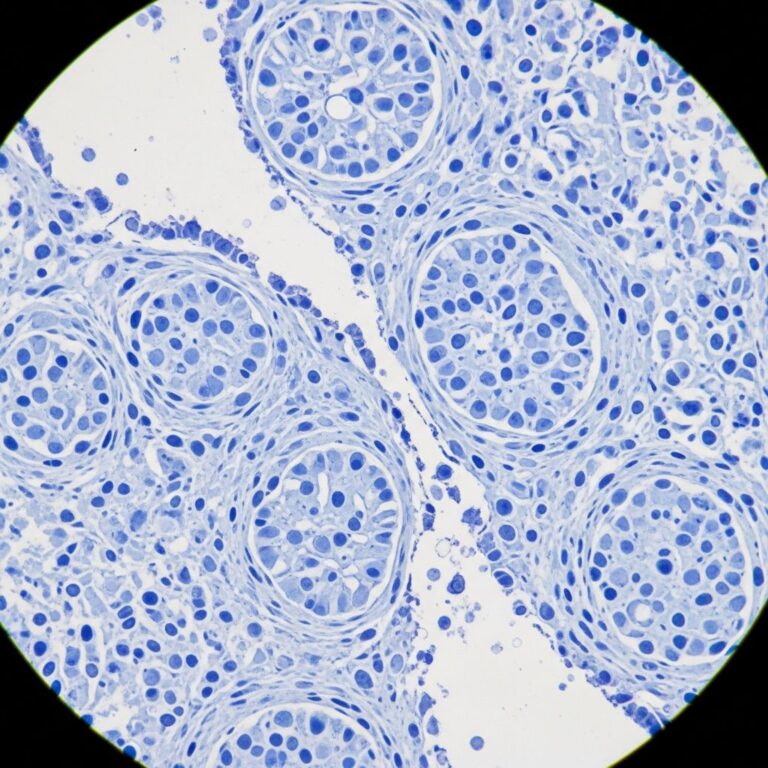
(80-90% of cases), occurring in the pleura covering the lungs. Less frequently, it affects the peritoneum (10-20%), pericardium, or tunica vaginalis of the testes. This cancer is insidious due to its long latency after asbestos exposure, often 30-50 years, and typically presents as locally advanced disease rather than distant metastases.Unlike other cancers, mesothelioma grows diffusely along mesothelial surfaces, making complete surgical removal challenging. Histologically, it is classified as epithelioid (best prognosis), sarcomatoid (worst), or biphasic (mixed). Accurate diagnosis requires distinguishing it from adenocarcinoma using immunohistochemical markers.
How common is malignant mesothelioma? (Epidemiology)
Mesothelioma is rare but historically linked to occupational asbestos exposure. In the UK, approximately 2,700 new cases are diagnosed annually (2016-2018 data), with lifetime risks of 1 in 212 for males and 1 in 963 for females. Incidence peaked in the late 20th century due to past asbestos use but is declining with bans and removal efforts. Peak age is 50-70 years, predominantly in men due to industrial exposure in construction, shipbuilding, and mining.
Globally, new cases continue despite declining rates, with higher burdens in regions with lax regulations. Non-occupational exposure (e.g., via family members or environmental sources) accounts for some cases. Patients may qualify for compensation from asbestos trusts or litigation.
Mesothelioma symptoms presentation
Symptoms often mimic other lung conditions, delaying diagnosis. Common presentations include:
- Chest pain and shortness of breath due to pleural effusion (fluid buildup).
- Cough, weight loss, fatigue, and night sweats.
- For peritoneal mesothelioma: abdominal pain, swelling, bowel changes.
- Rarely, hoarseness, superior vena cava obstruction, or Horner’s syndrome.
Pleural fluid is typically straw-colored or bloodstained. Symptoms arise late, when the tumor is advanced.
Investigations
Diagnosis involves a stepwise approach:
- Imaging: Chest X-ray shows pleural effusion or thickening; CT/MRI/PET scans assess extent and stage.
- Pleural fluid analysis: Cytology may suggest but rarely confirms mesothelioma.
- Biopsy: Essential for diagnosis—CT/ultrasound-guided needle biopsy, thoracoscopy (VATS), or open biopsy. Thoracoscopy allows fluid drainage, biopsy, and pleurodesis.
- Pathology: Panel of markers (e.g., calretinin positive, BAP-1 loss) confirms mesothelioma with 95% accuracy.
Mediastinoscopy evaluates lymph nodes. Multidisciplinary review is standard.
Associated diseases
Mesothelioma is primarily associated with
asbestos exposure
, especially amphibole fibers (crocidolite). Other risks include radiation, erionite, SV40 virus (controversial), and genetic factors like BAP1 mutations. Co-existing asbestos-related diseases include asbestosis, pleural plaques, and benign effusions. Smoking does not directly cause mesothelioma but worsens lung cancer risk in exposed individuals.Related Stories



Staging
The TNM system by the International Mesothelioma Interest Group (adopted by AJCC) is standard:
| Stage | Description |
|---|---|
| I | T1a/b N0 M0: Limited pleural involvement, resectable. |
| II | T2 N0 M0: Deeper pleural invasion. |
| III | T3/T4 or N1/N2 M0: Locally advanced or nodal spread. |
| IV | T4, N3, or M1: Unresectable or metastatic. |
Most patients (75%) present at stage III/IV. Epithelioid histology favors earlier stages.
Malignant mesothelioma treatment and management
Treatment is palliative for most, as cure is rare outside stage I. Multimodal approaches follow 2021 ESMO and 2025 ASCO guidelines, emphasizing lung-sparing surgery and immunotherapy.
Surgery
- Extrapleural pneumonectomy (EPP): Removes lung, pleura, diaphragm, pericardium—high morbidity, now less favored.
- Pleurectomy/decortication (P/D): Preferred for lung preservation, relieves pain/effusion.
Suitable for good performance status, epithelioid, early-stage patients.
Chemotherapy
Platinum-based (cisplatin/carboplatin + pemetrexed) is first-line, improving survival by months. Bevacizumab (anti-VEGF) added for unresectable disease. Second-line options limited.
Immunotherapy
PD-1 inhibitors (e.g., pembrolizumab/Keytruda) with chemo for advanced cases; preferred over chemo alone per 2025 guidelines, extending survival.
Radiotherapy
Palliative for pain, effusion prevention post-biopsy, or hemithorax after surgery. Not curative.
Emerging therapies
Targeted: PARP inhibitors for BRCA mutations; trials with vaccines, viruses, ADCs.
Survey of specialists (2025): 42% favor immunotherapy + chemo; 16% chemo alone; 10% palliative care.
Prognosis
Median survival is ~12 months, varying by stage, age, histology (epithelioid > biphasic > sarcomatoid), and performance status. 10-year survival in England (2013-2017): 2%. Early surgery + chemo/immunotherapy offers best outcomes, but most die within 1-2 years. Palliative care focuses on symptom control.
Frequently Asked Questions (FAQs)
Q: What causes mesothelioma?
A: Primarily asbestos exposure, with 30-50 year latency. Other rare causes include radiation or genetics.
Q: Is mesothelioma curable?
A: Rarely; only early-stage with aggressive surgery. Most treatments are palliative.
Q: How is mesothelioma diagnosed?
A: Via imaging (CT/PET), fluid analysis, and biopsy (thoracoscopy).
Q: What is the best treatment for pleural mesothelioma?
A: Multimodal: chemo/immunotherapy + lung-sparing surgery for eligible patients.
Q: Can I get compensation for mesothelioma?
A: Yes, many countries have funds/litigation for asbestos victims.
References
- Malignant Mesothelioma: Symptoms and Treatment — Patient.info. 2023. https://patient.info/doctor/oncology/malignant-mesothelioma
- Mesothelioma: A Review — National Center for Biotechnology Information (PMC). 2012-03-15. https://pmc.ncbi.nlm.nih.gov/articles/PMC3307510/
- Pleural Mesothelioma: Causes, Symptoms & Treatment — Asbestos.com. 2025. https://www.asbestos.com/mesothelioma/pleural/
- Mesothelioma (Asbestos Cancer): Symptoms, Causes, Treatment — Patient.info. 2023. https://patient.info/cancer/mesothelioma
- Mesothelioma Resources for Patients — Mesothelioma.com. 2025. https://www.mesothelioma.com
Similar Articles








Read full bio of Sneha Tete