Mesotherapy: 5 Essential Uses For Body, Skin, And Hair
Nonsurgical fat removal, body contouring, hair restoration, and anti-aging via targeted microinjections into the skin.
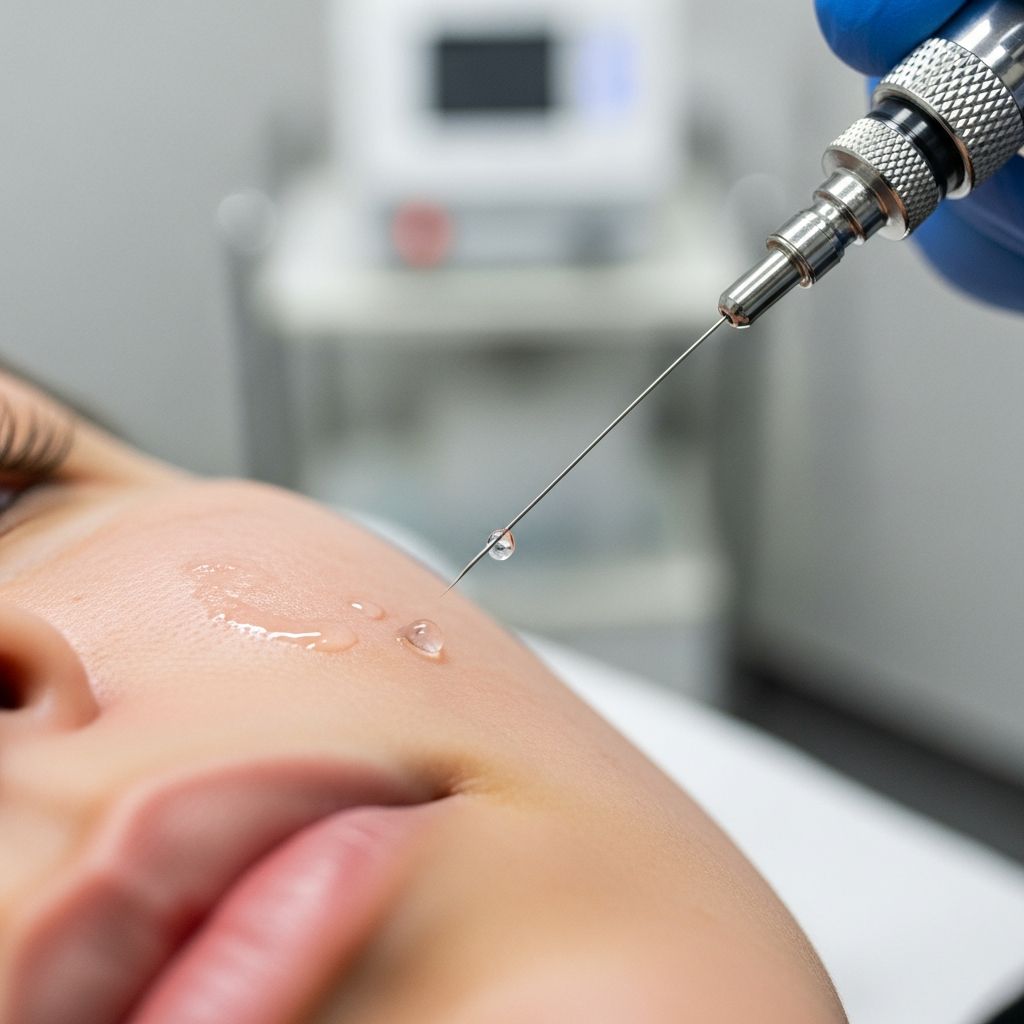
Mesotherapy is a minimally invasive, nonsurgical technique that delivers customized cocktails of medications, vitamins, enzymes, and plant extracts directly into the mesodermal layer of the skin via fine needles. This targeted approach aims to address localized fat deposits, cellulite, hair loss, skin aging, and other aesthetic concerns by promoting fat breakdown, improving circulation, and stimulating tissue repair.
What is mesotherapy?
Developed in the 1950s by French physician Dr. Michel Pistor, mesotherapy involves multiple microinjections of therapeutic substances into the subcutaneous fat or dermal layers. The term ‘meso’ refers to the mesoderm, the middle layer of skin, where injections are primarily placed to achieve localized effects with minimal systemic absorption. Unlike oral or intravenous administration, this method allows drugs to remain active longer in the target area, potentially enhancing efficacy while reducing side effects.
The injected solutions, known as ‘mesococktails,’ are tailored by practitioners and may include phospholipids for fat emulsification, hyaluronic acid for hydration, vitamins for nourishment, hormones, NSAIDs, antibiotics, or vasodilators. Common areas treated include the face, scalp, neck, abdomen, thighs, arms, and buttocks.
Mechanism of action
The precise mechanism of mesotherapy remains incompletely understood, with ongoing debate in the medical community. Proposed actions include:
- Fat disruption: Injections mechanically break fat cell membranes and pharmacologically promote lipolysis (fat breakdown) via agents like phosphatidylcholine and deoxycholate.
- Improved microcirculation: Vasodilators and anti-inflammatories enhance blood flow, lymphatic drainage, and oxygen delivery, reducing cellulite and swelling.
- Collagen stimulation: Microtrauma from needles may trigger fibroblast activity, increasing collagen and elastin production for skin tightening.
- Mesodermal modulation: Intradermal deposition induces local biochemical reactions, prolonging drug action compared to systemic routes.
However, controlled clinical trials are limited, and the exact pathways require further validation. Preclinical studies confirm slower diffusion and prolonged retention of intradermal drugs.
Uses of mesotherapy
Body contouring and fat reduction
Mesotherapy is promoted for spot fat reduction in areas like love handles, thighs, and abdomen. Sessions emulsify localized adiposity, with visible results after 3–15 treatments spaced 2 weeks apart. It is positioned as a non-surgical liposuction alternative.
Cellulite treatment
By targeting fibrous septae and improving circulation, mesotherapy smooths ‘orange peel’ skin. Cocktails often include collagenase enzymes and organic silicates to remodel connective tissue.
Hair loss (androgenic alopecia)
Intr Scalp mesotherapy delivers minoxidil-like agents, vitamins (biotin, B-complex), and growth factors directly to follicles. A recent NIH study compared it favorably to topical 5% minoxidil, noting better tolerability and efficacy in some patients due to deeper penetration. Protocols involve 8–12 sessions.
Skin rejuvenation and anti-aging
Facial mesotherapy hydrates, revitalizes, and reduces fine lines using hyaluronic acid, antioxidants, and peptides on the face, neck, décolletage, and hands. It treats stretch marks, scars, and pigmentation by promoting dermal remodeling.
Other applications
- Pain management (e.g., musculoskeletal syndromes)
- Lymphatic drainage for edema
- Hyperpigmentation and acne scars
Injection techniques
Several methods adapt to treatment goals, needle depth, and patient tolerance:
| Technique | Depth | Angle | Description | Best For |
|---|---|---|---|---|
| Intra-epidermal | 1 mm | Perpendicular | Grid pattern, light pressure, no bleeding | Sensitive skin, superficial hydration |
| Papular | Dermo-epidermal junction | 30–45° | Forms small papules | Rejuvenation, pigmentation |
| Nappage | 2–4 mm | Rapid, superficial multi-injections | Cellulite, large areas | |
| Point-by-point | Deep dermis (4–6 mm) | Variable | Precise, targeted spots | Fat pockets, hair follicles |
Related Stories



Needles are 30–32 gauge (0.3–0.5 mm diameter), 4–13 mm long. Sessions last 20–40 minutes, with numbing cream optional.
Preparations and protocols
Typical protocols: 4–15 sessions, every 1–2 weeks, followed by maintenance every 2–6 months. Pre-treatment: Avoid NSAIDs/aspirin 1 week prior; hydrate well. Each session uses 2–10 mL of cocktail per area.
- Common ingredients: Phosphatidylcholine, carnitine, caffeine (lipolysis); hyaluronic acid, vitamin C (rejuvenation); minoxidil, dutasteride (hair).
- Customization: Based on patient age, skin type, and goals.
Contraindications and cautions
Mesotherapy is not suitable for everyone:
- Pregnancy/breastfeeding
- Active infections, keloid scarring
- Bleeding disorders, anticoagulation therapy
- Known allergies to cocktail components
- Autoimmune diseases, cancer
Cautions include HIV/hepatitis (screening advised), diabetes, and heart conditions.
Side effects and complications
Generally well-tolerated, but risks include:
- Common: Redness, swelling, bruising, itching (resolve in 24–72 hours)
- Rare: Infection, nodules, pigmentation changes, allergic reactions
- Serious: Fat necrosis, embolism (if deep injections), anaphylaxis
Improper sterilization or unapproved substances heighten risks. FDA has warned against off-label use of compounded drugs like PC-DC.
Efficacy and evidence
While popular in Europe and South America, evidence is mixed:
- Supportive: Small studies show hair regrowth comparable to minoxidil; anecdotal fat reduction.
- Negative: A histological study on periocular rejuvenation found no significant collagen/elastin changes or wrinkle improvement after 6 sessions (P>0.05). Clinical ratings showed 0–5% improvement.
- Gaps: Lack of large RCTs; placebo effects possible. Italian Mesotherapy Society calls for standardized protocols.
History
Dr. Pistor introduced mesotherapy in 1952 for vascular and sports injuries. Recognized by French Academy of Medicine in 1987 as part of official medicine. Evolved into aesthetics by the 1990s, spreading globally despite regulatory variations.
Alternatives
| Concern | Mesotherapy | Alternatives |
|---|---|---|
| Fat reduction | Microinjections | Cryolipolysis, HIFU, liposuction |
| Cellulite | Enzyme cocktails | Laser therapy, radiofrequency, subcision |
| Hair loss | Scalp injections | Minoxidil, finasteride, PRP, low-level laser |
| Rejuvenation | Hydrating meso | Fillers, Botox, microneedling, peels |
Frequently Asked Questions
Is mesotherapy painful?
Mild discomfort like pinpricks; topical anesthetics minimize it. Intra-epidermal techniques are least painful.
How many sessions are needed?
Typically 6–15 initial sessions, spaced 1–2 weeks, plus maintenance.
Is mesotherapy FDA-approved?
No; specific cocktails lack approval. Performed off-label by licensed providers.
Who can perform mesotherapy?
Dermatologists, plastic surgeons, or trained physicians. Seek board-certified experts.
Does mesotherapy work for weight loss?
No; it’s for localized fat, not overall obesity. Combine with diet/exercise.
References
- Mesotherapy – DermNet — DermNet NZ. 2023. https://dermnetnz.org/topics/mesotherapy
- Mesotherapy as a Promising Alternative to Minoxidil for… — National Library of Medicine, NIH. 2024-05-15. https://pmc.ncbi.nlm.nih.gov/articles/PMC11152360/
- Efficacy of mesotherapy in facial rejuvenation: a histological… — National Library of Medicine, NIH. 2012-10-26. https://pmc.ncbi.nlm.nih.gov/articles/PMC3513770/
- Intradermal Therapy (mesotherapy) in Dermatology — Dermatology Journal. 2023. https://www.dermatoljournal.com/articles/intradermal-therapy-mesotherapy-in-dermatology.html
- Mesotherapy – Indian Journal of Dermatology… — Indian Journal of Dermatology, Venereology and Leprology. 2023. https://ijdvl.com/mesotherapy/
- Mesotherapy useful for many conditions — Dermatology Times. 2023. https://www.dermatologytimes.com/view/mesotherapy-useful-many-conditions
Similar Articles








Read full bio of Sneha Tete