Metabolic Acidosis: Causes, Symptoms, Diagnosis & Treatment
Understanding metabolic acidosis: causes, symptoms, diagnosis methods, and effective treatment options.
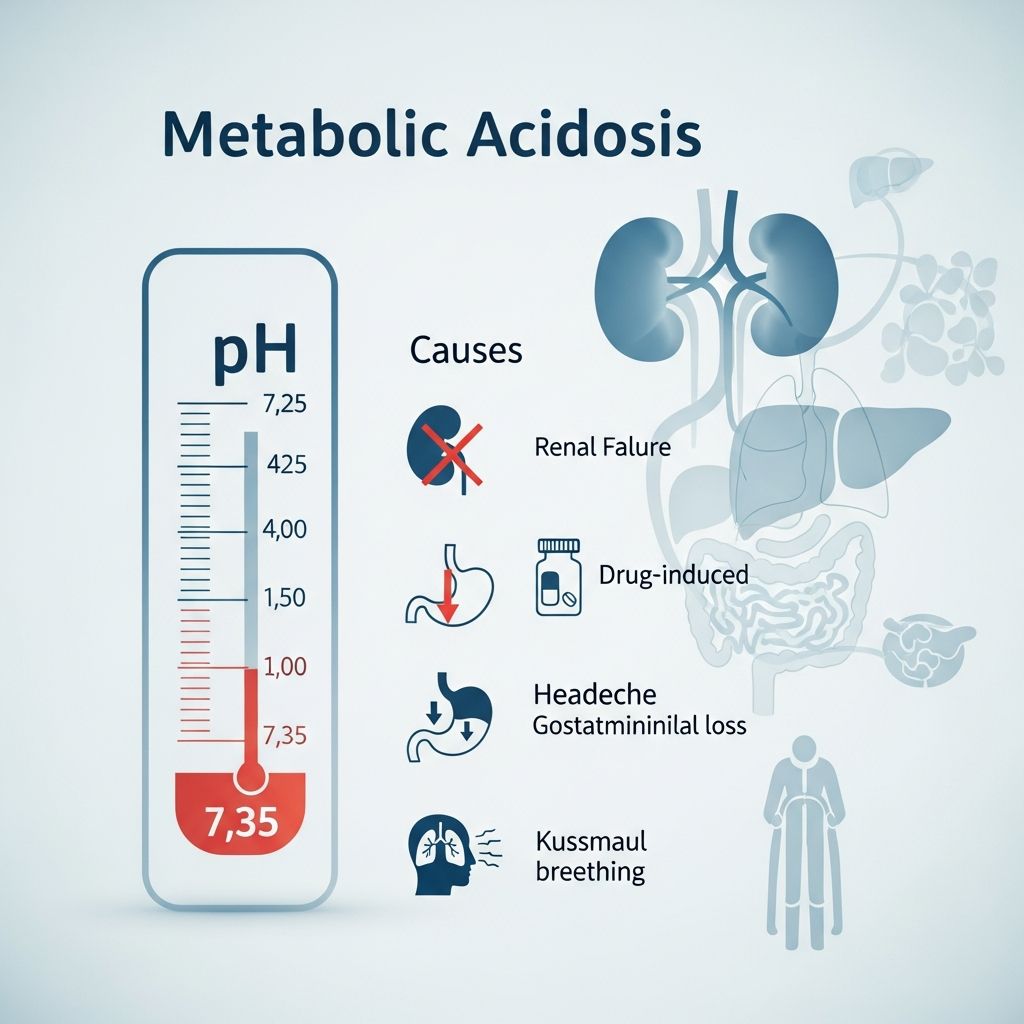
What Is Metabolic Acidosis?
Metabolic acidosis is a serious medical condition in which acids build up in your body. This occurs when your blood becomes too acidic, disrupting the delicate acid-base balance that your body carefully maintains. The condition develops when there is an accumulation of acid or a loss of bicarbonate, a base that helps neutralize acids in your bloodstream.
Bicarbonate is a base derived from carbon dioxide, which is a waste byproduct after your body converts food to energy. When bicarbonate levels drop or acid levels rise excessively, your body’s pH balance becomes compromised, leading to metabolic acidosis. This imbalance can affect multiple organ systems and requires prompt medical attention to prevent serious complications.
Types of Metabolic Acidosis
Metabolic acidosis is classified into two main types based on the anion gap, which measures the difference between positively and negatively charged electrolytes in your blood:
High Anion Gap Metabolic Acidosis
This type develops when there are too many acids in your blood that deplete bicarbonate reserves. Conditions causing high anion gap acidosis include diabetic ketoacidosis, lactic acidosis, kidney failure, and ingestion of toxic substances like methanol or ethylene glycol.
Normal Anion Gap Metabolic Acidosis
This type occurs when you lose too much bicarbonate in your blood as a result of kidney disease or kidney failure. The kidneys fail to properly regulate acid-base balance, leading to bicarbonate depletion without accumulation of unmeasured acids.
Causes of Metabolic Acidosis
Metabolic acidosis develops through various pathways, each affecting your body’s ability to maintain proper acid-base equilibrium:
Kidney-Related Causes
Your kidneys play a crucial role in filtering acids from your bloodstream. When kidney disease or kidney failure occurs, your kidneys cannot properly filter and eliminate acids, allowing them to accumulate in your blood. This represents one of the most common causes of metabolic acidosis. Chronic kidney disease leads to persistent metabolic acidosis that can affect bone health, muscle function, and overall disease progression.
Metabolic and Endocrine Causes
Untreated diabetes, particularly type 1 diabetes, can lead to diabetic ketoacidosis (DKA), a severe form of metabolic acidosis. When your body cannot use glucose properly due to insufficient insulin, it breaks down fat for energy, producing ketones that accumulate in your blood and cause severe acidosis.
Acid Accumulation
Your body may accumulate excess acids through various mechanisms. Lactic acidosis occurs when your body produces too much lactic acid and cannot metabolize it efficiently, often seen in severe infections, sepsis, or during intense exercise. Toxic ingestions, including salicylate poisoning from aspirin overdose, methanol, or ethylene glycol, can cause rapid acid accumulation.
Related Stories



Bicarbonate Loss
Loss of bicarbonate through your digestive system or kidneys contributes to metabolic acidosis. Severe diarrhea causes bicarbonate loss through the gastrointestinal tract, while certain kidney conditions prevent bicarbonate reabsorption in the renal tubules.
Symptoms of Metabolic Acidosis
The symptoms of metabolic acidosis vary depending on severity and underlying cause. Recognizing these signs is essential for seeking timely medical intervention:
Respiratory Symptoms
One of the characteristic signs of metabolic acidosis is rapid, deep breathing called Kussmaul respirations. Your body attempts to compensate for acidosis by increasing respiratory rate to exhale more carbon dioxide.
Cardiovascular Symptoms
Patients often experience an accelerated heartbeat, chest pain, and palpitations. Metabolic acidosis can cause dangerous heart rhythm abnormalities, particularly when potassium levels become elevated (hyperkalemia).
Neurological Symptoms
Confusion, headache, and drowsiness are common neurological manifestations. In severe cases, metabolic acidosis can progress to altered consciousness and coma if left untreated.
General and Gastrointestinal Symptoms
Patients typically experience fatigue and generalized weakness. Nausea, vomiting, and diarrhea frequently occur and may contribute to further electrolyte imbalances and dehydration.
Diagnosis of Metabolic Acidosis
Accurate diagnosis requires a systematic clinical approach combining history, physical examination, and specialized laboratory tests:
Clinical Assessment
Your healthcare provider will conduct a thorough clinical history, take vital signs including respiratory rate, heart rate, blood pressure, oxygen saturation, and temperature. A complete physical examination helps identify signs of the underlying cause and severity of metabolic acidosis.
Blood Gas Analysis
Arterial blood gas (ABG) testing is the primary diagnostic tool for metabolic acidosis. The test measures:
– pH less than 7.35 indicating acidemia
– Bicarbonate (HCO3) less than 22 mEq/L confirming metabolic cause
– Partial pressure of carbon dioxide (PaCO2) between 35-45 mmHg or lower if respiratory compensation is occurring
Electrolyte Panel
Comprehensive metabolic panel (CMP) or basic metabolic panel (BMP) measures sodium, chloride, potassium, and bicarbonate levels. Metabolic acidosis typically causes hyperkalemia (elevated potassium) as potassium shifts out of cells into the bloodstream.
Additional Diagnostic Tests
Your healthcare provider may order anion gap calculation, urine tests, kidney function tests, glucose level measurement, and tests for specific toxic substances depending on suspected causes. If aspirin poisoning is suspected, plasma salicylate levels greater than 40-50 mg/dL confirm toxicity. Iron toxicity is indicated by levels exceeding 300 mg/dL.
Treatment of Metabolic Acidosis
Treatment strategy depends on the underlying cause, severity, and type of metabolic acidosis. Your healthcare provider will develop an individualized treatment plan:
Immediate Interventions
In severe cases, immediate interventions stabilize your condition. Intravenous bicarbonate therapy increases plasma pH and helps neutralize excess acids. IV fluids restore hydration and support kidney function. In cases of kidney failure or severe toxin ingestion, dialysis may be necessary to remove excess acids and toxic substances from the blood.
Medication Management
Alkalinizing agents like sodium bicarbonate treat acute metabolic acidosis, particularly when pH drops below 7.20. Carbonic anhydrase inhibitors cause alkaline diuresis. For specific toxin ingestions, detoxification agents provide targeted treatment. Fomepizole prevents alcohol dehydrogenase metabolism of methanol and ethylene glycol, while N-acetylcysteine (NAC) treats acetaminophen overdose within eight hours of ingestion.
Addressing Underlying Causes
Treatment of underlying conditions is essential for sustainable improvement. Insulin therapy manages diabetic ketoacidosis. Kidney disease requires specialized nephrology care and management of kidney function. Blood sugar management through medication, supplements, diet, and lifestyle adjustments prevents recurrent episodes of diabetic ketoacidosis.
Dietary Modifications
A balanced anti-inflammatory diet focused on fresh vegetables and fruits supports acid-base balance. Avoid excessive acid-producing foods such as processed meats and sugary snacks. Limit alcohol consumption and certain medications like aspirin and NSAIDs that increase metabolic acidosis risk.
Prevention and Long-Term Management
Preventing metabolic acidosis requires careful management of underlying conditions and lifestyle modifications:
Condition Management
Regular monitoring of blood sugar levels for diabetic patients, consistent kidney disease management, and treatment of infections help prevent metabolic acidosis development.
Hydration and Electrolyte Balance
Maintaining adequate hydration and monitoring electrolyte levels through regular blood work helps prevent imbalances that contribute to metabolic acidosis. Your healthcare provider may recommend a renal dietitian specializing in kidney disease to guide safe dietary choices.
Medication Review
Regular review of medications that may increase acidosis risk, such as potassium-sparing diuretics, certain antibiotics, and NSAIDs, helps prevent iatrogenic metabolic acidosis.
Complications of Untreated Metabolic Acidosis
Without proper treatment, metabolic acidosis can lead to serious complications affecting multiple organ systems. Cardiovascular complications include irregular heart rhythms and cardiovascular collapse. Neurological complications progress from confusion to coma and brain damage. Bone demineralization and muscle breakdown occur with chronic metabolic acidosis. Elevated potassium levels can cause fatal cardiac arrhythmias, while severe cases can result in organ failure and death.
When to Contact Your Healthcare Provider
Seek immediate medical attention if you experience symptoms suggesting metabolic acidosis, including persistent confusion, rapid breathing, chest pain, severe fatigue, or symptoms of underlying conditions that may cause metabolic acidosis such as uncontrolled diabetes or acute kidney problems.
Frequently Asked Questions
Q: What is the difference between metabolic acidosis and metabolic alkalosis?
A: Metabolic acidosis occurs when acids build up or bicarbonate decreases, making blood too acidic. Metabolic alkalosis is the opposite condition, where blood becomes too alkaline due to excess bicarbonate or loss of acids.
Q: Can metabolic acidosis be reversed?
A: Yes, metabolic acidosis can be treated and reversed when the underlying cause is identified and addressed. Treatment effectiveness depends on promptness of intervention and the reversibility of the underlying condition.
Q: Is metabolic acidosis the same as lactic acidosis?
A: No, lactic acidosis is a specific type of high anion gap metabolic acidosis caused by lactic acid accumulation. Metabolic acidosis is a broader category that includes lactic acidosis and other forms.
Q: How often should I monitor my electrolytes if I have kidney disease?
A: Your healthcare provider will recommend monitoring frequency based on your kidney disease stage and overall health status. Regular monitoring is essential for early detection of electrolyte imbalances.
Q: Can diet alone treat metabolic acidosis?
A: Diet alone cannot treat metabolic acidosis, but dietary modifications support medical treatment. Consult your healthcare provider before making dietary changes, especially if you have kidney disease.
References
- What is Metabolic Acidosis? — Rupa Health. 2024. https://www.rupahealth.com/post/what-is-metabolic-acidosis
- Metabolic Acidosis: Causes, Symptoms, Diagnosis & Treatment — Cleveland Clinic. 2024. https://my.clevelandclinic.org/health/diseases/24492-metabolic-acidosis
- Metabolic Acidosis: Nursing Diagnoses, Care Plans, Assessment — Nurse Together. 2024. https://www.nursetogether.com/metabolic-acidosis-nursing-diagnosis-care-plan/
- Metabolic Alkalosis: Symptoms, Causes & Treatment — Cleveland Clinic. 2024. https://my.clevelandclinic.org/health/diseases/21529-metabolic-alkalosis
- Metabolic Acidosis and Subclinical Metabolic Acidosis in CKD — National Institutes of Health. 2018. https://pmc.ncbi.nlm.nih.gov/articles/PMC5791070/
- Lactic Acidosis: Symptoms, Causes, Treatment & What It Is — Cleveland Clinic. 2024. https://my.clevelandclinic.org/health/diseases/25066-lactic-acidosis
- Electrolyte Imbalance: Types, Symptoms, Causes & Treatment — Cleveland Clinic. 2024. https://my.clevelandclinic.org/health/symptoms/24019-electrolyte-imbalance
Similar Articles








Read full bio of Sneha Tete