Metabolic Alkalosis: Symptoms, Causes & Treatment
Understanding metabolic alkalosis: causes, symptoms, diagnosis, and effective treatment strategies.
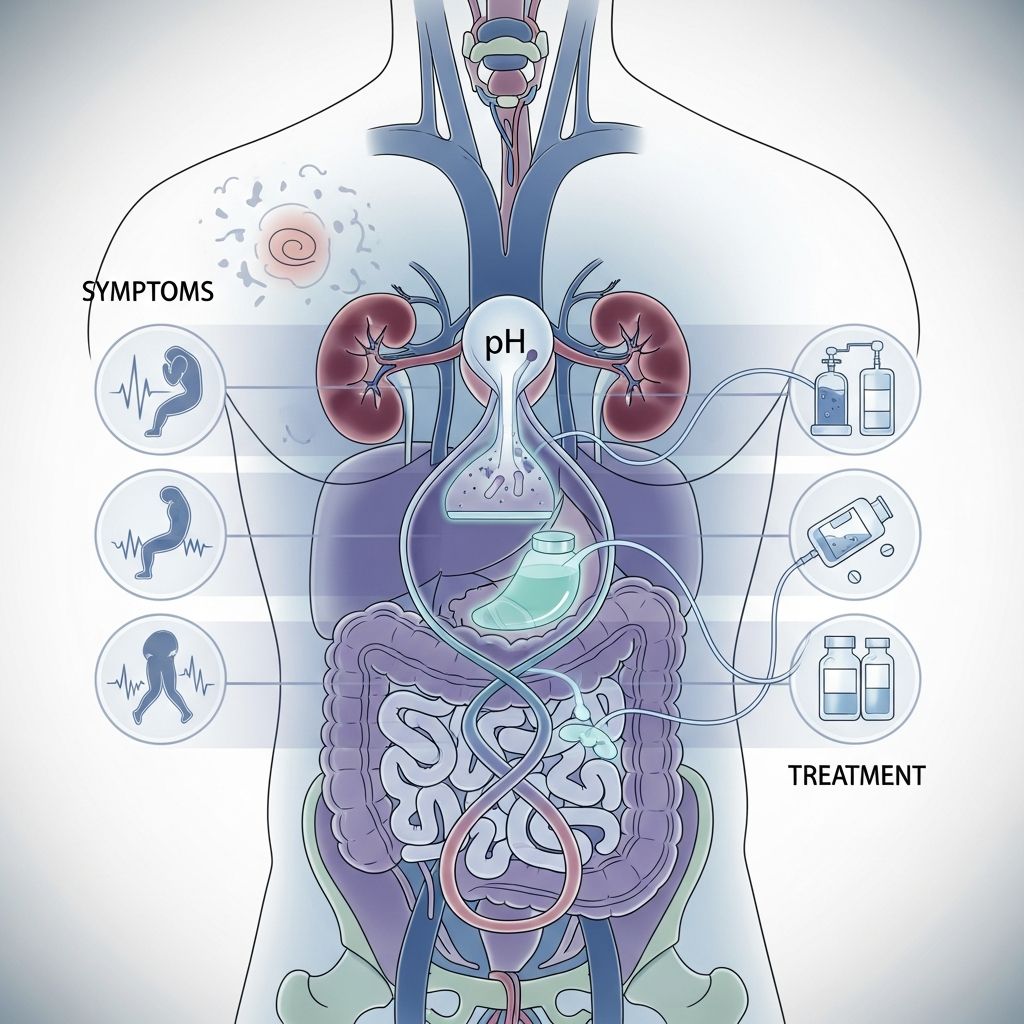
Understanding Metabolic Alkalosis
Metabolic alkalosis occurs when your blood is too alkaline (too basic) due to digestive or kidney issues. Alkaline is the opposite of acidic. Your blood’s acid-base balance is carefully regulated by your body to maintain optimal health and function. When this balance shifts toward excessive alkalinity, serious complications can develop that require prompt medical attention and appropriate management.
This condition develops when there is an excess of bicarbonate (a base) in your bloodstream or when too much acid is lost from your body. The body maintains a delicate pH balance between 7.35 and 7.45 for proper cellular function. When blood pH rises above 7.45, metabolic alkalosis occurs, disrupting normal bodily functions and potentially causing significant health problems if left untreated.
What Causes Metabolic Alkalosis?
Metabolic alkalosis can develop from various causes, which are generally categorized into two main types: chloride-responsive and chloride-resistant alkalosis. Understanding the underlying cause is essential for determining the most effective treatment approach.
Chloride-Responsive Causes
Chloride-responsive metabolic alkalosis involves loss or excess secretion of chloride, resulting in decreased renal exchange of chloride for bicarbonate and subsequent bicarbonate retention. This type typically corrects with intravenous administration of sodium chloride-containing fluids. Common causes include:
- Vomiting or nasogastric suction: Loss of gastric acid and chloride through repeated vomiting or stomach tube drainage is the most common cause of metabolic alkalosis. The body loses both acid and electrolytes, shifting the acid-base balance toward alkalinity.
- Diuretic use: Loop and thiazide diuretics increase the excretion of acid, potassium, and chloride while promoting bicarbonate retention. This is particularly common in patients taking medications for hypertension or heart failure.
- Contraction alkalosis: Volume depletion combined with loss of acid causes the kidneys to increase bicarbonate reabsorption to maintain blood volume.
- Post-hypercapnic alkalosis: Develops after respiratory acidosis resolves, when elevated compensatory bicarbonate levels persist.
- Cystic fibrosis and congenital chloride diarrhea: These conditions lead to excessive chloride loss through the gastrointestinal tract.
Chloride-Resistant Causes
Chloride-resistant metabolic alkalosis results from hyperaldosteronism with resultant volume expansion and increased distal sodium delivery. This type typically does not correct with sodium chloride-containing fluids and usually involves severe magnesium and potassium deficiency. These causes include:
- Primary hyperaldosteronism: Excessive aldosterone production leads to sodium reabsorption and potassium and hydrogen ion excretion.
- Excessive bicarbonate intake: Chronic ingestion of calcium carbonate antacids or sodium bicarbonate supplements can lead to alkalosis.
- Cushing’s syndrome: Elevated cortisol levels enhance sodium reabsorption and potassium excretion.
- Hypokalemia: Low potassium levels both cause and result from metabolic alkalosis, creating a self-perpetuating cycle.
Recognizing Symptoms of Metabolic Alkalosis
Related Stories



The symptoms of metabolic alkalosis vary depending on the severity of the condition and underlying causes. Some individuals may experience mild symptoms, while others with severe alkalosis can develop life-threatening complications.
Mild to Moderate Symptoms
In mild cases, patients may experience subtle symptoms that are sometimes overlooked:
- Muscle cramps and weakness
- Fatigue and general lethargy
- Mild confusion or difficulty concentrating
- Nausea and loss of appetite
- Tingling sensations (paresthesia) in extremities
- Apathy and decreased motivation
Severe Symptoms
Severe metabolic alkalosis can lead to serious neurological and cardiac complications:
- Headache and severe confusion
- Tetany (involuntary muscle contractions)
- Arrhythmias (irregular heartbeat)
- Muscle twitching and loss of muscular control
- Seizures in extreme cases
- Coma in life-threatening situations
Diagnosis of Metabolic Alkalosis
Accurate diagnosis of metabolic alkalosis requires a combination of clinical evaluation, laboratory testing, and careful analysis of the patient’s medical history and current medications.
Clinical Evaluation
The diagnostic process begins with a thorough clinical assessment. Healthcare providers will review your medical history, current medications (particularly diuretics and antacids), and recent gastrointestinal symptoms such as vomiting or diarrhea. A physical examination helps identify signs of dehydration, muscle weakness, or other relevant findings.
Arterial Blood Gas (ABG) Testing
The primary laboratory test for diagnosing metabolic alkalosis is arterial blood gas analysis. This test measures:
- pH: A pH greater than 7.45 indicates an alkalotic state, confirming the presence of alkalosis.
- Bicarbonate (HCO₃⁻): Elevated levels above 26 mEq/L confirm that the alkalosis has a metabolic origin.
- Partial pressure of carbon dioxide (PaCO₂): Typically elevated as the body attempts to compensate for alkalosis by retaining carbon dioxide. However, this compensation rarely brings the pH back to normal.
Serum Electrolyte Measurement
Laboratory testing of serum electrolytes is essential for understanding the underlying cause and guiding treatment decisions. Key measurements include:
- Potassium (K⁺): Hypokalemia (low potassium) is frequently associated with metabolic alkalosis and may require supplementation.
- Chloride (Cl⁻): Hypochloremia (low chloride) is often present and is crucial for classifying the type of alkalosis.
- Sodium (Na⁺): Helps assess volume status and guide fluid replacement therapy.
- Magnesium (Mg²⁺): Deficiency may complicate treatment and prolong recovery.
- Calcium (Ca²⁺): Important for assessing overall electrolyte status.
Urinary Chloride Measurement
In cases where the cause is unclear, measurement of urinary chloride helps differentiate between chloride-responsive and chloride-resistant alkalosis. Urine chloride less than 10 mEq/L indicates chloride-responsive alkalosis, while levels greater than 20 mEq/L suggest chloride-resistant alkalosis.
Treatment and Management Strategies
Effective management of metabolic alkalosis focuses on addressing the underlying cause while restoring normal acid-base balance and correcting electrolyte abnormalities.
Fluid Replacement Therapy
For chloride-responsive metabolic alkalosis, fluid replacement with normal saline (0.9% sodium chloride solution) is the primary treatment. Intravenous fluids are typically administered at rates of 50 to 100 mL/hour greater than urine output and other fluid losses until urinary chloride rises to greater than 25 mEq/L and urinary pH normalizes. This approach restores volume, replaces electrolytes, and allows the kidneys to excrete excess bicarbonate.
Electrolyte Correction
Restoring proper electrolyte balance is crucial for recovery. Specific interventions include:
- Potassium supplementation: Oral or intravenous potassium chloride corrects hypokalemia and helps restore acid-base balance.
- Chloride replacement: Essential for chloride-responsive alkalosis, typically provided through normal saline administration.
- Magnesium supplementation: Necessary when magnesium deficiency is present, particularly in chloride-resistant cases.
Medication Adjustment
Review and modification of current medications is essential. This includes reducing or discontinuing diuretics if possible, or switching to alternative agents if blood pressure or fluid management requires continued therapy.
Pharmacological Interventions
In specific situations, additional medications may be required:
- Acetazolamide (Diamox): A carbonic anhydrase inhibitor that promotes bicarbonate excretion by the kidneys. This medication is particularly useful in refractory cases where alkalosis persists despite standard treatment.
- Hydrochloric acid (HCl): Administered intravenously in severe cases when alkalosis is life-threatening and standard treatments are ineffective. This powerful acidifying agent directly lowers bicarbonate levels.
- Ammonium chloride: An alternative acidifying agent used in select cases to lower bicarbonate levels.
Prevention and Long-Term Management
Preventing metabolic alkalosis requires awareness of risk factors and appropriate medical management:
- Regular monitoring of electrolytes in patients taking diuretics prevents complications like metabolic alkalosis
- Limiting excessive use of antacids and bicarbonate-containing supplements
- Ensuring adequate fluid intake and electrolyte balance during gastrointestinal losses
- Appropriate management of underlying conditions like heart failure or hypertension
- Close follow-up care and laboratory monitoring during treatment
When to Seek Medical Attention
Contact a healthcare provider immediately if you experience persistent vomiting, severe muscle weakness, confusion, irregular heartbeat, or difficulty breathing. These symptoms may indicate severe metabolic alkalosis requiring urgent medical evaluation and treatment.
Frequently Asked Questions
Q: What is the difference between metabolic alkalosis and metabolic acidosis?
A: Metabolic alkalosis occurs when blood pH is too high (above 7.45) due to excess bicarbonate or acid loss, while metabolic acidosis occurs when blood pH is too low (below 7.35) due to excess acid or bicarbonate loss. They represent opposite acid-base disturbances requiring different treatment approaches.
Q: Can metabolic alkalosis be life-threatening?
A: Yes, severe metabolic alkalosis can be life-threatening. Severe cases can cause serious arrhythmias, seizures, and coma. Prompt diagnosis and appropriate treatment are essential for preventing complications.
Q: How is metabolic alkalosis different from respiratory alkalosis?
A: Metabolic alkalosis results from changes in bicarbonate levels or acid loss, while respiratory alkalosis results from excessive carbon dioxide elimination through rapid or deep breathing. They have different causes and treatment approaches.
Q: Can I treat metabolic alkalosis at home?
A: Mild cases may improve with increased fluid and electrolyte intake under medical supervision. However, moderate to severe metabolic alkalosis typically requires hospitalization and intravenous treatment. Always consult a healthcare provider for appropriate management.
Q: Is metabolic alkalosis reversible?
A: Yes, metabolic alkalosis is generally reversible with appropriate treatment addressing the underlying cause and restoring electrolyte balance. Early recognition and intervention improve outcomes significantly.
Q: What role does potassium play in metabolic alkalosis?
A: Hypokalemia (low potassium) is both a cause and consequence of metabolic alkalosis. Low potassium levels cause the kidneys to increase bicarbonate reabsorption, while alkalosis promotes urinary potassium loss, creating a self-perpetuating cycle that must be broken through potassium supplementation.
References
- Metabolic Alkalosis — Merck Manuals. 2024. https://www.merckmanuals.com/professional/endocrine-and-metabolic-disorders/acid-base-regulation-and-disorders/metabolic-alkalosis
- Physiology, Metabolic Alkalosis — StatPearls (NCBI Bookshelf). 2024. https://www.ncbi.nlm.nih.gov/books/NBK482291/
- Metabolic Alkalosis: Diagnosis and Management in Clinical Practice — RupaHealth. 2024. https://www.rupahealth.com/post/metabolic-alkalosis-diagnosis-and-management-in-clinical-practice
- Metabolic Alkalosis: Nursing Diagnoses, Care Plans, Assessment — NurseTogether. 2024. https://www.nursetogether.com/metabolic-alkalosis-nursing-diagnosis-care-plan/
- Electrolytes: Types, Purpose & Normal Levels — Cleveland Clinic. 2024. https://my.clevelandclinic.org/health/diagnostics/21790-electrolytes
- Metabolic Acidosis: Causes, Symptoms, Diagnosis & Treatment — Cleveland Clinic. 2024. https://my.clevelandclinic.org/health/diseases/24492-metabolic-acidosis
- Electrolyte Imbalance: Types, Symptoms, Causes & Treatment — Cleveland Clinic. 2024. https://my.clevelandclinic.org/health/symptoms/24019-electrolyte-imbalance
Similar Articles








Read full bio of medha deb