Metabolic Bone Disease: Types, Causes & Treatment
Understanding metabolic bone diseases: causes, symptoms, diagnosis, and comprehensive treatment options.
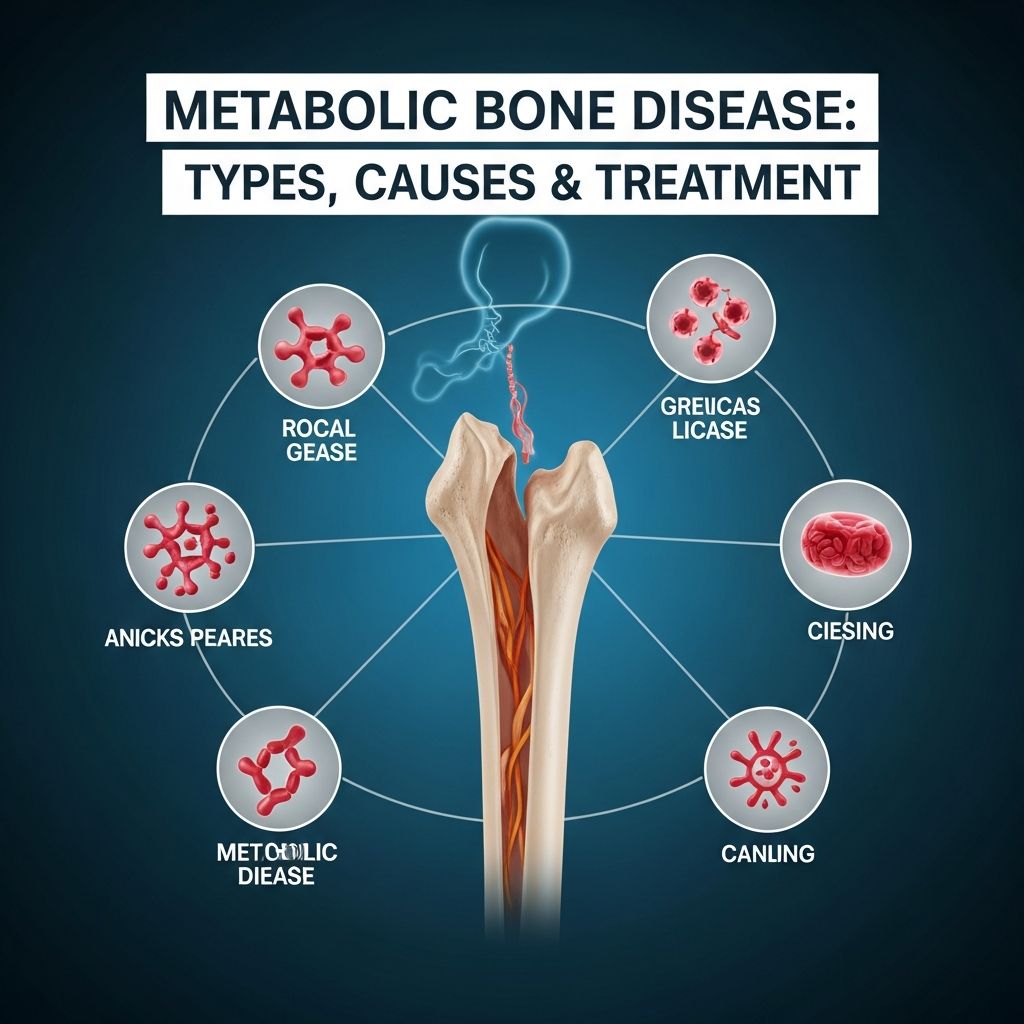
Understanding Metabolic Bone Disease
Metabolic bone disease encompasses a group of disorders that affect bone structure and function, resulting in various abnormalities and deformities. These conditions occur when the body’s ability to maintain healthy bone tissue is compromised, leading to weakened bones that are susceptible to fractures and deformity. Unlike localized bone problems, metabolic bone diseases represent systemic skeletal disorders that can affect multiple bones throughout the body simultaneously.
The fundamental issue with metabolic bone diseases lies in the imbalance between bone formation and bone resorption—the process by which old bone is broken down and removed from the body. When this delicate equilibrium is disrupted, either through decreased new bone formation or increased bone breakdown, the result is compromised bone quality and density.
Types of Metabolic Bone Diseases
Several distinct metabolic bone diseases affect individuals worldwide, each with unique characteristics and underlying causes. Understanding these different conditions is essential for proper diagnosis and treatment.
Osteoporosis
Osteoporosis is characterized by low bone mass and deterioration of bone tissue microarchitecture, leading to increased fragility and susceptibility to fracture. This condition develops when the tiny rigid plates forming the honeycomb-like structure within bone gradually become thinner and rod-like, with enlarging spaces between them. The bone becomes increasingly porous and weaker, prone to fracturing from minor traumas that would normally cause no injury.
Most patients with osteoporosis experience no symptoms in early stages, though some develop back pain. As the condition progresses and thoracic vertebrae become compressed, the spine may bend forward, creating the characteristic “dowager’s hump” appearance with accompanying loss of height. A sudden sharp pain in the back after minimal trauma or an unexpected loss of height may indicate a compression fracture of a vertebra.
Rickets
Rickets is a metabolic bone disease that primarily affects growing children, causing improper mineralization of the growth plates. This condition results in skeletal deformities, growth retardation, and weakened bones susceptible to fractures.
Osteomalacia
Osteomalacia, also known as adult rickets, involves inadequate mineralization of the bone matrix. Histologic examination reveals characteristic wide osteoid seams, reflecting the underlying problem of insufficient mineral deposition in bone.
Other Metabolic Bone Diseases
Additional metabolic bone conditions include osteogenesis imperfecta (brittle bone disease), marble bone disease or osteopetrosis (characterized by abnormally dense but paradoxically fragile bones), Paget disease of bone (involving abnormal bone remodeling), and fibrous dysplasia (where normal bone is replaced by fibrous tissue).
Bone Structure and Composition
To understand metabolic bone disease, it is important to recognize the complex composition of bone tissue. Bone consists of two major components: a protein matrix called osteoid and mineral complexes.
The osteoid comprises primarily a fibrous protein called collagen, which provides bone with flexibility and tensile strength. The mineral complexes are composed of crystals of calcium and phosphate, known as hydroxyapatite, embedded within the osteoid. These minerals impart hardness and compressive strength to bone.
Related Stories



Bone also contains nutritive cells called osteocytes, but the major metabolic activity is carried out by two cell types: osteoblasts, which generate the protein matrix and promote bone formation, and osteoclasts, which are large multinucleated cells that digest and dissolve bone components during the resorption process.
Causes and Risk Factors
Metabolic bone diseases arise from various underlying causes that disrupt normal bone metabolism and homeostasis.
Nutritional Deficiencies
Inadequate intake of calcium and vitamin D represents a primary risk factor for multiple metabolic bone diseases. Vitamin D is essential for calcium absorption in the intestines, and its deficiency leads to poor mineralization of bone. Phenytoin and other anti-seizure medications further impair vitamin D metabolism, increasing fracture risk.
Hormonal Factors
Hormonal imbalances significantly contribute to bone loss and metabolic bone disease. Oligomenorrhea and amenorrhea (irregular or absent menstrual periods) cause accelerated bone loss in women. Hyperthyroidism or excessive thyroxine supplementation that suppresses serum TSH levels also promote bone loss.
Lifestyle and Physical Activity
Lack of weight-bearing exercise is a major contributor to bone loss and metabolic bone disease development. Immobility and sedentary lifestyles result in thinning of bone due to absent weight-bearing forces that normally stimulate bone formation.
Gastrointestinal Factors
Conditions affecting nutrient absorption, such as celiac disease, inflammatory bowel disease, or post-surgical nutrient absorption problems, contribute to metabolic bone disease development. When calcium and other essential minerals are not properly absorbed, bones become demineralized and weakened.
Diagnostic Approaches
Accurate diagnosis of metabolic bone disease requires multiple assessment methods combining imaging, laboratory analysis, and clinical evaluation.
Bone Density Measurement
Most metabolic bone diseases are defined by the extent to which they reduce bone density. Bone density is measured in different bones using radiologic techniques, with commonly measured sites including the lumbar spine, hip, and radius (forearm bone). The most widely used procedure is dual X-ray absorptiometry (DXA or DEXA scan). For osteoporosis specifically, a T score of –2.5 (representing 2.5 standard deviations below normal peak bone density based on sex and genetic background) or lower defines the condition.
Bone Turnover Markers
Blood and urine studies assess bone turnover by measuring breakdown products of bone-specific proteins, including n-telopeptide (NTX), C-telopeptide (CTX), and deoxypyridinoline crosslinks (Pyrilinks-D). These markers can predict bone loss over one to two years and help monitor treatment response. A 30% decrease in marker values is considered indicative of treatment response, with measurements repeated three months after initiating therapy.
Histologic Examination
When fragility fractures occur or bone biopsy is required, pathologic examination reveals distinctive histologic features specific to different metabolic bone diseases, such as tunneling resorption in hyperparathyroidism, wide osteoid seams in osteomalacia, and bone marrow edema in transient osteoporosis. Histologic findings must always be correlated with clinical and radiographic features.
Clinical Manifestations
The symptoms and signs of metabolic bone disease vary depending on the specific condition, severity, and affected skeletal sites. In clinical terms, metabolic bone diseases may result in bone pain and loss of height due to vertebral compression.
Patients often experience progressive height loss as vertebral bodies compress, and some develop back pain. Kyphosis (forward curvature of the spine) becomes increasingly apparent with advancing disease. The most serious consequence is increased fracture risk; affected individuals may sustain fractures from minimal trauma or even routine activities such as sneezing or minor falls.
Treatment and Management Options
Several therapeutic approaches play different roles in preventing bone loss, reducing fracture risk, and rebuilding bone tissue.
Hormone Replacement Therapy
Estrogen replacement therapy may be used to prevent osteoporosis in postmenopausal women; however, it is typically reserved as a last resort when other medications prove ineffective.
Bone-Resorption Inhibitors
Multiple drug classes decrease bone resorption and prevent further bone loss:
- Raloxifene: An estrogen-like drug that decreases bone resorption
- Bisphosphonate drugs: Including risedronate and alendronate, these potent agents significantly reduce bone resorption
- Calcitonin: A hormone that inhibits osteoclast activity and bone resorption
Nutritional Management
Adequate calcium and vitamin D intake is fundamental to metabolic bone disease management. Daily calcium intake of 1,500 mg through diet and supplements is recommended, while 800 international units of vitamin D daily is needed to increase bone mass.
Lifestyle Modifications
Weight-bearing exercise programs improve bone density and strengthen supporting muscles. Dietary counseling addresses nutritional deficiencies and promotes calcium and vitamin D intake. Addressing underlying metabolic abnormalities, such as thyroid hormone imbalance, parathyroid dysfunction, or calcium malabsorption, is essential for comprehensive treatment.
Fracture Risk Assessment and Prevention
Identifying individuals at high fracture risk allows for targeted prevention strategies. Factors indicating increased risk include positive family history of osteoporosis, chronic thyroxine use, height loss of greater than two inches, vertebral deformity, any low-trauma fracture, or fractures where the degree of trauma is disproportionate to the injury severity.
Frequently Asked Questions
Q: What is the difference between osteoporosis and osteomalacia?
A: Osteoporosis involves decreased bone density with normal mineralization, while osteomalacia represents inadequate mineralization of the bone matrix with characteristic wide osteoid seams on histology. Both conditions increase fracture risk but through different mechanisms.
Q: How often should bone density screening occur?
A: Medicare covers bone density measurement once every two years for eligible beneficiaries. More frequent central bone densitometry may be covered if medically necessary, such as with chronic steroid use or to confirm screening findings.
Q: Can metabolic bone disease be prevented?
A: Yes, preventive measures include adequate calcium and vitamin D intake, regular weight-bearing exercise, avoiding smoking and excessive alcohol, and managing underlying hormonal conditions. Early intervention can prevent progression and maintain independence and quality of life.
Q: Which medications are most effective for treating osteoporosis?
A: Bisphosphonate drugs such as risedronate and alendronate are first-line agents that effectively reduce bone resorption and fracture risk. Other options include raloxifene, calcitonin, and in specific cases, hormone replacement therapy.
Q: What role do osteoblasts and osteoclasts play in metabolic bone disease?
A: Osteoblasts build new bone by generating the protein matrix, while osteoclasts break down old bone through resorption. Metabolic bone diseases result from imbalance in this remodeling process, with either decreased osteoblast activity or excessive osteoclast activity.
References
- Metabolic bone disease | Causes, Symptoms & Treatment — Britannica Encyclopedia. 2024. https://www.britannica.com/science/metabolic-bone-disease
- The histology of metabolic bone disease — Johns Hopkins University, Department of Pathology. 2024. https://pure.johnshopkins.edu/en/publications/the-histology-of-metabolic-bone-disease
- Bone Health and Metabolic Bone Diseases — Johns Hopkins Division of Diabetes, Endocrinology and Metabolism. 2024. https://www.hopkinsmedicine.org/health/conditions-and-diseases/metabolic-bone-disease
- Osteoporosis Update — Johns Hopkins Arthritis Center. 2023. https://www.hopkinsarthritis.org/physician-corner/education/osteoporosis-update/
- Osteoporosis Information — Johns Hopkins Arthritis Center. 2023. https://www.hopkinsarthritis.org/arthritis-info/osteoporosis-info/
- Primer on the Metabolic Bone Diseases and Disorders of Mineral Metabolism — Johns Hopkins University School of Medicine. 2024. https://pure.johnshopkins.edu/en/publications/primer-on-the-metabolic-bone-diseases-and-disorders-of-mineral-me-6/
Similar Articles








Read full bio of medha deb