Metabolic Syndrome: Guide To Diagnosis & Management
Comprehensive guide to metabolic syndrome: causes, diagnosis, skin manifestations, and management strategies for better health.
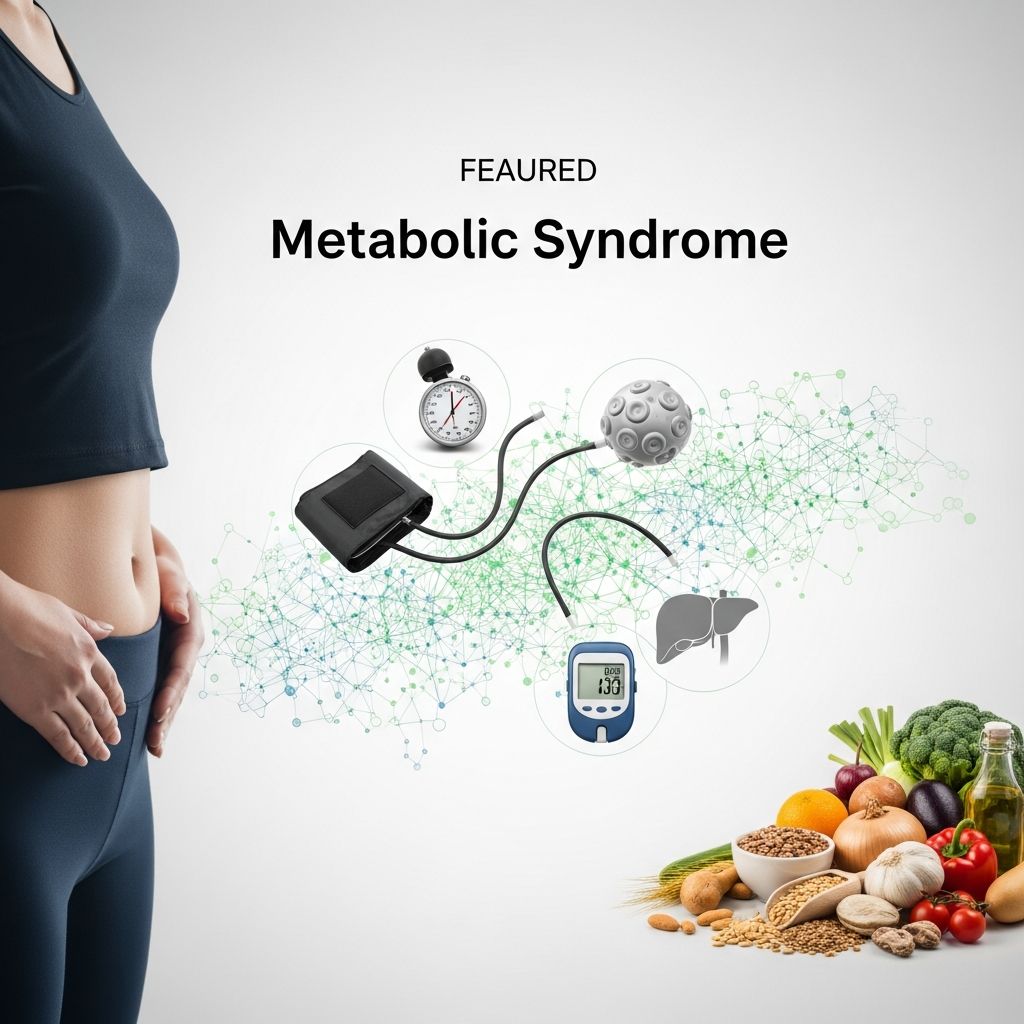
Author: Dr. Amanda Oakley, Dermatologist, Hamilton, New Zealand.
What is metabolic syndrome?
Metabolic syndrome refers to the presence of three or more cardiovascular risk factors, including insulin resistance, central obesity, hypertension, atherogenic dyslipidaemia and prothrombotic tendency. These factors together markedly increase the risk of type 2 diabetes mellitus (T2DM), atherosclerotic cardiovascular disease (ASCVD) and non-alcoholic fatty liver disease (NAFLD).
The syndrome is also known by other names such as syndrome X, insulin resistance syndrome and the deadly quartet (obesity, hypertension, hypertriglyceridaemia and T2DM).
Who gets metabolic syndrome (epidemiology)?
- Metabolic syndrome is present in 20–25% of adults worldwide.
- It is more common in certain ethnic groups such as Asians, Hispanics, Polynesians and Maori.
- Prevalence increases with age and obesity.
Diagnostic criteria for metabolic syndrome
The diagnostic criteria for metabolic syndrome have been defined by several organisations. The most widely used criteria are those from the National Cholesterol Education Program Adult Treatment Panel III (NCEP-ATP III), the International Diabetes Federation (IDF), and the World Health Organization (WHO).
NCEP-ATP III criteria (2001, updated 2005): Presence of three or more of the following:
| Factor | Criterion |
|---|---|
| Central obesity | Waist circumference > 102 cm in men, > 88 cm in women |
| Hypertriglyceridaemia | ≥ 150 mg/dL (1.7 mmol/L) or drug treatment |
| Low HDL cholesterol | < 40 mg/dL (1.03 mmol/L) in men, < 50 mg/dL (1.3 mmol/L) in women or drug treatment |
| Hypertension | ≥ 130/85 mmHg or drug treatment |
| Fasting hyperglycaemia | ≥ 100 mg/dL (5.6 mmol/L) |
IDF criteria (2006): Central obesity (waist circumference ethnic/race-specific) plus any two of the following:
- Triglycerides ≥ 150 mg/dL (1.7 mmol/L) or drug treatment
- HDL cholesterol < 40 mg/dL (1.03 mmol/L) in men, < 50 mg/dL (1.3 mmol/L) in women or drug treatment
- Systolic BP ≥ 130 mmHg or diastolic ≥ 85 mmHg or drug treatment
- Fasting plasma glucose ≥ 100 mg/dL (5.6 mmol/L)
Waist circumference thresholds for central obesity (IDF):
| Ethnic group | Men (cm) | Women (cm) |
|---|---|---|
| Europids | ≥ 94 | ≥ 80 |
| South Asians | ≥ 90 | ≥ 80 |
| Chinese | ≥ 90 | ≥ 80 |
| Japanese | ≥ 85 | ≥ 90 |
| Ethnic South/Central Americans | Use Europid data until more data available | Use Europid data until more data available |
The IDF consensus worldwide definition (2009) harmonised the criteria, stating that for any given population, the waist circumference threshold that is linked to increased risk should be used.
Pathophysiology of metabolic syndrome
Visceral obesity is the key underlying abnormality. Excess adipose tissue releases non-esterified fatty acids (NEFA) and adipokines that result in insulin resistance.
Insulin resistance is the impaired ability of insulin to inhibit hepatic glucose output or stimulate peripheral glucose disposal in skeletal muscle.
Hyperinsulinaemia (raised circulating insulin levels) results.
The following abnormalities arise:
- Increased hepatic glucose production and increased gluconeogenesis
- Increased lipolysis in adipose tissue leading to raised NEFA levels and hepatic triglyceride accumulation
- Hypertension
- Endothelial dysfunction
- Atherogenic dyslipidaemia (high triglycerides, low HDL cholesterol)
- Prothrombotic state
- Proinflammatory state
Clinical features of metabolic syndrome
Metabolic syndrome is often asymptomatic until complications develop.
Related Stories



Clinical signs include:
- Central obesity
- Acantosis nigricans
- Skin tags
- Hirsutism in women
Acanthosis nigricans
Acanthosis nigricans is a velvety thickening and hyperpigmentation of the skin in flexures, particularly the nape of the neck, axillae and groin.
It is a cutaneous marker of insulin resistance.
Skin tags
Skin tags are small, soft, pedunculated skin-coloured papules that commonly occur on the neck.
They are associated with insulin resistance and metabolic syndrome.
Hirsutism
Hirsutism is excessive male-pattern hair growth in women.
It may be associated with polycystic ovary syndrome (PCOS), which often coexists with metabolic syndrome.
Complications of metabolic syndrome
- Atherosclerotic cardiovascular disease (2-fold risk)
- Type 2 diabetes mellitus (5-fold risk)
- Non-alcoholic fatty liver disease (NAFLD)
- Obstructive sleep apnoea
- Chronic kidney disease
- Polycystic ovary syndrome
- Cancer (breast, colon, endometrium)
Investigations for metabolic syndrome
Diagnosis is clinical based on the presence of risk factors.
Investigations confirm the individual components:
- Measure waist circumference
- Blood pressure
- Fasting blood glucose or HbA1c
- Fasting lipid profile
- Liver function tests (for NAFLD)
- OGTT if needed
Management of metabolic syndrome
The goals of management are to:
- Reduce weight
- Improve insulin sensitivity
- Lower blood pressure
- Normalise lipids
- Prevent complications
Lifestyle modification
Weight loss: 5–10% body weight loss improves all parameters.
Diet:
- Calorie restriction
- Low glycaemic index foods
- Mediterranean diet: high in fruits, vegetables, whole grains, fish, olive oil
- Reduce refined carbohydrates, saturated fats, trans fats
Physical activity: ≥ 150 min/week moderate aerobic exercise + resistance training.
Pharmacotherapy
- Hypertension: ACE inhibitors, ARBs, calcium channel blockers, diuretics
- Dyslipidaemia: Statins, fibrates, omega-3 fatty acids, ezetimibe
- Hyperglycaemia: Metformin, GLP-1 agonists, SGLT2 inhibitors
- Anti-obesity medications: Orlistat, liraglutide, semaglutide
Bariatric surgery
Considered for BMI ≥ 40 kg/m² or ≥ 35 kg/m² with complications.
Prevention of metabolic syndrome
- Maintain healthy weight
- Healthy diet
- Regular physical activity
- Avoid smoking
- Limit alcohol
- Screening in at-risk individuals
Skin care in metabolic syndrome
Treat acanthosis nigricans and skin tags if symptomatic.
- Acanthosis nigricans: Improve insulin sensitivity; topical retinoids, calcipotriol
- Skin tags: Cryotherapy, electrosurgery, snip excision
Frequently Asked Questions (FAQs)
Q: Who is at risk for metabolic syndrome?
A: Risk is higher in those with obesity, family history of diabetes/CVD, certain ethnicities (Asians, Hispanics), age >40 years, sedentary lifestyle.
Q: Can metabolic syndrome be reversed?
A: Yes, through sustained lifestyle changes including weight loss, diet, and exercise, many components can be reversed.
Q: What is the role of diet in managing metabolic syndrome?
A: A Mediterranean-style diet low in refined carbs and high in fibre, healthy fats, and lean proteins is recommended.
Q: Are there specific skin signs of metabolic syndrome?
A: Yes, acanthosis nigricans, skin tags, and hirsutism are common cutaneous markers.
Q: When should I see a doctor for metabolic syndrome?
A: If you have central obesity plus two other risk factors, or symptoms like skin changes, seek evaluation.
References
- Metabolic Syndrome – StatPearls – NCBI Bookshelf — National Center for Biotechnology Information (NCBI). 2023-07-17. https://www.ncbi.nlm.nih.gov/books/NBK459248/
- Metabolic Syndrome — Merck Manuals Professional Edition. 2024-05-01. https://www.merckmanuals.com/professional/nutritional-disorders/obesity-and-the-metabolic-syndrome/metabolic-syndrome
- A practical guide to metabolic syndrome — Clinical Advisor. 2023-11-15. https://www.clinicaladvisor.com/features/a-practical-guide-to-metabolic-syndrome/
- Guidelines for Metabolic Syndrome — Society for Endocrinology. 2011-02-01. https://socendocrinology.com/wp-content/uploads/2011/02/Metabolic-Syndrome-Guideline-Standalone.pdf
- Your Guide to Navigating Metabolic Syndrome — Banner Health. 2024-01-10. https://www.bannerhealth.com/healthcareblog/teach-me/your-guide-to-navigating-metabolic-syndrome
Similar Articles








Read full bio of medha deb