Metals And Eczema: 5 Common Triggers To Watch
Discover how everyday metals like nickel and cobalt spark eczema flares and learn practical strategies to protect your skin from hidden irritants.
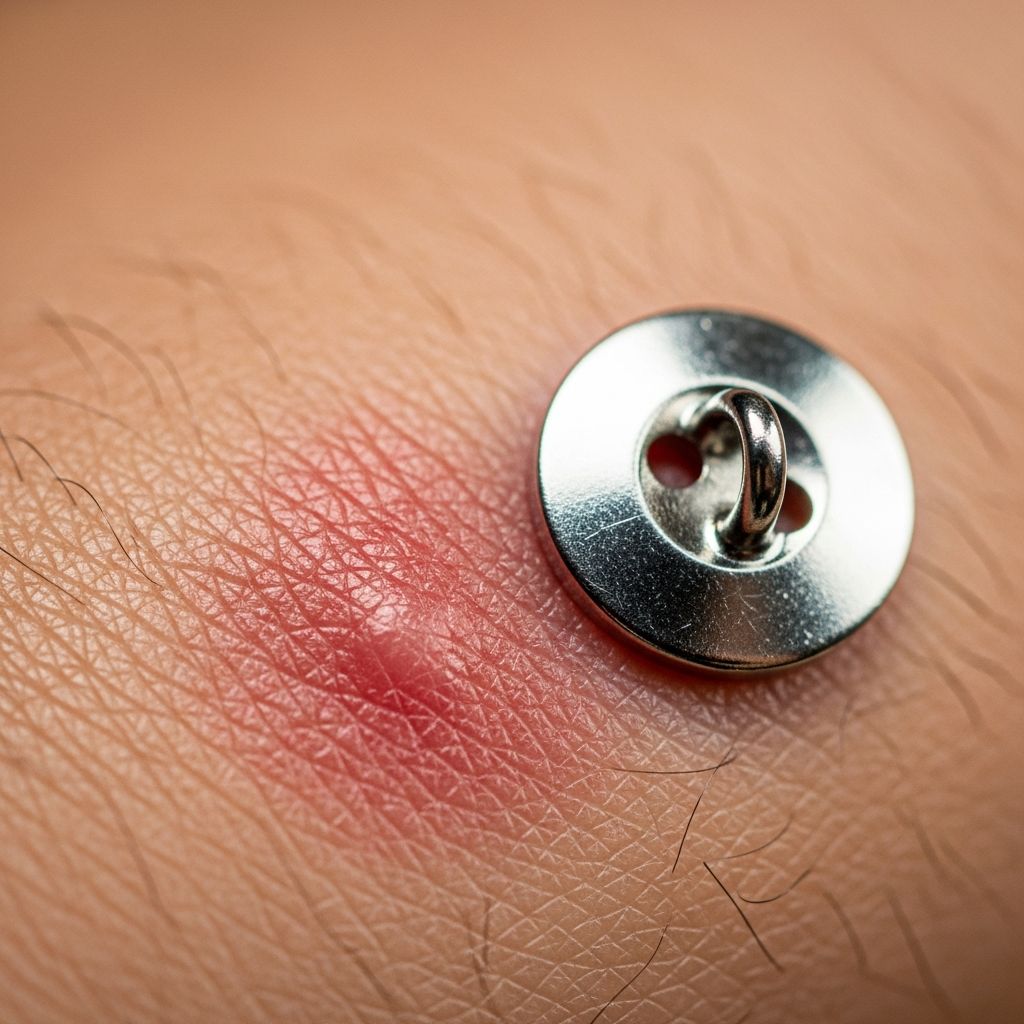
Everyday exposure to certain metals can ignite eczema flare-ups, transforming simple accessories into sources of persistent skin distress. This reaction, often manifesting as allergic contact dermatitis, affects millions who unknowingly come into contact with allergens like nickel and cobalt through jewelry, clothing fasteners, and household items.
Understanding the Connection Between Metals and Skin Inflammation
Eczema, or atopic dermatitis, involves chronic skin inflammation characterized by itchiness, redness, and barrier dysfunction. When metals penetrate the skin barrier, they provoke an immune response that exacerbates these symptoms. Unlike irritant contact dermatitis, which stems from direct damage, allergic reactions involve sensitization where the body mistakenly identifies metal ions as threats.
Industrialization has amplified metal exposure, embedding these elements in consumer products. Sweat and skin oils facilitate metal ion release, enhancing absorption through compromised skin layers. Individuals with pre-existing eczema face heightened risks due to their inherently fragile skin barrier.
Primary Metals Responsible for Eczema Reactions
Several metals stand out as potent eczema triggers due to their prevalence and sensitizing properties.
- Nickel: Ubiquitous in costume jewelry, zippers, coins, and eyeglass frames, nickel tops the list of culprits. It ionizes easily, binding to skin proteins and sparking T-cell mediated responses.
- Cobalt: Often alloyed with nickel, this metal appears in jewelry, tools, and even some dyes. Cobalt sensitivity frequently co-occurs with nickel allergy, intensifying dyshidrotic eczema.
- Chromium: Present in stainless steel, leather tanned with chromate, and cement, it triggers reactions in occupational settings and everyday wear.
- Gold and Copper: Though less common, these can elicit responses, particularly in those with multiple sensitivities. Gold in jewelry and copper in pipes or cookware pose risks.
These metals’ electrophilic nature allows them to form haptens—complexes with skin proteins—that alert the immune system, leading to inflammation.
Recognizing Symptoms of Metal-Induced Eczema
Symptoms typically emerge 12-48 hours post-exposure, distinguishing them from immediate irritant reactions. Initial signs include localized redness and itching at contact sites, progressing to eczematous changes.
| Symptom | Description | Common Sites |
|---|---|---|
| Rash and Redness | Patchy erythema with possible bumps | Ears, wrists, neck |
| Itching and Burning | Intense pruritus, stinging sensation | Fingers, under rings |
| Blisters and Vesicles | Fluid-filled lesions that weep | New piercings, belt lines |
| Dryness and Cracking | Leathery, fissured skin | Hands, eyelids |
| Systemic Spread | Generalized eczema or hand dermatitis | Body-wide in severe cases |
In sensitive individuals, prolonged contact leads to chronic changes like hyperkeratosis or lichenification. Systemic contact dermatitis (SCD) may arise from ingested metals, causing widespread eruptions or ”baboon syndrome”—a symmetric rash in flexures.
How Metals Penetrate and Provoke Skin Reactions
Metal ions dissolve in sweat, traversing the stratum corneum more readily in damaged skin. This process sensitizes dendritic cells, priming memory T-cells for future encounters. Factors amplifying risk include:
- Moisture from perspiration or humidity.
- Friction from accessories like watches.
- Barrier disruption from existing eczema or dry skin.
- Genetic predisposition, with females showing higher nickel sensitivity rates.
Systemic exposure via diet—nickel-rich foods like chocolate, nuts, or canned goods—can flare distant eczema sites, complicating diagnosis.
Related Stories



Diagnosis: Identifying Metal Allergies Accurately
Patch testing remains the gold standard, applying diluted metal salts to the back for 48 hours, then assessing reactions over 96 hours. Positive responses indicate sensitization. For SCD suspicion, oral challenges with metals under supervision confirm systemic links, though they risk flares.
Differentiate from irritants via history: allergic patterns recur at specific sites despite removal. Blood tests for metal-specific IgE are unreliable; clinical correlation is key.
Prevention Tactics for Metal-Sensitive Skin
Avoidance forms the cornerstone of management.
- Choose Hypoallergenic Materials: Opt for surgical stainless steel, titanium, platinum, or 14-18 karat gold (low nickel).
- Barrier Methods: Apply clear nail polish over rings or use jewelry coatings.
- Clothing and Accessories: Select nickel-free fasteners; test with dimethylglyoxime kits.
- Dietary Adjustments: For SCD, low-nickel diets excluding soy, oats, and legumes reduce flares.
- Workplace Precautions: Gloves for metal handling; awareness in construction or manufacturing.
Regulatory limits, like EU nickel release standards (0.5 µg/cm²/week), guide safer products.
Treatment Options for Metal-Triggered Eczema
Acute flares demand prompt intervention:
- Topicals: Mid-potency corticosteroids like triamcinolone reduce inflammation; calcineurin inhibitors for face.
- Antihistamines: Oral options like cetirizine alleviate itch.
- Wet Wraps: Enhance penetration and soothe severe cases.
- Systemic Therapies: For refractory SCD, immunosuppressants or biologics like dupilumab target inflammation.
Disulfiram chelates nickel effectively in select cases, though monitoring is essential.
Long-Term Management and Lifestyle Integration
Sustained relief requires vigilance. Track exposures via apps, rotate hypoallergenic jewelry, and moisturize daily to fortify the skin barrier. Patient education empowers adherence, reducing recurrence by up to 80%.
Consult dermatologists for personalized plans, especially with implants—pre-surgical patch testing prevents complications like prosthesis failure.
FAQs on Metals and Eczema
Can metal allergies cause eczema beyond the contact area?
Yes, systemic contact dermatitis from dietary or inhaled metals can trigger widespread eczema, including hand or generalized forms.
Is stainless steel safe for eczema-prone skin?
Not always; it may contain nickel leaching over time. Surgical-grade (316L) is preferable.
How long does a metal allergy reaction last?
With allergen removal and treatment, 1-4 weeks; chronic exposure prolongs it.
Are children at risk from metal toys?
Absolutely; nickel-plated toys can sensitize young skin during play.
Does gold jewelry ever trigger eczema?
Pure gold rarely does, but alloys with nickel commonly do.
By recognizing and mitigating metal exposures, those with eczema can reclaim comfort and confidence in daily life.
References
- Metal Allergy and Systemic Contact Dermatitis: An Overview — Thyssen JP, Menné T, et al. PMC. 2012-05-22. https://pmc.ncbi.nlm.nih.gov/articles/PMC3369403/
- Nickel allergy – Symptoms & causes — Mayo Clinic Staff. Mayo Clinic. 2023-10-12. https://www.mayoclinic.org/diseases-conditions/nickel-allergy/symptoms-causes/syc-20351529
- Skin Irritation by Metal Allergy from Jewelry — Becker ENT & Allergy. Beckerentandallergy. 2024-01-15. https://www.beckerentandallergy.com/blog/metal-allergy-from-jewelry
- Metal Allergy — Allergy Partners. Allergypartners. 2023-08-05. https://www.allergypartners.com/conditions/skin/metal-allergy/
- Nickel Allergy: Rash, Symptoms, Testing, Treatment & Prevention — Cleveland Clinic Staff. Cleveland Clinic. 2024-02-10. https://my.clevelandclinic.org/health/diseases/17842-nickel-allergy
Similar Articles








Read full bio of medha deb