Metastatic Breast Cancer In Bones: What You Need To Know
Understanding symptoms, diagnosis, treatment options, and prognosis for breast cancer that spreads to the bones.
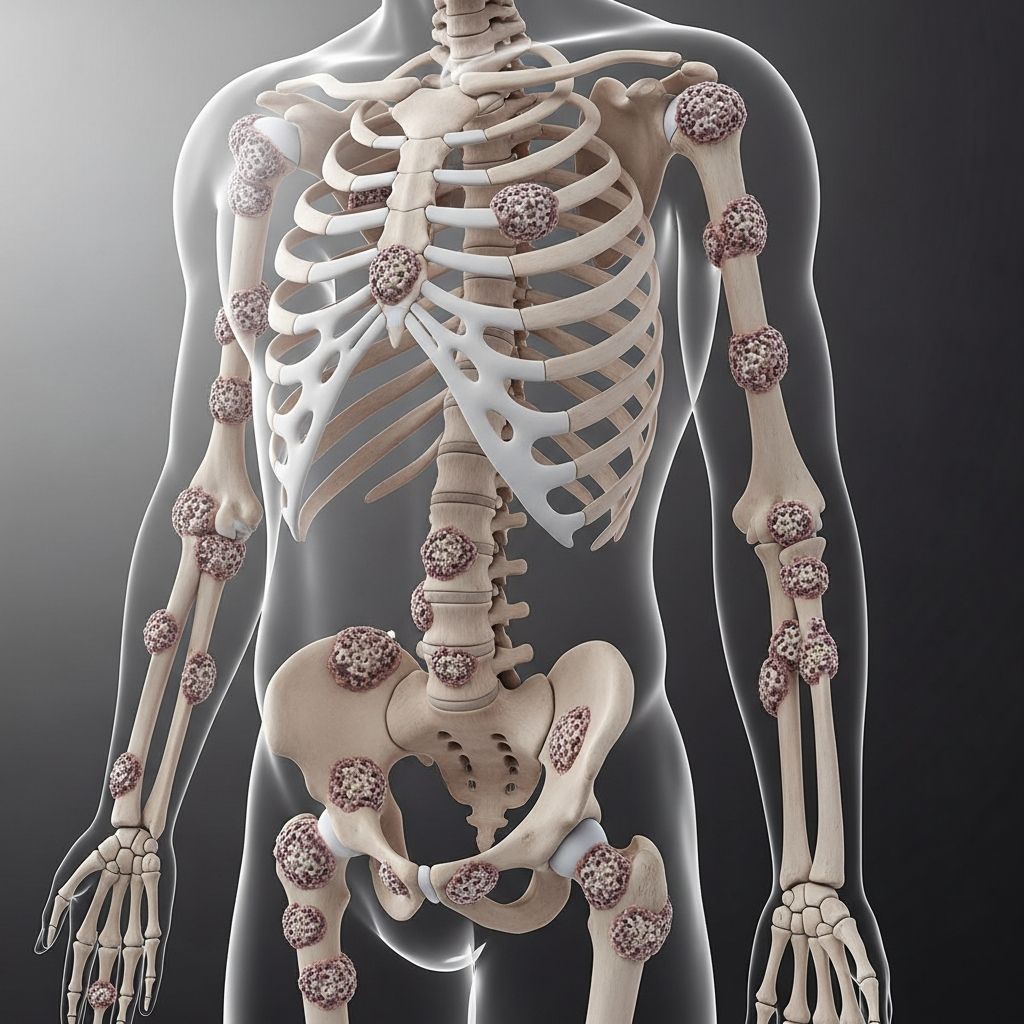
Metastatic breast cancer in the bones occurs when breast cancer cells spread from the breast to the skeletal system, most commonly affecting the spine, pelvis, ribs, and long bones in the arms and legs. This condition impacts over 70% of people with metastatic breast cancer, making it the most frequent site of metastasis. Although the cancer originates in the breast, bone metastases remain responsive to breast cancer treatments and can be managed to improve quality of life and extend survival.
What Is Metastatic Breast Cancer in the Bones?
Metastatic breast cancer, also known as stage IV or advanced breast cancer, means the cancer has spread beyond the breast and nearby lymph nodes to distant organs, with bones being the primary target in more than half of cases. Bone-only metastases, where cancer is confined solely to the bones without visceral involvement, are associated with better outcomes, particularly in hormone receptor-positive (HR+) subtypes, which comprise about 85% of such cases. The median time from primary diagnosis to bone-only metastasis is around 37 months, often following a period of dormancy in the bone marrow.
Cancer cells travel through the bloodstream or lymphatic system to the bones, where they disrupt normal bone remodeling. Bones naturally break down old tissue (osteolysis) and build new tissue; metastatic cells accelerate breakdown, leading to weakened structures, or overstimulate new bone formation, causing rigid growths. This process aligns with Paget’s ‘seed and soil’ hypothesis, where bone provides a favorable microenvironment, especially for estrogen receptor-positive (ER+) tumors.
Symptoms of Metastatic Breast Cancer in the Bones
Bone metastases may be asymptomatic initially, but as they progress, symptoms become prominent. The most common is persistent bone pain, described as severe and worsening, especially in the back, hips, ribs, or extremities. Pain often intensifies at rest or night, distinguishing it from arthritis or strain. Other signs include:
- Pathologic fractures: Bones weaken and break easily from minor trauma, unlike osteoporosis-related fractures.
- Joint swelling: Inflammation around affected areas like the knees or hips.
- Hypercalcemia: Excess calcium release causes nausea, vomiting, constipation, confusion, and fatigue.
- Neurological issues: Spinal involvement can compress nerves, leading to weakness, numbness, or loss of bowel/bladder control.
- Mobility problems: Leg or arm weakness hinders daily activities.
Early detection of these symptoms is crucial, as prompt intervention prevents complications like fractures.
Causes and Risk Factors
Breast cancer preferentially metastasizes to bones due to biological affinities, particularly in HR+ tumors, which relapse later (often after 36 months) and show indolent behavior. Factors promoting spread include:
- Hormone receptor status: 85% of bone-only cases are HR+.
- Tumor dormancy: Cells lie inactive in bone marrow for years before reactivating.
- Molecular pathways: Transforming growth factor-β, Src kinase, and epithelium-to-mesenchyme transition facilitate bone homing.
- Primary tumor characteristics: Low histologic grade and late relapse (disease-free survival ≥36 months) increase bone-only risk.
While any breast cancer subtype can spread to bones, HR+ dominates bone-only presentations, with HER2+ and triple-negative being rarer (8.2% and 6.8%, respectively).
Diagnosis of Bone Metastases
Diagnosis begins with imaging and blood tests when symptoms or routine scans suggest spread. Common methods include:
- Bone scans: Inject radioactive tracer highlights ‘hot spots’ of high bone turnover.
- X-rays, CT, MRI: Detail bone damage, fractures, or soft tissue extension. MRI excels for spinal assessment.
- PET/CT: Detects metabolically active cancer sites body-wide.
- Blood tests: Elevated alkaline phosphatase (ALP) or calcium indicates bone involvement.
- Biopsy: Confirms breast cancer cells via needle sample under imaging guidance.
Related Stories



In bone-only cases, median involved bones are 2 (range 1-5), with spine most common (55.5%). Extensive disease (≥10 bones) occurs in 23.3%.
Treatment Options for Metastatic Breast Cancer in Bones
Treatment combines systemic breast cancer therapies with bone-specific interventions to control cancer, strengthen bones, and alleviate pain. Systemic options include:
- Hormone therapy: For HR+ cancers, drugs like tamoxifen or aromatase inhibitors.
- Chemotherapy, targeted therapy (e.g., HER2 inhibitors), immunotherapy: Tailored to subtype.
Bone-targeted therapies are essential:
Bone-Strengthening Medications
Bisphosphonates (e.g., zoledronic acid) and denosumab inhibit osteoclasts, reducing breakdown and events like fractures by 15-20%. Administered IV every 3-4 weeks.
Radiation Therapy
External beam radiation targets painful lesions, providing relief in 60-80% of cases within days.
Surgery and Procedures
| Procedure | Purpose | Details |
|---|---|---|
| Vertebroplasty/Kyphoplasty | Stabilize vertebrae, relieve pain | Bone cement injected via small incision under CT guidance. |
| Internal fixation | Prevent/treat fractures | Rods, pins, screws support weakened bones. |
| Tumor resection | Remove mass | For isolated, symptomatic lesions. |
These local therapies complement systemic treatment, especially for impending fractures.
Prognosis and Survival
Bone-only metastases confer favorable prognosis compared to visceral disease, with median survival longer in HR+ cases. In one study, patients had excellent outcomes, with progression often to bone (73.3%) before lungs (19.2%). Overall, bone mets respond well, but monitoring prevents progression. Factors improving outlook: HR+ status, limited sites, response to endocrine therapy.
Living with Bone Metastases
Management focuses on symptom control and quality of life:
- Pain management: Analgesics, nerve blocks, palliative radiation.
- Physical therapy: Maintains mobility, prevents falls.
- Nutritional support: Calcium, vitamin D to combat hypercalcemia.
- Support groups: Emotional coping via organizations like Susan G. Komen.
- Lifestyle: Weight-bearing exercise, fall prevention.
Regular monitoring with scans tracks progression.
Frequently Asked Questions (FAQs)
What are the first signs of breast cancer in the bones?
The earliest symptom is often new, persistent bone pain in the back, hips, or limbs that worsens at rest.
Can bone metastases from breast cancer be cured?
No, metastatic cancer is not curable but manageable with treatments extending life and controlling symptoms.
How common is bone spread in metastatic breast cancer?
About 70% of metastatic cases involve bones, the most frequent site.
Does bone-only metastasis mean better survival?
Yes, especially in HR+ subtypes, with indolent behavior and good treatment response.
What treatments strengthen bones affected by cancer?
Bisphosphonates, denosumab, radiation, and surgical stabilization.
References
- Implications of Bone-Only Metastases in Breast Cancer — NIH/PMC. 2011-07-31. https://pmc.ncbi.nlm.nih.gov/articles/PMC3138922/
- Metastatic Breast Cancer Explained: Symptoms, Diagnosis & More — National Breast Cancer Foundation. 2025. https://www.nationalbreastcancer.org/metastatic-breast-cancer/
- Bone Metastasis: Symptoms, Diagnosis, and Treatments — Breastcancer.org. 2025-10-01. https://www.breastcancer.org/types/metastatic/bone-metastasis
- Metastatic Breast Cancer Facts and Statistics — Susan G. Komen. 2025. https://www.komen.org/breast-cancer/facts-statistics/what-is-breast-cancer/metastatic-breast-cancer/
Similar Articles








Read full bio of medha deb