Metatarsalgia: Causes, Symptoms, Diagnosis & Treatment
Understand the causes, symptoms, and treatment options for metatarsalgia to regain pain-free mobility.
What Is Metatarsalgia?
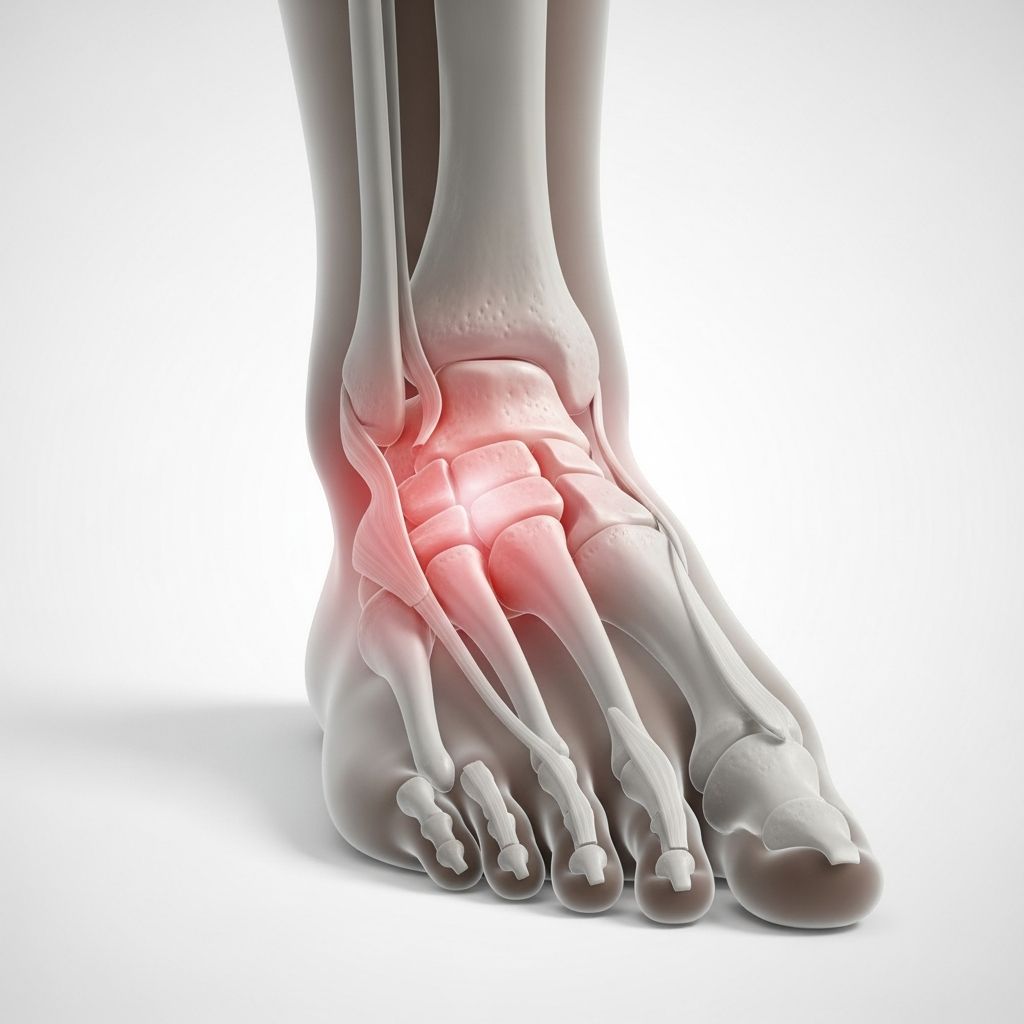
Metatarsalgia is a common foot condition characterized by pain and inflammation in the ball of the foot, specifically beneath the metatarsal bones. These bones connect the toes to the midfoot and play a crucial role in weight-bearing and movement. When the metatarsal heads become irritated or overloaded, it can result in discomfort that makes walking, running, or standing difficult.
Causes of Metatarsalgia
Metatarsalgia can develop due to a variety of factors, including:
- Overuse or High-Impact Activities: Running, jumping, or participating in sports that place repetitive stress on the forefoot can lead to metatarsalgia.
- Improper Footwear: Shoes that are too tight, too loose, or lack adequate cushioning can increase pressure on the metatarsal heads.
- Foot Shape and Structure: Certain foot shapes, such as high arches or extra-long metatarsals, can predispose individuals to metatarsalgia.
- Foot Deformities: Conditions like hammer toes, claw toes, or bunions can alter the way weight is distributed across the foot.
- Obesity: Excess body weight increases the load on the feet, particularly the forefoot.
- Injuries: Trauma to the foot, such as stress fractures or ligament damage, can cause metatarsalgia.
- Calluses: Thickened skin on the bottom of the foot can put additional pressure on the metatarsal heads.
- Systemic Diseases: Conditions like rheumatoid arthritis or diabetes can affect foot health and contribute to metatarsalgia.
Symptoms of Metatarsalgia
The primary symptom of metatarsalgia is pain in the ball of the foot, which may be described as:
- Sharp, dull, or burning pain
- Pain that worsens with activity and improves with rest
- Tenderness or swelling in the affected area
- A sensation of walking on a pebble or lump
- Numbness or tingling in the toes
Symptoms may develop gradually or suddenly, depending on the underlying cause.
Diagnosis of Metatarsalgia
Diagnosing metatarsalgia typically involves a combination of:
- Medical History: Your doctor will ask about your symptoms, activities, and any previous foot injuries.
- Physical Examination: The doctor will examine your foot for tenderness, swelling, and deformities.
- Imaging Tests: X-rays, MRI, or ultrasound may be used to rule out other conditions, such as stress fractures or Morton’s neuroma.
- Gait Analysis: Observing how you walk can help identify abnormal foot mechanics.
Treatment of Metatarsalgia
Treatment for metatarsalgia depends on the severity and underlying cause. Most cases can be managed with conservative measures:
Conservative Treatments
- Rest: Avoid activities that aggravate the pain.
- Ice: Apply ice to the affected area to reduce inflammation.
- Proper Footwear: Wear shoes with good arch support and cushioning.
- Orthotics: Use metatarsal pads, arch supports, or custom orthotics to redistribute pressure.
- Stretching and Strengthening Exercises: Physical therapy can help improve flexibility and strength in the foot and ankle.
- Kinesiology Taping: Taping can provide support and reduce pain.
Medical Treatments
- Physical Therapy: A physical therapist can guide you through exercises to improve foot mechanics and prevent future problems.
- Occupational Therapy: An occupational therapist may fit you with customized orthotics.
- Medications: Over-the-counter pain relievers or anti-inflammatory drugs may be recommended.
- Surgery: In severe cases, surgery may be necessary to realign the metatarsal bones or correct deformities.
Prevention of Metatarsalgia
Preventing metatarsalgia involves:
- Wearing appropriate footwear for your activities
- Using orthotics if you have foot deformities or high arches
- Maintaining a healthy weight
- Stretching and strengthening the foot and ankle muscles
- Avoiding high-impact activities if you are prone to foot pain
Related Stories



Complications of Untreated Metatarsalgia
If left untreated, metatarsalgia can lead to:
- Chronic pain
- Altered gait, which may cause hip, leg, or lower back problems
- Worsening foot deformities
- Increased risk of falls
FAQs About Metatarsalgia
What does metatarsalgia pain feel like?
Metatarsalgia pain is typically described as sharp, dull, or burning in the ball of the foot. It may feel like walking on a pebble or lump.
How long does metatarsalgia last?
With proper treatment, most cases of metatarsalgia improve within a few weeks to months. Chronic cases may require longer treatment.
Can metatarsalgia be cured?
Yes, metatarsalgia can be cured with appropriate treatment, including rest, proper footwear, orthotics, and, in some cases, surgery.
When should I see a doctor for metatarsalgia?
You should see a doctor if the pain is severe, persistent, or interferes with daily activities. Early diagnosis and treatment can prevent complications.
Can metatarsalgia cause numbness in the toes?
Yes, metatarsalgia can cause numbness or tingling in the toes due to nerve irritation or compression.
References
References
- Metatarsalgia: Symptoms, Causes & Treatment — Healthgrades. 2023. https://resources.healthgrades.com/right-care/foot-health/metatarsalgia
- Metatarsalgia – Symptoms & causes — Mayo Clinic. 2023. https://www.mayoclinic.org/diseases-conditions/metatarsalgia/symptoms-causes/syc-20354790
- Metatarsalgia Causes, Symptoms, Diagnosis, and Treatment — Your Foot Palace. 2023. https://yourfootpalace.com/metatarsalgia-causes-symptoms-diagnosis-treatment/
- Metatarsophalangeal Joint Pain — Merck Manuals. 2023. https://www.merckmanuals.com/professional/musculoskeletal-and-connective-tissue-disorders/foot-and-ankle-disorders/metatarsophalangeal-joint-pain
- Why You Shouldn’t Ignore Ball-of-Foot Pain — Cleveland Clinic. 2023. https://health.clevelandclinic.org/why-you-shouldn-t-ignore-ball-of-foot-pain
Similar Articles








Read full bio of Sneha Tete