Metformin: A Comprehensive Guide To Diabetes Care
Discover how metformin revolutionizes type 2 diabetes management with its proven efficacy, safety profile, and emerging benefits.
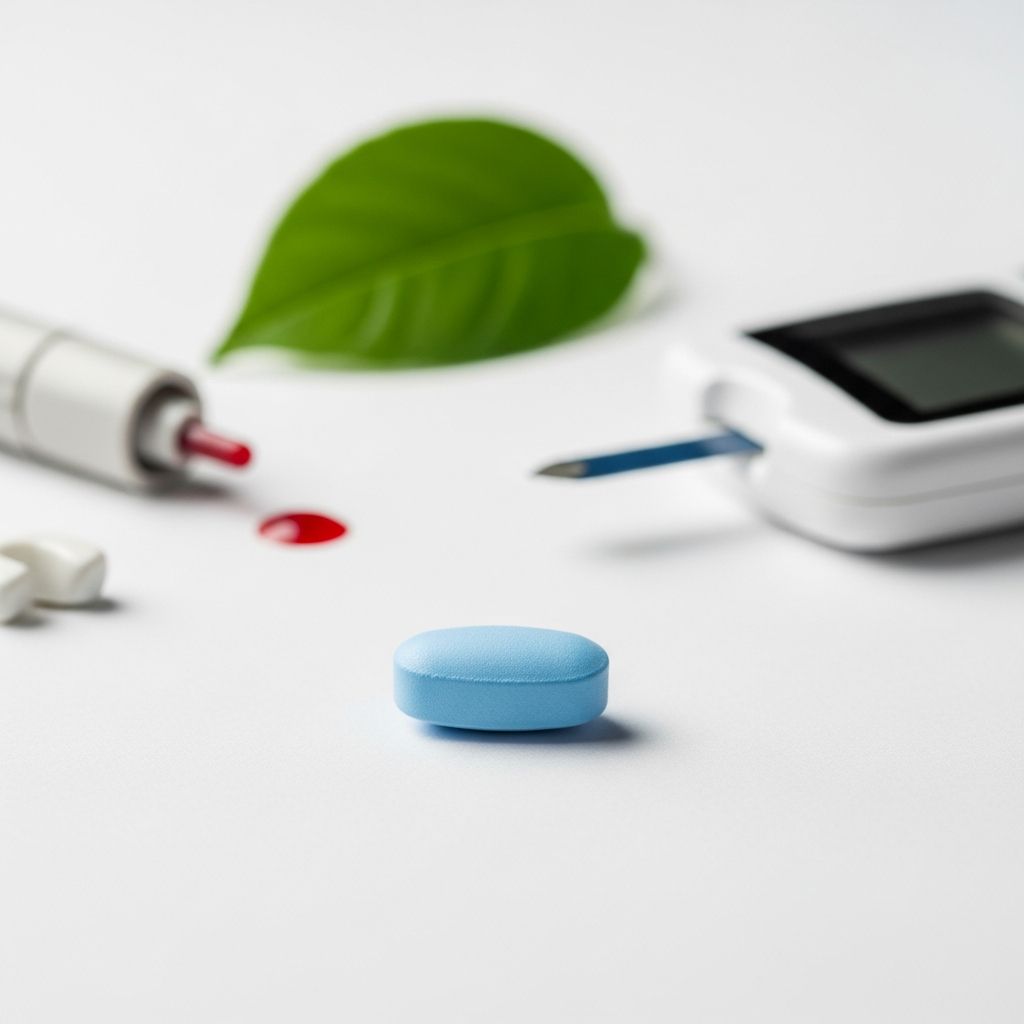
Metformin stands as a cornerstone therapy for managing type 2 diabetes, helping countless patients regulate blood glucose levels effectively when combined with lifestyle changes.Approved by the FDA in 1994, this biguanide medication lowers elevated sugar through multiple physiological pathways, making it the first-line choice for most adults and children over 10 years old.
Understanding Type 2 Diabetes and Metformin’s Primary Role
Type 2 diabetes occurs when the body fails to use insulin properly, leading to hyperglycemia that risks complications like heart disease, kidney failure, and vision loss. Metformin addresses this by improving insulin sensitivity, reducing liver glucose output, and limiting intestinal sugar absorption. Unlike insulin injections, it rarely causes low blood sugar alone and supports modest weight reduction, enhancing its appeal for long-term use.
Clinical guidelines from bodies like the American Diabetes Association recommend starting metformin immediately upon diagnosis for those with HbA1c under 9%, often alongside diet and exercise. For higher levels, it’s paired with other agents for faster control.
How Metformin Works at the Cellular Level
At its core, metformin activates an enzyme called AMP-activated protein kinase (AMPK), which curbs gluconeogenesis in the liver—the process where the organ produces excess glucose. It also boosts glucose uptake in muscles and decreases absorption from the gut, stabilizing both fasting and post-meal blood sugars.
- Liver suppression: Reduces hepatic glucose production by up to 50%.
- Insulin enhancement: Improves peripheral tissue response without stimulating insulin secretion.
- Gut effects: Slows carbohydrate breakdown, aiding postprandial control.
These actions result in an average HbA1c drop of 1-2%, with full effects visible in weeks. Its half-life of about 20 hours allows once- or twice-daily dosing, and it’s excreted unchanged by the kidneys, necessitating regular renal checks.
Standard Dosing Strategies for Effective Control
Dosage begins low to minimize gastrointestinal upset, titrating based on response and tolerance. Immediate-release forms are taken with meals, while extended-release versions offer smoother absorption.
| Formulation | Starting Dose | Maintenance Dose | Maximum Daily |
|---|---|---|---|
| Immediate-Release Tablets | 500 mg once or twice daily | 500-850 mg 2-3 times daily | 2550 mg |
| Extended-Release (e.g., Glucophage XR) | 500 mg once daily with evening meal | Increase weekly as needed | 2000 mg |
| Extended-Release (e.g., Fortamet) | 1000 mg once daily | Titrate gradually | 2500 mg |
Adjustments are crucial for elderly patients or those with mild kidney impairment (eGFR 30-45 mL/min), but it’s contraindicated below 30 mL/min due to lactic acidosis risk. In gestational diabetes, start at 500 mg daily, up to 2500 mg divided doses, often with insulin if needed.
Beyond Type 2: Off-Label Applications of Metformin
Metformin’s versatility extends to prediabetes, where it’s the sole ADA-endorsed drug to delay progression to diabetes. For polycystic ovary syndrome (PCOS), it lowers insulin and androgens, restoring ovulation and aiding fertility—though pregnancy counseling is essential.
Other uses include countering antipsychotic-induced weight gain and gestational diabetes management. Ongoing trials explore its anti-aging properties, potential cancer prevention, and neuroprotection, stemming from AMPK activation that mimics caloric restriction.
Related Stories



Navigating Common Side Effects and Mitigation Tips
Up to 25% of users experience digestive issues like diarrhea, nausea, or bloating, usually transient and dose-dependent. Extended-release forms reduce these by 30-50%. Strategies include:
- Taking with food and starting low (e.g., 500 mg).
- Switching to extended-release if issues persist.
- Staying hydrated to ease diarrhea.
Long-term concerns involve vitamin B12 deficiency (up to 30% after years), warranting annual screening and supplements if low. Rare but serious lactic acidosis (1 in 30,000) links to kidney/liver failure or dehydration—symptoms include muscle pain and fatigue.
Critical Precautions and Who Should Avoid It
Screen for renal function (eGFR >45 mL/min ideal), liver disease, heart failure, or alcohol excess before starting. Hold during imaging with contrast dye or acute illness. Drug interactions with cation transporters (e.g., dolutegravir) can raise levels, requiring monitoring.
Pregnant women stop at conception, as safety data grows but insulin remains preferred. Breastfeeding is generally safe with normal renal function.
Integrating Metformin into Comprehensive Diabetes Plans
Metformin shines in combos: with sulfonylureas, SGLT2 inhibitors, GLP-1 agonists, or insulin for synergistic A1c reductions (0.4-1% extra). Its low cost, cardioprotective hints (reduced MI risk), and weight neutrality make it ideal for most.
Lifestyle remains key—pair with 150 minutes weekly exercise and balanced carbs for best results. Regular monitoring (A1c every 3-6 months) guides adjustments.
Frequently Asked Questions (FAQs)
Can metformin cause weight loss?
Yes, many lose 2-5 lbs initially due to appetite suppression and GI effects, though it’s weight-neutral long-term.
Is metformin safe for kidneys?
Only if eGFR >30 mL/min; monitor closely and discontinue if declining.
How quickly does it lower blood sugar?
Effects start in days, peak in 1-2 weeks; full control may take months with titration.
Does it interact with alcohol?
Limit intake; excess raises lactic acidosis risk via dehydration and lactate buildup.
Can children take metformin?
Yes, approved for ages 10+ with type 2 diabetes.
Monitoring and Long-Term Success with Metformin
Success hinges on adherence, with 70-80% achieving targets when combined with lifestyle. Annual labs for B12, renal function, and A1c ensure safety. Discontinuing requires gradual taper to avoid rebound hyperglycemia.
For those progressing despite max dose, escalate to injectables. Emerging data on cardiovascular benefits (e.g., UKPDS follow-up) reinforce its role.
References
- Metformin (oral route) – Mayo Clinic — Mayo Foundation for Medical Education and Research. 2023-10-01. https://www.mayoclinic.org/drugs-supplements/metformin-oral-route/description/drg-20067074
- Metformin – StatPearls — National Center for Biotechnology Information (NCBI). 2023-07-17. https://www.ncbi.nlm.nih.gov/books/NBK518983/
- Consumer Information for METFORMIN — Health Canada. 2022-11-15. https://dhpp.hpfb-dgpsa.ca/dhpp/resource/83858/consumer-information
- 7 Metformin Side Effects and Risks — GoodRx. 2024-01-12. https://www.goodrx.com/metformin/metformin-side-effects
- Pharmacologic Glycemic Management of Type 2 Diabetes — Diabetes Canada Clinical Practice Guidelines. 2023-05-01. https://guidelines.diabetes.ca/cpg/chapter13
Similar Articles








Read full bio of medha deb