Methadone Oral Solution (Metharose, Physeptone)
Comprehensive guide to methadone oral solution for pain management and opioid dependence treatment, including dosage, side effects, and safety precautions.
Methadone oral solution, available under brand names such as Metharose and Physeptone, is a potent opioid medication primarily used for managing severe, chronic pain requiring long-term around-the-clock treatment and for maintenance therapy in opioid use disorder. It acts as a full opioid agonist, binding to mu-opioid receptors in the central nervous system to alleviate pain and reduce withdrawal symptoms in dependent individuals. Unlike shorter-acting opioids, methadone has a long half-life, providing sustained relief but necessitating careful dosing to avoid overdose risks.
About Methadone Oral Solution
Methadone hydrochloride oral solution is indicated for two main purposes: detoxification and maintenance treatment of opioid addiction (such as heroin or other morphine-like substances) and management of pain severe enough to require daily, long-term opioid administration when alternative treatments are inadequate. It is particularly reserved for cases where non-opioid analgesics or immediate-release opioids are ineffective or not tolerated due to substantial risks of addiction, abuse, misuse, overdose, and death associated with long-acting opioids.
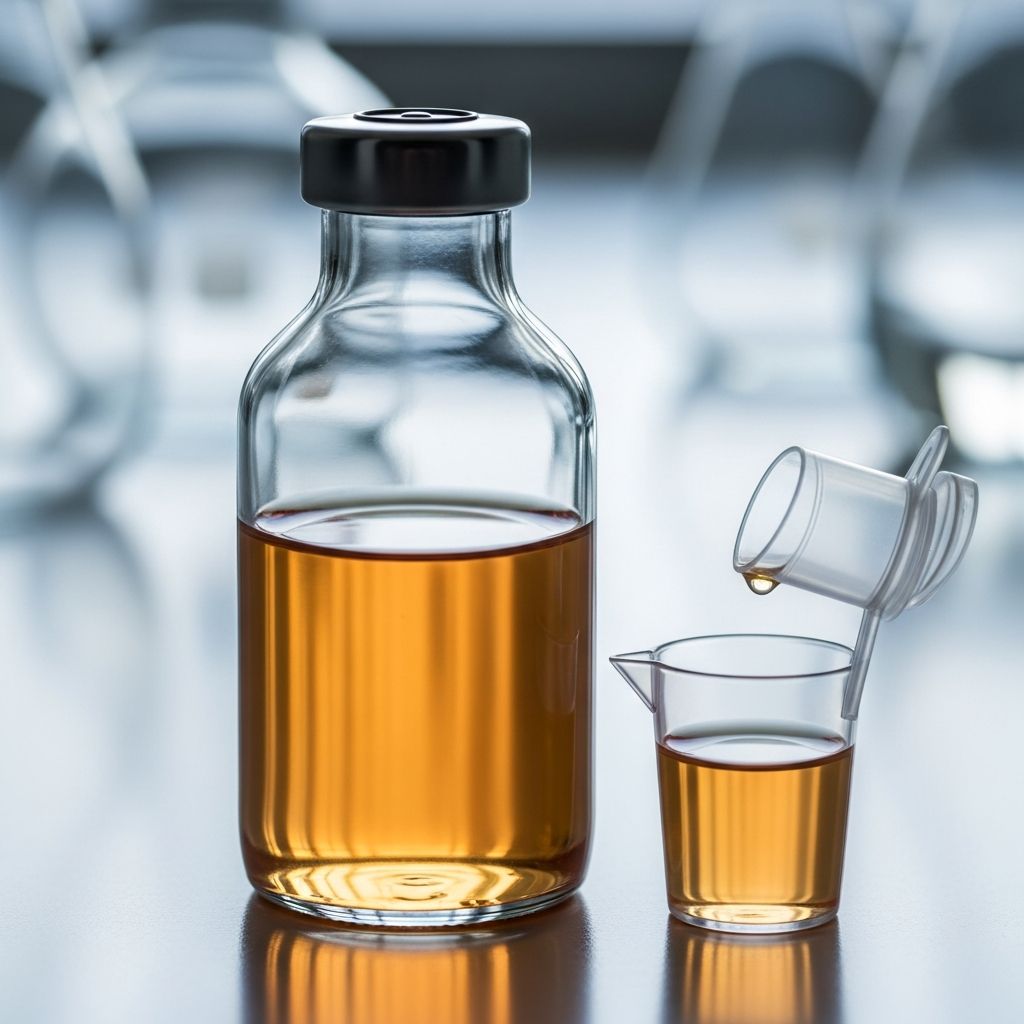
The solution comes in concentrations like 5 mg per 5 mL (1 mg/mL) or 10 mg per 5 mL (2 mg/mL), often flavored orange for palatability. It must be measured precisely using a marked syringe, spoon, or dropper, as household spoons are inaccurate. It can be taken with or without food, and may be mixed with juice or food if consumed immediately.
Key Facts
- Strengths: Typically 1 mg/mL or 2 mg/mL oral solutions.
- Half-life: Long duration (up to 59 hours), leading to accumulation with repeated dosing.
- Onset: Pain relief begins within 30-60 minutes, peaks at 1-4 hours.
- Duration: 4-8 hours for analgesia, longer for suppression of withdrawal.
- Not for children: Serious risk of poisoning; use and dose determined by doctor if necessary.
Before Taking Methadone Oral Solution
Consult your doctor before starting methadone if you have conditions such as respiratory depression, acute or severe bronchial asthma (without resuscitative equipment), paralytic ileus, hypersensitivity to methadone, significant liver or kidney impairment, hypothyroidism, Addison’s disease, severe obesity, sleep apnea, or history of seizures, low blood pressure, bowel problems, or convulsions. It is contraindicated in these cases and in patients with hypoxia, hypercapnia, or decreased respiratory reserve like COPD or cor pulmonale.
Elderly, debilitated, or ill patients require caution and reduced initial doses due to heightened sensitivity. Inform your doctor of any alcohol use, other medications (especially CNS depressants, sedatives, or other opioids), or pregnancy, as methadone crosses the placenta and may cause neonatal withdrawal.
How to Take Methadone Oral Solution
Take exactly as prescribed—do not exceed the dose, frequency, or duration ordered. Swallow tablets whole if applicable; for dispersible forms, dissolve in 120 mL (4 ounces) of water, orange juice, or acidic fruit drink without chewing. Measure liquid with provided tools.
For pain in opioid-naïve adults: Start at 2.5 mg every 8-12 hours, titrate slowly. For opioid use disorder: Initial 20-30 mg daily, not exceeding 40 mg/day usually. Adjustments needed for conversions from other opioids, using ratios like 1:2 for parenteral to oral.
| Indication | Initial Dose | Frequency | Max Daily |
|---|---|---|---|
| Pain (Opioid-Naïve) | 2.5 mg | Every 8-12 hours | As prescribed |
| Opioid Use Disorder | 20-30 mg | Once daily | ≤40 mg |
| Pain (Switching Opioids) | Doctor-determined | Every 8-12 hours | As prescribed |
Related Stories



Miss a dose? Take as soon as remembered unless near next dose; do not double. For supervised withdrawal, stabilize then taper gradually to avoid symptoms.
Dosage
Dosage must be individualized. For pain management, initiate low and titrate based on response, monitoring for over-sedation or withdrawal. In opioid-tolerant patients, calculate equianalgesic doses carefully due to incomplete cross-tolerance. Frequent monitoring is essential during initiation and dose changes.
Getting the Most from Your Treatment
Combine with non-drug measures like physiotherapy. Avoid alcohol and CNS depressants. Regular doctor visits ensure stable dosing and assess for misuse. Do not drive or operate machinery until effects are known, due to sedation risks.
Side-Effects
Common side effects include drowsiness, dizziness, nausea, constipation, sweating, and dry mouth. Serious effects: respiratory depression, severe hypotension, QT prolongation, adrenal insufficiency, or serotonin syndrome if combined with certain drugs.
- Common (>1%): Drowsiness, nausea, constipation, sweating.
- Serious: Difficulty breathing, extreme sleepiness, confusion, fast heartbeat—seek emergency help.
Report persistent issues to your doctor; they may adjust dose or add laxatives for constipation.
How to Cope with Side-Effects
Feeling sleepy/dizzy: Avoid alcohol/driving; effects improve over time.
Constipation: Increase fiber/water, use laxatives as advised.
Nausea: Take with food; ginger aids relief.
Sweating: Wear light clothes, use antiperspirants.
Pregnancy and Breastfeeding
Methadone is used in pregnancy for opioid dependence to prevent withdrawal, but risks neonatal abstinence syndrome. Enroll in pregnancy registries. Limited data on breastfeeding; weigh benefits vs. risks as it excretes into milk.
Other Precautions
Store securely away from children. Risk of overdose increases with alcohol or benzodiazepines. Tolerance develops; do not increase dose without advice. Abrupt stop causes withdrawal.
Common Questions
Is methadone addictive?
Yes, it can cause dependence; use only as directed.
Can I drink alcohol with it?
No, increases sedation and overdose risk.
How long until it works?
30-60 minutes for pain relief.
What if I overdose?
Call emergency; naloxone may reverse effects.
Further Reading and Support
Refer to NHS guidelines on opioids or opioid dependence services for counseling and support groups.
References
- Methadone (oral route) – Mayo Clinic — Mayo Clinic. 2023. https://www.mayoclinic.org/drugs-supplements/methadone-oral-route/description/drg-20075806
- Methadone Hydrochloride Oral Solution USP Prescribing Information — Boehringer Ingelheim/Roxane. 2015-04-01. https://docs.boehringer-ingelheim.com/Prescribing%20Information/PIs/Roxane/Methadone/Methadone%20Oral%20Solution%205mg%20per%205mL%20and%2010mg%20per%205mL.pdf
- Methadone Solution – Cleveland Clinic — Cleveland Clinic. 2023. https://my.clevelandclinic.org/health/drugs/19439-methadone-solution
- Methadone Oral Solution Patient Information Leaflet — medicines.org.uk. 2023. https://www.medicines.org.uk/emc/files/pil.3702.pdf
- Methadose Oral Concentrate FDA Label — FDA. 2008. https://www.accessdata.fda.gov/drugsatfda_docs/label/2008/017116s021lbl.pdf
- Methadone: MedlinePlus Drug Information — MedlinePlus/NIH. 2023. https://medlineplus.gov/druginfo/meds/a682134.html
Similar Articles








Read full bio of Sneha Tete