Methemoglobinemia: Symptoms, Causes & Treatment
Understanding methemoglobinemia: A rare blood disorder affecting oxygen delivery and treatment options.
Understanding Methemoglobinemia: A Rare Blood Disorder
Methemoglobinemia (MetHb), sometimes referred to as “blue baby syndrome,” is a rare blood disorder that fundamentally affects how red blood cells deliver oxygen to cells and tissues throughout the body. This condition occurs when hemoglobin, the protein responsible for carrying oxygen in red blood cells, becomes oxidized and loses its ability to effectively transport oxygen. While some people inherit this condition genetically, most cases of methemoglobinemia develop when individuals are exposed to certain medications, toxic chemicals, or recreational drugs. Understanding this condition is crucial because it can be life-threatening, particularly in severe cases affecting newborns or those exposed to high levels of methemoglobinemia-causing substances.
What Causes Methemoglobinemia?
Methemoglobinemia develops through two primary pathways: congenital (inherited) and acquired (environmental exposure). The condition occurs when the iron component of hemoglobin is oxidized from its normal ferrous state (Fe2+) to a ferric state (Fe3+), creating methemoglobin that cannot transport oxygen effectively.
Congenital Methemoglobinemia
Congenital methemoglobinemia is inherited and occurs when individuals are born with genetic mutations affecting their body’s ability to reduce methemoglobin back to normal hemoglobin. There are several types of congenital methemoglobinemia, each with distinct characteristics and severity levels. Hemoglobin M disease represents one inherited form where patients typically experience cyanosis but remain otherwise healthy. Type 1 congenital methemoglobinemia also causes cyanosis but rarely leads to other significant medical complications. However, Type 2 congenital methemoglobinemia is far more severe, often resulting in significant neurological problems by nine months of age, with many affected infants not surviving beyond infancy.
Acquired Methemoglobinemia
Acquired methemoglobinemia develops when individuals are exposed to specific medications, chemicals, or drugs that cause hemoglobin oxidation. Common triggers include certain local anesthetics like benzocaine, antibiotics such as dapsone, and various industrial chemicals. Recreational drug use can also precipitate this condition. Unlike the inherited forms, acquired methemoglobinemia typically develops in response to external exposure and can potentially be reversed with appropriate treatment and removal of the causative agent.
Recognizing Symptoms of Methemoglobinemia
The symptoms of methemoglobinemia vary significantly depending on the methemoglobin level present in the blood and the underlying cause of the condition. Normal methemoglobin levels remain below one percent, while methemoglobinemia is diagnosed when levels exceed five percent.
Mild to Moderate Symptoms
In mild cases, symptoms may resemble common illnesses, including headaches, dizziness, nausea, vomiting, and general malaise that can be easily mistaken for flu-like conditions. These subtle presentations sometimes result in delayed or missed diagnoses. Patients may experience fatigue and weakness as their red blood cells carry progressively less oxygen throughout their body.
Moderate to Severe Symptoms
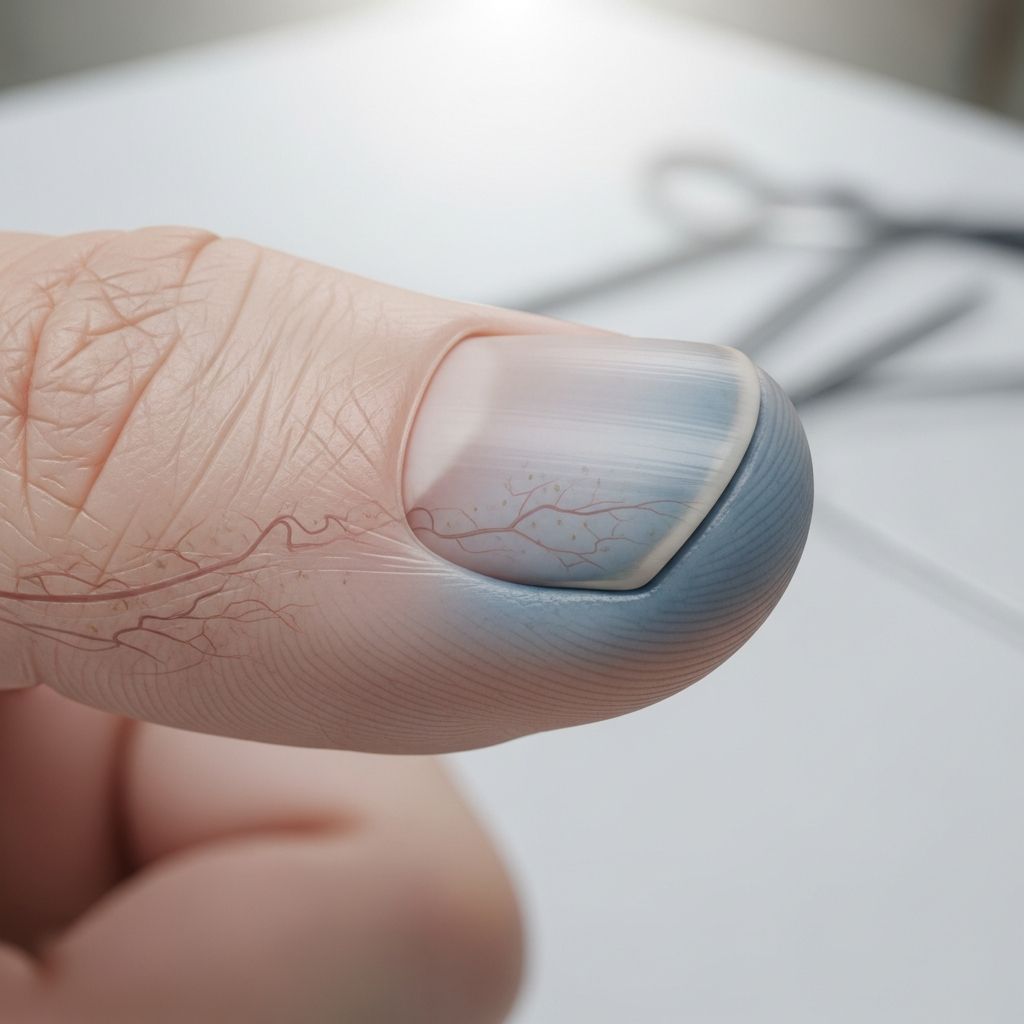
As methemoglobin levels increase, more pronounced symptoms emerge. Cyanosis—a bluish or purplish discoloration of the skin and mucous membranes—is a hallmark sign of methemoglobinemia. Patients may experience shortness of breath, difficulty breathing, and reduced exercise tolerance. Some individuals report chest discomfort and cardiovascular stress.
Critical Symptoms
In severe cases with methemoglobin levels exceeding seventy percent, life-threatening complications can develop rapidly. These include seizures, severe neurological disturbances, extreme drowsiness or confusion, cardiac arrhythmias, metabolic acidosis, coma, and potentially death. The severity of these symptoms correlates directly with methemoglobin concentration in the blood, making early recognition and treatment essential for survival.
Diagnosis of Methemoglobinemia
Accurate diagnosis of methemoglobinemia requires a comprehensive clinical approach combining patient history, physical examination, and specialized laboratory testing.
Clinical Evaluation
Healthcare providers begin by obtaining a thorough medical history and performing detailed physical examinations. For patients with acquired methemoglobinemia, physicians inquire about recent medication use, exposure to potentially toxic substances, and recreational drug consumption. Physical examination findings typically include cyanosis, particularly visible in the nail beds, lips, and extremities, which distinguishes methemoglobinemia from other conditions.
Related Stories



Laboratory Testing
The definitive diagnostic test for methemoglobinemia is co-oximetry, which directly measures methemoglobin levels in the blood. Co-oximetry provides accurate quantification of methemoglobin concentration and is essential for guiding treatment decisions. Additionally, healthcare providers may order blood gas analysis, which characteristically shows normal partial pressure of oxygen (PaO2) despite low oxygen saturation readings on pulse oximetry—a paradoxical finding that raises suspicion for methemoglobinemia. Blood samples from patients with elevated methemoglobin often display a distinctive dark chocolate-brown color compared to normal red blood, providing a visual diagnostic clue.
Treatment Approaches for Methemoglobinemia
Treatment strategy depends significantly on the type of methemoglobinemia, methemoglobin concentration level, and clinical presentation of symptoms.
Treatment for Congenital Forms
Individuals with Type 1 methemoglobinemia or Hemoglobin M disease often require no treatment, as these conditions typically cause minimal symptoms and rarely progress to serious complications. When treatment becomes necessary, healthcare providers may administer medications to reduce methemoglobin levels and alleviate symptoms. Most people with these congenital forms have few complications and typically live normal lifespans comparable to individuals without the condition.
Treatment for Acquired Methemoglobinemia
Acquired methemoglobinemia often constitutes a medical emergency requiring immediate intervention. The first critical step involves identifying and eliminating the offending agent causing methemoglobin formation. Healthcare providers may administer intravenous hydration and supplemental oxygen as supportive measures. Methylene blue represents the gold standard first-line treatment for symptomatic or severe acquired methemoglobinemia. This medication works by facilitating the conversion of methemoglobin back to functional hemoglobin. Clinical data demonstrates that methylene blue effectively reduces methemoglobin levels and improves clinical outcomes in moderate to severe cases. Ascorbic acid (vitamin C) serves as an alternative treatment option that also hastens methemoglobin reduction.
Special Considerations
Before administering methylene blue, healthcare providers must screen patients for glucose-6-phosphate dehydrogenase (G6PD) deficiency. Individuals with G6PD deficiency may experience dangerous hemolysis—premature destruction of red blood cells—if exposed to repeated methylene blue treatments, which could worsen their clinical condition. In severe cases with extremely elevated methemoglobin levels exceeding seventy percent, additional interventions such as exchange transfusion and hyperbaric oxygen therapy may be considered, though outcomes remain guarded in these extreme situations.
Prognosis and Long-term Outcomes
The prognosis for methemoglobinemia varies considerably based on the type and severity of the condition. Most people with congenital Type 1 methemoglobinemia or Hemoglobin M disease experience excellent long-term outcomes with few complications and normal lifespans. For acquired methemoglobinemia, outcomes depend significantly on early recognition and prompt treatment initiation. When methylene blue treatment is administered quickly to patients with moderate methemoglobin levels, most experience symptom resolution and complete recovery. However, cases presenting with extremely high methemoglobin levels and delayed treatment carry poor prognoses despite aggressive medical intervention, potentially resulting in death or permanent neurological damage.
When to Seek Medical Attention
Individuals with congenital methemoglobinemia should contact their healthcare provider if they notice changes in their body such as unexplained fatigue, progressive weakness, or increased cyanosis. These symptoms may indicate that red blood cells are carrying insufficient oxygen. Anyone experiencing more serious symptoms including cyanosis with concurrent seizures, extreme drowsiness, difficulty breathing, or chest pain should immediately call 911 or proceed to an emergency room for urgent evaluation and treatment.
Risk Factors and Prevention
Preventing acquired methemoglobinemia involves awareness of triggering medications and chemicals. Healthcare providers should carefully evaluate patients before prescribing medications known to cause methemoglobinemia, particularly local anesthetics like benzocaine. Industrial workers and others exposed to chemicals capable of causing methemoglobinemia should use appropriate protective equipment and follow safety protocols. Avoiding recreational drugs associated with methemoglobinemia development helps prevent this life-threatening condition.
Frequently Asked Questions About Methemoglobinemia
Q: Is methemoglobinemia inherited or acquired?
A: Methemoglobinemia can be either inherited (congenital) or acquired. Congenital methemoglobinemia is inherited through genetic mutations, while acquired methemoglobinemia develops from exposure to specific medications, chemicals, or drugs that cause hemoglobin oxidation.
Q: What is “blue baby syndrome”?
A: “Blue baby syndrome” is a common name for methemoglobinemia, referring to the characteristic bluish discoloration of skin and mucous membranes (cyanosis) that occurs when methemoglobin levels become elevated in the blood.
Q: How is methemoglobinemia diagnosed?
A: Methemoglobinemia is diagnosed through co-oximetry testing, which directly measures methemoglobin levels in the blood. A finding of methemoglobin greater than five percent confirms the diagnosis. Blood gas analysis showing normal oxygen pressure despite low saturation readings supports the diagnosis.
Q: What is the main treatment for acute methemoglobinemia?
A: Methylene blue is the gold standard first-line treatment for symptomatic or severe methemoglobinemia. It facilitates conversion of methemoglobin back to functional hemoglobin and effectively reduces methemoglobin levels in most cases.
Q: Can people with methemoglobinemia live normal lives?
A: People with congenital Type 1 methemoglobinemia or Hemoglobin M disease typically live normal lifespans. Those with acquired methemoglobinemia that receives prompt treatment generally recover completely. Type 2 congenital methemoglobinemia is more serious and typically results in severe complications.
Q: What should I do if I suspect I have methemoglobinemia?
A: Contact your healthcare provider immediately, particularly if you experience unexplained cyanosis, significant fatigue, or difficulty breathing. Seek emergency care (call 911) if experiencing severe symptoms such as seizures, extreme drowsiness, or chest pain.
References
- Methemoglobinemia (MetHb): Symptoms, Causes & Treatment — Cleveland Clinic. 2024. https://my.clevelandclinic.org/health/diseases/24115-methemoglobinemia
- Methemoglobinemia: Symptoms, Congenital, Acquired, & Treatment — Britannica Encyclopedia. 2024. https://www.britannica.com/science/methemoglobinemia
- Methemoglobinemia Unmasked: A Deep Dive into Poisoning Cases and Treatment Strategies — Healthcare Bulletin. 2024. https://healthcare-bulletin.co.uk/article/methemoglobinemia-unmasked-a-deep-dive-into-poisoning-cases-and-treatment-strategiesb-2511/
- Methemoglobinemia: Concise Medical Knowledge — Lecturio Medical Education. 2024. https://www.lecturio.com/concepts/methemoglobinemia/
- Carboxyhemoglobin and Methemoglobin in Asthma — National Center for Biotechnology Information (NCBI). 2015. https://pmc.ncbi.nlm.nih.gov/articles/PMC4500073/
- Methemoglobinemia from Topical Benzocaine — Cleveland Clinic Journal of Medicine. 1990. https://www.ccjm.org/content/57/4/357
- Dapsone-Induced Methemoglobinemia—A Case Report — Journal of Clinical Case Reports. 2021. https://onlinelibrary.wiley.com/doi/full/10.1002/ccr3.4054
Similar Articles








Read full bio of Sneha Tete