Methicillin-Resistant Staphylococcus Aureus: MRSA Guide
Understanding MRSA: causes, transmission, diagnosis, and treatment options for skin infections.

Methicillin-Resistant Staphylococcus Aureus (MRSA): An Overview
Methicillin-resistant Staphylococcus aureus (MRSA) is a gram-positive bacterium that has developed resistance to multiple beta-lactam antibiotics, including methicillin, oxacillin, and other penicillin-derived compounds. MRSA represents a significant public health challenge, causing both community-acquired and hospital-acquired infections. Unlike susceptible Staphylococcus aureus strains, MRSA possesses genetic mechanisms that prevent conventional antibiotic therapies from effectively eliminating the infection. This antibiotic resistance has made MRSA one of the leading causes of healthcare-associated infections worldwide, contributing substantially to patient morbidity, mortality, increased hospital length of stay, and elevated healthcare costs.
Definition and Classification
Methicillin resistance in Staphylococcus aureus is clinically defined by an oxacillin minimum inhibitory concentration (MIC) of greater than or equal to 4 micrograms/mL. This standardized definition allows healthcare providers to distinguish MRSA from methicillin-susceptible Staphylococcus aureus (MSSA). MRSA infections are categorized into two primary types based on acquisition setting:
- Hospital-Associated MRSA (HA-MRSA) — Acquired during or after hospitalization, typically in patients with surgical procedures, indwelling catheters, or other invasive medical devices. HA-MRSA strains typically demonstrate resistance to a broader spectrum of antibiotics compared to community-acquired strains.
- Community-Associated MRSA (CA-MRSA) — Acquired outside healthcare settings through direct skin contact, typically in healthy individuals without recent hospitalization. CA-MRSA strains often present as skin and soft tissue infections and may demonstrate different antibiotic susceptibility patterns than hospital strains.
Etiology and Genetic Mechanisms
Methicillin resistance in Staphylococcus aureus arises through specific genetic alterations that fundamentally alter how the bacterium responds to beta-lactam antibiotics. The primary mechanism involves mutation of a penicillin-binding protein, which is chromosome-encoded and can be transmitted between bacterial organisms via bacteriophages. This represents one of the few clinically significant examples of chromosome-mediated antibiotic resistance achieved through phage transduction.
The cornerstone of MRSA resistance involves the acquisition of the mecA gene sequence, a biomarker gene that encodes penicillin-binding protein 2a (PBP2a). This altered protein differs fundamentally from other penicillin-binding proteins because its active site cannot bind to methicillin or other beta-lactam antibiotics. Once mecA is acquired, it must be integrated and localized within the Staphylococcus aureus chromosome for the resistance phenotype to manifest. The mecA gene is further regulated by co-repressors termed blaI and blaR1, which are homologous to mecI and mecR1 respectively, and normally function as regulators of blaZ, responsible for penicillin resistance.
Pathophysiology
The key reason for MRSA resistance to beta-lactam antibiotics relates directly to the presence of the mecA gene sequence and the PBP2a transpeptidase it generates. This altered enzyme significantly lowers the organism’s affinity to bind beta-lactam antibiotics, rendering these drugs ineffective at inhibiting cell wall synthesis. While beta-lactam antibiotics normally prevent bacterial growth by inhibiting cell wall synthesis through transpeptidase inhibition, PBP2a circumvents this mechanism by maintaining cell wall synthesis despite the presence of these antibiotic agents.
MRSA can spread through horizontal gene transfer via plasmids, transposable genetic elements, and genomic islands. This genetic exchange mechanism allows MRSA to acquire additional resistance genes beyond the initial mecA mutation, contributing to the emergence of multidrug-resistant strains. The genetic basis of antimicrobial resistance means that acquired resistance can persist and spread through bacterial populations when selective pressure from antibiotic use favors survival of resistant organisms.
Related Stories



Clinical Features and Presentation
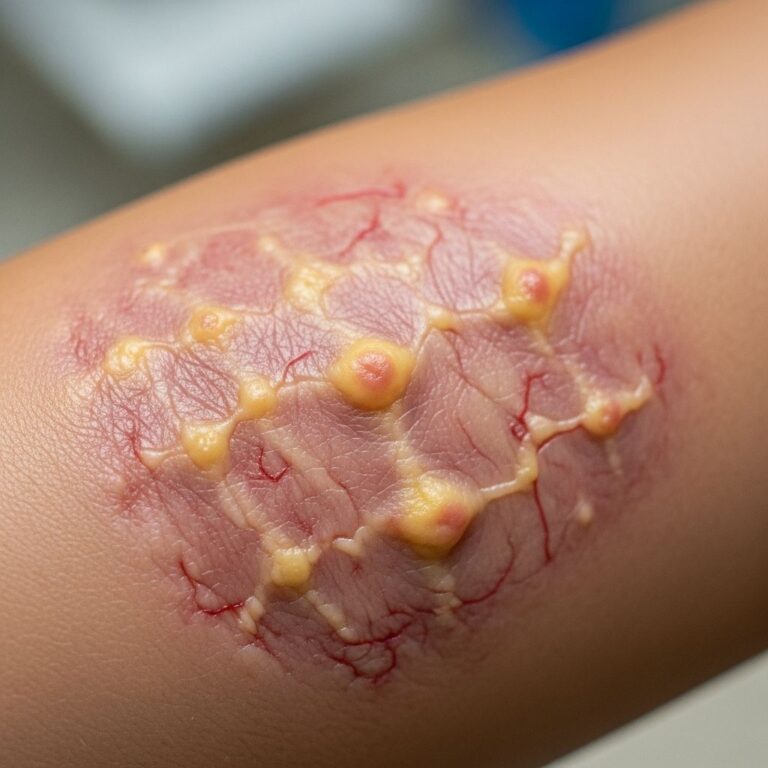
MRSA most commonly presents as skin and soft tissue infections, ranging from minor pustules to more serious manifestations. The clinical presentation varies depending on the infection site and the virulence factors carried by the specific MRSA strain. Community-associated MRSA frequently causes localized skin infections that patients describe as painful pustules or boils, often resembling spider bites. These localized infections typically respond to appropriate antibiotic therapy and source control measures such as drainage and wound care.
More serious presentations of CA-MRSA include necrotizing fasciitis, characterized by rapidly progressive soft tissue necrosis, and life-threatening necrotizing pneumonia, which occurs predominantly in otherwise healthy individuals. Certain CA-MRSA strains, particularly the ST8:USA300 lineage, produce virulence factors including Panton-Valentine leukocidin, PSM-alpha, and enterotoxins that enhance pathogenicity. Necrotizing pneumonia caused by CA-MRSA presents with severe respiratory symptoms, high fevers, hemoptysis (coughing blood), hypotension, and rapid progression to sepsis and septic shock. Laboratory findings in severe CA-MRSA pneumonia characteristically include leukopenia and elevated C-reactive protein exceeding 350 mg/dL, with multilobar cavitating alveolar infiltrates visible on chest imaging.
Hospital-associated MRSA infections often involve bacteremia, surgical site infections, and infections associated with medical devices. Persistent bacteremia despite appropriate antibiotic therapy indicates inadequate source control or possible complications such as endocarditis or metastatic infection requiring further diagnostic investigation.
Transmission and Risk Factors
MRSA transmission occurs primarily through direct contact with infected or colonized individuals. Community-associated MRSA spreads readily through skin-to-skin contact, making transmission possible in settings with close personal contact such as households, schools, athletic facilities, and correctional institutions. Healthcare-associated MRSA transmission frequently occurs via contaminated hands of healthcare workers, contaminated medical equipment, or environmental surfaces within healthcare facilities.
Specific risk factors for MRSA infection include:
- Recent hospitalization or healthcare facility exposure
- Surgical procedures or invasive medical devices
- Immunosuppression or chronic medical conditions
- Antibiotic exposure, particularly recent broad-spectrum antibiotics
- Breaks in skin integrity from wounds, cuts, or dermatological conditions
- Close contact with infected or colonized individuals
- Living in crowded environments
- Poor hygiene conditions
Colonization Versus Infection
It is important to distinguish between MRSA colonization and active infection. Some individuals naturally carry MRSA on their skin or in their noses without developing symptoms of infection—a condition termed colonization. Colonized individuals will test positive on nasal or skin swabs despite having no signs or symptoms of infection. Critically, colonized individuals can still transmit MRSA to others, making them potential vectors for disease spread even without active infection. Determining whether a positive MRSA culture represents colonization or clinically significant infection requires clinical correlation with symptoms and physical examination findings.
Diagnosis
Diagnosis of MRSA infection requires isolation of the organism from clinical specimens combined with confirmation of methicillin resistance. Clinical specimens may include wound drainage, blood cultures, sputum, cerebrospinal fluid, or other body fluids depending on the suspected infection site. Culture specimens should be obtained before initiating antibiotic therapy when clinically possible, as antimicrobial agents may reduce culture sensitivity.
Laboratory confirmation of methicillin resistance traditionally involves oxacillin susceptibility testing, with resistance defined as an MIC greater than or equal to 4 micrograms/mL. Modern laboratories may employ molecular methods detecting the mecA gene, which provides rapid confirmation of methicillin resistance within hours rather than the days required for traditional culture and susceptibility testing. Some laboratories utilize chromogenic media that selectively grows MRSA, facilitating earlier identification. Once MRSA is identified, comprehensive antibiotic susceptibility testing guides selection of appropriate antimicrobial therapy.
Treatment Approaches
Treatment of MRSA infections depends on infection severity, site of infection, and local resistance patterns. For uncomplicated skin and soft tissue infections, source control through incision and drainage of purulent collections is often the primary intervention. Systemic antibiotics effective against MRSA include:
- Vancomycin — Remains the gold standard for serious MRSA infections, particularly bacteremia and pneumonia
- Linezolid — An oxazolidinone antibiotic effective for MRSA but has been found inferior to vancomycin in clinical trials for bacteremia
- Daptomycin — Useful for certain infections but inactive against pulmonary infections
- Cephalosporins — Fourth-generation cephalosporins may demonstrate activity against some MRSA strains despite beta-lactam resistance
- Fluoroquinolones — May be effective for certain community-associated MRSA strains
- Trimethoprim-sulfamethoxazole — Often effective for uncomplicated skin infections caused by CA-MRSA
For bloodstream infections caused by MRSA, follow-up blood cultures should be obtained to document clearance of the infection from the bloodstream. Persistent positive cultures after 48 hours of appropriate antibiotic therapy should prompt further evaluation including repeat susceptibility testing, assessment of adequate antibiotic dosing, and investigation for complications requiring source control such as abscess drainage, infected prosthetic device removal, or other interventions.
Emerging Resistance Patterns
The emergence of MRSA strains with resistance to vancomycin and teicoplanin represents a concerning public health development. Glycopeptide-intermediate Staphylococcus aureus (GISA) or vancomycin-intermediate Staphylococcus aureus (VISA) strains, demonstrating intermediate resistance at vancomycin concentrations of 4–8 μg/mL, began appearing in the late 1990s with the first identified case reported in Japan in 1996. Subsequently, these strains have been identified in hospitals in England, France, and the United States. The first documented vancomycin-resistant Staphylococcus aureus (VRSA) strain with complete resistance (MIC >16 μg/mL) appeared in the United States in 2002. These emerging resistance patterns necessitate ongoing surveillance and development of novel antimicrobial agents.
Epidemiology and Historical Context
The prevalence of MRSA has increased dramatically over recent decades. Hospital-associated MRSA increased to 22% by 1995, and by 1997 approximately 50% of hospital Staphylococcus aureus infections were attributable to MRSA. This escalation resulted from decades of often unnecessary antibiotic use creating selective pressure favoring survival of resistant organisms. Even when antibiotics are used appropriately, they contribute to rising antibiotic resistance because they do not destroy every bacterial cell they target—surviving bacteria subsequently develop or acquire resistance to additional agents.
Prevention Strategies
Prevention of MRSA transmission requires implementation of infection control measures including:
- Hand hygiene—frequent handwashing with soap and water or alcohol-based sanitizers
- Skin hygiene—keeping skin clean and intact
- Wound care—properly covering wounds with clean bandages
- Avoiding sharing of personal items—towels, razors, athletic equipment
- Environmental cleaning and disinfection in healthcare and communal settings
- Judicious antibiotic use to minimize selective pressure for resistance development
- Contact precautions in healthcare settings when caring for MRSA-positive patients
Frequently Asked Questions
Q: Can MRSA infections be cured?
A: Yes, MRSA infections can be effectively treated with appropriate antibiotics and source control measures. However, treatment requires careful selection of effective antimicrobial agents based on susceptibility testing results.
Q: Is MRSA life-threatening?
A: Most MRSA skin infections are not life-threatening and respond well to appropriate treatment. However, serious MRSA infections such as necrotizing pneumonia, bacteremia, or endocarditis can be life-threatening, particularly in immunocompromised individuals.
Q: How long does MRSA treatment typically take?
A: Treatment duration depends on infection severity and type. Uncomplicated skin infections may resolve within 7-14 days of appropriate therapy, while serious infections such as bacteremia or osteomyelitis may require 4-6 weeks of intravenous antibiotic therapy.
Q: Can I prevent MRSA colonization?
A: While absolute prevention is difficult, maintaining good personal hygiene, avoiding close contact with infected individuals, and following healthcare facility infection control measures can substantially reduce MRSA transmission risk.
Q: Are all staph infections MRSA?
A: No, many Staphylococcus aureus infections are methicillin-susceptible and respond well to conventional beta-lactam antibiotics. Laboratory testing is required to distinguish MRSA from methicillin-susceptible strains.
References
- Methicillin-Resistant Staphylococcus aureus – StatPearls — National Center for Biotechnology Information (NCBI), U.S. National Library of Medicine. 2024. https://www.ncbi.nlm.nih.gov/books/NBK482221/
- MRSA (Methicillin-Resistant Staphylococcus aureus) — Cleveland Clinic. 2024. https://my.clevelandclinic.org/health/diseases/11633-methicillin-resistant-staphylococcus-aureus-mrsa
- MRSA Infection – Symptoms & Causes — Mayo Clinic. 2024. https://www.mayoclinic.org/diseases-conditions/mrsa/symptoms-causes/syc-20375336
- Methicillin-Resistant Staphylococcus Aureus (MRSA) Basics — Centers for Disease Control and Prevention (CDC). 2024. https://www.cdc.gov/mrsa/about/index.html
- Methicillin-Resistant Staphylococcus Aureus (MRSA) — Baylor College of Medicine Department of Molecular Virology and Microbiology. 2024. https://www.bcm.edu/departments/molecular-virology-and-microbiology/emerging-infections-and-biodefense/specific-agents/mrsa
- MRSA — National Health Service (NHS). 2024. https://www.nhs.uk/conditions/mrsa/
Similar Articles








Read full bio of Sneha Tete