Methods of Surgery: Techniques and Procedures
Comprehensive guide to surgical techniques from open to minimally invasive approaches.
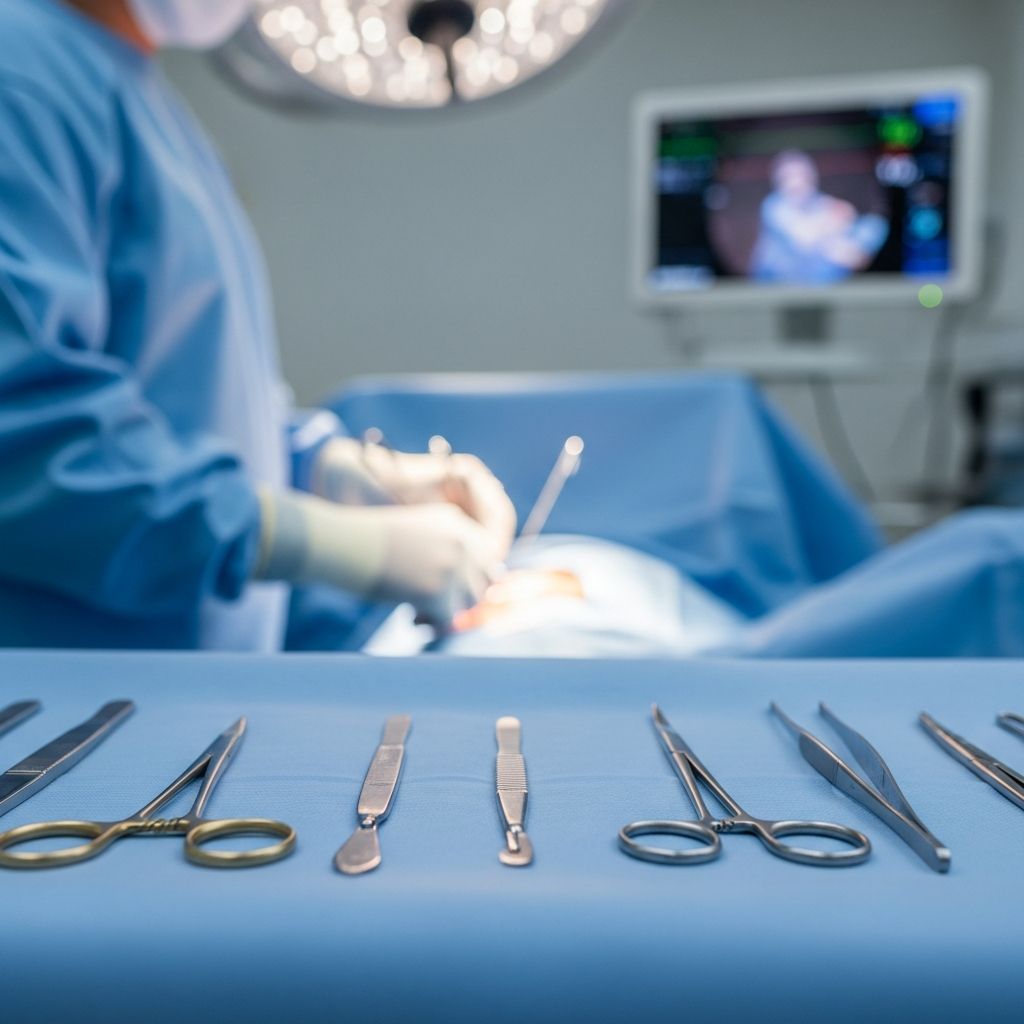
Surgery remains one of the most effective treatment options for numerous medical conditions, from cancer to trauma to organ failure. The approach a surgeon takes depends on the type of procedure, the patient’s condition, the location of the pathology, and technological capabilities available. Modern surgical practice offers several distinct methods, each with unique advantages, considerations, and applications. Understanding these different surgical approaches can help patients make informed decisions about their care and know what to expect before entering the operating room.
Open Surgery: The Traditional Surgical Approach
Open surgery remains the foundation of surgical practice and continues to be the standard approach for many complex procedures. In open surgery, the surgeon makes one or more relatively large incisions to gain direct access to the area requiring treatment. This traditional method allows surgeons complete visualization of the surgical field and direct access to anatomical structures.
Advantages of Open Surgery
- Complete visualization of the surgical field
- Direct access to anatomical structures
- Ability to quickly address unexpected complications
- Suitable for complex procedures involving multiple organ systems
- Proven track record with extensive clinical experience
- Necessary for emergency trauma situations
Open surgery is particularly valuable for extensive procedures such as major cancer resections, including complex operations like the Whipple procedure for pancreatic cancer. During these procedures, surgeons can carefully explore the abdomen to confirm tumor extent, remove affected organs and tissues, manage critical blood vessels, and perform intricate reconstructive steps.
Considerations for Open Surgery
While open surgery offers significant advantages, it does involve larger incisions, which can result in longer recovery times, increased postoperative pain, and longer hospital stays compared to minimally invasive approaches. However, for many complex conditions, the benefits of complete access and control outweigh these considerations.
Laparoscopic Surgery: Minimally Invasive Advancement
Laparoscopic surgery represents a significant advancement in surgical technique, allowing surgeons to perform procedures through multiple small incisions rather than one large opening. A laparoscope—a thin viewing instrument with a camera—is inserted through one incision, while specialized surgical instruments are placed through additional small incisions. The camera projects images onto a monitor, allowing the surgeon to visualize the surgical field.
Key Features of Laparoscopic Surgery
- Multiple small incisions (typically 4-5 for most procedures)
- Real-time visualization via laparoscopic camera
- Reduced tissue trauma compared to open surgery
- Decreased postoperative pain and faster recovery
- Shorter hospital stays in many cases
- Reduced scarring and improved cosmetic outcomes
Laparoscopic techniques are particularly well-suited for biliary, foregut, hernia, colorectal, and general surgical procedures. Specialized surgical centers at major medical institutions dedicate significant resources to perfecting these techniques, as they require specific training and expertise. Surgeons performing laparoscopic procedures must develop a different skill set than traditional open surgery, learning to work with limited tactile feedback and translating three-dimensional anatomy into two-dimensional monitor images.
Related Stories



Robotic-Assisted Surgery: Precision and Control
Robotic-assisted surgery represents the latest frontier in minimally invasive surgical technology. In this approach, the surgeon sits at a console and controls robotic arms that hold and manipulate surgical instruments. The robotic system translates the surgeon’s hand and wrist movements into precise movements of the surgical instruments, often with enhanced precision beyond what the human hand alone can achieve.
Advantages of Robotic Surgery
- Enhanced precision and dexterity
- Three-dimensional high-definition visualization
- Tremor elimination and motion scaling
- Greater surgeon comfort and control
- Combined benefits of minimally invasive access with enhanced capabilities
- Applicable to complex procedures including hepatobiliary, pancreatic, and colorectal surgery
Robotic technology continues to expand its applications across surgical specialties. As surgeons gain experience and technology improves, robotic-assisted approaches are increasingly being utilized for procedures that traditionally required open surgery. The learning curve for robotic surgery is steep, requiring specialized training and gradual case progression, but experienced robotic surgeons report improved outcomes in many patient populations.
Comparison of Surgical Methods
| Surgical Method | Incision Size | Recovery Time | Pain Level | Best Applications |
|---|---|---|---|---|
| Open Surgery | One large incision | 4-6 weeks or longer | Moderate to high | Complex procedures, trauma, cancer resection |
| Laparoscopic | 4-5 small incisions | 1-3 weeks | Low to moderate | Biliary, hernia, colorectal procedures |
| Robotic-Assisted | 3-4 small incisions | 1-2 weeks | Low | Complex minimally invasive procedures |
Specialty-Specific Surgical Approaches
Hepatobiliary and Pancreatic Surgery
Procedures involving the liver, bile ducts, and pancreas represent some of the most complex surgeries performed. For pancreatic cancer, particularly tumors in the head and neck of the pancreas, the Whipple procedure (pancreaticoduodenectomy) is often the surgical treatment of choice when the tumor is resectable and the patient is a suitable candidate. This major operation typically takes 5-6 hours and involves removing the pancreatic head, gallbladder, bile duct, and most of the duodenum, followed by careful reconstruction to restore digestive function.
Colorectal Surgery
Colorectal surgeons are increasingly performing procedures using both open and laparoscopic techniques, with many centers adding robotic-assisted approaches. The choice of method depends on tumor location, extent of disease, and patient factors.
Trauma Surgery
Emergency trauma surgery typically requires open surgical approaches to allow rapid assessment and management of life-threatening injuries. Trauma surgeons must be prepared to quickly identify and address multiple injuries, bleeding, and organ damage.
Minimally Invasive Specialty Surgery
Certain surgical specialties have embraced minimally invasive techniques across most procedures. Foregut surgery, including procedures on the esophagus and stomach, commonly uses laparoscopic and robotic approaches. Hernia repair has largely transitioned to minimally invasive methods in appropriate cases.
Surgical Reconstruction and Recovery
Regardless of the surgical method used, reconstructive techniques are often necessary to restore normal anatomy and function. For example, after removal of pancreatic tissue, the remaining pancreas, bile duct, and stomach or duodenum must be carefully reconnected to the small bowel to allow normal digestion. These reconstructive steps are performed in a stepwise fashion, with each anastomosis (connection) carefully constructed to prevent complications.
Postoperative recovery varies significantly based on the surgical method. Patients may begin oral intake shortly after recovery from anesthesia, often starting with liquids and progressing to solid foods within days. Surgical drains are frequently placed during complex procedures to collect secretions and are typically removed within the first week. Pain management, infection prevention, and early mobilization are essential components of postoperative care.
Training and Specialization in Surgical Methods
Surgical training programs provide comprehensive education in multiple surgical approaches. Medical students and surgical residents typically begin with fundamental open surgical techniques before progressing to laparoscopic and robotic methods. Specialized training in procedures like the Whipple technique requires additional mentorship and case experience under the supervision of experienced surgeons.
Many academic medical centers offer specialized rotations in various surgical subspecialties, allowing trainees to develop expertise in cardiac surgery, thoracic surgery, neurosurgery, orthopedic surgery, vascular surgery, transplant surgery, and other specialized fields. This comprehensive training ensures that surgeons are proficient in multiple surgical methods and can select the most appropriate approach for each patient.
Future Directions in Surgical Methods
Surgical techniques continue to evolve with technological advancement. Emerging technologies including augmented reality, three-dimensional imaging, artificial intelligence assistance, and single-port laparoscopic surgery are expanding surgical capabilities. Additionally, the integration of intraoperative imaging, enhanced visualization systems, and real-time data analytics is improving surgical precision and patient outcomes.
Frequently Asked Questions About Surgical Methods
Q: What is the difference between laparoscopic and robotic surgery?
A: While both are minimally invasive approaches using small incisions, laparoscopic surgery involves direct manipulation of instruments by the surgeon, whereas robotic surgery uses a robotic system that translates the surgeon’s movements at a console. Robotic surgery offers enhanced precision and three-dimensional visualization but requires specialized equipment and training.
Q: How long does recovery take after surgery?
A: Recovery time depends on the surgical method and procedure complexity. Open surgery typically requires 4-6 weeks or longer for full recovery, while laparoscopic and robotic procedures may allow return to normal activities within 1-3 weeks. Your surgeon will provide specific guidance based on your procedure.
Q: Is robotic surgery better than open surgery?
A: Neither approach is inherently better; the best method depends on the specific procedure and patient circumstances. Some complex procedures still require open surgery for complete access and control, while many procedures benefit from minimally invasive approaches. Your surgeon will recommend the most appropriate method for your condition.
Q: What should I expect during postoperative recovery?
A: Postoperative care typically includes pain management, infection prevention with antibiotics if indicated, early mobilization to prevent complications, and gradual return to normal activities. Most patients can begin oral intake shortly after surgery and may have surgical drains that are removed within the first week.
Q: Are there complications specific to each surgical method?
A: Each surgical method carries potential complications. Open surgery risks include infection and prolonged recovery. Laparoscopic surgery rarely involves organ perforation. Robotic surgery has a steep learning curve. Your surgeon will discuss specific risks and benefits for your planned procedure.
References
- The Whipple Procedure (Pancreaticoduodenectomy) — Johns Hopkins Medicine. 2013-01-03. https://www.youtube.com/watch?v=4Zxvm3MSb8k
- Surgery – Johns Hopkins University Academic Catalogue — Johns Hopkins University School of Medicine. 2024. https://e-catalogue.jhu.edu/medicine/medical-students/subjects-instruction/section-surgical-sciences/
- Surgical Techniques and Minimally Invasive Approaches — American College of Surgeons. 2024. https://www.facs.org
- Pancreatic Cancer Surgery Outcomes — National Cancer Institute. 2024. https://www.cancer.gov
- Laparoscopic and Robotic Surgery in Modern Practice — Journal of the American College of Surgeons. 2023. https://www.journalacs.org
Similar Articles








Read full bio of medha deb