Methotrexate: Uses, Dosing, Side Effects, Monitoring Guide
Comprehensive guide to methotrexate use in dermatology: indications, dosing, side effects, and monitoring for safe treatment.
What is methotrexate?
Methotrexate is a synthetic antimetabolite with immunosuppressive, anti-inflammatory, and chemotherapeutic properties. Originally developed as an anticancer agent, it has become a cornerstone in dermatology for managing severe inflammatory skin diseases due to its ability to inhibit DNA synthesis and cell proliferation in rapidly dividing cells. In low weekly doses (typically 7.5–25 mg), it effectively controls conditions like psoriasis by suppressing immune responses without the severe toxicity seen in high-dose oncology regimens.
The drug works primarily by competitively inhibiting
dihydrofolate reductase (DHFR)
, an enzyme crucial for converting dihydrofolate to tetrahydrofolate, which is essential for purine and pyrimidine synthesis. This folate antagonism disrupts nucleic acid production, particularly in hyperproliferative keratinocytes and activated T-cells common in dermatological disorders. Additional mechanisms include adenosine release promotion, which has anti-inflammatory effects, and inhibition of aminoimidazole carboxamide ribonucleotide (AICAR) transformylase, further amplifying its immunomodulatory actions.Who is methotrexate used for in dermatology?
Methotrexate is indicated for moderate-to-severe dermatological conditions unresponsive to topical therapies or phototherapy. Primary uses include:
- Psoriasis: Particularly plaque psoriasis, pustular, and erythrodermic variants. It rapidly clears guttate psoriasis and stabilizes unstable forms.
- Eczema: Severe atopic dermatitis in adults and children when other treatments fail.
- Other indications: Pityriasis rubra pilaris, SAPHO syndrome, palmoplantar pustulosis, psoriatic arthritis, lupus erythematosus, dermatomyositis, pemphigus vulgaris, parapsoriasis, mycosis fungoides, and granuloma annulare.
In psoriasis, response rates exceed 60% with PASI-75 achievement in many patients after 12 weeks. It is often used as a steroid-sparing agent or bridge to biologics.
How is methotrexate given?
Dosing regimens prioritize weekly administration to minimize toxicity while maximizing efficacy. Options include:
- Oral tablets: 2.5 mg scored tablets; total weekly dose split (e.g., 3 doses 12 hours apart) to reduce gastrointestinal upset.
- Subcutaneous injection: Otrexup, Rasuvo, or Metoject pre-filled pens (7.5–25 mg/week); better tolerated with higher bioavailability.
- Intramuscular/intravenous: Reserved for severe cases or poor oral absorption.
Initial dosing: Start at 5–10 mg/week, titrate by 2.5–5 mg every 2–4 weeks to 15–25 mg/week based on response and tolerance. Maximum 30 mg/week. Folic acid (1–5 mg daily, except treatment day) is mandatory to counteract folate depletion.
| Condition | Typical Weekly Dose (mg) | Max Dose (mg/week) |
|---|---|---|
| Psoriasis (adult) | 7.5–25 | 30 |
| Atopic dermatitis | 5–15 | 20 |
| Children (>2 yrs) | 5–15 mg/m² | 20 mg/m² |
Monitoring requirements
Rigorous blood monitoring is essential due to risks of bone marrow suppression, hepatotoxicity, and renal impairment.
- Baseline: FBC, U&E, LFTs, albumin, hepatitis serology, HIV/HCV if risk factors.
- Weeks 1–4: Weekly bloods.
- Weeks 5–12: Fortnightly.
- Maintenance: Monthly, then 2–3 monthly if stable.
- Additional: Annual chest X-ray (pulmonary fibrosis risk); liver ultrasound/MRE if fibrosis suspected.
Discontinue if persistent LFT elevation (>2x ULN), WBC <3.5, neutrophils <2.0, platelets <150, or creatinine clearance <60 mL/min.
What are the side effects of methotrexate?
Side effects are dose-dependent and more common early in treatment. Most are manageable with dose adjustment or supportive care.
Common (>10%)
Related Stories



- Gastrointestinal: Nausea, vomiting, diarrhea, mucositis (minimized by split dosing, antiemetics, folic acid).
- Fatigue, headache.
Serious (<1%)
- Bone marrow suppression: Leukopenia, thrombocytopenia, anemia; presents as infections, bruising.
- Hepatotoxicity: Elevated transaminases (20–50%), steatosis, fibrosis (rare progression to cirrhosis in low-dose regimens).
- Pneumonitis: Acute hypersensitivity (5%), dyspnea, cough.
- Skin reactions: Rash, photosensitivity, rare SJS/TEN.
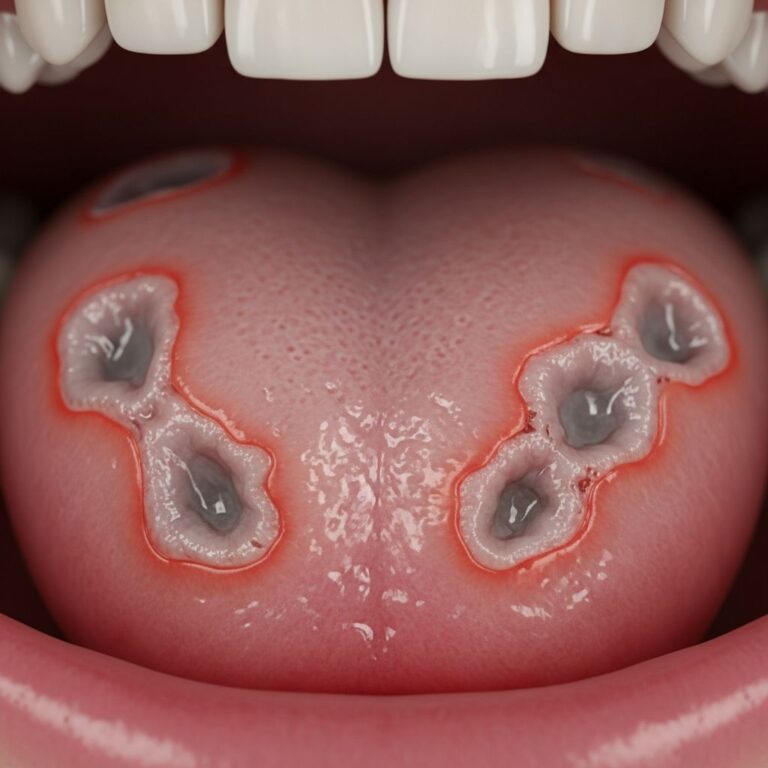
- Others: Teratogenicity, infertility, lymphoproliferative disorders.
| Side Effect | Frequency | Management |
|---|---|---|
| Nausea | 20–65% | Folic acid, split dose, bedtime dosing |
| LFT elevation | 15–50% | Dose reduction, monitor |
| Mouth sores | 10–30% | Folic acid, hygiene |
| Alopecia | 1–10% | Dose-related, reversible |
| Pneumonitis | 0.3–5% | Discontinue |
Precautions when using methotrexate
- Contraindications: Pregnancy/breastfeeding, alcohol abuse, active infection, severe liver/kidney/bone marrow disease, obesity (BMI>35), diabetes.
- Drug interactions: Avoid NSAIDs (ibuprofen), trimethoprim, proton pump inhibitors, retinoids; increased toxicity.
- Lifestyle: No alcohol, sun protection (photosensitivity), vaccinations (live vaccines contraindicated).
- Fertility: Teratogenic; effective contraception 3 months pre/post-treatment in both sexes.
Interactions of methotrexate
Methotrexate undergoes hepatic and renal clearance; interactions amplify toxicity:
- Renally excreted drugs: NSAIDs, penicillin, probenecid → reduced clearance.
- Protein binding: Salicylates, sulphonamides → displacement.
- Hepatic: Ethanol, hepatotoxins → fibrosis risk.
Monitor levels if polypharmacy; hold MTX 48–72 hours around high-risk drugs.
Alternatives to methotrexate
- Systemic: Acitretin, ciclosporin, apremilast, biologics (anti-IL17/23, anti-TNF).
- Topical/phototherapy: Calcipotriol, UVB/NB-UVB for milder cases.
- Emerging: Deucravacitinib (TYK2 inhibitor), small molecules.
Frequently Asked Questions
Can I drink alcohol on methotrexate?
No, alcohol increases hepatotoxicity risk. Abstain completely.
Does methotrexate cause hair loss?
Yes, mild thinning in 1–10%; dose-related and reversible upon discontinuation.
Is methotrexate safe in pregnancy?
No, absolutely contraindicated due to severe teratogenicity.
How long until methotrexate works for psoriasis?
2–6 weeks for initial improvement; full response by 12 weeks.
Can I get vaccinated while on methotrexate?
Inactivated vaccines OK; avoid live vaccines due to immunosuppression.
References
- Methotrexate (oral route) – Description — Mayo Clinic. 2023-10-01. https://www.mayoclinic.org/drugs-supplements/methotrexate-oral-route/description/drg-20084837
- The 10 Methotrexate Side Effects You Should Know About — GoodRx. 2024-05-15. https://www.goodrx.com/methotrexate/methotrexate-side-effects
- Methotrexate (Rheumatrex, Trexall, Otrexup, Rasuvo) — American College of Rheumatology. 2023-01-20. https://rheumatology.org/patients/methotrexate-rheumatrex-trexall-otrexup-rasuvo
- Methotrexate side-effects — PubMed (Br J Dermatol). 1990-09-01. https://pubmed.ncbi.nlm.nih.gov/2196079/
- Side effects of methotrexate — NHS. 2024-02-10. https://www.nhs.uk/medicines/methotrexate/side-effects-of-methotrexate/
- Methotrexate — National Eczema Society. 2023-08-05. https://eczema.org/information-and-advice/treatments-for-eczema/methotrexate/
- Reducing Methotrexate Side Effects: A Patient Guide — Hospital for Special Surgery. 2023-11-12. https://www.hss.edu/health-library/conditions-and-treatments/guidelines-reduce-side-effects-of-methotrexate
Similar Articles








Read full bio of Sneha Tete