Methoxyflurane: Self-Administered Pain Relief Within 4 Minutes
Discover how inhaled methoxyflurane provides rapid, self-administered pain relief in emergencies and procedures, with key safety insights.
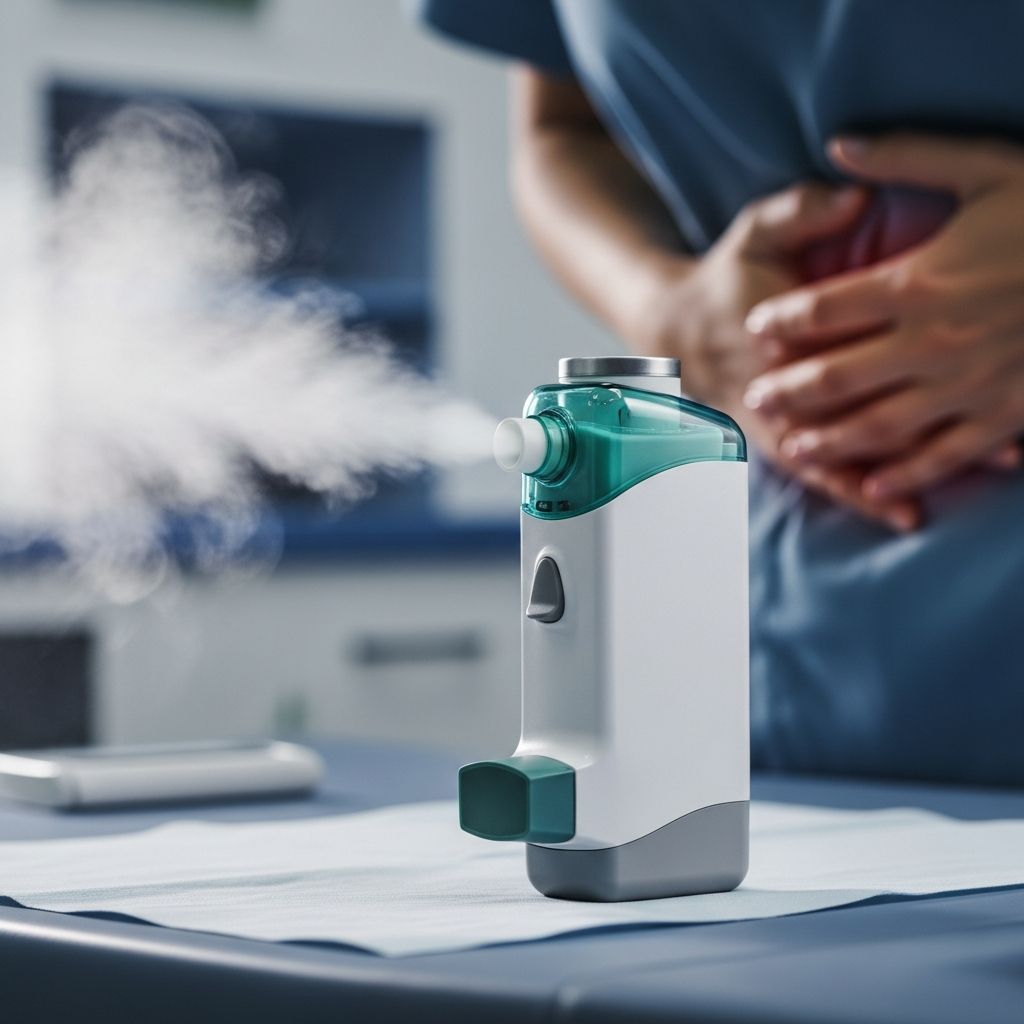
Methoxyflurane, commonly known by its brand name Penthrox®, serves as an inhaled analgesic agent designed for the short-term management of moderate to severe pain, particularly in emergency situations like trauma or during brief medical interventions. This medication offers patients the ability to self-administer relief quickly, making it a valuable tool in pre-hospital care and clinical settings where rapid onset is crucial.
Understanding Methoxyflurane’s Mechanism of Action
Methoxyflurane works by altering nerve signal transmission in the body to reduce pain sensitivity. It decreases the opening time of gap junction channels while increasing their closing time, which limits the spread of pain signals between cells. Additionally, it enhances the activity of calcium-dependent ATPase in the sarcoplasmic reticulum by improving lipid membrane fluidity. The drug also interacts with components of the electron transport chain, such as the D subunit of ATP synthase and NADH dehydrogenase, and binds to GABA receptors, contributing to its analgesic effects.
At low, analgesic doses delivered via inhalation, methoxyflurane provides effective pain control without the deep sedation associated with higher anesthetic concentrations. This targeted action makes it suitable for conscious patients needing immediate relief.
Clinical Applications in Pain Management
Methoxyflurane is primarily indicated for acute pain following injuries such as fractures, sprains, or other trauma, as well as during short procedures like wound dressing, bone marrow biopsies, or colonoscopies. In emergency departments and ambulance services, it has demonstrated superior pain reduction compared to placebo, with patients reporting significant decreases in visual analog scale (VAS) scores—often around 30 mm reduction versus 15 mm for placebo.
Studies in trauma settings show over 80% of patients achieving initial relief within 10 breaths, with a median onset time of 4 minutes. This rapid action is particularly beneficial in pre-hospital environments, where stabilizing pain can prevent shock progression.
- Trauma Pain: Effective for musculoskeletal injuries and abdominal pain, with stable vital signs post-administration.
- Procedural Sedation: Used in colonoscopy, fracture reductions, and biopsies, often matching IV sedatives like midazolam/fentanyl but with faster recovery.
- Pediatric Use: Provides satisfactory analgesia in children with fractures or during relocations, though less effective for milder pain.
Efficacy Data from Key Studies
Randomized controlled trials highlight methoxyflurane’s reliability. In one trial involving emergency department patients with minor trauma, methoxyflurane yielded a treatment effect of -15.1 mm on pain scores (95% CI: -19.2 to -11.0, p<0.0001), with reduced need for rescue medications. Adult subgroups showed even stronger effects at -17.4 mm (95% CI: -22.3 to -12.5, p<0.0001).
In procedural contexts, such as bone marrow biopsies in cancer patients, methoxyflurane combined with local anesthesia reduced ‘worst pain’ scores from 6.0 to 4.9 (p=0.011) and aspiration pain from 5.0 to 3.3 (p<0.001). Colonoscopy studies in high-risk patients (e.g., obesity or sleep apnea) reported shorter procedure times (24 vs. 52 minutes, p<0.001) and fewer complications like hypotension or desaturation.
| Study Context | Pain Score Reduction | Key Advantage |
|---|---|---|
| Trauma (ED) | -30.2 mm vs. -15.2 mm placebo | Faster onset (4 min median) |
| Bone Marrow Biopsy | 4.9 vs. 6.0 (worst pain) | Self-administration ease |
| Colonoscopy (High-risk) | Comparable to IV sedation | Quicker discharge (27 min) |
Safety Profile and Vital Signs Impact
Clinical evidence confirms methoxyflurane’s safety at analgesic doses, with minimal effects on cardiovascular and respiratory functions. A retrospective study of 590 pre-hospital patients found no clinically significant changes in systolic blood pressure, pulse rate, or respiratory rate across various indications like musculoskeletal (20%) and abdominal pain (14.6%).
Related Stories



Specific observations included slight pulse rate decreases in environmental injury cases and minor increases in geriatric patients, all within normal limits. Respiratory rates showed variability in debilitated patients but no depression or hypoxia leading to symptoms. Unlike opioids, it does not cause respiratory depression and may even stabilize breathing in pained patients.
Long-term use at high doses risks kidney damage due to fluoride metabolite accumulation, but short-term analgesic inhalation keeps levels below toxic thresholds, with no observed clinical sequelae.
Potential Side Effects and Risks
Common side effects are mild and transient, including drowsiness, dizziness, nausea, and headache. Less frequent reports involve agitation, restlessness, or euphoria. Respiratory effects like coughing or decreased oxygen saturation are rare at low doses.
Serious risks are linked to prolonged or high-dose exposure: nephrotoxicity (e.g., reduced urine output) or hepatotoxicity (e.g., jaundice, abdominal pain). Patients with pre-existing kidney/liver disease, respiratory conditions (asthma/COPD), or diabetes require caution.
- Contraindications: Malignant hyperthermia susceptibility, recent heavy methoxyflurane anesthesia, or known nephrotoxic drug use.
- Precautions: Monitor for kidney function changes; avoid in pregnancy unless benefits outweigh risks.
Administration Guidelines
Methoxyflurane is self-administered via a handheld inhaler containing 3 mL of liquid that vaporizes upon inhalation. Patients inhale intermittently through the mouthpiece, typically 3-6 breaths per demand, for 10-15 minutes maximum per dose. A second inhaler may be used if needed, but total daily exposure should not exceed 6 mL.
Instructions emphasize steady, controlled breaths to avoid over-inhalation. Medical staff supervise in clinical settings, ensuring proper use and monitoring. The device is portable, non-invasive, and allows patients to remain ambulatory.
Who Should Avoid Methoxyflurane?
Not suitable for everyone. Exclude patients with:
- Impaired consciousness or inability to self-administer.
- Severe cardiovascular instability.
- History of substance abuse, due to euphoric potential.
- Renal impairment or on nephrotoxic medications.
Pregnant individuals should consult providers, as animal studies suggest risks.
Comparisons with Other Analgesics
| Analgesic | Onset | Recovery Time | Monitoring Needs | Respiratory Risk |
|---|---|---|---|---|
| Methoxyflurane | 4 minutes | Minutes | Low | Minimal |
| IV Opioids | 5-10 min | Hours | High | High |
| IV Sedation (Midazolam/Fentanyl) | 3-5 min | 1-2 hours | High | Moderate |
Methoxyflurane excels in settings requiring quick, patient-controlled relief without intensive monitoring.
Patient Experiences and Satisfaction
Patients rate methoxyflurane highly for its ease and effectiveness. In trauma and procedural studies, satisfaction scores were high, with healthcare providers noting simplified workflows due to self-administration. Wilderness medicine applications praise its portability for remote pain management.
Frequently Asked Questions (FAQs)
What is methoxyflurane used for?
It relieves moderate to severe pain from trauma or short procedures via inhalation.
How quickly does it work?
Most patients feel relief within 4 minutes of starting inhalation.
Is it safe for children?
Yes, for moderate pain in supervised settings, but efficacy varies.
Can it cause kidney damage?
Only at high, prolonged doses; analgesic use is safe short-term.
How is it different from general anesthesia?
Low-dose inhalation provides analgesia without loss of consciousness.
Future Directions in Methoxyflurane Use
Ongoing research explores expanded roles in emergency care, pediatrics, and outpatient procedures. With millions of doses administered safely worldwide, it remains a cornerstone of inhaled analgesia.
References
- The role of inhaled methoxyflurane in acute pain management — PMC/NCBI. 2018-10-01. https://pmc.ncbi.nlm.nih.gov/articles/PMC6200081/
- Effects of Penthrox® (methoxyflurane) as an analgesic on cardiovascular and respiratory functions in the pre-hospital setting — Journal of Military and Veterans’ Health. 2019-01-01. https://jmvh.org/article/effects-of-penthrox-methoxyflurane-as-an-analgesic-on-cardiovascular-and-respiratory-functions-in-the-pre-hospital-setting/
- Methoxyflurane – Inhalation — My Health Alberta (Government of Alberta). 2023-01-01. https://myhealth.alberta.ca/Health/medications/Pages/conditions.aspx?hwid=fdb1928
- Methoxyflurane: Uses, Interactions, Mechanism of Action — DrugBank. 2024-01-01. https://go.drugbank.com/drugs/DB01028
- PENTHROX® (methoxyflurane) Product Monograph — Health Canada. 2023-05-01. https://pdf.hres.ca/dpd_pm/00065552.PDF
- Methoxyflurane — Memorial Sloan Kettering Cancer Center. 2024-01-01. https://www.mskcc.org/cancer-care/patient-education/medications/adult/methoxyflurane
Similar Articles








Read full bio of medha deb