Methyldopa for High Blood Pressure (Aldomet)
Comprehensive guide to methyldopa (Aldomet): uses, dosage, side effects, and key considerations for managing hypertension effectively.
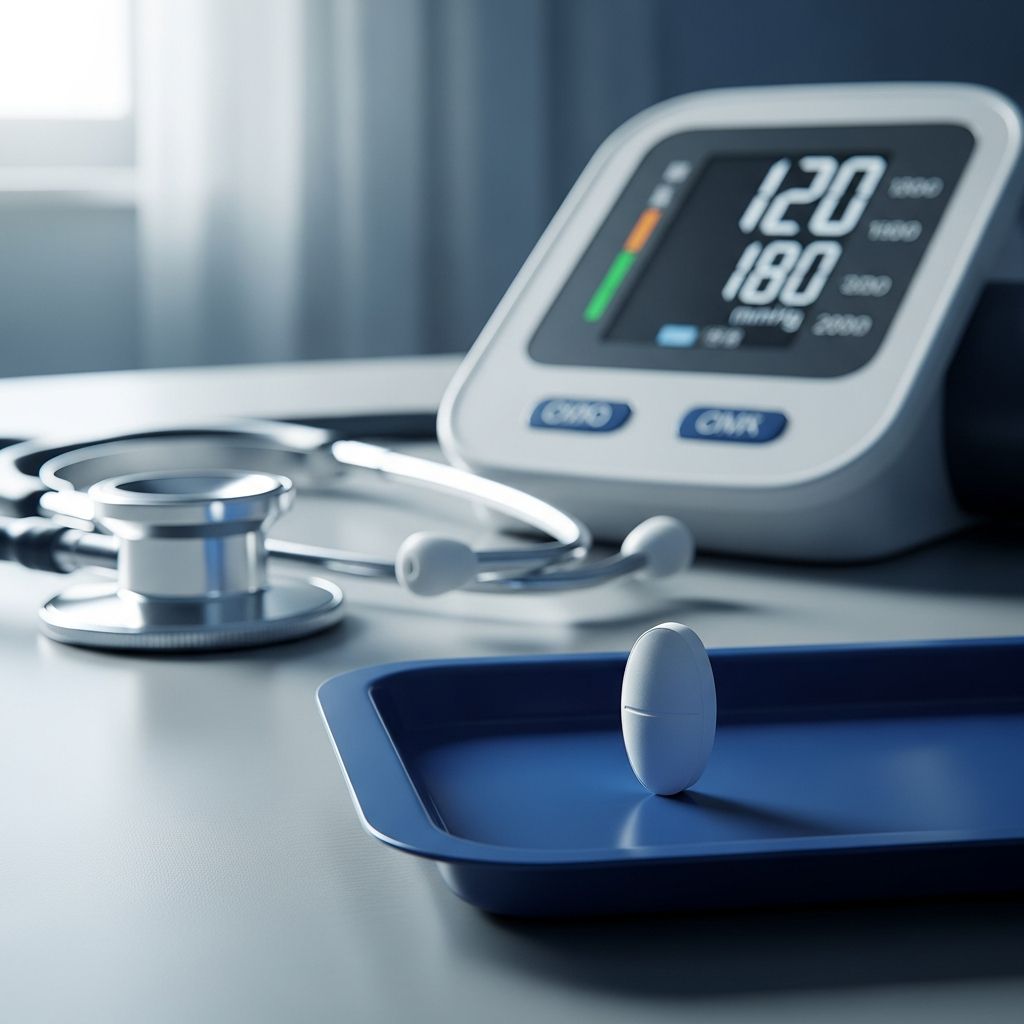
Methyldopa, commonly known by the brand name
Aldomet
, is a centrally acting antihypertensive medication primarily used to treathigh blood pressure
(hypertension). It works by relaxing blood vessels and reducing sympathetic nervous system activity, helping to lower blood pressure and reduce the risk of complications like stroke, heart attack, and kidney damage.About methyldopa tablets
Methyldopa tablets are available in strengths of 125 mg, 250 mg, and 500 mg. The tablets are yellow-colored, film-coated, and biconvex in shape. They contain the active ingredient methyldopa (as methyldopa sesquihydrate equivalent) along with excipients such as anhydrous lactose, magnesium stearate, and hydroxypropyl methylcellulose. This formulation ensures effective absorption when taken orally, with blood pressure-lowering effects typically observed within 12-24 hours and peaking at 4-6 hours.
The medication is particularly noted for its use in specific populations, including pregnant women with hypertension, due to its established safety profile in this group. Unlike newer antihypertensives, methyldopa remains relevant in resource-limited settings because of its low cost and proven efficacy in reducing systolic/diastolic blood pressure by approximately 13/8 mmHg compared to placebo.
Key facts
- Methyldopa starts to reduce blood pressure within a few hours but may take up to 2 days for full effect.
- It is usually taken 2-3 times daily.
- The maximum daily dose is 3 grams, typically achieved gradually.
- Common side effects include drowsiness, headache, and dizziness.
- It is considered safe for use during pregnancy, making it a preferred choice for gestational hypertension.
- A ‘positive direct Coombs’ test (a blood test) occurs in about 20% of patients after 6-12 months.
About high blood pressure
High blood pressure, or hypertension, is a common condition where the force of blood against artery walls is consistently too high. It often has no symptoms but significantly increases risks of heart disease, stroke, kidney failure, and vision loss. Methyldopa is effective for primary (essential) hypertension, lowering blood pressure through central alpha-2 adrenergic agonism, which inhibits adrenergic outflow and reduces peripheral resistance without majorly affecting cardiac output or renal blood flow.
Treatment aims to maintain blood pressure below 130/80 mmHg for most adults. Lifestyle changes like diet, exercise, and weight management are foundational, with medications like methyldopa added when needed. Meta-analyses confirm methyldopa’s modest but reliable blood pressure reduction, though long-term clinical outcomes like stroke prevention require further study.
How does methyldopa work for high blood pressure?
Methyldopa is a prodrug metabolized to
alpha-methylnorepinephrine
, which stimulates central inhibitoryalpha-2 adrenergic receptors
in the brainstem. This reduces sympathetic nervous system outflow, leading to vasodilation, decreased peripheral resistance, and lowered blood pressure. It primarily affects supine blood pressure and has minimal impact on heart rate or renal function, making it suitable for patients with renal issues.Effects begin within 12-24 hours orally, lasting 24-48 hours after discontinuation. Intravenous forms provide 10-16 hours of action for acute management. Clinical trials show dose-dependent reductions (500-2250 mg/day), with 750 mg daily most studied.
When to take methyldopa
- Take with or just after food to minimize stomach upset, or as advised.
- Swallow tablets whole with water; do not crush or chew.
- If you forget a dose, take it as soon as remembered unless near the next dose—never double up.
- For once-daily dosing, take at the same time daily; for multiple doses, space evenly (e.g., 8-12 hours apart).
Related Stories



Common questions about methyldopa
How long does it take to work?
Initial effects occur within hours, but steady-state reduction may take 2 days. Full blood pressure control often requires dose titration over weeks.
How long do you take methyldopa for?
Usually long-term to manage chronic hypertension. Do not stop abruptly without medical advice, as blood pressure may rebound.
Should I take it in the morning?
Morning dosing helps manage daytime blood pressure peaks and reduces nighttime drowsiness.
Does it affect contraception or fertility?
No known impact on hormonal contraception or fertility.
Does it cause drowsiness?
Yes, sedation is common initially; avoid driving or operating machinery until effects are known. Tolerance often develops.
Can I drink alcohol?
Limit alcohol, as it may enhance drowsiness and blood pressure-lowering effects.
Dosage
Always follow your doctor’s prescribed dose. Standard adult starting dose is 250 mg 2-3 times daily, increased gradually to max 3 g/day in divided doses. Elderly start at 125 mg twice daily. Children: 10 mg/kg/day initially, max 65 mg/kg or 3 g/day. Reduce dose if sedation occurs.
| Patient Group | Starting Dose | Maintenance Dose | Max Daily Dose |
|---|---|---|---|
| Adults | 250 mg 2-3x/day | Titrate as needed | 3 g |
| Elderly | 125 mg 2x/day | Titrate slowly | 2 g |
| Children | 10 mg/kg/day | Up to 65 mg/kg | 3 g |
Taking methyldopa with other medicines and herbal supplements
Methyldopa interacts with various drugs:
- Antihypertensives: Enhanced effects with diuretics, beta-blockers, calcium channel blockers—increased hypotension risk.
- Sympathomimetics: Reduced efficacy (e.g., ephedrine).
- Antidepressants: MAOIs, tricyclics may alter response.
- Iron supplements: Reduce absorption; space by 2-3 hours.
- NSAIDs: May antagonize antihypertensive effect.
Inform your doctor of all medications. No major herbal interactions noted, but caution with those affecting blood pressure (e.g., ginseng).
Common side effects
Most side effects improve over time. Contact doctor if persistent.
| Side Effect | Common (>1/100) | Rare Advice |
|---|---|---|
| Drowsiness/Fatigue | Yes | May improve; avoid driving |
| Headache/Dizziness | Yes | Stand slowly |
| Dry Mouth | Yes | Sip water, sugar-free gum |
| Impotence/Libido Loss | Yes | Discuss alternatives |
| Depression | Yes | Seek help if mood worsens |
| Nasal Congestion | Yes | Usually mild |
Positive Coombs test in 20% after prolonged use; monitor liver function.
Serious side effects
Symptoms of serious allergic reaction (anaphylaxis): swollen lips/mouth/throat/tongue, breathing difficulty, rash, fainting—call 999. Liver issues: jaundice, dark urine, abdominal pain. Blood disorders: unexplained bruising, sore throat, infections. Heart failure worsening: shortness of breath, swelling. Pancreatitis: severe pain, nausea.
Pregnancy and breastfeeding
Methyldopa is a first-line agent for hypertension in pregnancy due to extensive safety data. It crosses the placenta but does not harm the fetus. Continue if already taking; monitor blood pressure closely. Safe in breastfeeding—minimal milk transfer, no infant effects reported.
Other medicines, food and drink
- Food: Take with food to reduce nausea.
- Alcohol: Avoid excess; potentiates sedation.
- Caffeine: No interaction, but monitor blood pressure.
- Grapefruit: No known issue.
Monitoring and tests
- Blood pressure checks at start and regularly.
- Liver function, blood counts every 6 months.
- Coombs test after 6-12 months.
Stopping suddenly
Abrupt cessation may cause rebound hypertension. Taper under medical supervision.
Cautions
- Phaeochromocytoma: Not first-line.
- History of liver disease or depression: Use cautiously.
- Parkinson’s: May worsen.
Alternatives
Labetalol, nifedipine for pregnancy; ACE inhibitors (non-pregnant); lifestyle first.
Related NHS pages
- High blood pressure information
- Medicines for high blood pressure
Frequently asked questions (FAQs)
Is methyldopa safe in pregnancy?
Yes, it’s recommended for gestational hypertension.
What if I miss a dose?
Take ASAP unless near next; don’t double.
Can methyldopa cause weight gain?
Not typically; fluid retention rare.
How does it compare to other antihypertensives?
Less side effects than some older drugs but more sedation than modern options.
Is it available over-the-counter?
No, prescription only.
References
- Methyldopa for primary hypertension — Oniyangi O, Cohall D. 2020-04-08. https://pmc.ncbi.nlm.nih.gov/articles/PMC7154320/
- Methyldopa reduces blood pressure in people with high blood pressure — Cochrane. 2009-06-01. https://www.cochrane.org/evidence/CD003893_methyldopa-reduces-blood-pressure-people-high-blood-pressure
- Methyldopa – StatPearls — Sachdeva A, Wakhlu A. 2023-07-17. https://www.ncbi.nlm.nih.gov/books/NBK551671/
- Methyldopa: Uses, Side Effects, Interactions — WebMD. 2023. https://www.webmd.com/drugs/2/drug-8678/methyldopa-oral/details
- Methyldopa: Uses, Interactions, Mechanism of Action — DrugBank. 2023. https://go.drugbank.com/drugs/DB00968
Similar Articles








Read full bio of Sneha Tete