Metronidazole Vaginal Gel: Uses, Dosage & Side Effects
Complete guide to metronidazole vaginal gel for treating bacterial vaginosis and vaginal infections.
Metronidazole Vaginal Gel: Uses & Side Effects
Metronidazole vaginal gel is an antibiotic medication specifically designed to treat bacterial infections in the vagina. This antimicrobial treatment is highly effective for addressing bacterial vaginosis and other bacterial vaginal infections. Unlike some other treatment options, metronidazole vaginal gel does not treat yeast infections or infections caused by viruses, making it essential to receive proper diagnosis before beginning treatment.
What Is Metronidazole Vaginal Gel?
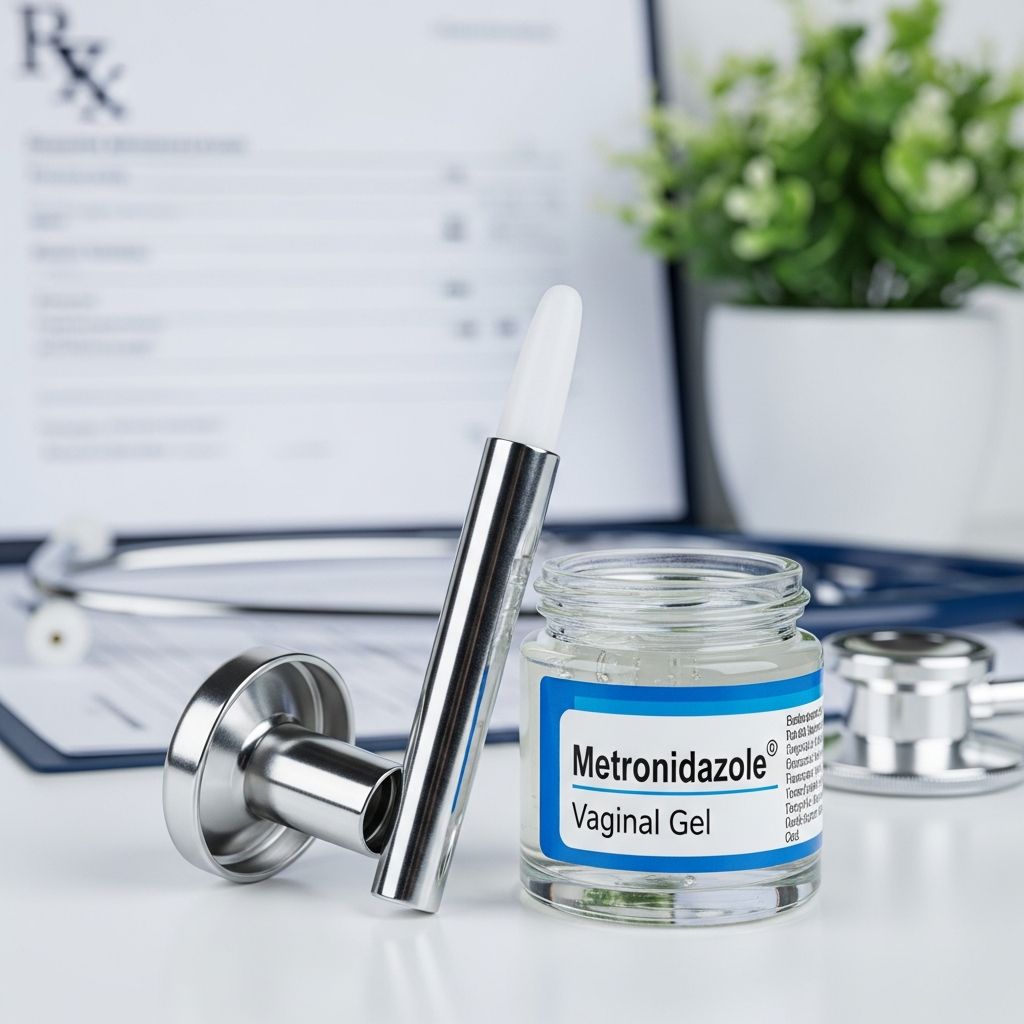
Metronidazole is a prescription antibiotic belonging to a class of medications specifically formulated to eliminate excessive bacteria in the vaginal environment. The gel formulation allows for direct application to the affected area, ensuring targeted treatment with minimal systemic absorption. The standard concentration available is 0.75% metronidazole gel, which comes with a special applicator for convenient and precise application.
This medication is exclusively for vaginal use and should never be taken by mouth or applied to other areas of the body. The gel formulation provides a convenient delivery method that allows the medication to remain in contact with the affected tissue for optimal therapeutic effect.
Common Uses and Indications
Metronidazole vaginal gel is primarily prescribed to treat bacterial vaginosis, a common vaginal infection characterized by an imbalance of naturally occurring bacteria in the vagina. Healthcare providers may recommend this medication for various clinical presentations, including:
- Symptomatic bacterial vaginosis with vaginal discharge or odor
- Asymptomatic bacterial vaginosis in certain clinical situations
- Prevention of upper genital tract infections before gynecological procedures
- Recurrent bacterial vaginosis requiring suppressive therapy
- Bacterial vaginosis during pregnancy, particularly when recommended by healthcare providers
Dosage and Administration Instructions
Standard Treatment Regimen
The typical dosage for metronidazole vaginal gel is 0.75% concentration, with one full applicator (5 grams) applied once daily for five consecutive days. Some healthcare providers may prescribe a single dose at bedtime or alternative regimens based on individual patient needs and clinical circumstances.
Step-by-Step Application Instructions
Proper application of metronidazole vaginal gel is crucial for achieving optimal therapeutic results. Follow these detailed steps:
- Wash your hands thoroughly with soap and water before beginning treatment
- Screw the special applicator onto the tube of metronidazole gel
- Gently squeeze the tube to fill the applicator to the level indicated on the applicator
- Lie on your back and bend your knees, spreading your legs comfortably apart
- Gently insert the applicator tip high into the vagina
- Push the plunger slowly and steadily to release all the gel into the vagina
- Gently remove the applicator from the vagina
- Wash the applicator thoroughly with warm soap and water after each use if reusing
- Wash your hands again with soap and water to prevent spreading bacteria
Related Stories



Treatment Completion and Important Reminders
It is absolutely critical to complete the full course of prescribed treatment, even if symptoms improve after a few days. Discontinuing treatment prematurely may result in incomplete bacterial elimination and increase the risk of infection recurrence. Use the medication at regular intervals as directed by your healthcare provider and never modify the treatment schedule without medical guidance.
Special Dosing Considerations
Recurrent Bacterial Vaginosis Treatment
For patients who experience recurrent bacterial vaginosis, defined as three or more episodes within a 12-month period, healthcare providers may recommend suppressive therapy after initial treatment. This involves applying metronidazole vaginal gel twice weekly for four months to significantly reduce recurrence rates. Clinical studies have demonstrated that this suppressive approach reduces recurrence from approximately 75% down to 51% over a 28-week follow-up period.
Missed Dose Instructions
If you miss a dose of metronidazole vaginal gel, apply it as soon as you remember. However, if it is almost time for your next scheduled dose, skip the missed dose entirely and resume your regular dosing schedule. Never double up on doses to compensate for a missed application.
Side Effects and Safety Information
Common Side Effects
Most side effects associated with metronidazole vaginal gel are mild and typically do not require medical intervention. These common side effects may include:
- Vaginal irritation or burning sensation
- Mild vaginal discharge changes
- Slight metallic taste in the mouth
- Mild gastrointestinal discomfort
- Headache
These effects usually resolve as your body adjusts to the medication and typically disappear completely upon finishing the full course of treatment. If these effects persist or become bothersome, contact your healthcare provider for guidance.
Serious Side Effects Requiring Immediate Medical Attention
While serious side effects are uncommon with metronidazole vaginal gel, you should contact your healthcare provider immediately if you experience:
- Severe allergic reactions including rash, itching, or swelling
- Severe vaginal irritation or burning
- Signs of secondary yeast infection including increased itching or white discharge
- Neurological symptoms such as numbness or tingling
- Severe gastrointestinal symptoms
A potential side effect of metronidazole therapy is the development of vulvovaginal candidiasis (yeast infection), which should be treated as needed with appropriate antifungal medication.
Important Precautions and Contraindications
Alcohol and Medication Interactions
Do not consume alcoholic beverages or use products containing alcohol or propylene glycol while taking metronidazole and for at least three days after your final dose. Combining alcohol with metronidazole can cause severe reactions including nausea, vomiting, stomach cramps, headache, sweating, and facial flushing. This reaction can be quite uncomfortable and warrants strict adherence to alcohol avoidance.
Sexual Activity During Treatment
Avoid all vaginal intercourse during your course of metronidazole treatment. Wait until you have completed the full prescribed course and are completely symptom-free before resuming sexual activity. If you are being treated for a sexually transmitted infection, inform your sexual partners that they may also require treatment, even if they are asymptomatic.
Avoiding Other Vaginal Products
Do not use other vaginal products during treatment with metronidazole gel, including tampons, douches, or other vaginal creams or medications. These products may interfere with the medication’s effectiveness and increase the risk of adverse reactions.
Eye and Skin Contact
Take care to avoid getting metronidazole gel in your eyes, mouth, or on your skin. If the gel accidentally contacts your eyes, wash them immediately with cool water and contact your healthcare provider. If skin contact occurs, wash the area thoroughly with water.
Pre-Treatment Health Considerations
Before beginning treatment with metronidazole vaginal gel, inform your healthcare provider if you have or have ever had:
- Central nervous system conditions including diseases of the spinal cord or brain
- Blood disorders or diseases
- Liver disease or impaired liver function
- Kidney disease or reduced kidney function
Pregnancy and Breastfeeding
If you are pregnant, planning to become pregnant, or breastfeeding, discuss this with your healthcare provider before using metronidazole vaginal gel. During the first trimester of pregnancy, metronidazole vaginal gel is generally preferred over oral forms. If you become pregnant while using this medication, contact your doctor immediately. While treatment during pregnancy has not been shown to lower the risk of pregnancy complications, your healthcare provider will determine the most appropriate course of action for your individual situation.
Frequently Asked Questions
Q: Is metronidazole vaginal gel available over the counter?
A: No, metronidazole vaginal gel is available by prescription only and cannot be purchased without a doctor’s prescription. Your healthcare provider must diagnose your condition and prescribe this medication specifically for you.
Q: How long does it take for metronidazole vaginal gel to work?
A: While some patients may notice symptom improvement within a few days, it is essential to complete the full prescribed course of treatment. Symptoms typically improve within 3-5 days, but the medication requires the complete treatment duration to fully eliminate the bacterial infection and prevent recurrence.
Q: Can I use metronidazole vaginal gel during my menstrual period?
A: It is generally recommended to avoid using tampons during treatment. Consult with your healthcare provider regarding menstrual management during your treatment course, as some providers may recommend adjusting timing or using alternative menstrual products.
Q: What should I do if I experience an allergic reaction?
A: If you develop signs of an allergic reaction including rash, itching, swelling, or difficulty breathing, discontinue use immediately and seek emergency medical attention or contact your healthcare provider right away.
Q: Can metronidazole vaginal gel treat yeast infections?
A: No, metronidazole vaginal gel is specifically formulated to treat bacterial infections and will not treat yeast infections or viral infections. If you have a yeast infection, you will need different medication prescribed by your healthcare provider.
Q: How much does metronidazole vaginal gel cost?
A: The cost varies depending on your insurance coverage and pharmacy. Generic versions are typically less expensive than brand-name versions. A single treatment (one 70g tube with applicator) may range from $30-60, depending on your location and insurance coverage.
Q: What if metronidazole vaginal gel doesn’t work for my infection?
A: If your infection does not improve after completing the full course of treatment, contact your healthcare provider. They may recommend alternative antibiotics such as clindamycin or consider additional diagnostic testing to confirm the diagnosis and identify other potential causes.
Storage and Disposal
Store metronidazole vaginal gel at room temperature away from heat, moisture, and direct light. Keep the medication in its original container and keep it out of reach of children and pets. Do not freeze the medication. Dispose of any unused medication according to local pharmacy guidelines or medication disposal programs. Never flush medications down the toilet unless specifically instructed to do so.
When to Contact Your Healthcare Provider
Contact your healthcare provider if you experience severe or persistent side effects, signs of allergic reaction, lack of symptom improvement after completing treatment, signs of secondary yeast infection, or if you have any questions or concerns about your medication. Prompt communication with your healthcare team ensures optimal treatment outcomes and helps address any complications quickly.
References
- Metronidazole Vaginal Gel: Uses & Side Effects — Cleveland Clinic. 2024. https://my.clevelandclinic.org/health/drugs/20304-metronidazole-vaginal-gel
- Bacterial Vaginosis (BV) – Gynecology and Obstetrics — MSD Manuals. 2021. https://www.msdmanuals.com/professional/gynecology-and-obstetrics/vaginitis-cervicitis-and-pelvic-inflammatory-disease/bacterial-vaginosis-bv
- Vulvovaginitis: Find the cause to treat it — Cleveland Clinic Journal of Medicine, Vol. 84, No. 3. 2017. https://www.ccjm.org/content/84/3/215
- Bacterial Vaginosis (BV): Causes, Symptoms & Treatment — Cleveland Clinic. 2024. https://my.clevelandclinic.org/health/diseases/3963-bacterial-vaginosis
- What to Do for Patients With Recurring Bacterial Vaginosis — Cleveland Clinic ConsultQD. 2024. https://consultqd.clevelandclinic.org/what-to-do-for-patients-with-recurring-bacterial-vaginosis
- Boric Acid for Bacterial Vaginosis (BV) — Everly Well. 2024. https://www.everlywell.com/blog/virtual-care/boric-acid-for-bv/
Similar Articles








Read full bio of medha deb