Miconazole for Fungal Skin and Nail Infections
Comprehensive guide to using miconazole (Daktarin) for treating fungal infections of skin and nails effectively and safely.
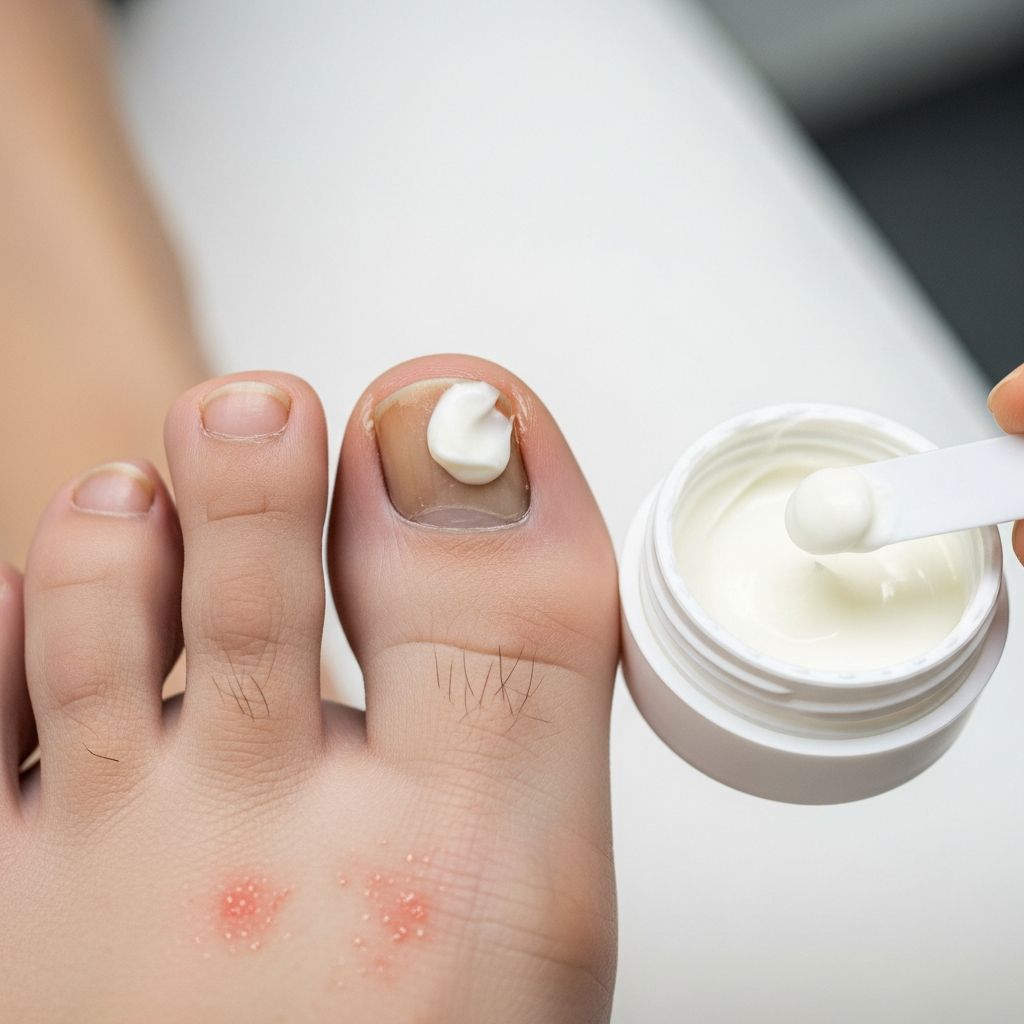
Miconazole is an antifungal medicine used to treat fungal infections of the skin and nails, commonly sold under the brand name Daktarin. It works by disrupting the cell membrane of fungi, effectively stopping their growth and spread.
About miconazole
Miconazole belongs to the azole class of antifungals with broad-spectrum activity against yeasts like Candida species and dermatophytes such as Trichophyton, Epidermophyton, and Microsporum. Available in creams, ointments, sprays, powders, and gels, it is applied topically to affected areas. This medication targets infections including athlete’s foot (tinea pedis), jock itch (tinea cruris), ringworm (tinea corporis), pityriasis versicolor, and cutaneous candidiasis.
Unlike oral antifungals, topical miconazole has minimal systemic absorption, reducing the risk of widespread side effects. It has been in use since the 1970s and is available over-the-counter for many indications, making it accessible for mild to moderate infections.
Key facts
- Drug type: Imidazole antifungal (azole class).
- Common brands: Daktarin, Monistat (for other uses).
- Forms: Cream (2%), ointment, powder, spray, gel.
- Treatment time: Typically 2-4 weeks for skin infections; longer for nails.
- Pregnancy: Generally safe (Category B), but consult a doctor.
- Age suitability: Safe for adults and children over 4 weeks for certain uses.
About fungal skin infections
Fungal skin infections, or dermatophytoses, are caused by dermatophytes, yeasts, or molds thriving in warm, moist environments. Common types include:
- Athlete’s foot (tinea pedis): Itchy, peeling skin between toes.
- Jock itch (tinea cruris): Red, itchy rash in groin area.
- Ringworm (tinea corporis): Circular, red patches with raised edges.
- Pityriasis versicolor: Discolored patches on chest, back, arms.
- Nail infections (onychomycosis): Thickened, brittle nails, often requiring prolonged treatment.
- Cutaneous candidiasis: Red, moist rashes in skin folds.
These infections spread via direct contact, shared towels, or contaminated surfaces. Risk factors include sweaty feet, tight shoes, diabetes, immunosuppression, and humid climates.
Symptoms of fungal infections
Symptoms vary by infection type but commonly include:
| Infection Type | Key Symptoms |
|---|---|
| Athlete’s foot | Itching, stinging, cracking/peeling skin, blisters between toes. |
| Jock itch | Red, itchy rash with sharp borders in groin; may spread to thighs. |
| Ringworm | Red, scaly, ring-shaped patches; central clearing. |
| Pityriasis versicolor | Light/dark patches, fine scaling, mild itching. |
| Nail fungus | Brittle, thickened nails; discoloration (yellow/white); debris under nails. |
Untreated infections can spread, cause secondary bacterial infections, or become chronic.
How to use miconazole
Always follow package instructions or doctor’s advice. General guidelines:
- Wash and dry affected area gently before application.
- Apply a thin layer twice daily (morning and evening) to cover infection and 2-3 cm beyond.
- For nails: Apply to nail, under tip, and surrounding skin; may take months.
- Continue for 7-14 days after symptoms resolve to prevent recurrence.
- Wash hands after use, unless treating hands.
Dosage by condition
| Condition | Dosage | Duration |
|---|---|---|
| Athlete’s foot | Twice daily | 4 weeks |
| Jock itch/Ringworm | Twice daily | 2-4 weeks |
| Pityriasis versicolor | Once/twice daily | 1-3 weeks |
| Nail infections | Twice daily | 6-12 months |
Use powder or spray for moist areas like feet.
Dosage information
Standard strength is 2% cream. For severe cases, doctors may prescribe higher strengths or combinations. Children: Same as adults unless specified. Do not use on broken skin or deep wounds without advice.
Related Stories



How to use the cream/ointment/powder/spray
- Cream/Ointment: Rub thinly into clean, dry skin.
- Powder/Spray: Shake well; apply liberally to feet/shoes for athlete’s foot.
- Avoid eyes, mouth, mucous membranes unless specified (e.g., oral gel for thrush).
- Store below 25°C; do not refrigerate.
For best results, keep area dry: use talc-free powder, cotton socks, breathable shoes.
Cautions
Do not use if allergic to azoles. Consult doctor if:
- No improvement after 4 weeks.
- Pregnant/breastfeeding.
- Diabetes, immune issues, or corticosteroid use.
- Infection on face/scalp/genitals (may need different treatment).
Avoid occlusive dressings unless directed.
Side effects
Generally well-tolerated; most effects are local:
- Common (>1%): Mild burning, stinging, itching, redness at site.
- Rare: Severe irritation, blistering, swelling.
- Allergic reactions: Rash, hives, swelling, breathing difficulty (seek emergency care).
Nail use may cause temporary discoloration. Systemic effects unlikely due to low absorption.
Interactions
Minimal with topicals, but:
- Avoid other skin products unless compatible.
- May inactivate latex condoms (for vaginal use, not primary here).
- Warfarin: Rare potentiation if large areas treated.
Other medicines, food and drink, and driving
No food/drink interactions. Topical use does not impair driving. Inform doctor of all medications.
Pregnancy and breastfeeding
Limited systemic absorption makes it low-risk. Studies show no fetal harm. Breastfeeding: Safe if not applied to breasts. Consult healthcare provider.
Common questions
Is miconazole effective?
Yes, high cure rates in clinical trials, superior to nystatin in some vaginal studies; effective for skin/nails.
Can I use on children?
Yes, from 4 weeks for certain uses; supervise application.
Does it cure nail fungus completely?
Often requires 6-12 months; recurrence common without prevention.
Frequently Asked Questions (FAQs)
How long until miconazole works?
Improvement in 3-7 days; complete full course.
Can I use miconazole with steroids?
Combination products exist (e.g., with hydrocortisone); doctor-approved only.
What if it worsens?
Stop and see a doctor; may indicate bacterial co-infection.
Prevent recurrence?
Keep feet dry, change socks daily, treat shoes with antifungal spray.
Over-the-counter or prescription?
Mostly OTC; prescription for severe/nail cases.
References
- Miconazole: Uses, Interactions, Mechanism of Action — DrugBank. 2023. https://go.drugbank.com/drugs/DB01110
- Miconazole: a review of its antifungal activity and therapeutic efficacy — PubMed. 1975-08-11. https://pubmed.ncbi.nlm.nih.gov/1149649/
- Miconazole (topical route) — Mayo Clinic. 2024. https://www.mayoclinic.org/drugs-supplements/miconazole-topical-route/description/drg-20068784
- Miconazole topical – Uses, Side Effects — WebMD. 2024. https://www.webmd.com/drugs/2/drug-61279/antifungal-miconazole-topical/details
- Miconazole Skin Cream: Uses & Side Effects — Cleveland Clinic. 2024. https://my.clevelandclinic.org/health/drugs/20834-miconazole-skin-cream
- Antifungal (miconazole) 2% topical cream — Kaiser Permanente. 2024. https://healthy.kaiserpermanente.org/health-wellness/drug-encyclopedia/drug.antifungal-miconazole-2-topical-cream.441066
Similar Articles








Read full bio of Sneha Tete