Miconazole For Vaginal Thrush: Complete Guide To Treatment
Comprehensive guide to using miconazole for treating vaginal thrush symptoms effectively and safely at home.
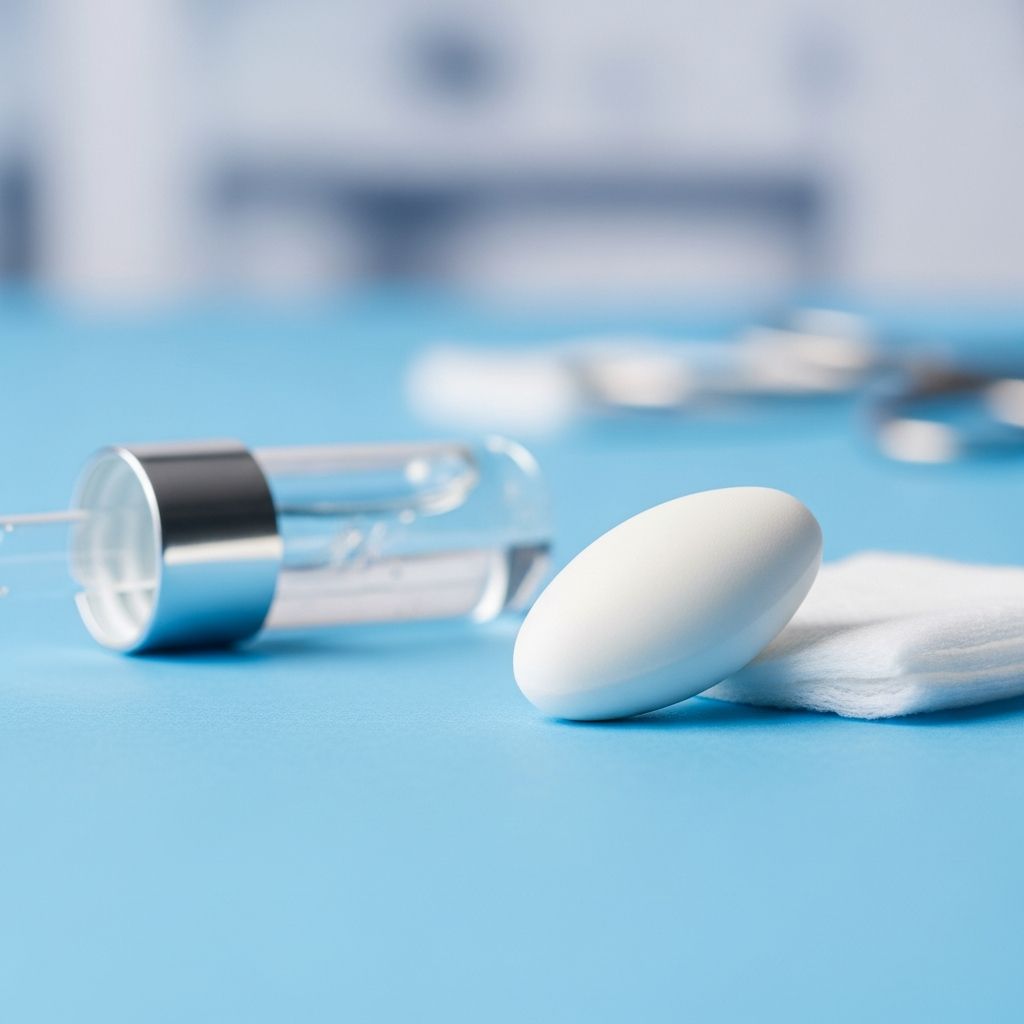
Miconazole is an antifungal medicine used to treat vaginal thrush, a common yeast infection caused by an overgrowth of Candida albicans. It is available over-the-counter as pessaries, creams, or combination packs to relieve itching, burning, and discharge.
About miconazole for vaginal thrush
Vaginal thrush affects many women, causing discomfort from itching and irritation. Miconazole works by stopping the growth of the fungus responsible, providing relief within days. Common brands include Gyno-Daktarin, which offers pessaries for internal use and creams for external symptoms.
Thrush is not a sexually transmitted infection but can recur due to factors like antibiotics, pregnancy, or diabetes. Miconazole treats uncomplicated cases effectively, with cure rates over 80%.
Key facts about miconazole for vaginal thrush
- Drug group: Antifungal (imidazole class).
- Over-the-counter: Yes, for adults; consult a doctor for children or recurrent cases.
- Brand names: Gyno-Daktarin, Monistat.
- Forms: Pessaries (vaginal tablets), creams for internal/external use.
- Treatment duration: 1-7 days depending on product strength.
- Pregnancy: Safe with longer courses recommended.
About vaginal thrush
Vaginal thrush, or candidiasis, occurs when Candida yeast overgrows in the vagina, leading to white discharge, intense itching, soreness, and redness. It is more common during pregnancy, with oral contraceptive use, or impaired immunity.
Symptoms of vaginal thrush
- Thick, white discharge resembling cottage cheese.
- Itching and irritation around the vagina and vulva.
- Burning sensation, especially during sex or urination.
- Redness and swelling of the vulva.
- Soreness or pain during intercourse.
Causes of vaginal thrush
Caused primarily by Candida albicans, triggered by hormonal changes, antibiotics disrupting vaginal flora, diabetes, tight clothing, or weakened immunity.
How and when to use miconazole products
Miconazole comes as pessaries inserted at bedtime or creams applied internally/externally. Follow package instructions precisely.
Dosage information
Common regimens include:
- Single-dose pessary (1200 mg miconazole).
- 3-day course: 200 mg pessary nightly.
- 7-day course: 100 mg pessary nightly or 2% cream daily.
For vulval symptoms, apply external cream twice daily. Wear a panty liner as discharge may increase initially.
How to use miconazole pessaries
- Wash hands thoroughly.
- Unwrap pessary and insert deeply into vagina using applicator or finger, lying down.
- Remain lying down for 5-30 minutes post-insertion.
- Dispose of applicator if single-use.
How to use miconazole cream
Fill applicator with cream, insert into vagina, and depress plunger. Apply external cream sparingly to vulva. Clean reusable applicators with soap and water.
How to use combination packs
These include internal pessary/cream plus external cream for comprehensive relief of internal and vulval symptoms.
Dosage
| Product | Strength | Duration | Use |
|---|---|---|---|
| Miconazole Pessary | 1200 mg | 1 day | Single dose at bedtime. |
| Miconazole Pessary | 200 mg | 3 days | Nightly. |
| Miconazole Pessary/Cream | 100 mg / 2% | 7 days | Nightly internal + external twice daily. |
| Miconazole Cream (external) | 2% | 7-14 days | As needed for vulval relief. |
Continue full course even if symptoms improve. Symptoms often ease in 3 days.
Getting the most from your treatment
Related Stories



- Avoid intercourse, tampons, douches, or spermicides during treatment.
- Miconazole may damage latex condoms; use non-latex alternatives or abstain for 72 hours post-treatment.
- Wear loose cotton underwear; avoid perfumed products.
- Finish entire course to prevent recurrence.
Side effects of miconazole pessaries and cream
Most women experience mild side effects that resolve quickly.
Common side effects
- Increased burning or itching initially.
- Redness or irritation at application site.
- Staining of clothing from discharge.
Serious side effects (rare)
- Severe allergic reactions: rash, swelling, breathing difficulty – seek emergency help.
- Persistent worsening symptoms.
Report severe or ongoing issues to a doctor.
How to cope with side effects of miconazole pessaries and cream
- For mild burning: Apply cool compresses or use a soothing emollient.
- Wear sanitary pads to manage discharge.
- If irritation worsens, stop use and consult a pharmacist.
Precautions
Do not use if allergic to imidazoles. Consult a doctor if under 16, pregnant (though safe), breastfeeding, or symptoms persist >7 days.
Pregnancy and breastfeeding
Safe in pregnancy; use 7-day course. Topical use minimizes systemic absorption during breastfeeding.
Cautions
- Not for bacterial/viral infections or under 12 without advice.
- May interact with blood thinners like warfarin.
- Diabetes or immune issues: Seek medical evaluation first.
Other medicines, food, drink and driving
- No food/drink interactions.
- Driving: No effect.
- Interactions: Rare; inform doctor of other medications.
Common questions about miconazole for vaginal thrush
Is miconazole effective?
Yes, azoles like miconazole cure 80-90% of uncomplicated cases.
Can I use miconazole when pregnant?
Yes, prefer topical for 7 days.
Does miconazole weaken condoms?
Yes, avoid latex condoms during and shortly after treatment.
What if symptoms don’t improve?
See a doctor; may need oral fluconazole or tests for resistance.
Can men use miconazole for thrush?
Yes, topical cream for balanitis.
How to prevent recurrent thrush?
Probiotics, cotton underwear, blood sugar control, weekly maintenance if recurrent.
Recurrent vaginal thrush
If >4 episodes/year, initial longer treatment (7-14 days topical or 3 fluconazole doses), followed by 6-month maintenance (weekly fluconazole).
Alternatives to miconazole
- Clotrimazole, econazole pessaries/creams.
- Oral fluconazole (single 150 mg dose).
- Itraconazole for resistant cases.
When not to use miconazole for vaginal thrush
Avoid if symptoms suggest other infections (e.g., thin/green discharge, fever). Consult for first episode, recurrence, or uncertainty.
Further reading and references
For more, see NHS or CDC guidelines on yeast infections.
References
- Vaginal Thrush: Symptoms, Causes, and Treatment — Patient.info. 2023. https://patient.info/sexual-health/vaginal-discharge-female-discharge/vaginal-thrush-yeast-infection
- Vaginal and Vulval Candidiasis — Patient.info. 2024. https://patient.info/doctor/infectious-disease/vaginal-and-vulval-candidiasis
- Vulvovaginal Candidiasis – STI Treatment Guidelines — Centers for Disease Control and Prevention (CDC). 2021. https://www.cdc.gov/std/treatment-guidelines/candidiasis.htm
- Miconazole Vaginal Suppository — Cleveland Clinic. 2023. https://my.clevelandclinic.org/health/drugs/21009-miconazole-vaginal-suppository
- Miconazole Vaginal: MedlinePlus Drug Information — MedlinePlus (U.S. National Library of Medicine). 2024. https://medlineplus.gov/druginfo/meds/a601203.html
Similar Articles








Read full bio of medha deb