Undefined Miconazole Oral Gel: Complete Treatment Guide
Comprehensive guide to using miconazole gel for oral fungal infections
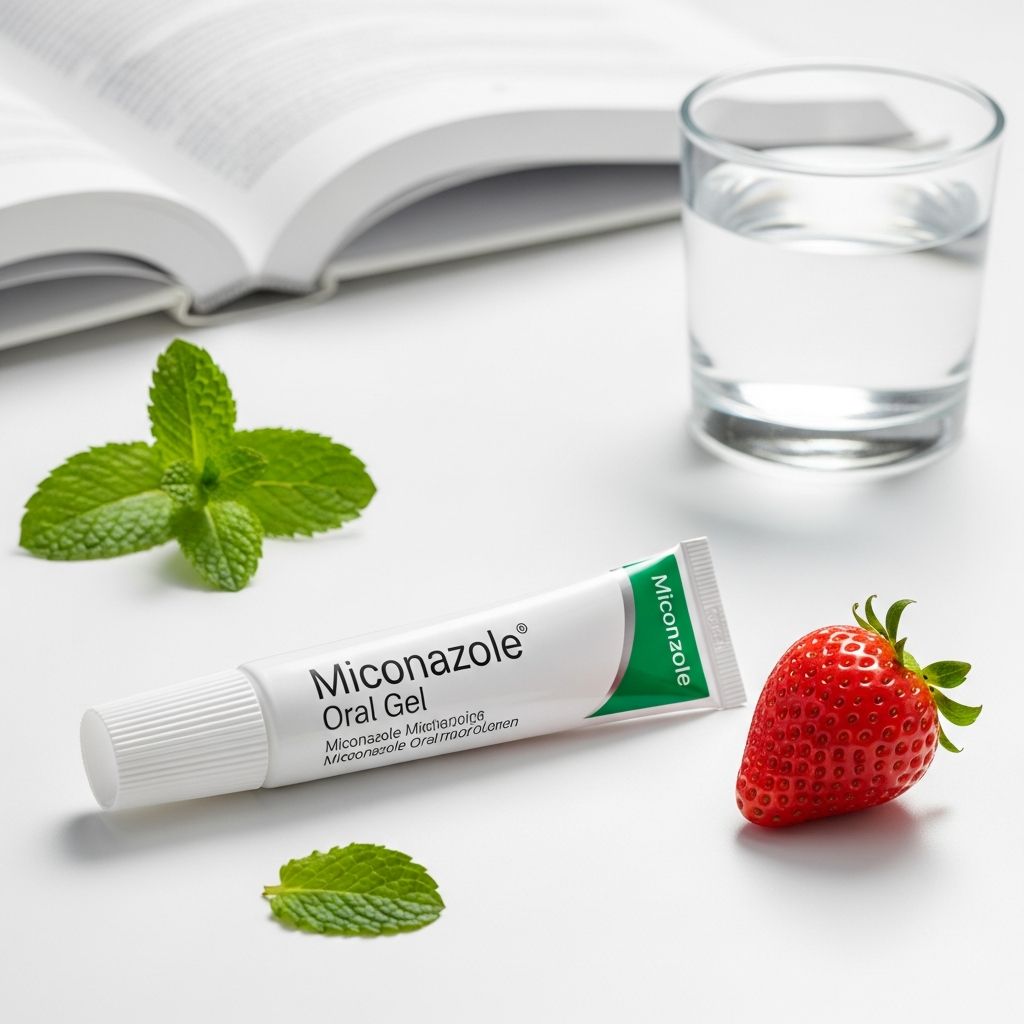
Fungal infections affecting the mouth and throat are common conditions that can cause discomfort and difficulty with eating or swallowing. Miconazole oral gel represents a widely-used pharmaceutical solution designed to address these infections effectively. This medication works through a well-established mechanism that targets and eliminates fungal organisms responsible for oral infections. Understanding how this treatment works, when to use it, and what to expect during treatment is essential for anyone dealing with oral fungal conditions.
What Is Miconazole Oral Gel?
Miconazole is an antifungal medication available in gel formulation specifically designed for oral application. The gel contains miconazole as its active ingredient, formulated under various brand names including Daktarin. This medicine belongs to a class of medications known as antifungals, which work by destroying fungal organisms or preventing their growth. The gel formulation offers several advantages for treating oral conditions, as it allows the medication to remain in contact with affected tissues for extended periods.
The product typically comes in a fruity-orange flavored, sugar-free formula that makes administration easier, particularly for children. The gel is supplied in tubes ranging from 15g to 40g, with a measuring spoon provided to ensure accurate dosing.
How Miconazole Works Against Fungal Infections
The effectiveness of miconazole lies in its unique mechanism of action against fungal cells. The medication functions by inhibiting ergosterol biosynthesis in fungal cell membranes. Ergosterol is a critical component of fungal cell membranes, similar to cholesterol in human cells. When miconazole blocks the production of this essential substance, it causes significant alterations to the lipid composition of the fungal cell membrane.
This disruption of the cell membrane structure ultimately leads to the destruction and death of fungal cells. The medication exhibits antifungal activity against multiple types of fungi, including both dermatophytes and yeast fungi. Additionally, miconazole possesses some antibacterial properties against certain gram-positive bacteria, making it effective for treating conditions where fungal and bacterial infections coexist.
Conditions Treated With Miconazole Oral Gel
Miconazole oral gel is specifically indicated for treating fungal infections in several areas of the oral cavity and digestive tract:
- Oral thrush – a fungal infection of the mouth caused by Candida species
- Throat infections – fungal infections affecting the pharyngeal region
- Gullet infections – fungal conditions in the esophagus
- Oropharyngeal candidiasis – infections of the mouth and throat cavity
- Gastrointestinal tract candidiasis – fungal infections affecting the digestive system
Oral thrush represents the most common indication for this medication. The condition typically develops when Candida fungi overgrow in the mouth, often following antibiotic use, in immunocompromised individuals, or in infants.
Dosage Guidelines for Different Age Groups
Appropriate dosing is crucial for treatment effectiveness and safety. Miconazole oral gel is licensed for use in children aged 4 months and older. Dosage varies significantly based on the patient’s age:
| Age Group | Recommended Dose | Frequency | Application Notes |
|---|---|---|---|
| Infants 4-6 months | 1.25ml | 4 times daily | Check with GP if premature or developmentally delayed |
| Infants 6-24 months | 1.25ml | 4 times daily | Apply after meals |
| Children 2-6 years | 2.5ml | 4 times daily | Divided into smaller portions for application |
| Children over 6 years and adults | 5ml (124mg miconazole) | 4 times daily | Hold in mouth as long as possible before swallowing |
Related Stories



For denture wearers, the gel should be applied directly to the dentures at bedtime after removal from the mouth. This approach helps prevent fungal contamination of the dentures themselves.
Proper Administration Techniques
Correct application of miconazole oral gel significantly impacts treatment success. Following these guidelines ensures optimal therapeutic outcomes:
- Measure doses carefully using the provided measuring spoon to ensure accurate dosing
- Apply after meals to allow the gel to remain in the mouth longer without being washed away by food or saliva
- Use clean fingers for application when applying directly to affected areas
- Avoid the back of the throat to prevent choking hazards, particularly in infants and young children
- Place gel at the front of the mouth for young children and infants
- Retain in the mouth as long as possible before swallowing to maximize contact with affected tissues
- For babies under 4 months, apply in small amounts at a time using a finger rather than a spoon, and never touch the back of the throat
While the medication is licensed for children aged 4 months and older, it may be prescribed off-license for younger infants under careful medical supervision. Parents and caregivers administering the gel to infants must understand these safety precautions to prevent aspiration complications.
Treatment Duration and Continuation
The length of treatment depends on the type and severity of the fungal infection. For oral candidiasis, treatment should continue for at least one week after symptoms have completely disappeared. This extended duration ensures that all fungal organisms are eliminated and reduces the risk of infection recurrence. Most cases of oral thrush respond within one to two weeks of consistent treatment with miconazole gel.
Adherence to the full course of treatment is essential, even if symptoms improve earlier. Stopping treatment prematurely may allow remaining fungal spores to proliferate, leading to infection relapse.
Potential Side Effects and Adverse Reactions
While miconazole oral gel is generally well-tolerated, some individuals may experience side effects. Understanding these potential reactions helps patients recognize when medical attention is necessary.
Common Side Effects
These side effects are more frequent but typically mild and resolve as the body adjusts:
- Changes in taste perception or loss of taste
- Diarrhea
- Dry mouth
- Headache
- Itching skin
- Nausea
- Gum pain, redness, and swelling
- Tongue soreness or discoloration
- Toothache
- Sore mouth
Less Common but Serious Side Effects
These reactions occur infrequently but may indicate a need for medical intervention:
- Body aches or general pain
- Cough or difficulty breathing
- Ear congestion
- Fever or chills
- Loss of voice
- Nasal congestion and runny nose
- Painful or difficult urination
- Pale skin
- Unusual bleeding or bruising
- Unusual fatigue or weakness
Rare but Critical Reactions
Seek immediate medical attention if experiencing:
- Sudden facial, lip, tongue, or throat swelling
- Difficulty swallowing
- Hives or nettle rash
- Severe breathing difficulties
- Black, tarry stools
- Shortness of breath
- Mouth sores or white spots in the mouth
- Rash with pus-filled pimples or blisters
- Severe skin irritation with fever
Important Drug Interactions
Miconazole oral gel can interact with several medications, potentially affecting their efficacy or increasing side effect risk. Inform your healthcare provider about all medications you are taking before starting miconazole:
- Oral anticoagulants such as Warfarin – increased bleeding risk
- Oral hypoglycemic agents including sulfonylureas – altered blood sugar control
- Phenytoin – antiepileptic medication interactions
- HIV protease inhibitors like Saquinavir – altered drug levels
- Cancer medications including Vinca alkaloids, Busulfan, and Docetaxel – potential toxicity increases
- Allergy medications such as terfenadine, astemizole, or mizolastine
- Cisapride for digestive disorders
- Cholesterol medications like lovastatin or simvastatin
- Anxiety or sleep medications including triazolam or midazolam
Special Considerations for Specific Populations
Breastfeeding Mothers and Infants
Miconazole oral gel may be prescribed to infants with oral thrush, including breastfed babies. If both mother and baby require treatment for thrush, coordinated therapy ensures better outcomes. When applying the gel to infants, caregivers must exercise extreme caution to avoid aspiration, using gentle application with a clean finger rather than a spoon and never touching the back of the throat.
Denture Wearers
Patients with dentures should remove them before bedtime and apply miconazole gel directly to the dentures to prevent fungal contamination. This practice helps prevent reinfection and reduces the likelihood of fungal growth on the denture surfaces.
Patients Taking Blood Thinners
Those using anticoagulant medications should watch for signs of unusual bleeding or bruising, as miconazole may potentiate anticoagulant effects. Contact a healthcare provider immediately if experiencing unexplained bleeding, nosebleeds, coughing up blood, blood in urine, or black, tarry stools.
Frequently Asked Questions
How quickly does miconazole oral gel work?
Most patients notice improvement within several days of starting treatment, though the full course should be completed to ensure complete elimination of the fungal infection.
Can miconazole oral gel be used long-term?
Treatment should typically last one to two weeks, continuing for at least one week after symptoms resolve. Prolonged use without medical supervision is not recommended unless specifically directed by a healthcare provider.
Is miconazole oral gel safe for infants?
The medication is licensed for infants aged 4 months and older. Younger infants may receive it off-license under medical supervision with careful application technique to prevent choking.
What should I do if I miss a dose?
Take the missed dose as soon as remembered, unless it is nearly time for the next scheduled dose. Never double doses to compensate for a missed application.
Can I swallow the gel immediately after application?
For maximum effectiveness, retain the gel in your mouth as long as possible before swallowing. This extended contact time allows the medication to work effectively against the fungal infection.
When to Seek Medical Attention
Contact your healthcare provider if experiencing severe side effects, signs of allergic reaction, or if the infection does not improve after one week of treatment. Additionally, seek medical advice if you develop new symptoms while using the medication or if you have underlying health conditions that might interact with miconazole.
Miconazole oral gel represents an effective, well-established treatment for oral and throat fungal infections. Proper understanding of its mechanism of action, correct application techniques, and awareness of potential side effects ensure safe and successful treatment outcomes. Always follow healthcare provider instructions and complete the full course of treatment as prescribed.
References
- Uses of Daktarin Oral Gel 10G — Vinmec International Hospital. https://www.vinmec.com/eng/blog/uses-of-daktarin-oral-gel-10g-en
- Daktarin (Miconazole) Oral Gel Product Information — Chemist 4 U. https://www.chemist-4-u.com/daktarin-oral-gel-15g-1
- Miconazole (Buccal Mucosa Route) – Side Effects & Dosage — Mayo Clinic. 2024. https://www.mayoclinic.org/drugs-supplements/miconazole-buccal-mucosa-route/description/drg-20074251
- Patient Information Leaflet – Miconazole (Oral Gel) — My Medicines New Zealand. https://mymedicines.nz/cdhb/sheet/pGjvTcip7rI=?format=inline
- Daktarin Oral Gel Patient Information Leaflet — UK Medicines & Healthcare products Regulatory Agency. https://www.medicines.org.uk/emc/files/pil.14746.pdf
- Miconazole Gel and the Breastfed Baby With Oral Thrush — Breastfeeding Network. https://www.breastfeedingnetwork.org.uk/factsheet/miconazole/
- Miconazole Oral Gel (Micovar) Product Information — Rwanda FDA. 2024. https://rwandafda.gov.rw/wp-content/uploads/2024/03/Micovar%20Oral%20Gel%20Miconazole_20mg_PIL.pdf
Similar Articles








Read full bio of Sneha Tete