Miconazole Skin Cream: Complete Guide to Uses and Side Effects
Learn how miconazole skin cream treats fungal infections effectively and safely.
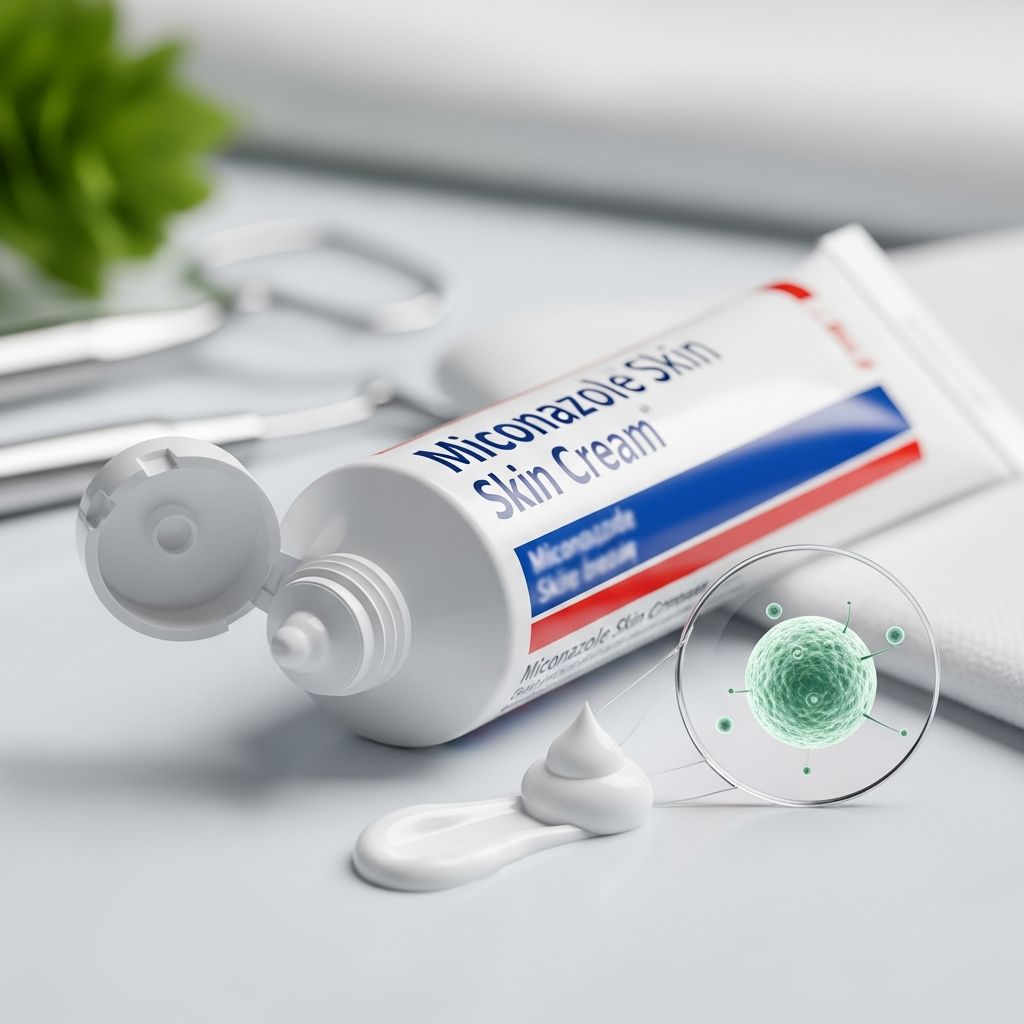
What is Miconazole Skin Cream?
Miconazole is an antifungal medication available as a topical skin cream designed to treat fungal and yeast infections of the skin. It belongs to a class of medications called antifungals and works by disrupting the growth and reproduction of fungi and yeast on affected areas. Unlike antibiotics that target bacterial infections, miconazole specifically addresses fungal infections and will not be effective against bacterial or viral infections. This medication is available over-the-counter and by prescription, making it an accessible treatment option for various skin conditions caused by fungal pathogens.
How Miconazole Skin Cream Works
Miconazole operates by interfering with the fungal cell membrane structure. The medication disrupts the synthesis of ergosterol, a critical component of fungal cell walls, ultimately preventing the growth and spread of fungal organisms. By inhibiting fungal reproduction at the cellular level, miconazole allows the body’s natural immune response to eliminate the infection. This mechanism makes it effective against a wide range of fungal pathogens that commonly affect the skin, providing relief from uncomfortable symptoms associated with fungal infections.
Common Uses of Miconazole Skin Cream
Miconazole skin cream is prescribed to treat various types of fungal infections affecting different areas of the body. The following conditions commonly respond well to miconazole treatment:
– Athlete’s foot (tinea pedis)- Jock itch (tinea cruris)- Ringworm (tinea corporis)- Candida skin infections- General fungal skin infections- Yeast infections of the skin
Each of these conditions causes uncomfortable symptoms such as itching, redness, burning, and skin irritation. Miconazole cream addresses the underlying fungal cause, providing both symptom relief and infection resolution.
Proper Application Instructions
Step-by-Step Application Guide
For optimal effectiveness, miconazole skin cream must be applied correctly following these essential steps:
– Wash your hands before use to prevent contamination- Clean the affected area with mild soap and water- Pat the skin completely dry, as fungi thrive in moist environments- Apply a thin film of medication directly to the affected area- Gently rub the cream into the skin until fully absorbed- Wash your hands after application if you are not treating a hand infection
Apply the medication exactly as directed on the prescription label or package instructions. Do not use more frequently than directed, as this will not improve results and may increase the risk of side effects. The typical dosing involves applying the cream once or twice daily, depending on the specific infection and care team recommendations.
Special Considerations for Specific Infections
Athlete’s Foot Treatment: When treating athlete’s foot, special attention should be paid to drying the feet thoroughly after bathing, particularly between the toes where moisture accumulates. Wear clean cotton socks and change them at least once daily. Choose well-ventilated shoes or sandals and avoid wearing socks made from wool or synthetic materials like rayon or nylon. An absorbent powder, such as talcum powder, may be used between medication applications to maintain dryness and prevent fungal growth.
General Skin Infections: After bathing, ensure your skin is completely dry before applying the medication. Avoid walking barefoot in shared spaces such as locker rooms or communal bathing areas. Wear freshly washed cotton clothing rather than synthetic fabrics to reduce moisture retention on the skin.
Related Stories



Important Safety Information
What You Must Know Before Using
Miconazole skin cream is strictly for external use only. Never take this medication by mouth or ingest it. Inform your healthcare provider of any existing medical conditions before beginning treatment, as certain conditions may require special precautions or alternative treatments.
Eye Contact Prevention: If miconazole cream accidentally contacts your eyes, immediately rinse with plenty of cool tap water and seek medical attention if irritation persists. Do not apply the medication near the eye area.
Medication Interactions: Interactions with other medications are not typically expected with topical miconazole. However, do not use any other skin products on the affected area without consulting your healthcare provider, as certain combinations may reduce effectiveness or cause irritation.
Not for Sharing: This medication is prescribed specifically for you. Do not share it with other individuals, even if they have similar symptoms, as this may spread infection or cause adverse reactions in others.
Use During Pregnancy and Breastfeeding
Inform your healthcare provider if you are pregnant, planning to become pregnant, or breastfeeding before using miconazole skin cream. While topical application typically poses minimal risk, your healthcare provider needs to evaluate your specific situation to ensure safe use during these important periods.
Dosage and Duration
Use miconazole skin cream for the complete course as directed by your healthcare team, even if symptoms improve significantly before completing treatment. Stopping treatment prematurely can allow the infection to return or become resistant to treatment. Most fungal infections require 2 to 4 weeks of consistent treatment for complete resolution.
If you miss a dose, apply it as soon as you remember. However, if it is almost time for your next scheduled dose, skip the missed dose and continue with your regular dosing schedule. Never use double or extra doses to make up for a missed application.
Side Effects and Adverse Reactions
Common Side Effects
Most individuals tolerate miconazole skin cream well, with side effects being mild and typically resolving as the body adjusts to treatment. Common side effects may include:
– Mild redness or irritation at the application site- Itching or burning sensation where the cream is applied- Skin dryness or peeling- Slight discomfort or tenderness
These side effects usually do not require medical attention unless they persist, worsen over time, or cause significant discomfort. If bothersome symptoms continue, report them to your healthcare provider.
Serious Side Effects Requiring Immediate Medical Attention
Although uncommon, seek immediate medical attention if you experience any of the following serious side effects:
– Severe allergic reactions including rash, hives, or difficulty breathing- Severe blistering or sores that do not heal properly- Signs of infection worsening rather than improving- Severe skin reactions or widespread irritation
If you experience any unusual symptoms or signs of allergic reaction, contact your healthcare provider or emergency services immediately.
Special Populations
Use in Children
Miconazole skin cream may be prescribed for children as young as 2 years of age for selected fungal infections. However, special precautions apply for pediatric use. Consult your healthcare provider about the appropriate use of this medication in children, as dosing and application techniques may differ from adult use. Parental supervision is essential to ensure proper application and prevent accidental ingestion.
Use in Elderly Patients
Elderly individuals typically tolerate miconazole skin cream well with minimal adjustments needed. However, those with reduced mobility or difficulty applying topical medications may require assistance. Ensure proper application technique to maximize treatment effectiveness.
Prevention of Reinfection
Successfully treating a fungal infection is only half the battle; preventing reinfection is equally important. Implement these preventive measures to reduce the likelihood of fungal infection recurrence:
– Maintain excellent personal hygiene practices- Keep skin clean and completely dry at all times- Wear breathable cotton clothing and socks- Change socks and undergarments frequently, especially if prone to sweating- Avoid walking barefoot in public areas- Use absorbent powders to keep skin dry in warm, moist areas- Disinfect shared surfaces and personal items regularly- Avoid sharing personal care items, towels, or clothing- Trim toenails short and keep them clean
If your fungal infection returns after completing a full course of miconazole treatment, contact your healthcare provider promptly. Recurring infections may indicate an underlying condition requiring different treatment approaches or lifestyle modifications.
Overdose Information
Miconazole skin cream is formulated for external use with minimal absorption through intact skin. Overdose is unlikely when used as directed. However, if you suspect you have taken too much of this medication or accidentally ingested it, contact a poison control center or emergency room immediately. Have the medication container available when calling for medical assistance, and provide details about the amount involved.
Storage and Handling
Store miconazole skin cream at room temperature away from heat and moisture. Keep the medication in its original container with the label intact. Do not freeze the medication. Keep the container tightly closed and store out of reach of children and pets. Check the expiration date before use and discard expired medication appropriately according to local regulations.
When to Contact Your Healthcare Provider
Reach out to your healthcare provider in the following situations:
– Symptoms do not improve after two weeks of treatment- Symptoms worsen or new symptoms develop- Sores or blisters develop that do not heal properly- Signs of allergic reaction occur- You experience severe side effects- The infection returns after treatment completion- You have questions about proper application technique- You are considering using this medication during pregnancy or breastfeeding
Frequently Asked Questions
Q: How long does it take for miconazole cream to work?
A: Most individuals begin experiencing symptom relief within one to two weeks of consistent treatment. However, complete resolution of fungal infections typically requires two to four weeks of continuous therapy. Continue using the medication for the full prescribed duration even if symptoms improve earlier, as premature discontinuation can lead to infection recurrence.
Q: Can I use miconazole cream while pregnant?
A: Topical miconazole cream is generally considered safe during pregnancy when used as directed on intact skin, with minimal systemic absorption. However, consult your healthcare provider before using this medication during pregnancy to ensure it is appropriate for your specific situation and to discuss any concerns.
Q: Is miconazole cream available over-the-counter?
A: Yes, miconazole cream is available both over-the-counter and by prescription. Over-the-counter formulations are available at most pharmacies and retailers without requiring a prescription, making it convenient for treating common fungal infections.
Q: Can miconazole cream treat bacterial infections?
A: No, miconazole is an antifungal medication and will not treat bacterial or viral infections. It specifically targets fungal pathogens. If your infection is bacterial in nature, your healthcare provider will recommend an appropriate antibiotic treatment instead.
Q: What should I do if I miss a dose?
A: Apply the missed dose as soon as you remember. If it is nearly time for your next scheduled dose, skip the missed dose and continue with your regular dosing schedule. Never apply double doses to compensate for a missed application.
Q: Can I use other skin products with miconazole cream?
A: Do not use other skin products on the affected area without consulting your healthcare provider. Certain product combinations may reduce effectiveness or cause skin irritation. Always discuss any additional treatments with your care team before applying them to areas being treated with miconazole.
Q: How should I dispose of expired miconazole cream?
A: Dispose of expired miconazole cream according to your local medication disposal guidelines. Many pharmacies offer medication take-back programs. Do not flush medications down the toilet or throw them in the trash unless specifically instructed to do so.
References
- Miconazole Skin Cream: Uses & Side Effects — Cleveland Clinic. 2024. https://my.clevelandclinic.org/health/drugs/20834-miconazole-skin-cream
- How Miconazole Nitrate Treats Fungal Infections Effectively — Rupa Health. 2024. https://www.rupahealth.com/post/how-miconazole-nitrate-treats-fungal-infections-effectively
- Miconazole Vaginal: MedlinePlus Drug Information — National Library of Medicine. 2024. https://medlineplus.gov/druginfo/meds/a601203.html
- Antifungal Powder (Miconazole): Uses & Side Effects — Cleveland Clinic. 2024. https://my.clevelandclinic.org/health/drugs/20443-miconazole-topical-powder
- Miconazole; Zinc Oxide; Petrolatum Ointment — Cleveland Clinic. 2024. https://my.clevelandclinic.org/health/drugs/19143-miconazole-petrolatum-zinc-oxide-ointment
Similar Articles








Read full bio of medha deb