Microbiology: Understanding Infectious Diseases
Comprehensive guide to microbiology testing and diagnosis of infectious diseases.
Understanding Microbiology and Infectious Disease Diagnosis
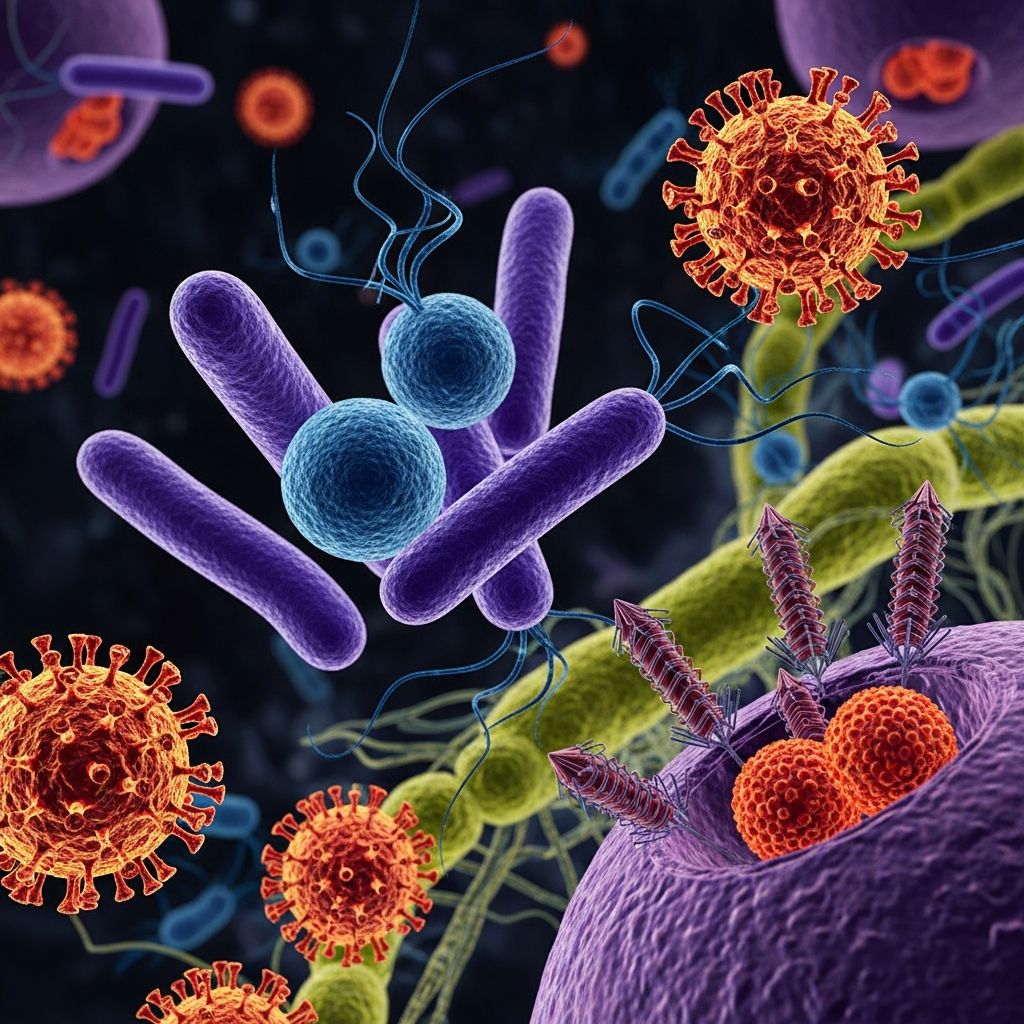
Microbiology is the scientific study of microscopic organisms, including bacteria, viruses, fungi, and parasites that can cause infectious diseases in humans. In clinical settings, medical microbiology plays a critical role in identifying the causative agents of infections and guiding appropriate treatment strategies. The Johns Hopkins Medical Microbiology Laboratory provides state-of-the-art diagnostic services for infectious diseases, combining advanced laboratory techniques with expert consultation to help physicians accurately diagnose and treat patient infections.
What is Clinical Microbiology?
Clinical microbiology is the branch of laboratory medicine that focuses on the detection, identification, and characterization of microorganisms responsible for human infections. This discipline encompasses the culture, isolation, and testing of bacteria, viruses, fungi, and parasites from patient specimens such as blood, urine, respiratory secretions, cerebrospinal fluid, and tissue samples. The primary goal is to provide timely and accurate results that enable healthcare providers to make informed decisions about patient care and antimicrobial therapy.
The Johns Hopkins Medical Microbiology Laboratory has been providing expert diagnostic services since 1969, establishing itself as a leader in infectious disease laboratory diagnostics. The laboratory combines traditional culturing methods with cutting-edge molecular and immunological techniques to ensure comprehensive pathogen identification and susceptibility testing.
Types of Microbiology Tests
Bacterial Culture and Identification
Bacterial culture remains one of the most fundamental techniques in clinical microbiology. Patient specimens are inoculated onto selective and differential media that promote the growth of specific bacterial organisms while inhibiting others. Once bacteria have grown sufficiently, they are identified using biochemical tests, mass spectrometry, or molecular methods. This process typically takes 24 to 72 hours, though some organisms may require longer incubation periods. Identification is essential for determining the specific bacterial species involved in an infection, which then guides antibiotic selection.
Antimicrobial Susceptibility Testing
Once a pathogenic bacterium has been identified, antimicrobial susceptibility testing determines which antibiotics are most likely to be effective against that specific isolate. This testing is crucial for optimizing patient outcomes and combating the growing problem of antibiotic resistance. Methods include disk diffusion (Kirby-Bauer), broth microdilution, and gradient diffusion techniques. The results are reported as susceptible, intermediate, or resistant, helping clinicians choose the most appropriate antibiotic therapy for their patients.
Fungal Diagnostics
Fungal infections can be challenging to diagnose due to the slow growth rates of many fungi and the variety of specimen types that may contain fungal organisms. The Johns Hopkins Microbiology Division has established itself as a center of excellence for fungal diagnostics, with mycologists participating in the Fungal Diagnostics Consortium alongside 29 other institutions across the USA and Canada. Fungal identification may involve culture on specialized media, direct microscopy with various staining techniques, and molecular methods. The consortium has developed comprehensive training courses in medical mycology to improve laboratory diagnosis of fungal diseases across institutions.
Parasitology
Parasitology involves the identification of parasitic organisms such as helminths (worms) and protozoa from clinical specimens. Identification methods include direct microscopy of stool samples, blood smears, and tissue specimens. Some parasites require specialized staining techniques or culture conditions for accurate identification. Laboratory examination of preserved parasites, gross pathology, and histopathology specimens provides essential information for diagnosing parasitic infections.
Molecular Microbiology Techniques
Polymerase Chain Reaction (PCR)
Polymerase chain reaction is a molecular technique that amplifies specific DNA or RNA sequences from pathogenic organisms, allowing for rapid and sensitive detection of infections. PCR-based tests can identify pathogens even when they are present in low numbers or are difficult to culture in the laboratory. This technique is particularly valuable for diagnosing viral infections, fastidious bacteria, and organisms that require extended culture times.
Related Stories



Quantitative PCR and Real-Time PCR
Quantitative PCR (qPCR) extends the capabilities of standard PCR by measuring the amount of amplified product in real-time during the amplification process. This technique provides not only qualitative information (presence or absence of a pathogen) but also quantitative data about the pathogen burden. Quantitative PCR is increasingly used in clinical virology to measure viral loads and monitor treatment response in conditions such as HIV infection and hepatitis.
DNA and Protein Analysis
Modern microbiology laboratories employ advanced separation and analysis techniques including gel chromatography for DNA and protein analysis. These methods allow for the characterization of microbial components and the detection of specific protein markers associated with particular pathogens. Western blotting, another protein analysis technique, enables the detection of specific antibodies to infectious agents and confirms the presence of pathogen-specific proteins in clinical specimens.
Microbial Culture and Growth Techniques
Culturing microorganisms remains a cornerstone of clinical microbiology. Different organisms require different growth conditions, media types, and incubation environments. Aerobic and anaerobic bacteria have distinct growth requirements, as do fastidious organisms that need enriched media with specific nutrients. Temperature control, atmosphere modification, and proper media selection are critical for successful culture and isolation of clinically significant microorganisms.
Bacterial transformation and expression of heterologous proteins through bacterial systems are important research and diagnostic tools. These techniques allow laboratories to produce specific microbial antigens and proteins for diagnostic testing and research purposes.
Specimen Collection and Processing
Accurate specimen collection and proper handling are fundamental to obtaining reliable microbiology results. Different types of infections require appropriate specimen sources—blood cultures for bacteremia, sputum or lower respiratory secretions for respiratory infections, cerebrospinal fluid for meningitis, and urine for urinary tract infections. Each specimen type must be collected using sterile technique and transported to the laboratory under appropriate conditions to preserve organism viability and prevent contamination with environmental microorganisms.
Proper specimen labeling, documentation of collection time, and storage at appropriate temperatures are essential to ensure the integrity of the sample and the validity of the results. Many laboratories have specific protocols for specimen rejection based on improper collection, labeling, or transport.
Advanced Microscopy in Microbiology
Fluorescence Microscopy
Fluorescence microscopy provides high-resolution imaging of microorganisms and their components using fluorescent probes and antibodies. Techniques such as immunofluorescence allow direct visualization and identification of specific pathogens in clinical specimens. Advanced fluorescence methods including confocal microscopy enable three-dimensional visualization of microbial structures and host-pathogen interactions. These techniques are valuable for rapid diagnosis of certain infections, particularly viral and intracellular bacterial pathogens.
Flow Cytometry
Flow cytometry is used in microbiology to analyze and sort microbial cells based on their physical and chemical properties. This technique can identify microorganisms, assess their viability, and evaluate immune responses to infections. Flow cytometry is particularly valuable in clinical immunology for assessing immune function in patients with suspected immunodeficiency.
Emerging Pathogens and Vector-Borne Diseases
Understanding vector biology and vector-borne disease transmission is increasingly important in modern microbiology. Arthropod vectors including insects, mites, and ticks transmit significant human pathogens that cause malaria, dengue fever, Zika virus infection, Chagas disease, and leishmaniasis. Knowledge of vector genetics, biology, and behavior patterns informs control strategies and helps predict disease transmission patterns.
Emerging infectious diseases, including those caused by novel or re-emerging pathogens, present ongoing challenges for clinical microbiology laboratories. Rapid identification systems and molecular techniques enable quick diagnosis of new or unexpected pathogens, facilitating timely public health responses.
Human Microbiome Research
The human microbiome—the collection of microorganisms that inhabit the human body—plays crucial roles in health and disease. Research into the microbiome has revealed its importance in immune development, metabolism, neurological function, and protection against pathogenic infections. Understanding how alterations in the microbiome contribute to conditions such as cardiometabolic disease, neurodegeneration, and cancer is an active area of investigation. Clinical laboratories are beginning to incorporate microbiome analysis into diagnostic and therapeutic approaches, including the development of microbiome-based diagnostics and personalized medicine approaches.
Quality Assurance and Laboratory Standards
Clinical microbiology laboratories adhere to strict quality assurance standards and regulatory requirements. Standard operating procedures ensure consistent, reliable results. Regular proficiency testing, equipment maintenance, and personnel training are essential components of laboratory quality assurance. The use of validated testing methods and appropriate positive and negative controls ensures the accuracy and reliability of microbiology results.
Antimicrobial Stewardship in Clinical Practice
Antimicrobial stewardship programs work closely with clinical microbiology laboratories to optimize antibiotic use and combat the emerging threat of antimicrobial resistance. These programs review microbiology results, provide recommendations for appropriate antibiotic therapy, and monitor outcomes. Regular education of healthcare providers about appropriate antibiotic selection based on microbiology results and local resistance patterns is a critical component of effective stewardship.
Neurotropic Infections and Neurological Disease
Certain microorganisms preferentially infect the nervous system, causing serious neurological complications. HIV, herpes simplex virus, and other neurotropic pathogens can cross the blood-brain barrier and cause encephalitis, meningitis, and other central nervous system infections. Understanding the mechanisms by which pathogens breach the blood-brain barrier and cause neurological disease is essential for developing effective treatments and prevention strategies.
Frequently Asked Questions (FAQs)
Q: How long does it typically take to get microbiology results?
A: The turnaround time varies depending on the type of test and organism being cultured. Bacterial cultures typically require 24-72 hours, while fungal cultures may take days to weeks. Molecular tests such as PCR can provide results within hours. Your healthcare provider can inform you of expected turnaround times for specific tests.
Q: What is the difference between a culture and a molecular test?
A: Culture involves growing microorganisms on special media and identifying them through biochemical or morphological characteristics. This allows for antimicrobial susceptibility testing. Molecular tests detect genetic material from microorganisms and typically provide faster results but may not provide susceptibility information without additional testing.
Q: Why is proper specimen collection important?
A: Proper specimen collection ensures that the sample contains the organism causing the infection and minimizes contamination from environmental microorganisms or normal flora. Contaminated or improperly handled specimens may lead to false results or inability to diagnose the infection.
Q: How does antimicrobial susceptibility testing guide treatment?
A: Susceptibility testing identifies which antibiotics are most likely to effectively treat the specific infection. Results guide clinicians in selecting the most appropriate antibiotic, optimizing treatment outcomes while minimizing unnecessary broad-spectrum antibiotic use.
Q: What role does microbiology play in infection control?
A: Microbiology results help identify infectious agents and their transmission routes, informing infection control measures. Hospital epidemiology and infection control programs use microbiology data to monitor infection trends and implement preventive strategies.
References
- Medical Microbiology Laboratory Services — Johns Hopkins Pathology, Department of Microbiology. 2024. https://pathology.jhu.edu/microbiology/
- Microbiology Division History and Mission — Johns Hopkins Pathology. 2024. https://pathology.jhu.edu/microbiology/about
- Molecular Microbiology and Immunology Department — Johns Hopkins Bloomberg School of Public Health. 2024. https://publichealth.jhu.edu/departments/molecular-microbiology-and-immunology
- Gaps in Fungal Diagnostics and Improvement Strategies — Fungal Diagnostics Consortium, Journal of Clinical Microbiology. 2021;59:e0178420. Published by American Society for Microbiology.
- MHS in Molecular Microbiology and Immunology Program — Johns Hopkins Bloomberg School of Public Health. 2024. https://publichealth.jhu.edu/academics/mhs-dept-of-molecular-microbiology-and-immunology
- Clinical Laboratory Standards Institute (CLSI) Guidelines — CLSI, an accredited standards development organization. 2024. Standards for antimicrobial susceptibility testing and microbiology laboratory practices.
Similar Articles








Read full bio of medha deb