Microbiome Support For Eczema Relief: Expert Guide
Discover how prebiotics, probiotics, and digestive enzymes can influence eczema symptoms through gut-skin connections.
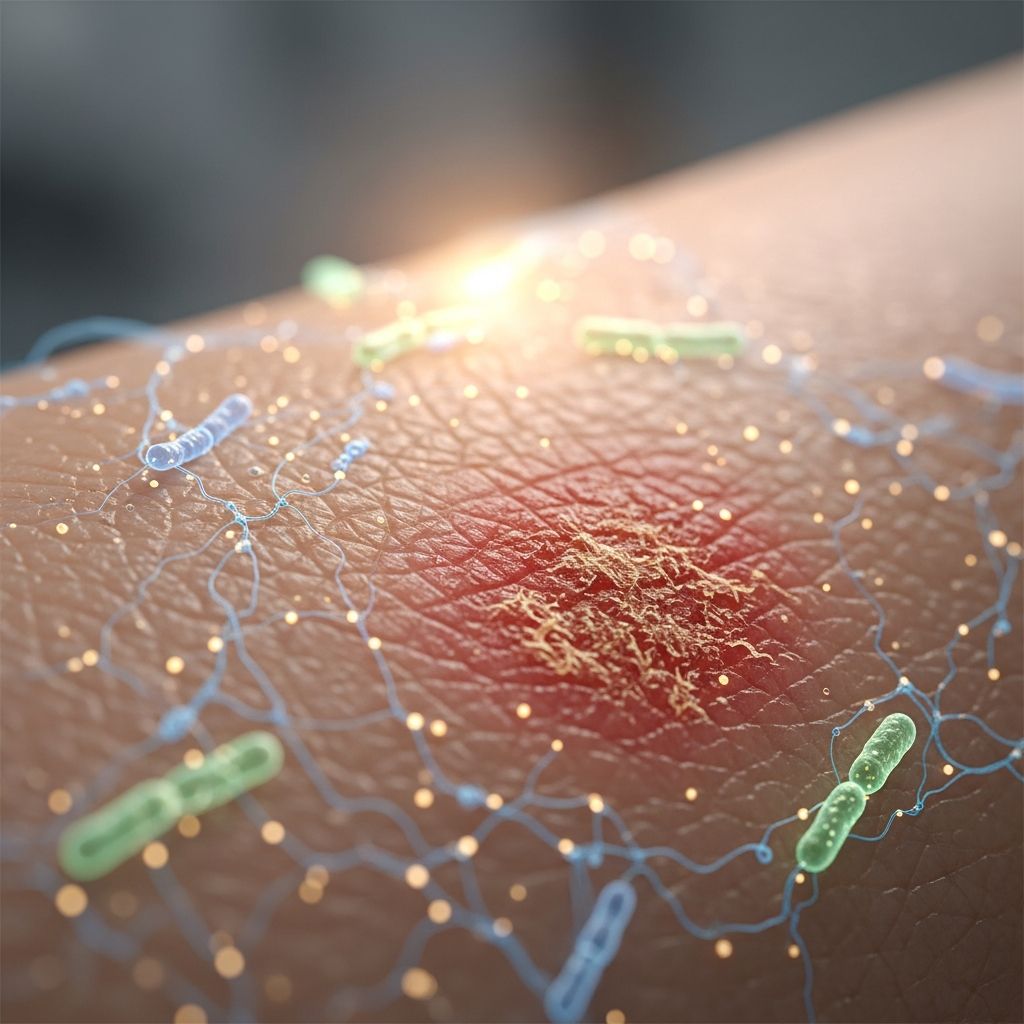
Eczema, a chronic inflammatory skin condition affecting millions worldwide, often links to disruptions in the gut microbiome. Modulating this ecosystem with prebiotics, probiotics, and digestive enzymes offers a promising, non-pharmacological approach to symptom relief. Research highlights their potential to balance bacterial populations, strengthen immune responses, and ease flare-ups, particularly in children and those with moderate cases.
Understanding the Gut-Skin Axis in Eczema
The gut-skin axis describes the bidirectional communication between intestinal health and skin condition. In eczema patients, altered gut microbiota—marked by reduced diversity and overgrowth of harmful bacteria—correlates with heightened inflammation and Th2 immune responses dominant in atopic dermatitis. This imbalance, often evident from infancy, precedes skin symptoms and sustains chronic flares. Restoring microbial harmony may interrupt this cycle, reducing severity scores like SCORAD by influencing cytokine production and barrier function.
Clinical observations show eczema sufferers exhibit increased intestinal permeability, allowing allergens to trigger systemic inflammation that manifests on the skin. Interventions targeting the gut thus address root causes rather than surface symptoms alone.
Probiotics: Live Bacteria for Skin Improvement
Probiotics are live microorganisms, primarily Lactobacillus and Bifidobacterium strains, that confer health benefits when consumed adequately. For eczema, they aim to repopulate beneficial gut flora, modulate immunity, and curb pathogenic overgrowth.
Key Strains and Their Mechanisms
- Lactobacillus rhamnosus: High doses show promise in reducing eczema severity by promoting regulatory T cells and anti-inflammatory cytokines like IL-10.
- Bifidobacterium lactis and longum: These enhance intestinal barrier integrity and decrease Th1/Th2 imbalances, leading to lower SCORAD scores in pediatric trials.
- Lactobacillus paracasei and salivarius: Studies report reduced staphylococci in feces and improved immunological profiles after 12-16 weeks of use.
A Cochrane review of 24 trials involving 1,596 participants found probiotics slightly lowered investigator-rated severity (mean SCORAD reduction of 3.91 points), though below the clinically significant threshold of 8.7 points. Evidence quality remains low due to variability in strains, doses, and durations (4 weeks to 6 months).
Evidence from Age-Specific Trials
| Age Group | Probiotic Mix | Duration | Outcomes |
|---|---|---|---|
| Infants (0-1 year) | Lactobacillus + Bifidobacterium | 2-13 months | Reduced eczema risk when given prenatally/postnatally |
| Children (4-17 years) | B. lactis CECT 8145 + others | 4-12 weeks | Significant SCORAD drop |
| Adults (moderate-severe) | L. salivarius LS01 + B. breve BR03 | 12-16 weeks | Improved Th1/Th2 ratio, symptom relief |
Prevention trials are more conclusive: Maternal and infant supplementation lowered eczema incidence in at-risk groups, unlike treatment in established cases where results vary.
Prebiotics: Fueling Beneficial Bacteria
Prebiotics are non-digestible fibers that selectively nourish gut-friendly bacteria, promoting their growth over pathogens. Common sources include inulin, fructo-oligosaccharides (FOS), and galacto-oligosaccharides (GOS). In eczema contexts, they enhance microbial diversity and short-chain fatty acid production, which supports skin barrier repair and dampens inflammation.
Related Stories



Early-life prebiotic administration (first year) shows mixed results for atopic dermatitis prevention, with stronger links to reduced asthma and allergies. Combined with probiotics (synbiotics), they amplify effects by improving intestinal permeability and immune tolerance.
Practical Sources and Dosing
- Foods: Garlic, onions, bananas, asparagus, oats.
- Supplements: 3-10g daily FOS/GOS, often paired with probiotics.
- Benefits: Increased Bifidobacterium populations post-supplementation in eczema patients.
While direct eczema trials are limited, prebiotics indirectly aid by fostering a resilient microbiome resilient to dysbiosis triggers like antibiotics or diet.
Digestive Enzymes: Enhancing Nutrient Breakdown
Digestive enzymes (e.g., protease, lipase, amylase) break down proteins, fats, and carbs, improving absorption and reducing gut irritation from undigested food particles. In eczema, poor digestion may exacerbate leaky gut, allowing antigens to provoke skin reactions. Enzyme supplements alleviate this by optimizing breakdown and minimizing inflammatory triggers.
Pancreatic enzyme insufficiency, common in inflammatory conditions, correlates with eczema persistence. Targeted enzymes like bromelain (from pineapple) or papain offer anti-inflammatory bonuses alongside digestive aid.
Enzyme Types for Eczema Support
- Proteases: Degrade proteins that could otherwise ferment and produce toxins.
- Lipases: Aid fat digestion, preventing malabsorption-linked deficiencies (e.g., essential fatty acids for skin).
- Cellulases: Break plant fibers, unlocking prebiotic benefits.
Anecdotal reports and preliminary data suggest 4-8 weeks of broad-spectrum enzymes reduce bloating and itch, though rigorous RCTs are needed.
Synergistic Approaches: Combining Therapies
Synbiotics (prebiotics + probiotics) yield superior outcomes, as seen in trials where mixtures outperformed single agents. For instance, B. breve supplementation increased its fecal proportions alongside SCORAD improvements. Adding enzymes completes the triad: probiotics populate, prebiotics sustain, enzymes ensure optimal nutrient delivery.
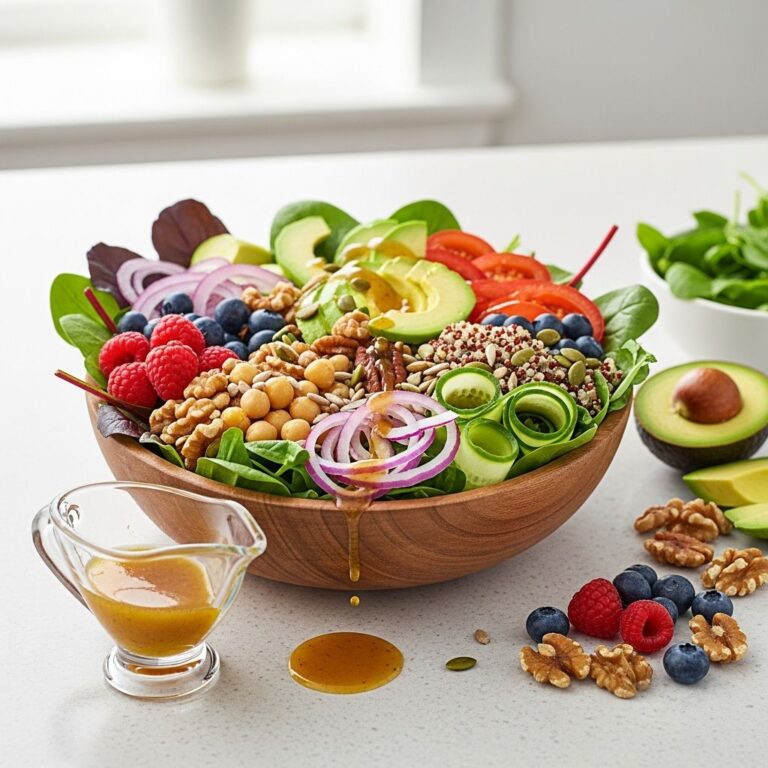
Dietary integration amplifies results—fermented foods (yogurt, kefir, kimchi) for probiotics; fiber-rich plants for prebiotics; enzyme-boosting meals like papaya salads.
Safety, Dosage, and Considerations
Probiotics are generally safe, with rare side effects like transient bloating. Vulnerable groups (immunocompromised) should consult physicians. Doses vary: 10^9-10^10 CFU/day for probiotics; start low for prebiotics to avoid gas. Enzymes: 1-2 capsules per meal, titrated by need.
Not FDA-approved for eczema treatment; benefits are adjunctive to topicals/emollients. Monitor via SCORAD or symptom journals.
Common Questions About Microbiome Therapies for Eczema
FAQs
Can probiotics cure eczema?
No, they do not cure but may reduce severity and prevent onset in high-risk infants.
What’s the best probiotic strain for adults with eczema?
Lactobacillus rhamnosus or multi-strain Bifidobacterium blends show most promise based on trials.
How long until I see eczema improvements?
Typically 4-12 weeks; consistency is key.
Are prebiotics safe for children with eczema?
Yes, in food forms or low doses; consult pediatricians for supplements.
Do digestive enzymes interact with eczema medications?
Generally no, but inform doctors of all supplements.
Future Directions in Microbiome Research
Emerging studies explore skin-applied probiotics like Roseomonas mucosa, which reduced symptoms in a 2020 NIH trial. Postbiotics—bacterial byproducts—offer stable alternatives without live organism risks. Long-term RCTs will clarify optimal protocols, especially for adults where evidence lags behind pediatrics.
Personalized microbiome testing could tailor strains, enhancing efficacy amid inter-individual variability.
References
- Probiotics for treating eczema — Cochrane Database Syst Rev (PMC). 2018-12-01. https://pmc.ncbi.nlm.nih.gov/articles/PMC6517242/
- Can Probiotics Help With Eczema? What the Science Says — MyEczemaTeam. 2023-05-15. https://www.myeczemateam.com/resources/probiotics-for-eczema-effectiveness-benefits-and-uses
- Prebiotics and probiotics in atopic dermatitis — PMC (Nutrients). 2019-07-30. https://pmc.ncbi.nlm.nih.gov/articles/PMC6639913/
- Supplements for Eczema: What You Should Know — WebMD. 2024-01-10. https://www.webmd.com/skin-problems-and-treatments/eczema/ss/slideshow-supplements-for-eczema
- Probiotics, Prebiotics, Enzymes: What People With Eczema Need to Know — National Eczema Association. 2023-08-20. https://nationaleczema.org/blog/prebiotics-probiotics-enzymes-eczema/
- Microbe-inspired treatments for atopic dermatitis — British Journal of Dermatology (Oxford Academic). 2024-11-15. https://academic.oup.com/bjd/advance-article/doi/10.1093/bjd/ljaf451/8322542
- Diet and eczema — National Eczema Society. 2023-03-05. https://eczema.org/information-and-advice/living-with-eczema/diet-and-eczema/
Similar Articles








Read full bio of medha deb