Microcytic Anemia: Symptoms, Causes & Treatment
Understanding microcytic anemia: Learn about causes, symptoms, diagnosis, and effective treatment options.
What Is Microcytic Anemia?
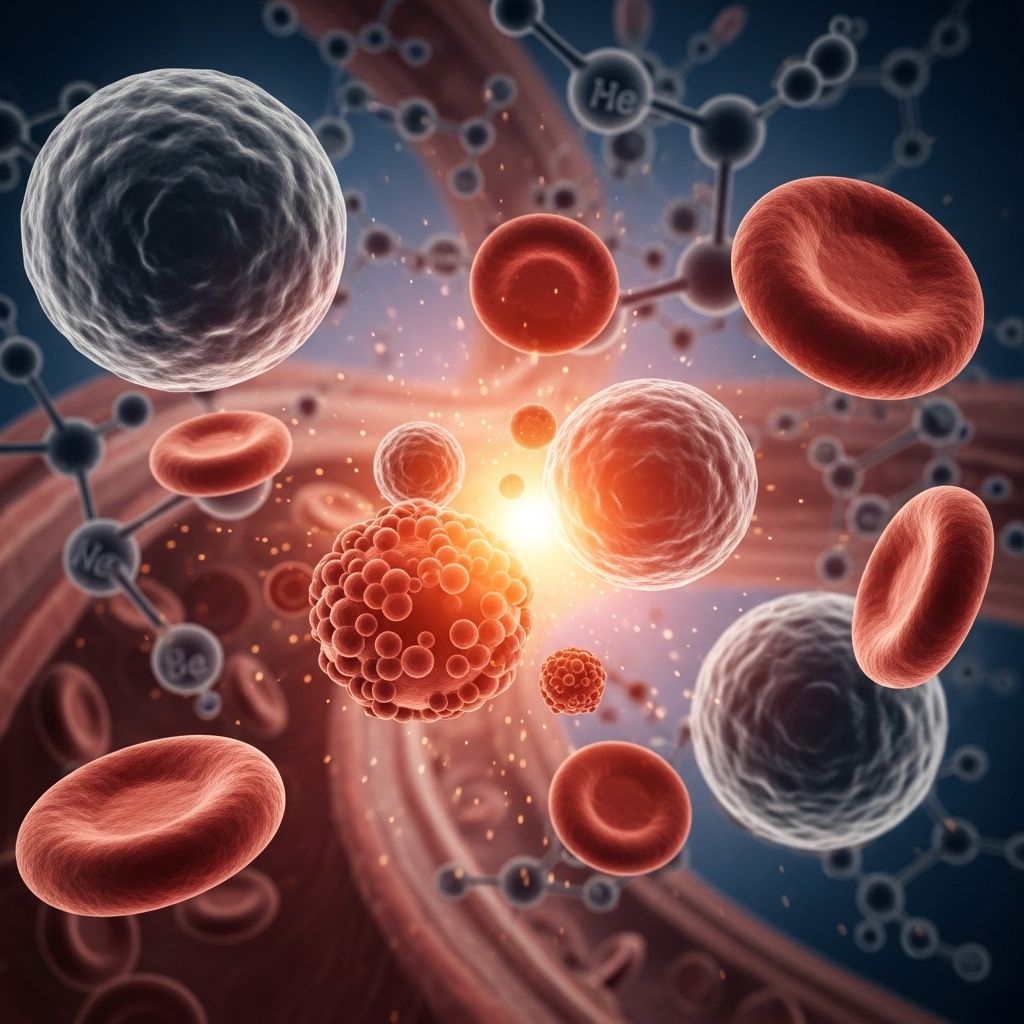
Microcytic anemia is a condition that occurs when your red blood cells are smaller than usual because they don’t have enough hemoglobin. Hemoglobin is a protein found in red blood cells that plays a crucial role in carrying oxygen throughout your body. When hemoglobin levels are low, your red blood cells become unable to transport oxygen efficiently to tissues and organs. Additionally, low hemoglobin causes your red blood cells to appear paler than normal, a condition referred to as “hypochromic.” Most cases of microcytic anemia are also hypochromic, meaning the red blood cells are both small and pale in appearance.
The term “microcytic” comes from the Greek words “micro,” meaning small, and “cytic,” referring to cells. This nomenclature accurately describes the fundamental characteristic of this blood disorder—red blood cells that are diminished in size relative to normal specifications. Understanding this condition is essential because it directly impacts your body’s ability to maintain adequate oxygen levels, which is vital for proper organ function and overall health.
Symptoms of Microcytic Anemia
Many individuals with microcytic anemia may not experience noticeable symptoms, particularly in mild cases. However, when symptoms do develop, they typically include the following manifestations:
- Fatigue and persistent tiredness that doesn’t improve with rest
- Weakness and reduced physical endurance
- Shortness of breath, especially during physical activity
- Dizziness or lightheadedness
- Pale or yellowish skin, nail beds, and inner eyelids
- Rapid or irregular heartbeat (palpitations)
- Cold hands and feet due to reduced blood circulation
- Difficulty concentrating or mental fog
- Headaches
It’s important to note that you may also experience symptoms associated with the underlying cause of your microcytosis. For example, if you have iron deficiency anemia, you might experience cravings for non-food items (pica), while symptoms from chronic kidney disease or inflammatory conditions may present differently.
Causes of Microcytic Anemia
The most common cause of microcytic anemia is iron deficiency. Your red blood cells require iron to produce hemoglobin, and without adequate iron, they cannot manufacture sufficient hemoglobin to function properly. However, several other conditions and factors can contribute to the development of microcytic anemia.
Iron Deficiency
Iron deficiency represents the leading cause of microcytic anemia, affecting millions of people worldwide. When your body lacks sufficient iron, it cannot produce adequate hemoglobin, resulting in smaller, paler red blood cells. Common sources of iron loss include heavy menstrual bleeding, gastrointestinal bleeding, and inadequate iron intake through diet.
Genetic Disorders
In some cases, genetic disorders may affect red blood cell development and lead to microcytic anemia. The most notable genetic causes include:
- Thalassemias: Blood disorders that impair your body’s ability to produce red blood cells and hemoglobin. These inherited conditions result in abnormal hemoglobin production, leading to smaller red blood cells.
- Sideroblastic Anemia: A rare blood disorder that decreases normal red blood cell production in the bone marrow. This condition prevents the body from properly utilizing iron to produce hemoglobin.
Other Medical Conditions
Several medical conditions can cause microcytic anemia by affecting red blood cell production or function. These include:
Related Stories



- Chronic kidney disease
- Cancer and cancer treatments
- Autoimmune conditions such as inflammatory bowel disease, rheumatoid arthritis, and lupus
- Chronic infections
- Lead poisoning
Nutritional and Environmental Factors
Beyond iron deficiency, other nutritional and environmental factors can contribute to microcytic anemia, including copper deficiency, excess zinc intake, and chronic exposure to lead. Long-lasting inflammation associated with various conditions can also impact red cell production, leading to microcytic anemia.
Diagnosis of Microcytic Anemia
Healthcare providers use several diagnostic tools to identify and evaluate microcytic anemia. A comprehensive diagnostic approach helps determine not only the presence of the condition but also its underlying cause.
Blood Tests
The primary diagnostic tools include:
- Complete Blood Count (CBC): This comprehensive blood test measures hemoglobin levels and other blood components, providing essential information about your red blood cells. The CBC calculates your Mean Corpuscular Volume (MCV), which measures the average size of your red blood cells. An MCV value below 80 femtoliters indicates microcytosis.
- Blood Smear (Peripheral Blood Smear): A healthcare provider examines your blood cells under a microscope to observe their size, shape, and appearance. This visual inspection helps confirm the presence of microcytic and hypochromic cells.
- Reticulocyte Count: This test determines whether your bone marrow is producing enough healthy red blood cells. Reticulocytes are immature red blood cells, and their count indicates bone marrow function.
Additional Diagnostic Tests
After initial testing rules out simple iron deficiency, your healthcare provider may order additional tests to identify the underlying cause. For thalassemia, these may include hemoglobin electrophoresis and genetic testing. Other tests might include iron studies, ferritin levels, and tests for chronic conditions. The additional tests can be very important because the anemia may be an early indicator of an underlying disease for which early detection can be lifesaving.
Treatment Options for Microcytic Anemia
Healthcare providers treat microcytic anemia by addressing the underlying cause of the condition. The specific treatment approach depends on what is causing your small red blood cells and the severity of your anemia.
Iron Supplementation
For iron-deficiency anemia, iron supplements serve as the cornerstone of treatment. Iron supplementation helps your body produce adequate hemoglobin and create normal-sized red blood cells. Your healthcare provider may prescribe oral iron supplements or recommend iron-rich dietary sources. To enhance iron absorption, taking vitamin C alongside iron supplements can boost your body’s ability to utilize the iron effectively. If you cannot tolerate oral supplements or your body struggles to absorb them, your provider may recommend iron infusions, which deliver iron directly into your bloodstream.
Dietary Modifications
Lifestyle changes, particularly dietary adjustments, play a significant role in improving iron uptake naturally. Including iron-rich foods in your diet such as red meat, poultry, fish, beans, lentils, and fortified cereals can help increase your iron intake. Pairing these foods with vitamin C sources enhances absorption efficiency.
Treatment of Underlying Conditions
When chronic disease causes microcytic anemia, treating the underlying condition usually improves the anemia. For example, managing chronic kidney disease, controlling inflammatory conditions, or addressing chronic infections may resolve or significantly improve microcytic anemia. In cases involving genetic disorders like thalassemia or sideroblastic anemia, specialized treatment from hematologists may be necessary to manage the unique challenges these conditions present.
Blood Transfusion
For severe anemia involving heavy blood loss or when other treatments are insufficient, you may need a blood transfusion. This emergency intervention provides healthy red blood cells to restore oxygen-carrying capacity and stabilize your condition.
When to Seek Medical Attention
You should contact your healthcare provider if you experience persistent fatigue, shortness of breath, chest pain, severe headaches, or any other concerning symptoms. Additionally, if you’ve been diagnosed with a condition that puts you at risk for anemia, such as thalassemia or an autoimmune disease, follow your healthcare provider’s guidance about reducing your risk.
Prognosis and Long-Term Outlook
The long-term outlook for microcytic anemia depends significantly on its underlying cause. Sometimes, microcytic anemia is temporary and can be reversed with simple interventions like iron supplements. Other times, it may be a sign of a serious condition that requires long-term or lifelong management. Your healthcare provider can advise you on how treatment will impact your blood cells and overall health, and whether your condition will be reversible or require ongoing management.
Frequently Asked Questions
Q: What is the main cause of microcytic anemia?
A: Iron deficiency is the most common cause of microcytic anemia, affecting millions of people worldwide. Your red blood cells need iron to make hemoglobin, and without adequate iron, they become smaller and paler. However, other causes such as genetic disorders, chronic diseases, and nutritional deficiencies can also lead to this condition.
Q: Can microcytic anemia be cured?
A: Yes, microcytic anemia can often be cured or significantly improved through treatment. The ability to reverse the condition depends on the underlying cause. Simple iron deficiency may respond well to supplements and dietary changes, while genetic or chronic conditions may require long-term management.
Q: How is microcytic anemia diagnosed?
A: Microcytic anemia is diagnosed through blood tests, primarily a Complete Blood Count (CBC) that measures hemoglobin levels and Mean Corpuscular Volume (MCV). Your healthcare provider may also order a blood smear examination and reticulocyte count to confirm the diagnosis and assess bone marrow function.
Q: What symptoms should I watch for?
A: Common symptoms of microcytic anemia include fatigue, weakness, shortness of breath, dizziness, pale skin, and rapid heartbeat. However, many people with mild microcytic anemia experience no noticeable symptoms.
Q: Is microcytic anemia a sign of cancer?
A: While microcytic anemia may occasionally be associated with cancer, it is usually a sign of other conditions, most commonly iron deficiency. It’s important not to assume a serious diagnosis until your healthcare provider explains what your bloodwork results mean for your health.
Q: How can I prevent microcytic anemia?
A: To help prevent microcytic anemia, ensure adequate iron intake through diet, maintain a healthy lifestyle, manage chronic conditions effectively, and follow your healthcare provider’s guidance if you have risk factors such as heavy menstrual bleeding or chronic diseases.
References
- Microcytic Hypochromic Anemia — LEVY Health. 2024. https://levy.health/resource-center/lexicon/microcytic-hypochromic-anemia/
- Microcytosis: Causes, Symptoms & Treatment — Cleveland Clinic. 2024. https://my.clevelandclinic.org/health/diseases/25088-microcytosis
- Microcytic Anemia Explained: Causes, Signs, and Care — SSLG Health Resources. 2024. https://sslg.com/microcytic-anemia/
- Microcytic Anemia: Symptoms, Causes & Treatment — Cleveland Clinic. 2024. https://my.clevelandclinic.org/health/diseases/23015-microcytic-anemia
- Anemia: Causes, Symptoms, Diagnosis, Treatments — WebMD. 2024. https://www.webmd.com/a-to-z-guides/understanding-anemia-basics
Similar Articles








Read full bio of medha deb