Microdermabrasion: Benefits, Results & Side Effects
Learn about microdermabrasion, a minimally invasive skin resurfacing procedure that removes damaged skin layers for a refreshed appearance.
Microdermabrasion: What It Is, Benefits, Results & Side Effects
Microdermabrasion is a minimally invasive cosmetic procedure designed to remove the uppermost layer of skin from your face or body, revealing fresher, smoother skin underneath. This non-surgical treatment has become increasingly popular for those seeking to address various skin concerns without the downtime associated with more invasive procedures. By gently exfoliating the skin’s surface, microdermabrasion stimulates the body’s natural healing response and promotes the production of collagen and elastin, resulting in improved skin texture, tone, and overall appearance.
Understanding Microdermabrasion
What is Microdermabrasion?
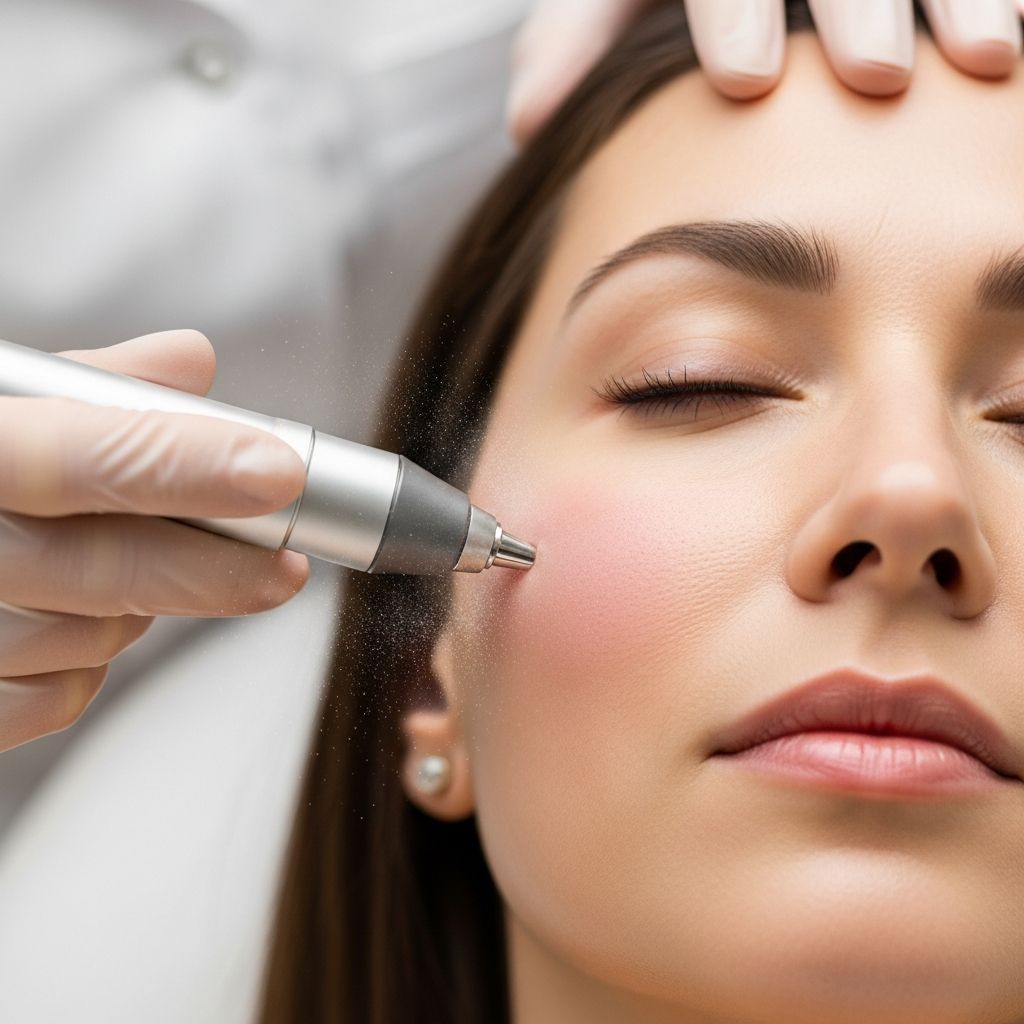
Microdermabrasion, also known as a “power peel,” is a non-surgical, non-chemical exfoliating procedure that uses specialized medical-grade equipment to gently remove dead skin cells and damaged skin layers. Unlike its more aggressive counterpart, dermabrasion, microdermabrasion is designed for superficial skin concerns and requires minimal downtime. The procedure works by directing a stream of fine crystals or using a diamond-tipped applicator to sand away the skin’s surface, which is then suctioned away along with debris, bacteria, and damaged cells.
How Does Microdermabrasion Work?
Professional microdermabrasion utilizes medical-grade devices equipped with precision instruments to exfoliate the skin’s outer layers. The effectiveness of professional microdermabrasion procedures significantly surpasses any exfoliating scrub or retail skin resurfacing system available for home use. During the procedure, the handheld applicator is moved across treatment zones, carefully removing inactive and damaged skin cells. This controlled exfoliation stimulates the production of collagen and elastin as part of the body’s natural skin renewal processes. The procedure is safe for most skin types, including oily, dry, and combination skin, and can be customized to provide either a gentle or more robust treatment depending on individual needs.
Types of Microdermabrasion
There are three main types of microdermabrasion techniques available, each with unique characteristics:
Crystal Microdermabrasion
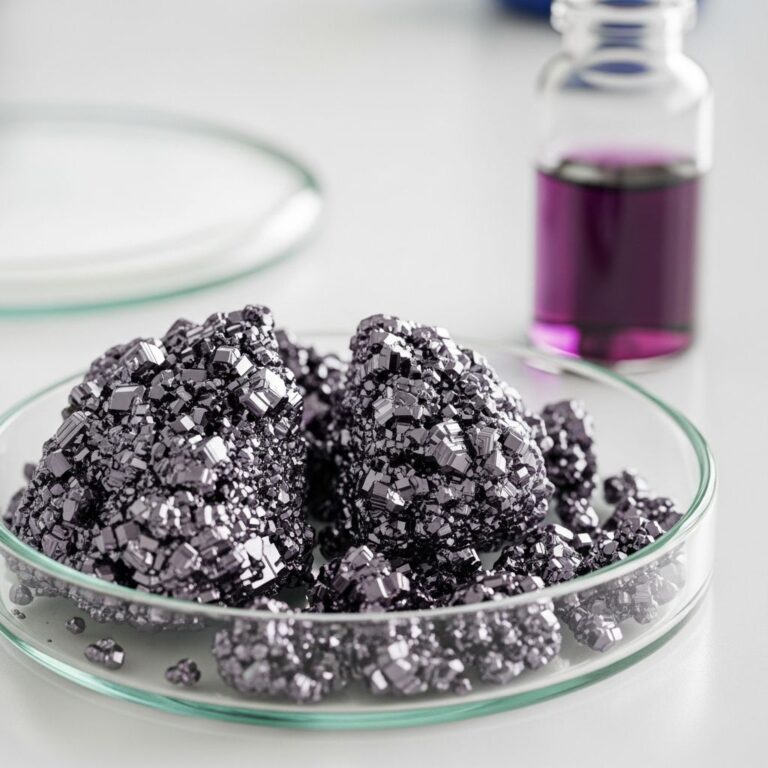
This traditional method utilizes tiny crystals such as sodium bicarbonate, sodium chloride, or magnesium to exfoliate the skin. The crystals are sprayed onto the skin surface and then vacuumed away along with debris. This technique has been widely used for many years and remains effective for treating superficial skin concerns.
Corundum Microdermabrasion
Corundum microdermabrasion employs aluminum oxide crystals to exfoliate the skin. This method provides consistent results and is favored by many practitioners for its reliability and effectiveness across different skin types.
Diamond-Tipped or Crystal-Free Microdermabrasion
This advanced technique uses a handheld applicator with an abrasive diamond or sandpaper tip instead of crystals. The MicroDelivery Peel II® system represents a modern innovation in this category, offering precision and control over the exfoliation process. Diamond-tipped microdermabrasion eliminates concerns about crystal residue and provides a consistent, controlled treatment experience.
Conditions Treated by Microdermabrasion
Microdermabrasion is effective for treating a variety of superficial skin concerns:
- Fine lines and wrinkles
- Dull or lacklustre skin
- Brown spots and age spots
- Mild acne scars
- Sun-damaged skin layers
- Uneven skin tone and texture
- Large pores
- Hyperpigmentation
- Stretch marks
Ideal Candidates for Microdermabrasion
Related Stories



The ideal candidate for microdermabrasion is someone looking to revitalize dull skin and improve mild to moderate signs of aging, hyperpigmentation, and acne scars. This procedure is particularly suitable for individuals seeking convenient skin rejuvenation with minimal to no downtime. Microdermabrasion can be customized to accommodate a gentle or more robust treatment approach based on individual skin concerns and sensitivity levels. A consultation with a qualified skincare specialist will confirm individual suitability and help develop a personalized treatment plan.
The Microdermabrasion Procedure
Before Your Procedure
Prior to undergoing microdermabrasion, you should schedule a consultation with a skincare specialist or dermatologist to discuss your specific concerns and expectations. During this consultation, your provider will assess your skin type, condition, and any contraindications. You may be advised to avoid certain medications, supplements, or skincare products that could increase skin sensitivity. Typically, you should avoid sun exposure and wear sunscreen in the days leading up to your appointment. Your provider may also recommend discontinuing vitamin A derivatives like tretinoin for a few days before treatment.
During Your Procedure
Treatment usually lasts about 30 to 40 minutes, though the exact duration depends on the size of the treatment area and the specific technique being used. The procedure begins with a gentle cleansing solution to remove surface impurities and prepare the skin. Your provider will then use the handheld exfoliating applicator, moving it across the treatment zones in controlled, overlapping passes. The precise instrument directs a stream of fine crystals or utilizes the diamond-tipped applicator to gently remove tiny particles of dead and damaged skin. The removed debris is simultaneously suctioned away, keeping the treatment area clean and allowing your provider to assess skin depth throughout the procedure.
Post-Procedure Application
When the microdermabrasion process is finished, a nourishing moisturizer and sunscreen will be applied to support and protect the newly revealed skin. Your healthcare provider may provide a soothing cream or gel to calm any irritation and reduce redness or sensitivity.
Recovery and Aftercare
Immediate Recovery
You can go home right after your procedure. Your skin might be a little red, swollen, or sensitive for up to 24 hours following treatment. These mild side effects are normal and typically resolve quickly. You may experience slight redness or skin sensitivity for a few hours after the procedure, but downtime is not required. Unlike more invasive procedures, microdermabrasion allows most individuals to return to their daily activities immediately following treatment.
Post-Treatment Skincare Instructions
To avoid irritation and maximize your treatment results, it is essential to follow post-treatment skincare instructions provided by your healthcare provider:
- Use gentle, fragrance-free moisturizers regularly
- Avoid excessive heat and direct sunlight for a few days immediately after the procedure
- Apply broad-spectrum sunscreen with at least SPF 30 whenever you are outside
- Avoid strenuous exercise for 24 to 48 hours
- Do not use harsh or exfoliating skincare products for several days
- Avoid chlorinated pools and hot tubs for at least 24 hours
- Do not pick at or scratch treated skin
- Stay well-hydrated and maintain a healthy skincare routine
Treatment Frequency and Results
Number of Treatments
Most people get between one and four treatments each month to achieve their desired results. Depending on your skin type, condition, and expectations, you may need six to 12 treatments over several weeks for optimal results. A typical course of treatment ranges from five to 12 sessions spaced a week or two apart. Monthly maintenance treatments after achieving desired results can help you maintain the improvements in the skin’s color, tone, and texture.
Expected Results
Most people experience immediate improvements to their skin following microdermabrasion, though optimal results won’t be visible until all recommended treatments are completed. The cumulative effects of multiple sessions result in dramatic improvements in the skin’s color, tone, and texture, leading to a more radiant and vibrant glow. Fine lines appear softer, brown spots fade, acne scars become less noticeable, and overall skin texture becomes smoother and more refined. The skin will appear brighter and more youthful with improved clarity and a renewed luminosity.
Long-Term Maintenance
Following up with an expert at a reputable cosmetic and plastic surgery center is the best way to ensure long-lasting results from microdermabrasion procedures. Maintenance treatments performed monthly or as recommended by your provider can help sustain the improvements achieved during your initial treatment series. Consistent use of sunscreen, a healthy skincare routine, and protection from sun damage will extend the longevity of your results.
Side Effects and Safety Considerations
Microdermabrasion is generally a safe procedure with minimal side effects. The most common temporary side effects include mild redness, slight swelling, and increased skin sensitivity that typically resolve within 24 hours. Because the procedure causes no bleeding and requires minimal downtime, it is considered a very safe cosmetic treatment option.
However, microdermabrasion may not be suitable for individuals with certain skin conditions, such as active acne with pustules, rosacea, or eczema. Those with a history of keloid formation or extremely sensitive skin should consult with their provider before undergoing treatment. Individuals taking certain medications or those with compromised immune systems should discuss potential risks with their healthcare provider.
Microdermabrasion vs. Dermabrasion
While both procedures aim to improve skin appearance, microdermabrasion and dermabrasion are distinct treatments. Microdermabrasion is a minimally invasive, non-surgical procedure using a spray of tiny abrasive crystals to soften all skin types. It is a lighter procedure than dermabrasion and is best for treating superficial skin concerns. Dermabrasion, by contrast, is a surgical procedure that uses high-speed rotary instruments to remove deeper layers of skin. Dermabrasion is more aggressive and better suited for severe scarring, deep wrinkles, and other significant skin defects. Dermabrasion also requires more downtime and carries greater risks of complications.
Frequently Asked Questions
Q: How long does a microdermabrasion treatment take?
A: A typical microdermabrasion treatment usually lasts about 30 to 40 minutes, depending on the size of the treatment area and the specific technique being used.
Q: Is there downtime after microdermabrasion?
A: Downtime is not required following microdermabrasion. Most individuals can return to their daily activities immediately after the procedure. You may experience slight redness or sensitivity for a few hours, but this typically resolves quickly.
Q: How many treatments will I need?
A: Most people require between six to 12 treatments over several weeks to achieve optimal results. Monthly maintenance treatments can help sustain the improvements achieved during your initial treatment series.
Q: Is microdermabrasion safe for sensitive skin?
A: Microdermabrasion is generally safe for most skin types, including sensitive skin. The procedure can be customized to provide a gentler treatment approach for those with increased sensitivity. However, individuals with certain skin conditions should consult with their provider first.
Q: When can I wear makeup after microdermabrasion?
A: While you can typically return to your normal activities immediately, it is recommended to wait at least 24 hours before applying makeup to allow your skin to fully recover and to minimize irritation.
Q: What should I do to maintain my results?
A: To maintain your microdermabrasion results, use sunscreen daily with at least SPF 30, maintain a consistent skincare routine, avoid excessive sun exposure, and schedule maintenance treatments as recommended by your healthcare provider.
Q: Can microdermabrasion treat deep scars?
A: Microdermabrasion is effective for treating mild acne scars and superficial scarring. For deep or severe scars, a more aggressive procedure such as dermabrasion or other advanced treatments may be more appropriate.
Q: Is microdermabrasion painful?
A: Microdermabrasion is not painful. Most people describe the sensation as a gentle scratching or buzzing feeling. The procedure is well-tolerated by most patients without the need for anesthesia.
References
- Microdermabrasion: What It Is, Benefits, Results & Side Effects — Cleveland Clinic. 2025. https://my.clevelandclinic.org/health/treatments/25124-microdermabrasion
- Dermabrasion & Microdermabrasion — Cleveland Clinic. 2025. https://my.clevelandclinic.org/cosmetic-plastic-surgery/procedures/dermabrasion-microdermabrasion
- Dermabrasion: What Is It, Side Effects, Procedure & Benefits — Cleveland Clinic. 2025. https://my.clevelandclinic.org/health/treatments/8309-dermabrasion
- Dermaplaning: What It Is, Benefits & Side Effects — Cleveland Clinic. 2025. https://my.clevelandclinic.org/health/treatments/22680-dermaplaning
- Treatments to Reduce Wrinkles — Cleveland Clinic. 2025. https://my.clevelandclinic.org/health/treatments/8411-treatments-to-reduce-wrinkles
- Microdermabrasion in Cleveland & Columbus — The J. Parry Clinic. https://www.thejparryclinic.com/aesthetic-services-cleveland/microdermabrasion/
- Dermabrasion and Microdermabrasion — WebMD. https://www.webmd.com/beauty/cosmetic-procedures-dermabrasion
Similar Articles








Read full bio of Sneha Tete