Microneedling: What It Is, Uses, Benefits & Results
Discover how microneedling treats acne scars, wrinkles, and stretch marks with minimal downtime.
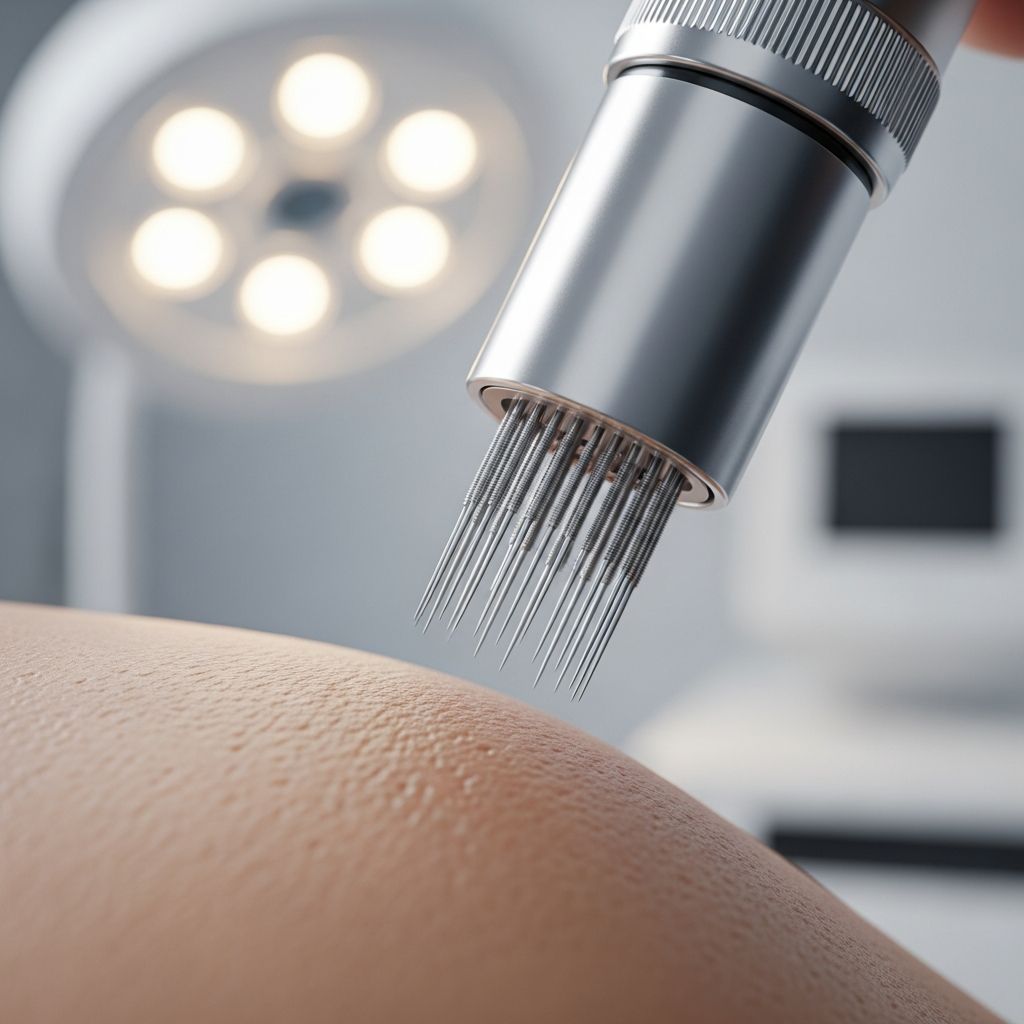
Microneedling is a minimally invasive procedure that has gained significant popularity in dermatology and cosmetic medicine. Your healthcare provider uses thin needles to make tiny holes in the top layer of your skin. This controlled damage helps stimulate your skin’s natural healing process, encouraging the production of more collagen and elastin. These essential proteins keep your skin firm, smooth, and youthful. Most people pursue microneedling for cosmetic purposes, though it can also help address certain medical skin conditions.
Understanding How Microneedling Works
The science behind microneedling is straightforward yet effective. When tiny punctures are created in your skin, your body recognizes this as an injury and launches its natural healing response. This healing process stimulates the production of new collagen and elastin fibers, which are crucial proteins that maintain skin elasticity and firmness. The procedure essentially harnesses your body’s innate ability to repair and regenerate itself.
During a microneedling session, your healthcare provider uses one of two methods to create these controlled micro-injuries. The first involves a hand-held roller device equipped with tiny needles. Your provider rolls this gently and slowly across your skin in a controlled manner. The second method employs an electric device where needles pulse up and down rhythmically to puncture your skin. With electric devices, healthcare providers can adjust the needle length based on your specific needs.
Needle Depths and Treatment Variations
The depth of needle penetration is carefully controlled and varies depending on the area being treated and the specific skin concern being addressed. Needle lengths can range from 0.5 millimeters to 2 millimeters. Shorter needles work well for superficial concerns and sensitive facial areas, while longer needles penetrate deeper into the skin—necessary when treating deep acne scars, pockmarks, or significant textural issues.
What to Expect During Your Microneedling Procedure
Understanding what happens during your microneedling treatment can help you prepare mentally and physically for the experience. Most procedures require only topical anesthesia applied to your face—no injections are necessary. Your provider will apply numbing cream to minimize discomfort during the treatment.
During the procedure itself, you might experience a warming sensation or a gentle scratching feeling as the needles move across your skin. Some patients report mild discomfort when needles pass over bony areas such as cheekbones. If your treatment involves deeper penetration, you may experience minor bleeding, which is a normal part of the process.
The duration of a microneedling procedure varies considerably depending on the size of the treatment area. Sessions can last anywhere from 15 minutes to a few hours. Most commonly, treatments targeting facial concerns take between 30 and 60 minutes.
Common Uses and Treatment Indications
Microneedling addresses a variety of skin concerns that affect appearance and confidence. The procedure is particularly effective for the following conditions:
Related Stories



- Acne scars, including both depressed and pitted scars
- Stretch marks that appear after pregnancy, weight changes, or physical development
- Fine lines and wrinkles associated with aging
- Overall skin texture improvement and refinement
- Enlarged pores
- Hyperpigmentation and uneven skin tone
- Loss of skin elasticity and firmness
The Ideal Candidate for Microneedling
The ideal candidate for microneedling is anyone seeking a quick, painless, and effective method to improve their skin’s texture, tone, and overall appearance. Whether you’re concerned about visible signs of aging, acne scarring, or textural irregularities, microneedling may be suitable for you. However, certain skin conditions or medications may contraindicate treatment, so consultation with a dermatologist is essential before proceeding.
Recovery and Downtime
One of the significant advantages of microneedling is its minimal downtime compared to more invasive procedures. Side effects after treatment are generally mild, allowing most patients to return to their normal daily activities quickly.
Immediately following your procedure, you’ll notice mild pinpoint bleeding, which is completely normal. Your skin may appear mildly red, similar to a light sunburn. This redness typically subsides within 24 hours for most patients. Some individuals experience mild swelling that can persist for up to five days, though this is usually minimal.
Your healthcare provider will apply moisturizer immediately after the procedure to soothe and hydrate your treated skin. Within approximately 24 hours, your skin will return to its normal appearance for most daily activities. You can typically resume your regular routine the day after treatment, making microneedling an excellent option for busy individuals.
Expected Results and Timeline
While some patients notice immediate improvements in their skin’s appearance following microneedling, the most dramatic and lasting results develop over time as your body produces new collagen. Understanding the realistic timeline helps set appropriate expectations.
After your microneedling treatment, you’ll progressively notice:
- Thicker, firmer skin with improved structural integrity
- Increased smoothness and refined texture
- Enhanced hydration and a more radiant complexion
- Reduced appearance of common skin imperfections including scars and wrinkles
Most patients require between three and six treatment sessions spaced three to eight weeks apart to achieve optimal results. Your specific number of treatments depends on the severity of your condition, your skin type, and your individual healing response. Some people achieve satisfactory results within four to six months, though others may require a longer timeframe for complete improvement.
After reaching your desired results, you may need maintenance treatments approximately once a year to sustain the benefits and continue stimulating collagen production.
Treatment Frequency and Maintenance
Establishing an appropriate treatment schedule is crucial for achieving and maintaining optimal results. Most dermatologists recommend spacing treatments three to eight weeks apart, allowing adequate time between sessions for your skin to heal and produce new collagen. This interval prevents overstimulation and ensures your skin receives sufficient recovery time.
The total number of sessions needed varies based on individual factors including the depth and severity of skin concerns, your skin’s natural healing capacity, and your personal aesthetic goals. Following your initial treatment series, annual maintenance treatments help preserve your results and maintain the improvements you’ve achieved.
Potential Side Effects and Considerations
While microneedling is generally well-tolerated with minimal side effects, understanding potential reactions helps you prepare and care for your skin appropriately post-treatment. Most side effects are temporary and mild, resolving within days to weeks.
Common side effects may include:
- Skin irritation and sensitivity
- Temporary discoloration or hyperpigmentation
- Mild to moderate swelling
- Flaky or peeling skin as new skin layers regenerate
- Minor bleeding during deeper treatments
Most of these effects resolve naturally as your skin heals. However, certain individuals may experience more pronounced reactions, particularly those with sensitive skin or specific dermatological conditions. Discussing your medical history and current skincare routine with your healthcare provider helps minimize adverse reactions.
Comparing Microneedling to Other Skin Treatments
Several skin rejuvenation treatments address similar concerns, each with distinct advantages and disadvantages. Understanding how microneedling compares to alternatives helps you make an informed decision about which treatment best suits your needs and lifestyle.
| Treatment | Mechanism | Downtime | Results Timeline |
|---|---|---|---|
| Microneedling | Stimulates collagen via controlled micro-injuries | Minimal; 24 hours | 3-6 months |
| Laser Resurfacing | Removes skin layers with concentrated light beams | Significant; 1-2 weeks | Immediate; continues 1 year |
| Dermabrasion | Mechanically scrapes away skin layers | Moderate; 2+ weeks | Several weeks to months |
| RF Microneedling | Combines needles with radiofrequency energy | Minimal to none; 24 hours | 2-4 treatments |
Advanced Variations: RF Microneedling
Radiofrequency (RF) microneedling represents an advancement in microneedling technology. This variation uses specially insulated needles that deliver high-intensity radiofrequency energy into targeted tissue beneath your skin. This combination approach provides a uniform warming effect to deep tissue, stimulating new collagen fiber growth more effectively than traditional microneedling alone.
RF microneedling offers similar minimal downtime benefits to standard microneedling while potentially delivering more dramatic results. Typically, two to four treatments are recommended for optimal results. Side effects remain minimal, with mild redness persisting for approximately 24 hours, and most patients resume normal routines immediately after treatment.
Post-Treatment Skin Care and Maintenance
Proper aftercare following microneedling is essential for optimal healing and results. Your healthcare provider will provide specific instructions tailored to your treatment, but general guidelines include gentle skincare, sun protection, and appropriate moisturization. Avoid strenuous exercise, excessive heat exposure, and harsh skincare products for several days post-treatment to allow your skin to heal properly.
Frequently Asked Questions
Q: How many microneedling treatments do I need?
A: Most people require three to six treatments spaced three to eight weeks apart. Your dermatologist will recommend the specific number based on your skin condition severity and desired results.
Q: When will I see results from microneedling?
A: While some improvement appears immediately, significant results typically develop over three to six months as collagen production increases. Full results may take longer for deeper concerns.
Q: Is microneedling painful?
A: Topical anesthesia numbs your skin before treatment, making the procedure relatively painless. Most patients report only mild discomfort or a scratching sensation.
Q: Can I return to normal activities after microneedling?
A: Yes, most patients can resume normal routines within 24 hours. Minimal downtime is one of microneedling’s key advantages over more invasive procedures.
Q: Will microneedling work for my specific skin concern?
A: Microneedling effectively treats acne scars, stretch marks, wrinkles, enlarged pores, and uneven skin tone. Consultation with a dermatologist determines suitability for your individual condition.
Q: How long do microneedling results last?
A: Results can last several years, though annual maintenance treatments help sustain improvements and continue stimulating collagen production.
References
- Microneedling: What It Is, Uses, Benefits & Results — Cleveland Clinic. 2024. https://my.clevelandclinic.org/health/treatments/23113-microneedling
- Microneedling – Cosmetic Procedures — Cleveland Clinic. 2024. https://my.clevelandclinic.org/cosmetic-plastic-surgery/procedures/microneedling
- Radio Frequency (RF) Microneedling — Cleveland Clinic. 2024. https://my.clevelandclinic.org/cosmetic-plastic-surgery/procedures/radio-frequency-rf-microneedling
- Stretch Marks: Causes, Treatment Options & Prevention — Cleveland Clinic. 2024. https://my.clevelandclinic.org/health/diseases/10785-stretch-marks
- Treatments to Reduce Wrinkles — Cleveland Clinic. 2024. https://my.clevelandclinic.org/health/treatments/8411-treatments-to-reduce-wrinkles
- Microneedling: A Minimally Invasive Approach for Treating Textural Abnormalities and Scars — PubMed Central. National Institutes of Health. https://pubmed.ncbi.nlm.nih.gov/29224032/
Similar Articles








Read full bio of Sneha Tete