Micronutrients Have Major Impact on Health
Essential vitamins and minerals play critical roles in disease prevention and overall wellness.
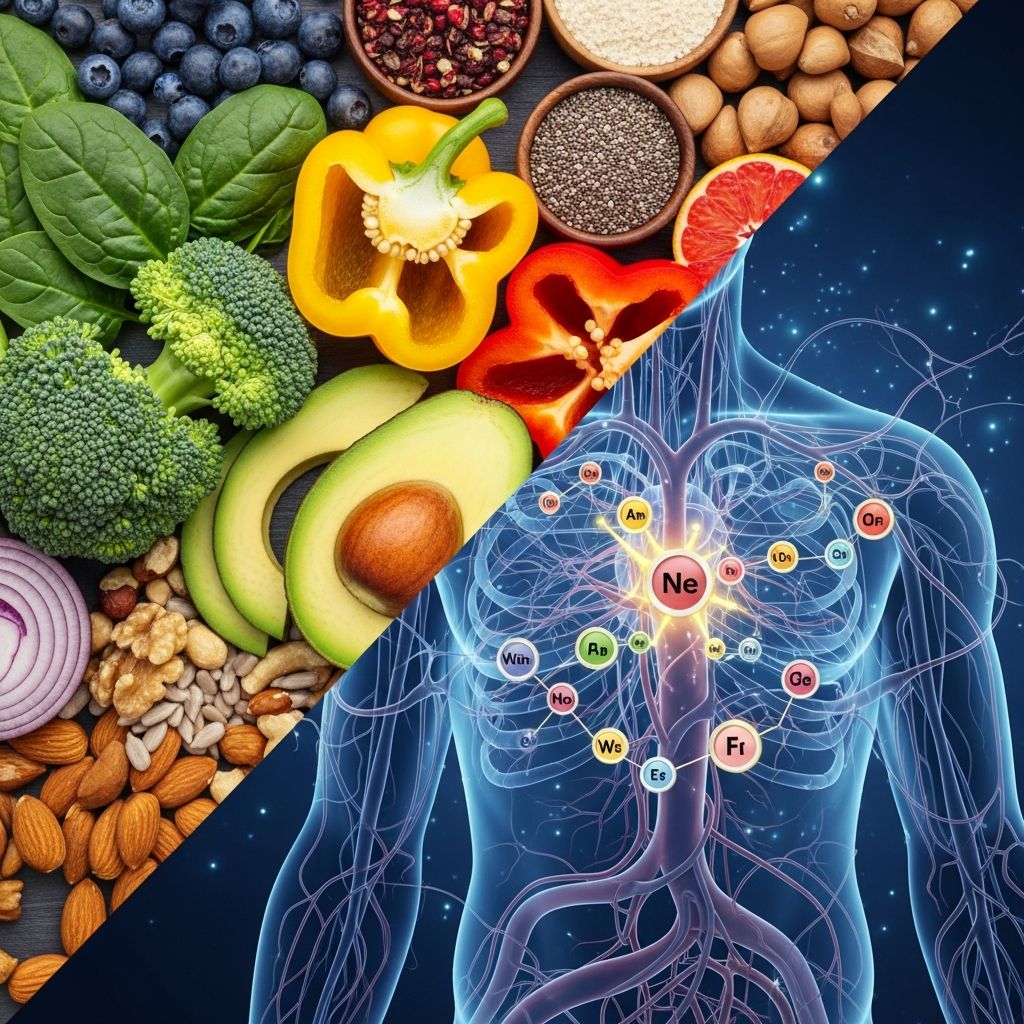
While macronutrients like carbohydrates, proteins, and fats often dominate nutrition discussions, micronutrients—vitamins and minerals—play equally vital roles in maintaining optimal health and preventing disease. Despite their small quantities required by the body, these essential nutrients have profound effects on virtually every biological function, from immune response to bone strength, cognitive function to energy metabolism. Understanding the importance of micronutrients and recognizing how deficiencies can compromise health is fundamental to achieving long-term wellness.
Understanding Micronutrients and Their Functions
Micronutrients encompass a diverse group of vitamins and minerals that your body requires in relatively small amounts but cannot produce on its own. These include essential vitamins such as A, B-complex vitamins (B1, B2, B3, B6, B12), C, D, and E, as well as critical minerals like calcium, iron, magnesium, zinc, selenium, and iodine. Each micronutrient has specific functions in the body, working both independently and synergistically with other nutrients to maintain health.
The roles of micronutrients are remarkably diverse. Vitamin A supports vision and immune function. B vitamins are crucial for energy production and nervous system health. Vitamin C bolsters immunity and aids in collagen formation. Calcium and magnesium build and maintain bone structure. Iron transports oxygen throughout the body. Zinc supports immune response and wound healing. These are just a few examples of the thousands of biochemical processes that depend on adequate micronutrient availability.
The Scope of Global Micronutrient Deficiency
Micronutrient deficiencies represent one of the most significant yet often overlooked public health challenges worldwide. More than half of the global population consumes inadequate levels of micronutrients essential to health, including calcium, iron, and vitamins C and E. This affects approximately two billion people across all age groups and socioeconomic backgrounds. The first comprehensive global study to estimate inadequate micronutrient consumption across 34 age-sex groups in nearly every country revealed alarming patterns of nutritional insufficiency.
The research identified specific micronutrients with particularly high deficiency rates:
- Iodine – 68% of the global population consumes inadequate levels
- Vitamin E – 67% inadequate consumption
- Calcium – 66% inadequate consumption
- Iron – 65% inadequate consumption
- Riboflavin, folate, vitamin C, and vitamin B6 – More than 50% of the population
- Selenium – 37% inadequate consumption
- Thiamin – 30% inadequate consumption
- Niacin – 22% inadequate consumption (closest to sufficiency)
These deficiencies transcend geographic boundaries and income levels, though they are more prevalent in certain regions and vulnerable populations including pregnant women, children, and elderly individuals.
Health Consequences of Micronutrient Deficiencies
Inadequate micronutrient intake produces far-reaching consequences that extend beyond simple nutritional status. Each deficiency carries distinct health risks that can significantly impact quality of life and long-term health outcomes.
Iron Deficiency and Anemia
Iron deficiency is the most common cause of anemia globally. Beyond anemia symptoms like fatigue and weakness, iron deficiency impairs cognitive function, reduces work productivity, and decreases educational performance. In children, it can permanently affect intellectual development and academic achievement.
Related Stories



Calcium Deficiency and Bone Health
Insufficient calcium intake compromises bone density and increases osteoporosis risk, particularly in older adults and postmenopausal women. Calcium deficiency also affects neuromuscular function and cardiovascular health.
Iodine Deficiency
Iodine deficiency impairs thyroid function and metabolism, affecting growth and development in children. It can lead to goiter and mental impairment if left untreated.
Vitamin E and Antioxidant Defense
Vitamin E deficiency compromises the body’s antioxidant systems, increasing vulnerability to oxidative stress and chronic diseases including cardiovascular disease and neurological disorders.
B Vitamins and Metabolic Function
B vitamin deficiencies disrupt energy metabolism and nervous system function. Folate deficiency increases adverse pregnancy outcomes, stillbirths, and neural tube defects, while also affecting DNA synthesis and cervical health. Vitamin B12 deficiency impairs nerve signaling and red blood cell production, with absorption becoming less efficient as we age.
Zinc and Immune Function
Zinc deficiency compromises immune function, impairs growth and development in children, and affects fertility. It increases susceptibility to infectious diseases and slows wound healing.
Risk Factors for Micronutrient Deficiency
While micronutrient deficiencies are widespread, certain factors increase individual risk:
- Ultra-Processed Food Consumption – High consumption of ultra-processed foods is inversely associated with intake of 15 out of 20 micronutrients evaluated. Children consuming the highest levels of ultra-processed foods showed 2.57 times higher odds of inadequate intake of three or more micronutrients compared to low consumers.
- Limited Dietary Diversity – Monotonous diets lacking varied whole foods restrict micronutrient intake
- Restricted Diets – Vegetarian, vegan, or other specialized diets require careful planning to meet micronutrient needs
- Malabsorption Conditions – Gastrointestinal disorders affect nutrient absorption efficiency
- Aging – Reduced appetite, altered taste, and decreased absorption efficiency in older adults increase deficiency risk
- Pregnancy and Lactation – Increased nutrient demands during these life stages elevate deficiency risk
- Medication Use – Some medications interfere with nutrient absorption or increase excretion
- Limited Food Access – Food insecurity and poverty restrict access to nutrient-dense foods
Recognizing Micronutrient Deficiency Symptoms
Micronutrient deficiencies produce both visible clinical symptoms and subtle subclinical effects that may go unnoticed. While severe deficiency causes obvious disease (scurvy from vitamin C deficiency, rickets from vitamin D deficiency), mild to moderate deficiency often manifests as nonspecific symptoms including:
- Persistent fatigue and low energy levels
- Brain fog and difficulty concentrating
- Weakened immunity and frequent infections
- Slow wound healing
- Hair loss and skin problems
- Muscle weakness
- Mood disturbances and irritability
- Poor academic or work performance
These subtle effects can significantly impact quality of life and productivity without obvious connection to nutritional status.
Micronutrient Adequacy and Metabolic Health
Adequate micronutrient intake is essential for optimal metabolic health. Your metabolism processes nutrients and determines how efficiently your body utilizes them for energy production, tissue maintenance, and immune function. Individual metabolic variation means that two people eating similar diets may have different micronutrient status based on how their bodies process and absorb nutrients.
This metabolic individuality emphasizes why generic micronutrient recommendations may not meet everyone’s needs. Some individuals require higher nutrient intake due to genetic factors, health conditions, or lifestyle factors. Similarly, certain metabolic states increase micronutrient requirements, including stress, intense exercise, illness, and recovery from surgery.
Strategies for Optimizing Micronutrient Intake
Prioritize Whole Food Sources
The most effective way to meet micronutrient needs is through diverse whole foods including:
- Vegetables and Fruits – Varied colors provide different micronutrient profiles; leafy greens offer iron and folate; orange vegetables provide vitamin A
- Legumes – Rich in iron, zinc, folate, and other B vitamins
- Whole Grains – Contain B vitamins, magnesium, and selenium
- Nuts and Seeds – Provide vitamin E, selenium, magnesium, and zinc
- Fish and Seafood – Excellent sources of iodine, selenium, and vitamin D
- Dairy Products or Fortified Alternatives – Calcium and vitamin D sources
- Eggs – Contain choline, selenium, and vitamin B12
Minimize Ultra-Processed Foods
Reducing ultra-processed food consumption significantly improves micronutrient intake. These foods are typically stripped of natural micronutrients during processing and provide excessive calories with minimal nutritional value.
Consider Individual Assessment
Individualized nutrient assessment can identify specific deficiencies based on your unique metabolic profile, dietary patterns, and health status. Blood tests measuring micronutrient levels provide objective data to guide supplementation decisions, ensuring you address actual deficiencies rather than taking supplements indiscriminately.
Balance Micronutrient Intake
Both excess and inadequate intake of micronutrients can be equally harmful. Taking excessive supplements without medical guidance can lead to toxicity, particularly for fat-soluble vitamins A, D, E, and K. Achieving balance through varied whole foods is safer than relying on supplements alone.
Micronutrient Deficiency and Disease Prevention
Micronutrient deficiency is recognized as one of the 20 most important risk factors for diseases affecting populations worldwide. Adequate micronutrient status supports multiple disease prevention mechanisms:
- Cardiovascular Disease – Micronutrients including magnesium, potassium, and antioxidants support heart health
- Type 2 Diabetes – Magnesium, chromium, and other minerals influence insulin sensitivity
- Cancer Risk – Antioxidant micronutrients may reduce cancer risk through multiple mechanisms
- Neurodegenerative Diseases – B vitamins and antioxidants support brain health and reduce cognitive decline
- Bone Diseases – Calcium, vitamin D, magnesium, and zinc are essential for bone formation and maintenance
- Infections and Immune Disease – Zinc, vitamin D, vitamin C, and selenium strengthen immune defenses
Special Populations and Micronutrient Needs
Pregnant and Lactating Women
Pregnancy and breastfeeding dramatically increase micronutrient requirements. Folate, iron, calcium, and vitamin D become especially critical during these periods. Adequate folate intake early in pregnancy reduces neural tube defect risk by up to 70%.
Children and Adolescents
Growing children require adequate micronutrients for proper development, cognitive function, and immune competence. Inadequate micronutrient intake in childhood has lasting effects on educational achievement, growth, and long-term health.
Older Adults
Aging increases micronutrient requirements while reducing absorption efficiency. Vitamin B12 absorption becomes particularly challenging in older adults, necessitating fortified foods or supplements. Vitamin D and calcium become critical for maintaining bone health and preventing falls.
Vegetarians and Vegans
Plant-based diets require careful planning to ensure adequate vitamin B12, iron, zinc, and calcium intake. These individuals may benefit from supplementation or careful food selection strategies.
Public Health Implications
Addressing global micronutrient deficiency has enormous potential to improve public health outcomes and reduce healthcare burden. Targeted dietary interventions addressing population-specific deficiencies could reduce disease burden, improve educational outcomes, enhance work productivity, and significantly improve quality of life for billions of people worldwide. Identifying the most effective and cost-efficient interventions for different populations and geographic regions represents a major public health opportunity.
Frequently Asked Questions
Q: Can I get all my micronutrients from food alone?
A: For most people, a well-planned diet with diverse whole foods can provide adequate micronutrients. However, certain conditions, medications, dietary restrictions, or individual metabolic factors may necessitate supplementation.
Q: Is it safe to take multiple vitamin supplements?
A: Taking excessive supplements without medical guidance can lead to toxicity. Both excess and inadequate micronutrient intake can be harmful. Individualized assessment is recommended before starting supplement regimens.
Q: Why am I deficient in micronutrients if I eat a “healthy” diet?
A: Your metabolism plays a key role in how efficiently your body absorbs and utilizes nutrients. Individual variations in absorption, genetic factors, medications, health conditions, and the micronutrient density of your specific food choices all influence actual micronutrient status.
Q: Which micronutrient deficiencies are most concerning?
A: Iron, calcium, iodine, and vitamin E deficiencies are most prevalent globally, affecting over 65% of the population for iron, calcium, and vitamin E. However, individual priority depends on personal risk factors and health status.
Q: How can I improve my micronutrient intake?
A: Focus on consuming diverse whole foods including colorful vegetables and fruits, legumes, whole grains, nuts, seeds, fish, and dairy products. Minimize ultra-processed foods and consider individual micronutrient assessment to identify specific needs.
References
- Billions worldwide deficient in essential micronutrients — Harvard Gazette/Harvard T.H. Chan School of Public Health. 2024-08-29. https://news.harvard.edu/gazette/story/2024/08/billions-worldwide-deficient-in-essential-micronutrients/
- Billions worldwide consume inadequate levels of micronutrients critical to human health — Harvard T.H. Chan School of Public Health. 2024-08-29. https://hsph.harvard.edu/news/billions-worldwide-consume-inadequate-levels-of-micronutrients-critical-to-human-health/
- High consumption of ultra-processed foods is associated with inadequate micronutrient intake — National Center for Biotechnology Information/NIH. 2023. https://pmc.ncbi.nlm.nih.gov/articles/PMC10460344/
Similar Articles








Read full bio of Sneha Tete