Microvascular Angina: Why Women Shouldn’t Ignore Chest Pain
Understanding microvascular angina: Why women's heart symptoms often go unrecognized and what to do about it.
Microvascular Angina: Why Women Shouldn’t Ignore Chest Pain and Fatigue
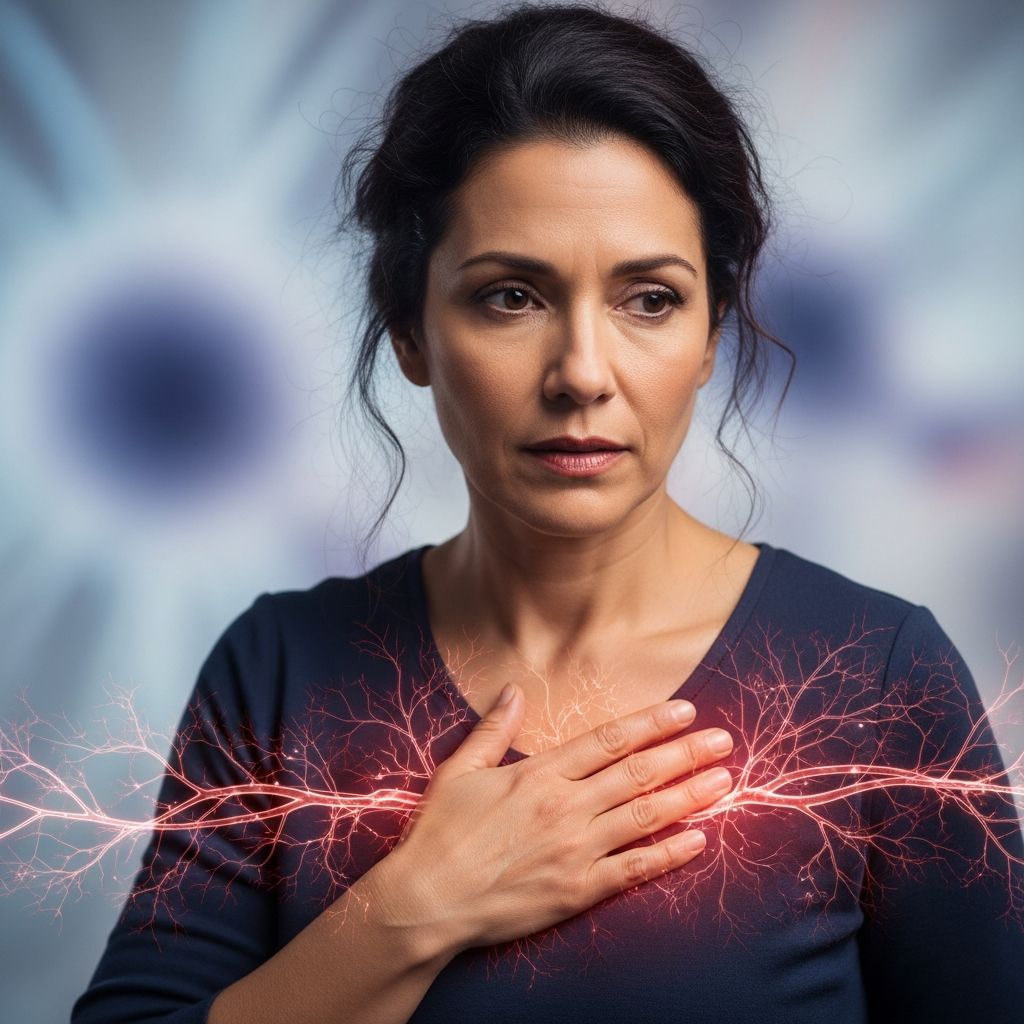
Heart disease remains the leading cause of death among women in the United States, yet many women don’t recognize the warning signs specific to their gender. While men typically experience the classic crushing chest pain associated with angina, women often present with subtle, atypical symptoms that can be easily dismissed or misdiagnosed. Microvascular angina, also known as cardiac syndrome X, represents a particularly challenging condition that predominantly affects women, especially those in their postmenopausal years. Understanding this condition and recognizing its varied presentations is crucial for early intervention and preventing serious complications.
Microvascular angina occurs when the small blood vessels of the heart aren’t functioning properly, reducing blood flow to the heart muscle even when the larger coronary arteries appear normal on imaging tests. This unique characteristic makes diagnosis challenging and explains why many women receive a “normal” coronary angiography result despite experiencing genuine heart-related symptoms. Women experiencing angina symptoms are five times more likely than men to receive a “normal” diagnosis, yet they may still have significant heart disease affecting their smaller vessels.
Understanding Microvascular Angina
Microvascular angina is defined as angina pectoris caused by abnormalities of the small coronary arteries. Unlike traditional angina caused by blockages in the main coronary vessels, microvascular angina involves dysfunction in the coronary microvasculature—the network of tiny blood vessels that supply oxygen to the heart muscle. This distinction is critical because it affects how the condition is diagnosed and treated.
The condition is characterized by chest pain or discomfort, an abnormal stress test indicating myocardial ischemia, yet normal or near-normal appearance of the coronary arteries on angiography. This paradox often leads to patient confusion and delayed treatment. Many women diagnosed with microvascular angina have previously been told their chest pain is “non-cardiac” or psychological in nature, which can be frustrating and dangerous.
Microvascular angina occurs predominantly in postmenopausal women, with biological factors playing a significant role. The reduction in estrogen during menopause appears connected to the development of microvessel abnormalities. Additionally, estrogen affects how the brain perceives pain; when estrogen levels decline, the pain threshold decreases, making women more sensitive to anginal discomfort.
Atypical Symptoms in Women: Recognition is Key
One of the most dangerous aspects of angina in women is that symptoms often don’t match the textbook presentation. While the classic image of angina involves sudden, crushing chest pain, women frequently experience a much wider spectrum of symptoms that can be easily confused with other conditions.
Chest Discomfort Variations
Women with angina often describe chest sensations differently than men. Instead of sharp or crushing pain, women may report:
- Pressure or tightness in the chest
- Burning sensations
- Heaviness or squeezing
- Discomfort similar to heartburn or indigestion
- Mild, intermittent discomfort that comes and goes
The pain may not be centralized in the chest but can spread across the upper chest area or feel like generalized heaviness. This variation in presentation means women may not initially recognize these sensations as heart-related, leading to delayed care-seeking behavior.
Shortness of Breath and Fatigue
Shortness of breath is a common angina symptom in women that frequently occurs without accompanying chest pain. Women may feel winded during light activities such as walking across a room or climbing stairs—exertion levels that shouldn’t normally cause breathlessness. This symptom can appear suddenly or develop gradually over time.
Related Stories



Unusual fatigue is another critical warning sign that women often overlook. Women with microvascular angina frequently report feeling exhausted during daily activities or waking up already fatigued despite adequate sleep. This persistent tiredness can significantly impact quality of life and work performance, yet women may attribute it to stress, aging, or other factors rather than recognizing it as a cardiac symptom.
Nausea, Dizziness, and Gastrointestinal Symptoms
Women with angina may experience gastrointestinal symptoms that can be confused with other conditions:
- Nausea and vomiting
- Dizziness or feeling faint
- Stomach discomfort or indigestion-like sensations
- Sweating, often accompanied by nausea
These symptoms, particularly when they appear in conjunction with physical activity or stress, may indicate reduced blood flow to the heart rather than primary gastrointestinal disease. Many women seek care from gastroenterologists rather than cardiologists for these symptoms, delaying proper cardiac evaluation.
Pain in Neck, Jaw, Back, and Abdomen
One of the most distinctive features of angina in women is the occurrence of discomfort outside the chest area. Women may experience anginal pain in:
- The jaw or teeth
- The neck or throat
- The upper back or shoulder blades
- The abdomen
- The arm (often the left arm)
This radiating or referred pain pattern can be particularly misleading. A woman experiencing jaw pain might schedule a dental appointment, or back pain might lead to a visit with a chiropractor, prolonging the delay in cardiac diagnosis. Understanding that these seemingly unrelated locations can be manifestations of angina is essential for both patients and healthcare providers.
Pathophysiology: Why Microvascular Angina Affects Women Differently
The underlying mechanisms of microvascular angina involve several interconnected physiological processes that explain both its prevalence in women and its treatment challenges.
Endothelial Dysfunction
The most commonly proposed mechanism for microvascular angina is endothelial dysfunction—impairment of the inner lining of blood vessels. The endothelium normally releases nitric oxide (NO), which acts as a vasodilator, allowing blood vessels to relax and widen to accommodate increased blood flow demand. In microvascular angina, this endothelium-dependent vasodilation is compromised, reducing the ability of small vessels to respond to the heart’s oxygen needs.
Abnormal Vasoconstriction
Another key mechanism involves abnormal constriction or spasms of the microvasculature. When these tiny vessels undergo spontaneous hypercontraction, blood flow to the heart muscle becomes restricted, causing chest pain. Unlike angina triggered by exertion or stress, microvascular spasms can occur at rest or without apparent provocation, making symptom patterns unpredictable.
Altered Pain Perception
Patients with microvascular angina often have increased pain perception compared to individuals without the condition. This heightened sensitivity results from multiple factors, including the release of potassium and adenosine from ischemic tissues, and abnormalities in central pain modulation. Additionally, autonomic nervous system imbalance—characterized by increased adrenergic activity and impaired parasympathetic tone—can explain both the increased pain sensitivity and the endothelial dysfunction underlying microvascular angina.
Hormonal Influences
Estrogen plays multiple roles in cardiovascular function. Beyond its effects on microvessel development, estrogen influences how the brain processes pain signals. When estrogen levels drop during menopause, the pain threshold decreases, making women more sensitive to anginal discomfort and potentially making symptoms more severe and difficult to manage.
Diagnostic Challenges and Delayed Recognition
The diagnosis of microvascular angina presents significant challenges that contribute to delayed treatment and patient frustration. Many women undergo extensive testing before receiving an accurate diagnosis, while others never receive proper evaluation.
Standard coronary angiography, which visualizes larger blood vessels, typically appears normal in microvascular angina patients. This normal result can lead healthcare providers to dismiss symptoms as non-cardiac and reassure patients that nothing is wrong, when in reality significant microvessel dysfunction exists. Some studies show that women receiving cardiac evaluation for suspected ischemic symptoms are diagnosed as “normal” five times more frequently than men, often resulting in a misdiagnosis of “cardiac syndrome X” or “non-cardiac chest pain.”
Functional assessment of both the epicardial coronary arteries and the coronary microcirculation is necessary to properly diagnose microvascular angina and avoid the clinical scenario where patients remain untreated. Advanced diagnostic tools such as stress tests, positron emission tomography (PET), or coronary flow reserve measurements may be required to confirm the diagnosis and document myocardial ischemia.
The subtle nature of women’s angina symptoms compounds diagnostic difficulties. Because women often present with fatigue, shortness of breath, or jaw pain rather than classic chest pain, healthcare providers may not initially suspect cardiac disease. Women themselves may attribute symptoms to stress, aging, or other non-cardiac conditions, further delaying medical evaluation.
Treatment Considerations
Managing microvascular angina requires a tailored approach, as the condition often doesn’t respond as effectively to standard anti-anginal medications as traditional angina does. Nitroglycerin spray, the standard first-line treatment for angina attacks, may provide less relief for microvascular angina patients compared to those with obstructive coronary artery disease.
Treatment for microvascular angina must be carefully individualized, with both classical and novel anti-anginal medications selected based on the specific patient presentation and response. Options may include beta-blockers, calcium channel blockers, nitrates, and newer agents targeting specific pathophysiological mechanisms. Lifestyle modifications, stress reduction, and management of risk factors such as hypertension and diabetes also play important roles in symptom management.
Differentiating Angina from Heart Attack
Understanding the distinction between angina and acute myocardial infarction (heart attack) is critical for appropriate emergency response. While angina represents temporary inadequate blood flow, a heart attack involves actual death of heart tissue from prolonged ischemia.
| Symptom | Angina | Heart Attack |
|---|---|---|
| Chest pressure | Common, improves with rest | Common, does not improve with rest |
| Duration | Usually a few minutes | Lasts longer, often 30+ minutes |
| Shortness of breath | Possible | Common |
| Nausea/vomiting | Possible | More frequent, especially in women |
| Pain in jaw/back | Sometimes | Often present in women |
| Occurrence | Usually with activity or stress | Can occur at rest |
If symptoms persist longer than a few minutes, worsen, or occur at rest, immediate emergency medical attention is warranted. Women should not delay calling emergency services based on uncertainty about whether symptoms constitute a “real” heart attack—any suspected acute cardiac event should be treated as a medical emergency.
Why Women Shouldn’t Ignore These Symptoms
The consequences of ignoring angina symptoms can be severe. Angina serves as a warning sign that the heart is not receiving adequate blood flow. Without treatment and lifestyle modifications, this condition can progress to more serious heart disease, including heart attack and heart failure.
Women often delay seeking medical care for angina symptoms because the presentations don’t match expected patterns or because symptoms seem too mild to warrant professional evaluation. This delay increases the risk of complications, potentially transforming a manageable condition into a life-threatening emergency. Early recognition and treatment can prevent disease progression and improve long-term outcomes.
Additionally, the discovery of microvascular angina carries important prognostic implications. While individual microvascular angina events may not be immediately life-threatening, they indicate underlying cardiovascular dysfunction that requires medical management and lifestyle optimization to prevent future cardiac events.
When to Seek Medical Attention
Women should seek prompt medical evaluation if they experience:
- Chest pressure, tightness, or discomfort, especially with activity or stress
- Unusual shortness of breath with minimal exertion
- Persistent, unexplained fatigue
- Nausea or dizziness accompanying physical activity
- Pain or discomfort in the neck, jaw, back, or abdomen triggered by exertion
- A combination of symptoms that seem to relate to increased heart demand
Emergency medical attention (calling 911) is necessary if symptoms persist beyond a few minutes, worsen, occur at rest, or are accompanied by severe sweating, severe shortness of breath, or loss of consciousness.
Frequently Asked Questions
Q: Is microvascular angina dangerous?
A: While microvascular angina may be less immediately life-threatening than acute heart attacks, it indicates significant cardiovascular dysfunction. It requires proper diagnosis and treatment to prevent disease progression and reduce the risk of future cardiac events.
Q: Why is microvascular angina more common in women?
A: Biological factors, particularly the reduction in estrogen during menopause, appear connected to microvessel abnormalities. Estrogen also affects pain perception; lower estrogen levels decrease pain threshold, making women more sensitive to anginal discomfort.
Q: Can microvascular angina be cured?
A: Currently, microvascular angina is managed rather than cured. Treatment focuses on symptom control through medications and lifestyle modifications to prevent disease progression and reduce cardiac event risk.
Q: Why doesn’t nitroglycerin work as well for microvascular angina?
A: Microvascular angina often doesn’t respond as well to nitroglycerin because the underlying dysfunction involves small vessel endothelial dysfunction and abnormal pain perception rather than simple blockages that nitroglycerin can relieve.
Q: What lifestyle changes help manage microvascular angina?
A: Stress reduction, regular moderate exercise, healthy diet, smoking cessation, adequate sleep, and management of risk factors like hypertension and diabetes all help manage microvascular angina symptoms and prevent disease progression.
References
- Angina Symptoms in Women: What You Might Not Expect — CVG Cares. 2024. https://cvgcares.com/angina-symptoms-in-women-what-you-might-not-expect-cardiovascular-group/
- Microvascular Angina: Angina That Predominantly Affects Women — National Institutes of Health. 2015. https://pmc.ncbi.nlm.nih.gov/articles/PMC4351318/
- All About Microvascular Angina — British Heart Foundation. 2024. https://www.bhf.org.uk/informationsupport/heart-matters-magazine/medical/all-about-microvascular-angina
- Angina in Women Can Be Different From Men — American Heart Association. 2024. https://www.heart.org/en/health-topics/heart-attack/angina-chest-pain/angina-in-women-can-be-different-than-men
- Microvascular Angina — Cleveland Clinic. 2024. https://my.clevelandclinic.org/health/symptoms/microvascular-angina
- Small Vessel Disease—Symptoms & Causes — Mayo Clinic. 2024. https://www.mayoclinic.org/diseases-conditions/small-vessel-disease/symptoms-causes/syc-20352117
- Microvascular Angina — Hartford HealthCare. 2024. https://hartfordhealthcare.org/services/heart-vascular/conditions/angina/microvascular-angina
Similar Articles








Read full bio of medha deb