Microwave Cooking and Nutrition: Safety, Benefits, and Best Practices
Discover how microwave cooking preserves nutrients better than traditional methods while maintaining food safety standards.
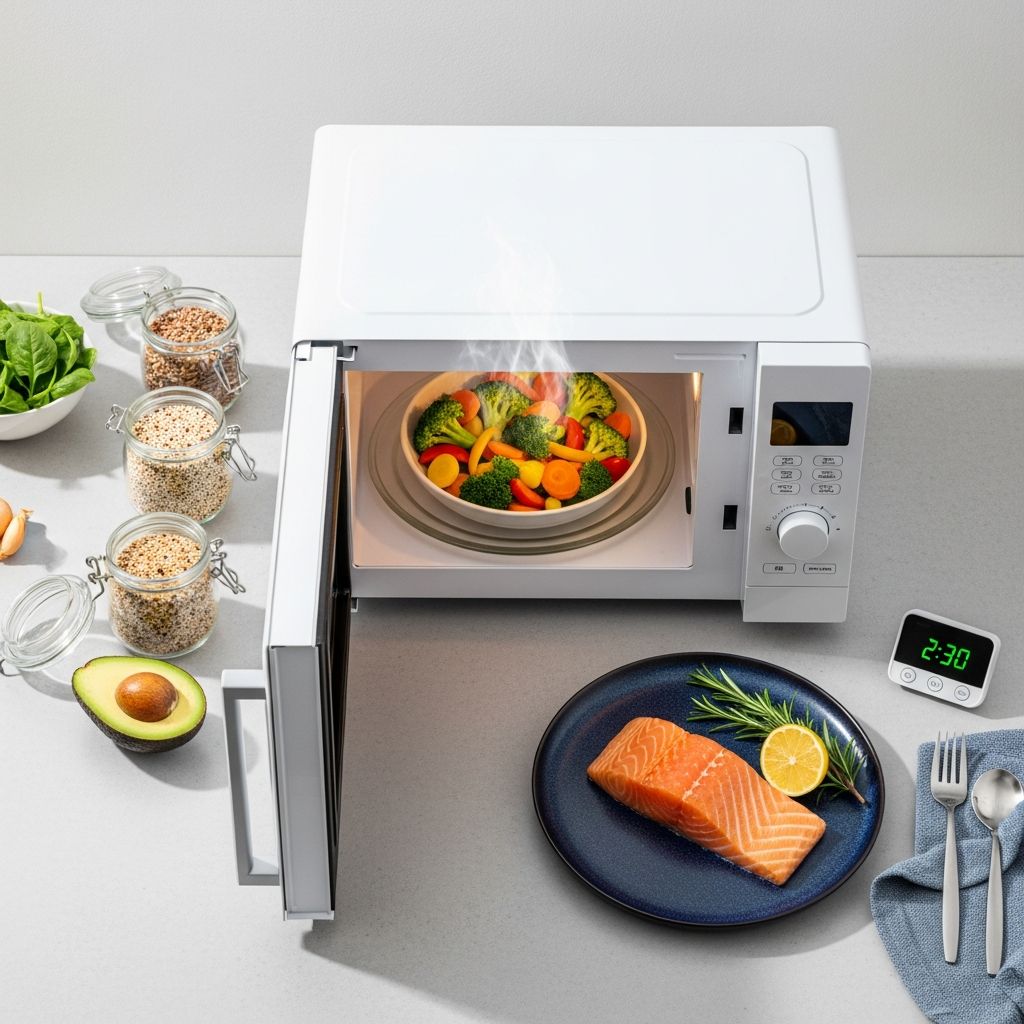
Understanding Microwave Cooking and Nutrition
Microwave ovens have revolutionized modern cooking, becoming a staple appliance in kitchens worldwide. Since their introduction in the 1950s, microwave ovens have transformed how families prepare meals, offering unprecedented convenience and speed. By 2000, microwave ovens were present in approximately 90 percent of U.S. households, making them one of the most utilized kitchen appliances. Despite their widespread adoption, many myths and misconceptions persist about microwave cooking, particularly regarding its effects on food safety and nutritional content. Understanding the science behind microwave cooking can help dispel these myths and demonstrate why microwaves are an excellent choice for health-conscious meal preparation.
How Microwave Ovens Work
To understand microwave cooking’s impact on nutrition, it’s essential to comprehend how microwave ovens function. Unlike conventional ovens that heat food gradually through conduction and convection, microwave ovens use electromagnetic radiation to cook food rapidly and efficiently. The radiation produced by microwave ovens is electromagnetic radiation of low frequency and low energy. When microwaves are activated, they generate energy that is absorbed by water molecules in food. This energy causes water molecules to vibrate, generating heat through harmless friction that cooks the food from the inside out.
This fundamental mechanism distinguishes microwaves from other cooking methods. The microwave energy immediately reaches molecules approximately one inch below the outer surface of food, whereas heat from conventional ovens moves into food gradually through conduction, such as the bottom of a saucepan touching a hot stovetop ring. This rapid heating capability makes microwaves exceptionally fast and efficient, reducing cooking time significantly compared to traditional methods.
Microwave Cooking and Nutrient Retention
One of the most important considerations when evaluating any cooking method is its effect on food’s nutritional value. A common misconception is that microwaves damage or eliminate nutrients more than other cooking methods. In reality, all cooking methods reduce nutrient value to some degree because the cooking process damages the chemical structure of nutrients. However, research consistently demonstrates that microwave cooking is among the least damaging cooking methods for nutrient preservation.
Why Microwaves Preserve Nutrients Better
The key to understanding why microwaves preserve nutrients better than other methods lies in three critical factors: temperature, cooking time, and cooking method. Microwaves excel in all three areas. Foods cooked for the shortest period of time and using the least amount of liquid will best retain their nutritional value. Microwave cooking accomplishes both these goals simultaneously. First, microwave cooking times are generally short, and the temperature used is relatively low. Additionally, foods cooked in microwaves typically do not reach boiling point, which is significant because water-soluble nutrients can leach out during boiling, resulting in substantial nutrient loss, particularly in watery foods.
During traditional boiling, nutrients dissolve into the cooking water and are discarded, resulting in significant nutrient loss. Conversely, microwave cooking typically uses minimal water, and the cooking method steams food from the inside out, preserving water-soluble vitamins and minerals that would otherwise be lost in boiling water.
Scientific Evidence on Nutrient Preservation
Multiple peer-reviewed studies support the superiority of microwave cooking for nutrient retention. A 2002 research study investigating how different heating methods affected omega-3 fatty acid levels in herring fillets found that omega-3 levels were not affected by microwaving any more than they were by boiling, grilling, or frying. Similarly, a 2013 study demonstrated that heating orange juice and milk in microwave ovens did not reduce nutrient levels more than using conventional heating methods.
Related Stories



Perhaps most compelling is a 2018 study that evaluated the effects of blanching, boiling, microwaving, and steaming on vitamin content in vegetables. The research revealed that more vitamin C was retained after microwaving compared to boiling. Additionally, microwave cooking caused the least loss of vitamin K in spinach and chard. Research published in The Journal of Agricultural and Food Chemistry found that microwave cooking produced the lowest antioxidant losses in twenty vegetables when compared to pressure-cooking, boiling, or frying.
A particularly relevant finding for broccoli lovers involves glucosinolate, a cancer-fighting compound. While broccoli loses glucosinolate when boiled into cooking water, microwaving broccoli with a small amount of water allows it to retain significantly more of this beneficial compound. This demonstrates the practical advantage of microwave cooking for vegetable preparation.
Food Safety Considerations
Food safety is a paramount health concern when using any cooking method. Many people worry about whether microwave cooking adequately kills harmful microorganisms and prepares food safely. The reality is that preparing food in a microwave oven is as safe as preparing food in a conventional oven, provided certain precautions are followed.
Uneven Heating and Safety Precautions
One legitimate concern with microwave cooking involves uneven heating. Microwave energy does not penetrate well into thicker pieces of food and may produce uneven cooking patterns. The rate of heating depends on the power rating of the oven and on the water content, density, and amount of food being cooked. Uneven cooking can present a health risk if parts of the food do not reach high enough temperatures to kill potentially dangerous microorganisms.
To address this concern, food safety experts recommend that microwave meals should rest for several minutes after cooking is complete. This resting period allows heat to distribute throughout the food evenly, ensuring that all portions reach safe temperatures. Stirring food midway through cooking can also help distribute heat more evenly throughout the dish.
Potential Uneven Heating Issues
Certain foods with non-porous surfaces or materials that heat at different rates present particular challenges in microwave cooking. For example, hotdogs may heat unevenly and potentially explode. Eggs and chestnuts present similar risks because egg yolks and egg whites have different compositions and heat at different rates. When cooking eggs in their shells or whole chestnuts in a microwave, the rapid heating of internal moisture can cause steam pressure to build and lead to explosions. These are easily avoided by following proper microwave cooking techniques and being aware of which foods require special handling.
Addressing Common Myths About Microwave Radiation
Perhaps the most persistent myth about microwave ovens concerns the radiation they produce and whether this radiation renders food harmful or radioactive. This misconception has caused unnecessary concern for decades. The truth is straightforward and reassuring: food cooked in a microwave oven does not become radioactive. Nor does any microwave energy remain in the microwave cavity or the food when the microwave oven is turned off. Microwaves act just like light; when the light bulb is off, no light remains.
Understanding Microwave Radiation
The radiation produced by microwave ovens is electromagnetic radiation of low frequency and low energy. This type of radiation is not powerful enough to change the chemical structure of food. Importantly, it has never been proven that microwaves cause any harm through the foods we cook in them. The radiation simply causes water molecules to vibrate, generating heat through friction—a completely harmless process.
FDA Safety Standards
The U.S. Food and Drug Administration (FDA) regulates the manufacturing of microwave ovens with rigorous safety requirements. Microwave manufacturers must meet the FDA’s Center for Devices and Radiological Health safety standards before the agency deems the appliance safe for consumer use. According to FDA regulations, microwave ovens are specifically designed to prevent high-level radiation leaks. Most microwave-related injuries reported to the FDA result from heat-related burns from hot containers, overheated foods, or exploding liquids—not from radiation exposure. While radiation injuries from microwave ovens are theoretically possible due to exposure to large amounts of radiation leaking through openings or gaps in oven seals, FDA regulations require that modern microwave ovens be engineered to prevent these high-level radiation leaks from occurring.
Packaging Safety and BPA Concerns
Another important safety consideration involves the containers and packaging used with microwave cooking. Many plastic containers contain hormone-disrupting compounds such as Bisphenol-A (BPA), which can contaminate food when heated. BPA has been linked to various health conditions including cancer, thyroid disorders, and obesity. This concern is not unique to microwave cooking—heating food in plastic containers is potentially problematic regardless of which cooking method is used, unless the packaging specifically states that it is safe for heating.
The key safety rule is simple: never microwave a plastic container unless it specifically states on the label that it is safe to use in microwave ovens. Many food manufacturers have responded to these concerns by producing microwave meal containers that are BPA-free and often recyclable. Alternatively, transferring food to microwave-safe glass or ceramic containers before heating eliminates this concern entirely.
Comparing Microwave Cooking to Other Methods
| Cooking Method | Cooking Time | Nutrient Retention | Water Usage | Safety Rating |
|---|---|---|---|---|
| Microwave | Very Fast | Excellent | Minimal | Safe |
| Boiling | Moderate | Poor | High | Safe |
| Steaming | Moderate | Very Good | Minimal | Safe |
| Frying | Fast | Good | N/A | Requires Care |
| Conventional Oven | Slow | Moderate | N/A | Safe |
Best Practices for Microwave Cooking
To maximize the nutritional benefits of microwave cooking while ensuring food safety, follow these evidence-based best practices:
Use Minimal Water: When cooking vegetables in the microwave, use only a small amount of water. This approach steams the food from the inside out, preserving water-soluble nutrients that would otherwise leach into excessive cooking liquid.
Cut Food into Uniform Pieces: Cutting vegetables and other foods into similarly sized pieces ensures more even cooking and reduces the risk of some portions being overcooked while others remain undercooked.
Stir Midway Through Cooking: Stirring food approximately halfway through the cooking time helps distribute heat more evenly throughout the dish.
Allow Rest Time: After the microwave cycle completes, allow food to rest for a few minutes before serving. This permits residual heat to distribute throughout the food, ensuring all portions reach safe temperatures.
Use Microwave-Safe Containers: Always use containers that are specifically labeled as microwave-safe. When in doubt, transfer food to glass or ceramic containers rather than plastic.
Avoid Overheating: Do not excessively overcook food in the microwave, as extended cooking times will eventually damage nutrients, just as with any cooking method. The advantage of microwaves is that they reach target temperatures quickly, so minimal cooking time is required.
Frequently Asked Questions
Q: Does microwave cooking make food radioactive?
A: No. Food cooked in a microwave oven does not become radioactive. Microwave ovens produce low-frequency, low-energy electromagnetic radiation that simply causes water molecules to vibrate and generate heat through friction. This process is completely harmless and poses no radioactivity risk to food or consumers.
Q: Is microwave cooking less safe than conventional oven cooking?
A: No. Preparing food in a microwave oven is as safe as preparing food in a conventional oven when proper precautions are followed. The FDA regulates microwave oven manufacturing to ensure consumer safety, and most microwave-related injuries result from heat burns rather than radiation exposure.
Q: Does microwaving destroy all nutrients in food?
A: No. While all cooking methods reduce nutrient value to some degree, microwave cooking actually preserves nutrients better than most other methods, including boiling and frying. Research consistently shows that microwave cooking results in excellent nutrient retention, particularly for water-soluble vitamins.
Q: Can I microwave food in any plastic container?
A: No. Only use plastic containers that are specifically labeled as microwave-safe. Many plastics contain BPA and other compounds that can leach into food when heated. When in doubt, use glass or ceramic containers instead.
Q: Why does food sometimes cook unevenly in the microwave?
A: Microwave energy does not penetrate deeply into thick pieces of food and may heat different areas unevenly. To prevent this, cut food into uniformly sized pieces, stir midway through cooking, and allow the food to rest for a few minutes after cooking to allow heat distribution.
Conclusion
Microwave ovens represent a safe, effective, and highly convenient cooking method that deserves its place as a staple kitchen appliance. Contrary to popular myths and misconceptions, scientific evidence demonstrates that microwave cooking preserves nutrients better than most traditional cooking methods. The rapid cooking times and ability to use minimal water make microwaves particularly effective for retaining water-soluble vitamins and beneficial compounds in vegetables and other foods.
There is no credible evidence that microwave meals are inherently harmful. In fact, considerable evidence suggests that microwave cooking is superior to alternative methods in preserving nutritional value. The key to safe and nutritious microwave cooking involves following basic food safety practices: avoiding overheating and underheating food, using appropriate microwave-safe containers, allowing food to rest after cooking to ensure even heat distribution, and being mindful of which foods require special handling.
By understanding the science behind microwave cooking and following evidence-based best practices, families can confidently use microwave ovens as part of a healthy, convenient approach to meal preparation. The microwave oven remains one of the most valuable tools for creating nutritious, safe meals efficiently in modern kitchens.
References
- Microwave Cooking and Nutrition — Harvard Health. https://www.health.harvard.edu/staying-healthy/microwave-cooking-and-nutrition
- Does Microwaving Food Lower Its Nutritional Value? — FCP Live-In Home Care. https://www.liveinhomecare.com/does-microwaving-food-lower-its-nutritional-value
- FDA: Microwave Oven Radiation Safety — U.S. Food and Drug Administration. https://www.fda.gov/radiation-emitting-products/microwave-ovens
- Effect of Different Cooking Methods on Vitamin Content in Vegetables — The Journal of Agricultural and Food Chemistry. 2018. https://pubs.acs.org/journal/jafcau
- Omega-3 Fatty Acids and Different Heating Methods — Food and Bioproducts Processing. 2002. https://www.sciencedirect.com/journal/food-and-bioproducts-processing
- Is Microwave Radiation Harmful? — The Health Sciences Academy. https://thehealthsciencesacademy.org/health-tips/microwave-radiation
Similar Articles








Read full bio of Sneha Tete