Mid-Menstrual Cycle Pain (Mittelschmerz): Causes & Relief
Understanding ovulation pain: causes, symptoms, and effective treatment options for relief.
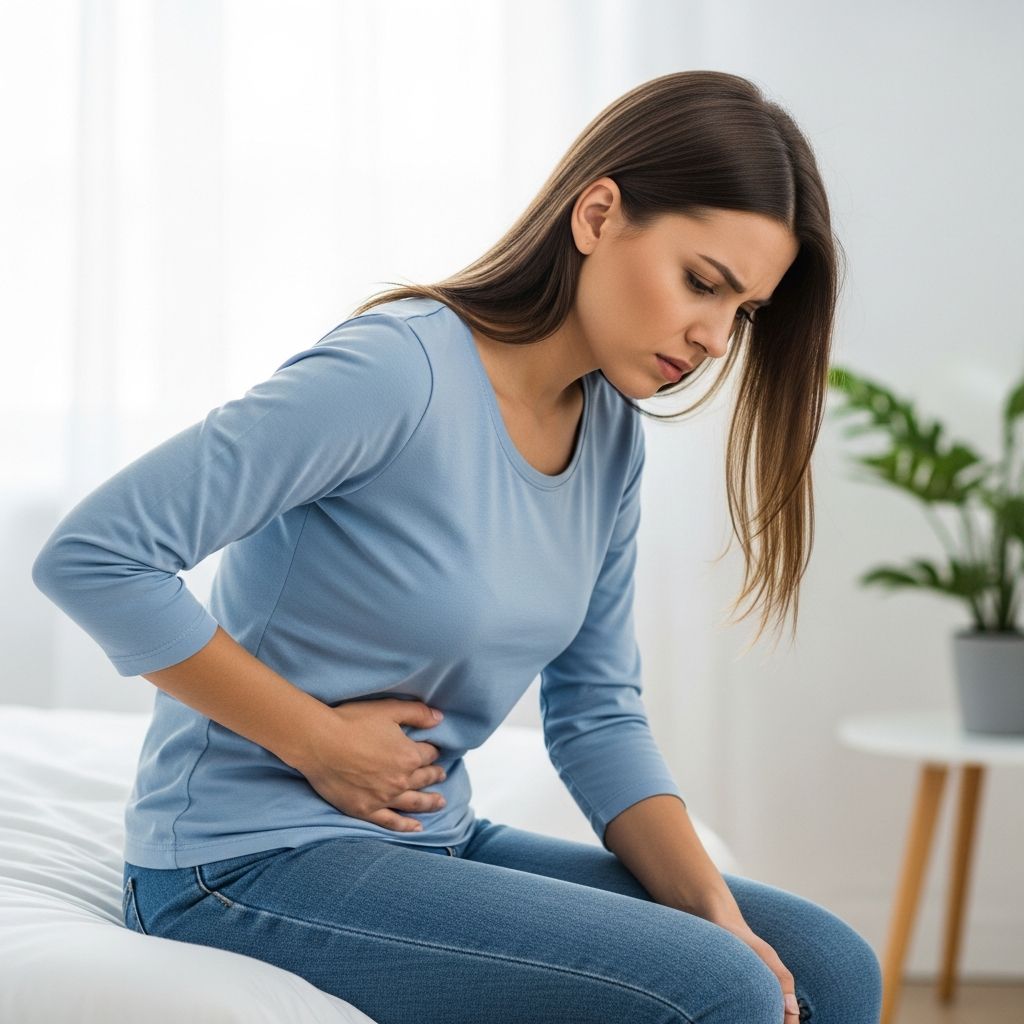
Understanding Mid-Menstrual Cycle Pain (Mittelschmerz)
Mittelschmerz, a German term meaning “middle pain,” is a condition characterized by one-sided lower abdominal pain that occurs midway through the menstrual cycle, typically around 14 days before the next menstrual period begins. This type of pain is associated with the release of an egg from the ovaries, a process known as ovulation. While mittelschmerz can be uncomfortable, it is generally a benign condition that does not pose serious health risks. Understanding the nature of this pain can help women manage it effectively and distinguish it from other potential abdominal concerns.
Approximately one in five women experience mittelschmerz during their reproductive years. The pain may occur consistently each month or sporadically, and its characteristics can vary significantly from one woman to another. Some women experience sharp, stabbing sensations, while others describe the pain as dull and achy, similar to menstrual cramping. Recognizing these patterns is essential for proper identification and management of the condition.
What Causes Mittelschmerz?
The exact cause of mittelschmerz remains not entirely understood, though researchers have identified several plausible explanations for why ovulation causes pain in some women. The condition is fundamentally linked to the physiological changes that occur during ovulation.
Follicle Growth and Ovary Stretch
Just before ovulation occurs, the follicle containing the developing egg grows significantly. This growth stretches the surface of the ovary, which can trigger pain sensations in the lower abdomen on the side where ovulation is taking place. The ovary is a highly innervated organ, meaning it contains numerous nerve endings that can transmit pain signals to the brain when stimulated.
Fluid and Blood Release
When the egg is released during ovulation, the follicle ruptures, causing the release of fluid and sometimes blood into the surrounding abdominal cavity. This fluid or blood can irritate the peritoneum, which is the sensitive lining that covers the abdominal organs. The irritation of this delicate tissue lining is believed to be another significant contributor to the pain experienced during mittelschmerz.
Individual Variation
Not all women experience mittelschmerz, and those who do may experience it inconsistently. Some women have ovulation pain every single month, while others experience it only occasionally or not at all. Factors that may influence the likelihood of experiencing mittelschmerz include age, with pain more likely between ages 15 and 25, though individual experiences vary considerably.
Recognizing Mittelschmerz Symptoms
Identifying mittelschmerz involves recognizing specific characteristics that distinguish it from other types of abdominal or pelvic pain. Understanding these symptoms is crucial for accurate self-diagnosis and knowing when medical attention may be necessary.
Characteristic Pain Patterns
Mittelschmerz pain typically presents with the following features:
- Occurs on one side of the lower abdomen
- Begins midway through the menstrual cycle
- Lasts from a few minutes to a few hours, though it can persist for up to 24 to 48 hours
- May feel sharp and sudden or dull and achy
- Is usually mild to moderate in intensity, though severe cases are rare
- May switch sides from month to month or remain on the same side for several months
Associated Symptoms
While lower abdominal pain is the primary symptom, some women may experience accompanying symptoms, including slight vaginal bleeding or discharge. These additional symptoms, when present, can help confirm that ovulation is occurring. However, severe symptoms such as nausea, vomiting, diarrhea, back pain, or fever may indicate a more serious condition and warrant medical evaluation.
Pattern Recognition
One of the most effective ways to confirm mittelschmerz is to track menstrual cycles for several months and note when lower abdominal pain occurs. If the pain consistently appears midcycle and resolves without treatment, it is most likely mittelschmerz rather than another condition.
Diagnosing Mittelschmerz
In most cases, mittelschmerz does not require professional diagnosis, as the condition is relatively straightforward to identify based on symptom timing and characteristics. However, when diagnosis is necessary, healthcare providers follow a structured approach.
Medical History and Questioning
To diagnose mittelschmerz, your doctor will typically begin by asking detailed questions about your medical history, with particular focus on your menstrual periods. Questions may include:
- How long before or after your period does the pain occur?
- Do you have other symptoms such as nausea, vomiting, or diarrhea?
- Does the pain occur on the same side every month or does it alternate?
- How long does the pain typically last?
- Is the pain severe enough to interfere with daily activities?
Physical Examination
Your doctor may perform a pelvic examination to rule out other potential causes of abdominal or pelvic pain. During this examination, the doctor inserts one or two gloved fingers into the vagina while pressing down on the abdomen simultaneously, allowing them to check the uterus, ovaries, and other reproductive organs for any abnormalities or signs of underlying conditions.
When Testing Is Necessary
In most situations, no special tests are required to confirm mittelschmerz. However, if your doctor suspects that another condition may be causing your symptoms, they may recommend ultrasound imaging or other diagnostic tests to exclude possibilities such as appendicitis, pelvic inflammatory disease, or ovarian cysts.
Treatment Options for Mittelschmerz
While mittelschmerz does not require treatment in most cases, several effective options are available for managing discomfort when pain is bothersome.
Over-the-Counter Pain Relievers
For mild to moderate pain, over-the-counter pain medications are typically the first line of treatment. Effective options include:
- Acetaminophen (Tylenol and generic versions)
- Ibuprofen (Advil, Motrin IB, and generic versions)
- Naproxen sodium (Aleve)
- Aspirin
These medications work through different mechanisms—acetaminophen affects pain perception in the brain, while nonsteroidal anti-inflammatory drugs like ibuprofen and naproxen reduce inflammation and pain signaling. Most women find relief within 30 to 60 minutes of taking these medications.
Home Remedies and Self-Care
Heat is particularly effective for mittelschmerz relief because it increases blood flow, relaxes tense muscles, and eases cramping sensations. Recommended home remedies include:
- Soaking in a hot bath for 20 to 30 minutes
- Applying a heating pad directly to the area of pain
- Using a microwaveable heat pack
- Resting in a comfortable position
- Staying hydrated
Many women find that combining heat therapy with over-the-counter pain medication provides optimal relief.
Hormonal Contraceptives
For women whose mittelschmerz causes significant discomfort or occurs predictably every month and interferes with daily activities, oral contraceptive pills (birth control pills) may be recommended. These medications suppress ovulation entirely, which eliminates ovulation pain while they are being taken. Various formulations are available, and your healthcare provider can help determine which option best suits your needs and health profile.
Distinguishing Mittelschmerz from Other Conditions
While mittelschmerz is generally harmless, it is important to recognize when abdominal or pelvic pain may indicate a more serious condition requiring medical attention.
Comparison with Other Pain Types
| Condition | Timing | Pain Characteristics | Duration | Associated Symptoms |
|---|---|---|---|---|
| Mittelschmerz | Midcycle (around ovulation) | One-sided, sharp or cramping | Minutes to 48 hours | Slight discharge or bleeding |
| Menstrual Cramps (Dysmenorrhea) | During menstruation | Bilateral, cramping | Several days | Heavy bleeding, mood changes |
| Appendicitis | Variable | Severe, typically right-sided | Progressive, persistent | Fever, nausea, vomiting |
| Pelvic Inflammatory Disease | Variable | Bilateral, severe | Persistent | Fever, discharge, chills |
When to Seek Medical Attention
In most cases, mittelschmerz does not warrant medical intervention. However, you should contact your healthcare provider if:
- Your ovulation pain pattern changes significantly
- Pain becomes severe when it was previously mild
- Pain lasts longer than three days
- Pain is accompanied by fever, nausea, or vomiting
- Pain occurs with heavy vaginal bleeding or unusual discharge
- Pain occurs at an unusual time in your cycle
- A new pelvic pain becomes severe
These symptoms could indicate conditions such as appendicitis, pelvic inflammatory disease, ovarian cysts, or ectopic pregnancy, all of which require professional medical evaluation and treatment.
Prevention Strategies
While mittelschmerz cannot be prevented through lifestyle modifications alone, since it is linked to natural menstrual cycle changes, ovulation can be prevented through hormonal methods.
Contraceptive Options
If ovulation pain significantly impacts your quality of life, prevention through contraception is a viable option. Birth control pills and other hormonal contraceptives prevent ovulation, thereby eliminating mittelschmerz entirely. However, it is important to note that while mittelschmerz may indicate fertile days, it should never be relied upon as a birth control method, as its timing can be unpredictable.
Lifestyle Approaches
While lifestyle changes cannot prevent mittelschmerz, maintaining overall health through regular exercise, adequate hydration, balanced nutrition, and stress management may support general reproductive health and potentially reduce pain severity in some women.
Frequently Asked Questions About Mittelschmerz
Q: Is mittelschmerz a sign that I am ovulating?
A: Yes, mittelschmerz pain indicates that ovulation is occurring or has recently occurred. However, not all women experience mittelschmerz during ovulation, and its absence does not mean ovulation is not happening. Additionally, mittelschmerz should not be used as a reliable indicator of fertility for contraceptive purposes.
Q: Can mittelschmerz lead to serious health complications?
A: No, mittelschmerz does not lead to other health conditions or complications. The pain resolves on its own or with home remedies and over-the-counter medications. However, severe abdominal pain should be evaluated by a healthcare provider to rule out other conditions.
Q: Why do I only experience mittelschmerz some months and not others?
A: The frequency and intensity of mittelschmerz varies among women and can change from cycle to cycle. Stress, illness, hormonal fluctuations, and other factors may influence whether ovulation pain occurs in any given month.
Q: Can I use mittelschmerz timing for natural family planning?
A: While mittelschmerz occurs during the fertile window, its timing is not precise enough to be a reliable method of contraception or fertility planning. More reliable methods should be used if you are trying to prevent or achieve pregnancy.
Q: How long should I wait before contacting my doctor about mittelschmerz?
A: In most cases, you do not need to contact your doctor about typical mittelschmerz. However, contact your provider if pain becomes severe, lasts longer than three days, or is accompanied by fever, nausea, or abnormal bleeding.
Preparing for Your Doctor Appointment
While most cases of mittelschmerz do not require medical evaluation, if you decide to see a doctor or if pain becomes concerning, preparation can help you make the most of your appointment. Keep a menstrual diary for at least two to three months, recording when pain occurs, which side it occurs on, how long it lasts, and any associated symptoms. This information will help your doctor accurately diagnose your condition and recommend appropriate treatment.
Prepare a list of questions for your doctor, including what is likely causing your symptoms, whether tests are necessary, which treatment or home remedy options are best for you, and whether your symptoms are likely to change over time. Don’t hesitate to ask about printed materials or reputable websites that provide additional information about mittelschmerz and menstrual health.
Conclusion
Mittelschmerz is a common, benign condition affecting approximately one in five women during their reproductive years. While the exact cause is not completely understood, the pain is associated with follicle growth and fluid release during ovulation. The condition is characterized by one-sided lower abdominal pain occurring midcycle that typically lasts from minutes to a few days. Most cases resolve without treatment, though over-the-counter pain relievers, heat therapy, and hormonal contraceptives provide effective relief when needed. Understanding mittelschmerz and distinguishing it from more serious conditions helps women manage their reproductive health with confidence. If you experience severe, persistent, or changing abdominal pain, seek medical evaluation to ensure proper diagnosis and appropriate care.
References
- Mittelschmerz – Symptoms and causes — Mayo Clinic. 2023-12-21. https://www.mayoclinic.org/diseases-conditions/mittelschmerz/symptoms-causes/syc-20375122
- Mittelschmerz – Diagnosis and treatment — Mayo Clinic. 2024-02-13. https://www.mayoclinic.org/diseases-conditions/mittelschmerz/diagnosis-treatment/drc-20375126
- Mittelschmerz — UF Health, University of Florida. 2024. https://ufhealth.org/conditions-and-treatments/mittelschmerz
- Ovulation Pain (Mittelschmerz): Causes & Treatment — Cleveland Clinic. 2024. https://my.clevelandclinic.org/health/diseases/9134-ovulation-pain-mittelschmerz
- Mittelschmerz — StatPearls — National Center for Biotechnology Information, U.S. National Library of Medicine. 2023. https://www.ncbi.nlm.nih.gov/books/NBK549822/
- Ovulation pain — NHS, National Health Service. 2024. https://www.nhs.uk/symptoms/ovulation-pain/
- Ovulation pain: symptoms, causes, diagnosis and treatments — HSE, Health Service Executive Ireland. 2024. https://www2.hse.ie/conditions/ovulation-pain/
Similar Articles








Read full bio of Sneha Tete