Middle-of-the-Night Anxiety: Experts Explain the Vicious Cycle
Experts break down why anxiety strikes at night, the sleep-anxiety loop, and proven strategies to interrupt it for better rest.
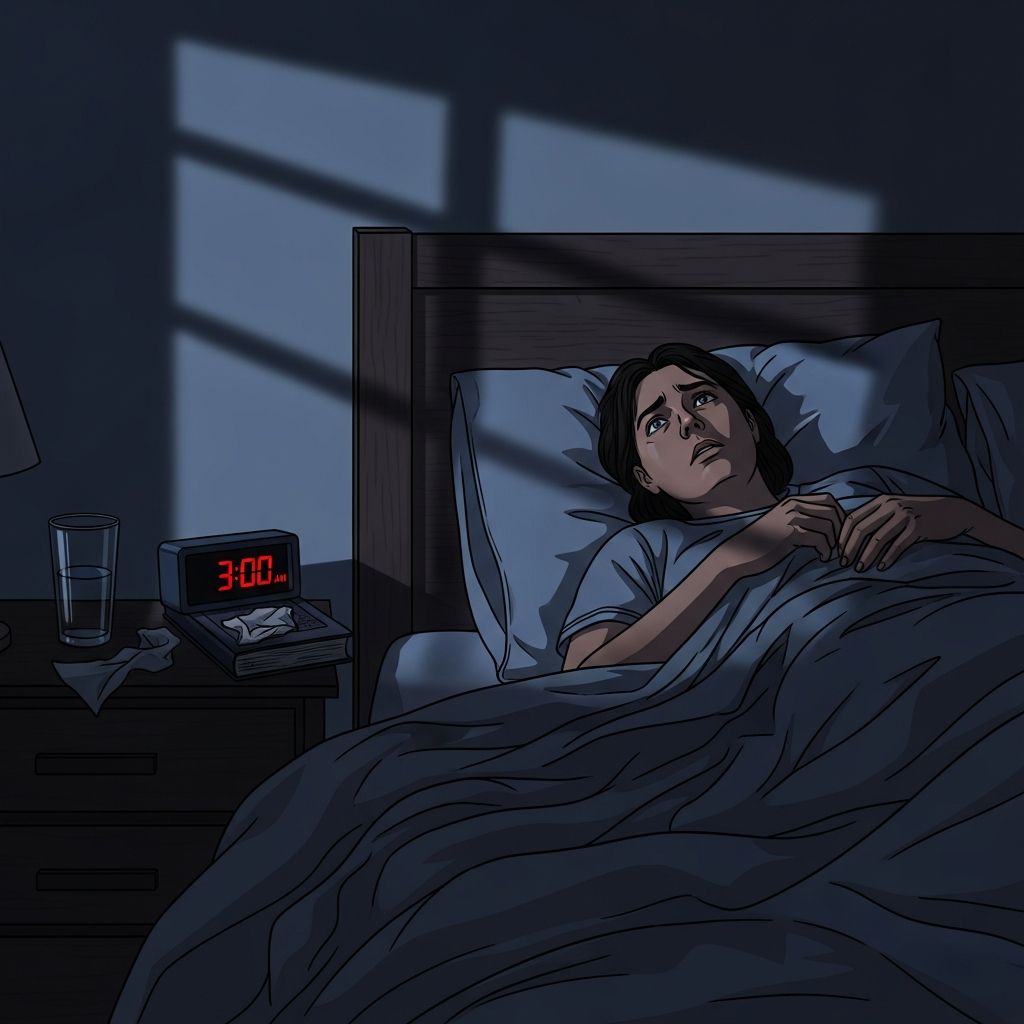
Middle-of-the-night anxiety wakes millions, trapping them in a relentless loop where racing thoughts prevent sleep, and sleep deprivation fuels more anxiety. This vicious cycle, described by sleep specialists as a bidirectional reinforcement between insomnia and worry, affects daily functioning, mood, and health. Experts like neurologist Matthew Scharf, M.D., Ph.D., note that poor sleep sparks anxiety about sleeplessness, which worsens insomnia, creating a self-perpetuating pattern.
What Is Middle-of-the-Night Anxiety?
Middle-of-the-night anxiety refers to sudden wakefulness accompanied by intense worry, racing thoughts, or physical symptoms like a pounding heart, typically between 2-4 a.m. Unlike daytime stress, this form hijacks the quiet hours when distractions are absent, amplifying concerns about work, relationships, health, or the next day’s performance. Dr. Scharf explains that even individuals without general anxiety experience it at bedtime—the worst time for worrisome thoughts—as the brain fixates on unsolved problems.
Anxiety, the most common behavioral health disorder, disrupts sleep architecture by elevating cortisol levels, a stress hormone that peaks naturally in early morning but surges prematurely under chronic stress. This hyperarousal state prevents return to sleep, leading to fragmented rest. Research links sleep deprivation to heightened anxiety vulnerability, with 24% to 36% of anxiety disorder patients also suffering insomnia.
The Vicious Cycle: How Anxiety and Insomnia Feed Each Other
The interplay forms a perfect storm. Anxiety at night triggers insomnia; insomnia then intensifies anxiety. Here’s how:
- Anxiety disrupts sleep: Worries activate the sympathetic nervous system, increasing heart rate and alertness, mimicking a fight-or-flight response ill-suited for rest.
- Insomnia breeds anxiety: Time awake in bed provides rumination space, heightening fears. Sleep loss impairs emotional regulation, making daytime anxiety spill into nights.
- Physiological reinforcement: Cortisol spikes around 2-4 a.m. from blood sugar drops or poor hygiene exacerbate wakefulness, signaling danger to the brain.
Dr. Scharf describes it: People don’t sleep well, grow anxious about it, which hinders sleep further, worsening anxiety. Cleveland Clinic experts add that exhaustion disrupts circadian rhythms, priming more nighttime vulnerability. This cycle raises risks for generalized anxiety disorder (GAD), PTSD, or panic disorder if unchecked.
How Anxiety Disrupts Your Sleep
Anxiety interferes at multiple stages: falling asleep (sleep-onset insomnia), staying asleep (sleep-maintenance insomnia), or early awakenings. Patients often report clock-watching, calculating lost hours, which spikes adrenaline.
Even mild daily anxiety becomes problematic when it invades bedtime. Stress from life events taxes the adrenal system, linking directly to sleep quality. Historical research confirms anxiety disorders correlate with reduced sleep efficiency, where brain overactivity prevents deep restorative phases.
“A lot of my patients don’t have a lot of anxiety in general. When they go to bed – the worst possible time to have anxiety – that’s when it happens.” — Matthew Scharf, M.D., Ph.D.
Related Stories



Treating underlying anxiety via therapy or medication can improve sleep, but persistent issues may signal other disorders like sleep apnea.
How Insomnia Fuels Anxiety and Worry
Insomnia types compound the issue:
| Type | Description | Impact on Anxiety |
|---|---|---|
| Sleep Initiation Insomnia | Difficulty falling asleep | Prolongs pre-sleep rumination, building tension |
| Sleep Maintenance Insomnia | Waking mid-night or early | More awake time equals more worry cycles |
| Sleep Misperception Insomnia | Feeling awake despite sleeping | Confirmed by studies; erodes sleep confidence |
Awake bed time invites fixation on fears. Even resolved anxiety leaves unhelpful sleep habits or undiagnosed issues like narcolepsy. Big Health reports insomnia patients are likelier to develop anxiety disorders, with compounding productivity and health costs.
7 Proven Tips to Break the Anxiety-Insomnia Cycle
Escape requires behavioral shifts. Experts recommend:
- Limit bed time: Exit after 20 minutes for relaxing activity (e.g., reading). Avoid screens’ blue light.
- Hide the clock: Checking time heightens panic; face it away.
- No long naps: Cap at 20-30 minutes to preserve night drive.
- Consistent routines: Fixed eat/sleep/exercise times regulate circadian rhythms. Morning light and breakfast cue wakefulness.
- Daytime exercise: Releases endorphins, lowers cortisol.
- Consult professionals: See primary care or sleep specialist; meds limited without addressing roots.
- CBT-I: Gold standard—3-6 sessions rewire sleep thoughts/habits, reducing anxiety.
The 4-3-2-1 Protocol for Immediate Middle-of-the-Night Relief
For acute wake-ups, use this neuroscience-backed protocol:
- 4 – Four Deep Breaths: Inhale 4 counts, hold 4, exhale 6. Focus on sensation; repeat exactly 4 cycles.
- 3 – Three Body Scans: Tense/release major muscle groups from toes up.
- 2 – Two Positive Memories: Recall calming scenes sensorily.
- 1 – One Gratitude: Note something thankful.
Many feel relief first night; consistency yields results in 3-6 weeks.
Week-by-Week Plan to Optimize Sleep and Reduce Anxiety
Build lasting calm systematically:
Weeks 1-2: Foundations
- 3-hour pre-bed wind-down (no screens/food).
- Sleep diary for patterns.
- 10-min CALM practice (similar to breathing).
- Dark, cool bedroom basics.
Weeks 3-4: Technique Mastery
- Layer protocols nightly.
- Address triggers (caffeine, stress).
- Progressive muscle relaxation.
Weeks 5-6: Refinement
- Strict schedules.
- Troubleshoot barriers.
- Professional help if needed.
Outcomes: Predictable sleep, anxiety mastery.
Frequently Asked Questions (FAQs)
What causes middle-of-the-night anxiety spikes?
Cortisol surges (2-4 a.m.), chronic stress, trauma, blood sugar drops, or poor hygiene trigger hyperarousal.
Is nighttime anxiety a sign of serious disorders like PTSD or GAD?
Yes, persistent episodes with dread/panic signal GAD, panic disorder, or PTSD; seek professional evaluation.
How effective is the 4-3-2-1 protocol?
Immediate relief common; 3-6 weeks for lasting change with consistency.
Does treating anxiety fix insomnia?
Often yes, but CBT-I addresses residual habits; check for apnea.
How long to break the cycle?
Weeks with routines/CBT-I; individual results vary.
When to Seek Professional Help
If self-strategies fail after 2-4 weeks, or symptoms include panic/daytime impairment, consult a doctor. CBT-I providers offer structured relief. Avoid solo meds reliance.
References
- Insomnia and Anxiety: A Vicious Cycle and How to Break It — Hackensack Meridian Health. 2025-07-24. https://www.hackensackmeridianhealth.org/en/healthu/2025/07/24/insomnia-and-anxiety-a-vicious-cycle-and-how-to-break-it
- Middle-of-the-Night Anxiety: The 4-3-2-1 Protocol to Fall Back Asleep — Axis Mental Health. N/A. https://axismh.com/middle-of-the-night-anxiety-the-4-3-2-1-protocol-to-fall-back-asleep/
- How To Calm Your Anxiety at Night — Cleveland Clinic. N/A. https://health.clevelandclinic.org/how-to-calm-your-anxiety-at-night
- Why do you get anxiety at night? — Roxborough Memorial Hospital. N/A. https://roxboroughmemorial.com/why-do-you-get-anxiety-at-night/
- The vicious cycle of insomnia and anxiety — Big Health. N/A. https://www.bighealth.com/reports/the-vicious-cycle-of-insomnia-and-anxiety
Similar Articles








Read full bio of Sneha Tete