What Causes Migraines: 11 Key Triggers And Risk Factors
Uncover the complex factors behind migraines, from genetics and hormones to lifestyle triggers and environmental influences.
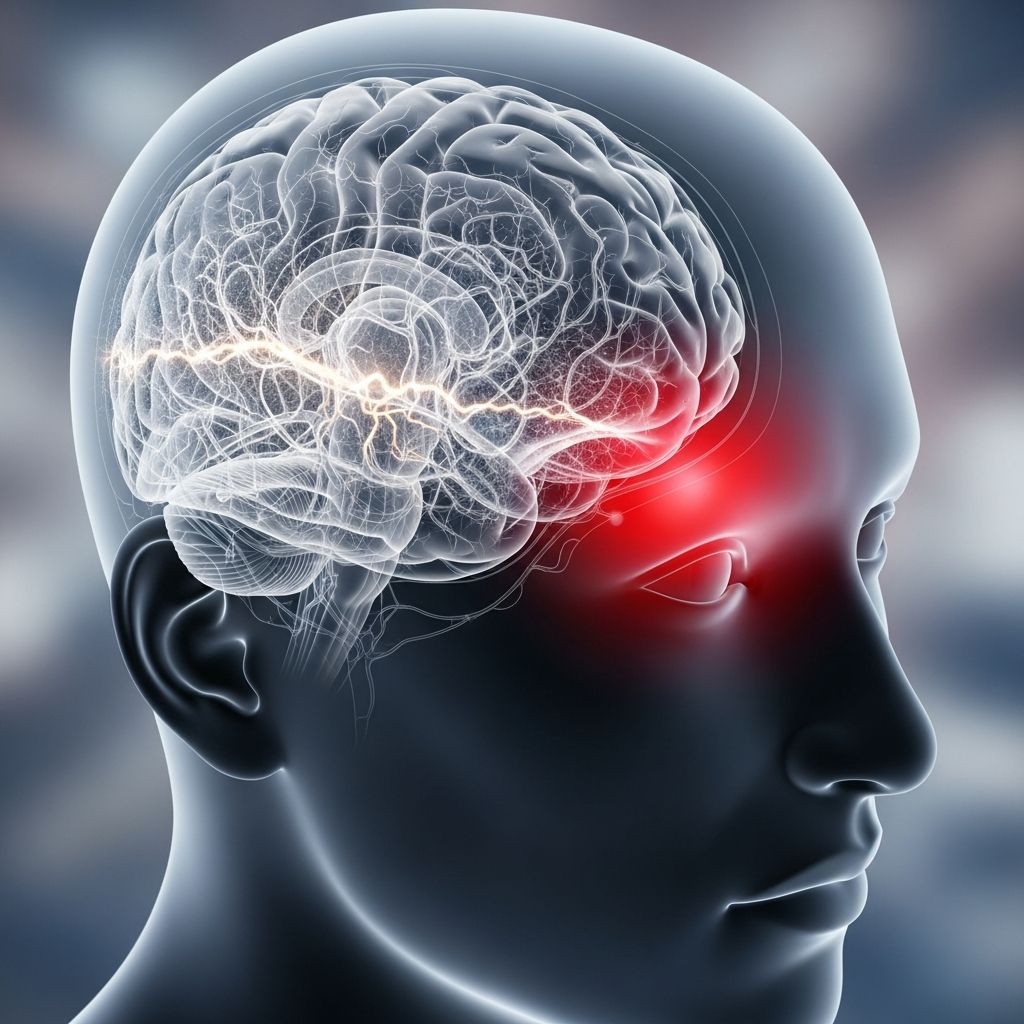
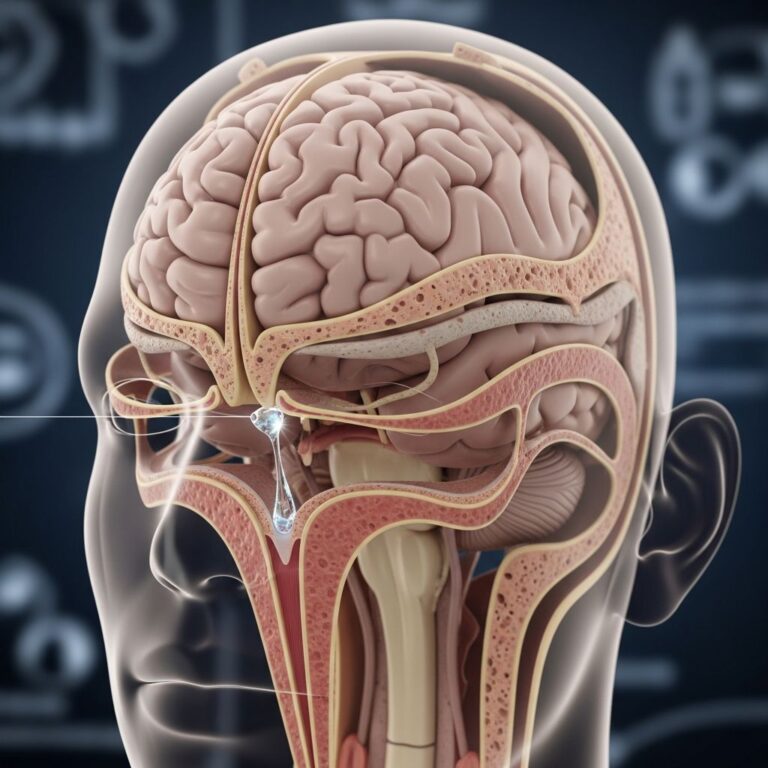
Migraines are complex neurological events characterized by intense, throbbing headaches often accompanied by nausea, sensitivity to light and sound, and other symptoms. While the exact cause remains elusive, research points to a combination of genetic, environmental, and lifestyle factors that interact to trigger attacks. Understanding these elements is crucial for prevention and management.
Genetics and Family History
Genetic predisposition plays a significant role in migraine susceptibility. Individuals with a family history of migraines are at higher risk; children with one affected parent have about a 50% chance of developing the condition. Genetic factors may influence nerve cell function, pain signaling pathways, and overall sensitivity to triggers. Though the precise genes involved are still under investigation, hereditary patterns suggest that migraines often run in families, making family history a key risk factor.
Hormonal Changes
Hormonal fluctuations, particularly in estrogen levels, are strongly linked to migraines, especially in women. Many experience attacks during menstrual cycles, pregnancy, menopause, or with hormonal contraceptives. These changes affect brain chemicals involved in pain processing, potentially triggering neurovascular events. Hormones like cortisol from stress can exacerbate this, highlighting the interplay between endocrine systems and migraine pathophysiology.
Neurological Factors
Migraines involve abnormal brain activity, including cortical spreading depression—a wave of electrical disruption across the brain’s surface that leads to aura symptoms and pain. Central nervous system (CNS) disorders, such as epilepsy, increase migraine risk by altering blood supply or electrical activity. Comorbidities like Parkinson’s disease or restless legs syndrome share pathways involving serotonin dysregulation and brain iron metabolism.
Environmental Triggers
External factors can provoke migraines in susceptible individuals. Common triggers include:
- Bright or flashing lights
- Loud noises or strong odors
- Weather changes or extreme temperatures
- Air pollution
These stimuli overload sensory processing, leading to attacks. Self-awareness of personal environmental sensitivities is essential for avoidance.
Medication Overuse
Frequent use of pain relievers like triptans, NSAIDs (e.g., ibuprofen), acetaminophen, or opiate-containing drugs can lead to medication overuse headache, transforming episodic migraines into chronic ones. This rebound effect perpetuates the cycle, emphasizing the need for preventive strategies over acute treatments.
Obesity and Lifestyle Factors
Excess weight, particularly shifting from moderate to obese BMI, heightens chronic migraine risk, though it does not directly cause them. Obesity promotes inflammation and vascular changes that may lower the migraine threshold. As a modifiable factor, weight management through diet and exercise can reduce frequency.
Mental Health Conditions
Anxiety and depression are prevalent among migraine sufferers—up to 50% in chronic cases. These conditions share genetic links and can bidirectional: chronic pain worsens mood, while stress from mental health issues triggers attacks. Addressing psychological well-being is vital in comprehensive migraine care.
Sleep Disturbances
Poor sleep quality or irregular patterns disrupt brain electrochemistry, elevate stress, and promote inflammation, all migraine precipitants. Chronic migraineurs report higher sleep complaint rates, with disturbances triggering 8-64% of attacks. Prioritizing consistent sleep hygiene is a foundational prevention step.
Stress
Stress tops migraine triggers, reported by 50-70% of patients. It induces hormonal shifts (e.g., cortisol), inflammation, and vascular changes affecting brain nerves. Acute stress often initiates first attacks, while chronic stress chronifies them. Stress management techniques like mindfulness prove effective.
Related Stories



Dietary Triggers
Certain foods and habits provoke migraines, though responses vary:
- Caffeine (excess or withdrawal)
- Alcohol, especially red wine
- Aged cheeses, chocolate, processed meats
- Skipped meals leading to low blood sugar
Triggers often combine with other factors like fatigue. Keeping a food diary aids identification.
Other Common Triggers
Additional factors include:
- Motion sickness
- Tobacco exposure
- Head trauma
- Hormonal therapies
These highlight migraines’ multifactorial nature, where multiple elements converge.
Frequently Asked Questions (FAQs)
What is the main cause of migraines?
There is no single cause; migraines result from genetic susceptibility combined with triggers like stress, hormones, and environment.
Can migraines be prevented?
Yes, by identifying and avoiding personal triggers, maintaining sleep/diet routines, managing stress, and using preventive medications.
Are migraines hereditary?
Strongly so—50% risk if one parent is affected.
How does stress cause migraines?
Stress triggers cortisol release, inflammation, and nerve sensitization, lowering the attack threshold.
Does obesity cause migraines?
No, but it’s a risk factor that increases chronic migraine likelihood via inflammation.
Understanding Chronic Migraines
Chronic migraines occur 15+ days monthly for over three months, with at least eight severe attacks. They evolve from episodic forms due to persistent triggers or overuse of acute meds. Early intervention targeting modifiable risks prevents progression.
Comorbidities and Risk Factors
Migraines link to hypertension (especially in older adults), gastrointestinal issues via the gut-brain axis, and movement disorders. Inflammatory cytokines like TNF-α and gut microbiota imbalances contribute. Shared pathways underscore holistic treatment approaches.
| Risk Factor | Description | Modifiable? |
|---|---|---|
| Genetics | Family history alters pain pathways | No |
| Obesity | Increases inflammation | Yes |
| Sleep Issues | Disrupts brain chemistry | Yes |
| Stress | Hormonal and vascular effects | Yes |
| Medication Overuse | Rebound headaches | Yes |
This table summarizes key risks, aiding prioritization of interventions.
In summary, migraines arise from intricate interactions. While not fully curable, awareness empowers control. Consult healthcare providers for personalized plans, including lifestyle tweaks and therapies.
References
- Chronic migraine: What causes them and triggers — Medical News Today. 2023. https://www.medicalnewstoday.com/articles/what-causes-chronic-migraine
- Migraine: History, Epidemiology, Risk Factors, Comorbidities — PMC (NCBI). 2022-03-01. https://pmc.ncbi.nlm.nih.gov/articles/PMC8904749/
- Migraine: Underlying Causes & Lifestyle-Based Treatments — Institute for Functional Medicine (IFM). 2023. http://www.ifm.org/articles/treating-underlying-causes-chronic-migraine
Similar Articles








Read full bio of medha deb