Migraine Diagnosis: Complete Guide To Symptoms & Criteria
Understand the comprehensive process of diagnosing migraine, from symptoms to advanced testing and when to seek specialist care.
Migraine Diagnosis
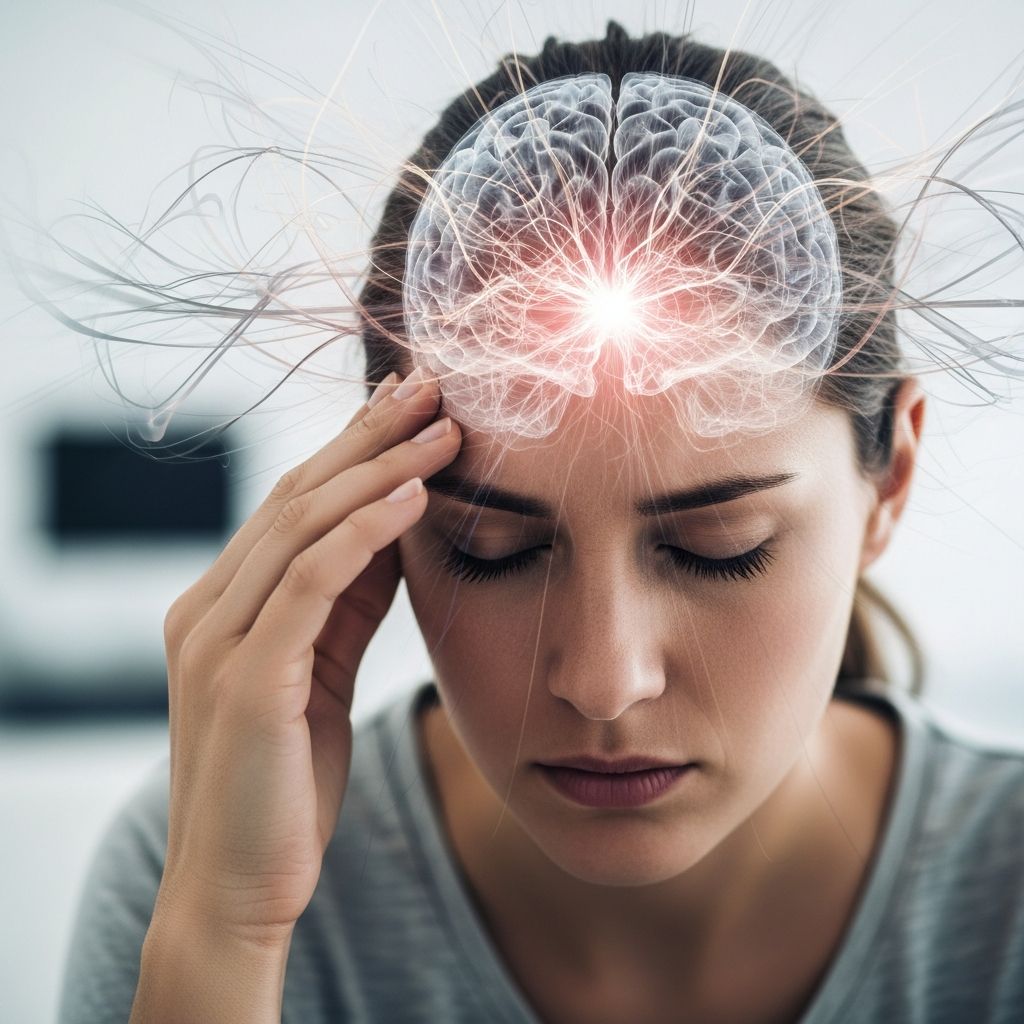
Migraine diagnosis primarily relies on a detailed medical history and application of standardized criteria like the International Classification of Headache Disorders (ICHD-3), often supplemented by screening tools and physical exams to rule out secondary causes.
What Is a Migraine?
A
migraine
is a neurological condition characterized by recurrent, moderate to severe headaches often accompanied by nausea, vomiting, sensitivity to light (photophobia), and sound (phonophobia). These attacks can last from 4 to 72 hours if untreated and significantly impair daily functioning. According to ICHD-3 criteria, migraines are classified into subtypes such as migraine without aura, migraine with aura, and chronic migraine.Migraines affect millions worldwide, with a higher prevalence in women. They often begin in adolescence or early adulthood and may have a genetic component, as a family history strengthens suspicion of the condition. Early and accurate diagnosis is crucial for effective management and preventing progression to chronic forms.
Migraine Symptoms
Recognizing migraine symptoms is the first step toward diagnosis. Typical features include:
- Unilateral or pulsating headache pain of moderate to severe intensity
- Duration of 4-72 hours untreated
- Accompanied by nausea, vomiting, photophobia, or phonophobia
- Aggravation by routine physical activity
For
migraine with aura
, patients experience reversible neurological symptoms preceding or accompanying the headache, such as visual disturbances (e.g., flashing lights, zigzag lines), sensory changes (e.g., tingling), or speech difficulties. Aura typically lasts 5-60 minutes.Chronic migraine involves headaches on ≥15 days per month for more than 3 months, with at least 8 days featuring migraine characteristics. Prodrome symptoms like mood changes or yawning may precede attacks, while postdrome (migraine hangover) follows.
Diagnostic Criteria for Migraine
The gold standard for diagnosis is the
ICHD-3 criteria
from the International Headache Society. These prioritize specificity to distinguish migraine from other headaches.Migraine Without Aura
Requires at least 5 attacks fulfilling:
- Headache lasting 4-72 hours
- At least two of: unilateral location, pulsating quality, moderate/severe pain, aggravation by activity
- At least one of: nausea/vomiting, photophobia/phonophobia
- Not better accounted for by another diagnosis
Migraine With Aura
At least two attacks with:
- One or more reversible aura symptoms (visual, sensory, speech/language, motor, brainstem, retinal)
- At least three of: ≥1 aura symptom spreads gradually (≥5 min), ≥2 aura symptoms in succession, each aura lasts 5-60 min, ≥1 aura fully reversible, aura accompanied or followed by headache (≤60 min)
Probable Migraine and Chronic Migraine
Probable migraine applies when attacks resemble migraine but miss one feature. Chronic migraine: Headache ≥15 days/month for >3 months, occurring in those with prior episodic migraine, with ≥8 migraine-like days.
Screening Tools for Migraine
Validated questionnaires aid initial screening before full history review.
ID-Migraine Questionnaire (Three-Item)
A simple tool asking about:
- Feeling nauseated or vomiting during headaches
- Sensitivity to light during headaches
- Interference with daily activities
Answering ‘yes’ to two or more suggests migraine with high sensitivity.
Migraine Screen Questionnaire (MS-Q, Five-Item)
Assesses headache frequency, intensity, duration, nausea, photophobia/phonophobia, and disability. Positive responses indicate likely migraine.
Headache diaries track patterns, supporting diagnosis and treatment evaluation.
Physical Exam and Tests for Migraine Diagnosis
A thorough neurological exam is standard, often normal in primary migraine but helps exclude secondary causes. Tests include:
- Neuroimaging (MRI/CT): Recommended for red flags like sudden onset, neurological deficits, or atypical features
- EEG: Rarely, for suspected seizures mimicking aura
- Blood Tests: To check for anemia, thyroid issues, or inflammation
- Lumbar Puncture: If infection or high pressure suspected
Most patients need no imaging if history fits ICHD-3.
Differential Diagnosis: Migraine vs. Other Headaches
Distinguishing migraine from mimics is essential. Key differences:
| Feature | Migraine | Tension-Type | Cluster |
|---|---|---|---|
| Duration | 4-72 hours | Hours to days | 15-180 min |
| Location | Unilateral/pulsating | Bilateral/circumferential | Strictly unilateral orbital |
| Intensity | Moderate/severe | Mild/moderate | Severe |
| Quality | Pulsating | Pressing/tightening | Overwhelming |
| Associated Symptoms | Nausea, photo/phonophobia | Mild photo/phonophobia | Autonomic: tearing, congestion |
| Behavior | Quiet, still | Variable | Restless |
Other differentials: secondary headaches from trauma, vascular issues, or tumors require urgent evaluation for ‘red flags’ like thunderclap onset or fever.
Who Diagnoses Migraine?
Primary care providers often initiate diagnosis using history and screening. Referral to a
neurologist
or headache specialist occurs for complex cases, treatment failures, or chronic migraine. Specialists use advanced tools and confirm via ICHD-3.When to See a Doctor for Headaches
Seek care if headaches are:
- New or changing pattern
- Severe/sudden (‘thunderclap’)
- With neurological symptoms (weakness, vision loss)
- Post-head injury
- With fever, stiff neck, or confusion
For suspected migraine, consult if frequent, disabling, or over-the-counter meds fail.
Treatment After Diagnosis
Post-diagnosis, acute treatments (triptans, NSAIDs) target attacks; preventives (beta-blockers, CGRP inhibitors) reduce frequency. Lifestyle (sleep, triggers) is key. Monitor response with diaries.
Frequently Asked Questions (FAQs)
What are the first signs of migraine?
Prodrome (mood changes, yawning), aura (visual/sensory), then throbbing pain with nausea and sensitivities.
How do doctors test for migraine?
Via medical history, ICHD-3 criteria, screening questionnaires, and exam; imaging if red flags present.
Can migraine be diagnosed without an MRI?
Yes, most cases rely on history; MRI only for atypical features.
What if screening tools are positive?
Confirm with full history and diary; probable migraine may upgrade to definite.
Is family history relevant?
Yes, it strengthens suspicion of migraine.
References
- Diagnosis and management of migraine in ten steps — The Lancet Neurology / Neurological Academy Sofia. 2021-07-16. https://pmc.ncbi.nlm.nih.gov/articles/PMC8321897/
- Headache Classification Committee of the International Headache Society (IHS). The International Classification of Headache Disorders, 3rd edition — Cephalalgia. 2018-01-01. https://pubmed.ncbi.nlm.nih.gov/29368949/
- Migraine Fact Sheet — American Migraine Foundation. 2024-06-01. https://americanmigrainefoundation.org/resource-library/migraine-fact-sheet/
- ID Migraine Shortened Questionnaire — Neurology. 2009-12-01. https://n.neurology.org/content/73/23/2127
Similar Articles




Read full bio of medha deb