Migraine Headaches: Types, Causes, Symptoms & Treatment
Complete guide to understanding migraines: symptoms, diagnosis, treatment options and management strategies.
Understanding Migraine Headaches
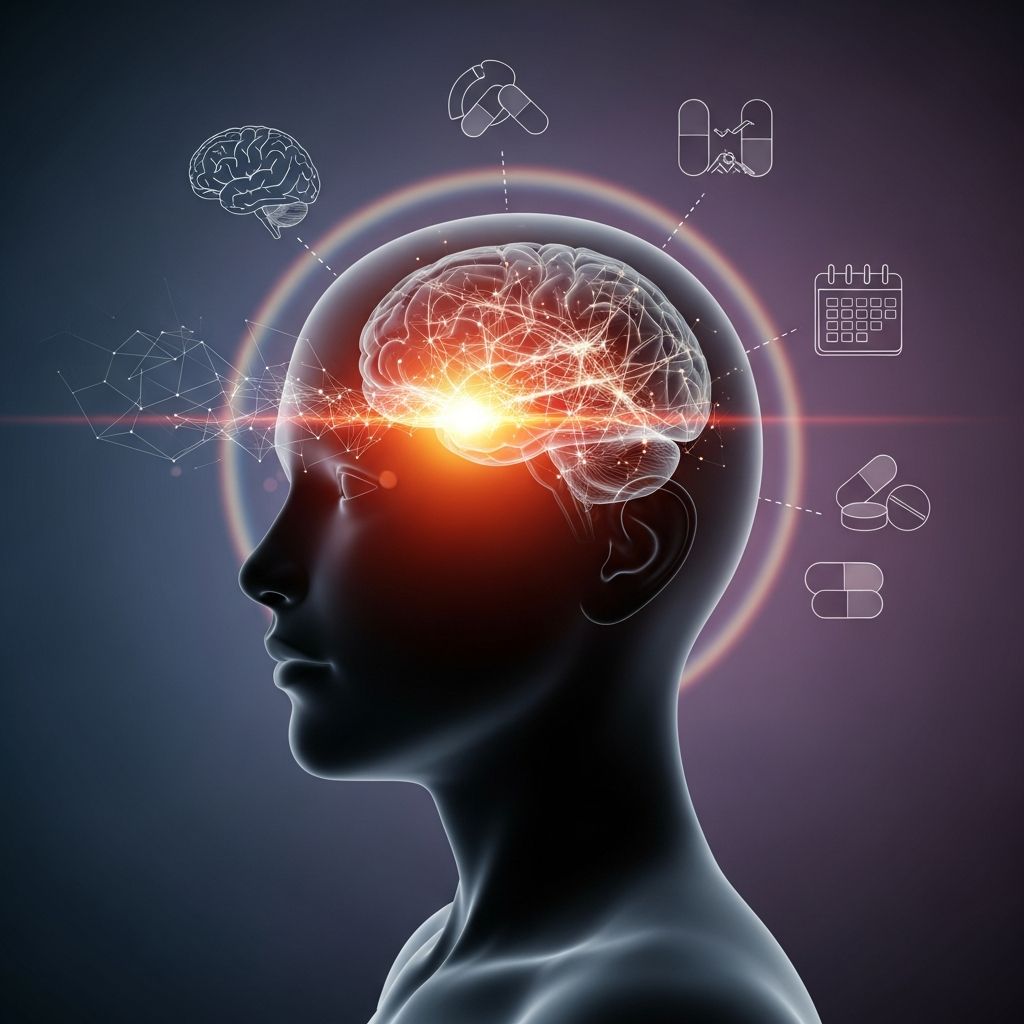
A migraine is a severe headache characterized by throbbing, pulsing pain that typically affects one side of your head. Unlike regular headaches, migraines cause intense, debilitating pain that can significantly impact your daily activities and quality of life. The headache phase of a migraine usually lasts at least four hours, but can extend for days, making it a serious condition that requires proper management and medical attention.
Migraines are more than just bad headaches—they directly affect your brain and can be severe enough to disrupt your routine and make normal activities feel unbearable. The pain typically worsens with physical activity, exposure to light, sounds, or strong smells. If you experience frequent or severe migraines, seeking professional medical help from a healthcare provider or neurologist is essential for proper diagnosis and treatment.
The Four Phases of a Migraine
Migraines typically progress through four distinct phases, though not every migraine will include all four stages. Understanding these phases can help you recognize when a migraine is starting and allow you to seek treatment early. The entire migraine cycle can take approximately eight to 72 hours to complete, depending on the severity and individual factors.
Phase 1: Prodrome
The prodrome phase occurs hours or even days before the actual headache begins. During this phase, you may notice subtle warning signs that a migraine is approaching. Common prodrome symptoms include mood changes, food cravings, neck stiffness, fatigue, and difficulty concentrating. Some people experience increased sensitivity to light or sound during this stage. Recognizing prodrome symptoms can allow you to prepare for the migraine and potentially take preventive medications to reduce its severity.
Phase 2: Aura
The aura phase involves temporary neurological symptoms that can affect your senses and perception. This phase typically lasts between five minutes and one hour and can overlap with the headache phase. Aura symptoms include visual disturbances such as flashing lights, blind spots, or zigzag patterns, as well as sensory changes like tingling or numbness, muscle weakness, sensitivity to touch, and difficulty speaking. Not all migraines include an aura—migraines with aura and migraines without aura are distinct types of the condition.
Phase 3: Headache Attack
The headache attack is the most intense phase of a migraine, characterized by severe throbbing pain on one side of your head (though it can affect both sides). Head pain gradually becomes more intense and can last anywhere from four hours to three days without treatment. During this phase, you may experience accompanying symptoms including nausea, vomiting, sensitivity to light, sensitivity to sound, and general fatigue. The pain typically worsens with physical activity, making it difficult to maintain daily routines.
Phase 4: Postdrome
The postdrome phase occurs after the headache pain subsides. During this recovery stage, you may feel exhausted, confused, or emotionally drained. Some people experience lingering head soreness or muscle aches. This phase is sometimes referred to as a “migraine hangover” because of the residual fatigue and weakness that can persist for hours after the severe pain ends.
Types of Migraines
Migraines are classified into different types based on their characteristics and the presence or absence of aura symptoms. Understanding your specific migraine type can help guide appropriate treatment strategies and lifestyle modifications.
Migraine Without Aura
Migraine without aura is the most common type, accounting for the majority of migraine cases. This type involves severe headache pain without the preceding neurological symptoms characteristic of aura. The headache must last between four hours and 72 hours and meet specific criteria regarding pain characteristics and accompanying symptoms such as nausea or sensitivity to light and sound.
Related Stories



Migraine With Aura
Migraine with aura includes the temporary neurological symptoms described in the aura phase before the headache begins. These aura symptoms can include visual disturbances, sensory changes, motor weakness, or speech difficulties. Aura symptoms typically last 20 to 60 minutes and help distinguish this type of migraine from other conditions.
Common Migraine Triggers
Identifying your personal migraine triggers is crucial for prevention and management. While triggers vary from person to person, several factors are commonly associated with migraine onset:
- Hormonal changes: Fluctuations in estrogen levels, particularly around menstruation, can trigger migraines in some individuals
- Dietary factors: Certain foods and drinks including aged cheeses, processed meats, chocolate, caffeine, and alcohol may trigger migraines
- Environmental factors: Bright lights, loud noises, strong odors, and weather changes can precipitate migraine attacks
- Sleep disruptions: Irregular sleep patterns, excessive sleeping, or sleep deprivation can trigger migraines
- Stress and stress relief: Both high stress and sudden stress reduction can trigger migraines
- Physical activity: Intense exercise or overexertion may trigger migraines in some people
- Caffeine: Both excessive caffeine consumption and caffeine withdrawal can trigger migraines
- Medication changes: Certain medications or changes in medication regimens may trigger migraines
Diagnosis of Migraines
A healthcare provider will diagnose a migraine through a comprehensive evaluation process that includes physical examination, neurological assessment, and detailed questioning about your symptoms and medical history. Accurate diagnosis is essential for developing an effective treatment plan.
Diagnostic Process
Your provider will begin by conducting a thorough physical and neurological exam to assess your current health status and nervous system function. They will ask detailed questions about your symptoms, including when migraines started, how often they occur, where you feel pain, what the pain feels like, how long migraines last, and what symptoms accompany the pain. Your provider will also explore your medical history and your biological family’s health history, as migraines often run in families.
Additional questions may focus on factors that seem to trigger your migraines, any recent head injuries, medication use, and how migraines affect your daily life and work. This comprehensive history provides crucial information for accurate diagnosis.
Imaging and Testing
Your provider may order blood tests and imaging tests such as CT scans or MRI to rule out other potential causes for your headaches. These tests can help ensure that your symptoms are not caused by other serious conditions affecting the central nervous system. An electroencephalogram (EEG) may also be recommended to help exclude other neurological conditions that might present similarly to migraines.
Treatment Options for Migraines
While there is no cure for migraines, various treatment strategies can help manage symptoms and reduce the frequency and severity of attacks. Treatment typically falls into two categories: acute medications that stop migraines in progress, and preventive medications that reduce how often migraines occur.
Acute Migraine Medications
Acute medications are taken during a migraine attack to stop the headache and associated symptoms. Common medications that stop migraines include triptans, which are migraine-specific medications that work by narrowing blood vessels and reducing substances in the body that can trigger headaches, nausea, sensitivity to light and sound, and other migraine symptoms. Early treatment with migraine-specific agents provides the best opportunity for complete pain relief and reduces the need for retreatment.
Other acute migraine medications include dihydroergotamine and ergotamine, which are also migraine-specific agents particularly useful for patients with more severe migraines or those whose headaches respond poorly to nonsteroidal anti-inflammatory drugs.
Preventive Migraine Medications
Preventive medications are taken regularly, even when you are not experiencing a migraine, to reduce how often and how severely migraines occur. Common preventive migraine medications include beta-blockers, calcium channel blockers, antidepressants, and anti-seizure medications. These medications work by affecting brain chemistry and reducing the frequency of migraine episodes. Your healthcare provider will work with you to identify the most effective preventive medication based on your specific symptoms and medical history.
Over-the-Counter Migraine Medications
Over-the-counter pain relievers can be effective for mild to moderate migraine symptoms. The main ingredients in these medications include ibuprofen, aspirin, acetaminophen, naproxen, and caffeine. However, it is important to use over-the-counter pain relievers cautiously, as overusing them can lead to analgesic-rebound headaches or dependency problems. If you find yourself taking over-the-counter pain medications more than two to three times per week, consult with your healthcare provider about more effective prescription options.
Medication Forms and Options
Migraine medications are available in various forms including oral tablets, injections, nasal sprays, and dissolvable tablets. Options can range from daily oral preventive medications to monthly migraine injections such as botulinum toxin or neuromodulation treatments. Your healthcare provider will discuss the specific medication, combination of medications, and formulations that best suit your needs and lifestyle.
Identifying and Managing Migraine Triggers
One of the most effective strategies for reducing migraine frequency is identifying your personal triggers. A healthcare provider can help you identify what triggers your migraines through detailed questioning and by reviewing your migraine patterns. Keeping a migraine journal or diary is an excellent tool for tracking this information.
Using a Migraine Journal
A migraine journal helps you track important information about each migraine episode, including when the migraine occurred, how you felt before it started, how long it lasted, and the intensity of pain. You can also record details about foods you ate, activities you participated in, stress levels, sleep patterns, hormonal changes, and environmental factors. By reviewing your journal over time, you can identify patterns and determine which factors most commonly precede your migraines.
Preventing Migraines Through Trigger Avoidance
While you cannot prevent all migraines, identifying and avoiding your personal triggers can significantly reduce migraine frequency. Additionally, taking preventive medications as directed by your healthcare provider can further reduce how often and how severe migraines affect you. A combined approach of trigger identification, trigger avoidance, and appropriate preventive medications typically produces the best results.
When to Seek Medical Attention
While most migraines, though painful and disruptive, are not life-threatening, certain situations warrant immediate medical evaluation. You should schedule a visit with your healthcare provider if you experience migraines that differ from your usual pattern, migraines that become more frequent or severe, migraines that interfere significantly with your work or daily life, or if over-the-counter medications are ineffective.
Emergency Warning Signs
Call 911 or go to an emergency department immediately if you experience a sudden severe headache that is the worst of your life, a headache accompanied by fever, stiff neck, confusion, vision changes, difficulty speaking, weakness, or numbness, a headache following a head injury, or a headache accompanied by a seizure or loss of consciousness. These symptoms may indicate a serious condition requiring emergency medical attention.
Getting Professional Help
If you think you have migraines, discuss your symptoms with your primary care physician (PCP) first. Your PCP can diagnose migraine headaches and start initial treatment. If needed, your PCP may refer you to a headache specialist or neurologist for more specialized evaluation and management. More than 20,000 people annually seek migraine diagnosis and treatment from specialized headache clinics, benefiting from expert evaluation and comprehensive treatment plans tailored to their individual needs.
Frequently Asked Questions
Q: How long does a typical migraine last?
A: The headache phase of a migraine typically lasts at least four hours but can extend up to three days without treatment. The entire migraine cycle, including all four phases, can take eight to 72 hours.
Q: Are migraines hereditary?
A: Yes, migraines often run in families. If your biological relatives experience migraines, you may have an increased risk of developing them as well.
Q: What is the difference between a migraine and a regular headache?
A: Migraines directly affect your brain and cause severe, throbbing pain that significantly disrupts daily activities. Regular headaches are typically less severe and don’t have the same debilitating impact. Migraines also involve additional symptoms like nausea and sensitivity to light and sound.
Q: Can migraines be cured?
A: There is no cure for migraines, but they can be effectively managed through medications, trigger identification, lifestyle modifications, and preventive strategies.
Q: When should I take preventive migraine medication?
A: Preventive medications are taken regularly as directed by your healthcare provider, even when you are not experiencing a migraine, to reduce the frequency and severity of attacks.
Q: Can over-the-counter pain medication treat migraines effectively?
A: Over-the-counter medications can be effective for mild to moderate migraine symptoms, but prescription medications are often more effective for severe migraines. Overusing over-the-counter medications can cause rebound headaches.
References
- Migraine: What It Is, Types, Causes, Symptoms & Treatments — Cleveland Clinic. 2024-01-23. https://my.clevelandclinic.org/health/diseases/5005-migraine-headaches
- Chronic Migraine: What It Is, Causes, Symptoms & Treatment — Cleveland Clinic. 2023-04-01. https://my.clevelandclinic.org/health/diseases/9638-chronic-migraine
- Relieving Migraine Pain: Sorting Through the Options — Cleveland Clinic Journal of Medicine. https://www.ccjm.org/content/ccjom/70/1/8.full.pdf
- 11 Migraine Remedies to Help Tackle Symptoms — Cleveland Clinic Health. https://health.clevelandclinic.org/migraine-remedies
- Headache: What It Is, Types, Causes, Symptoms & Treatment — Cleveland Clinic. https://my.clevelandclinic.org/health/diseases/9639-headaches
Similar Articles








Read full bio of Sneha Tete