Migraine Symptoms: 4 Phases, Triggers, And Warning Signs
Recognizing migraine symptoms early can lead to better management and relief from debilitating attacks.
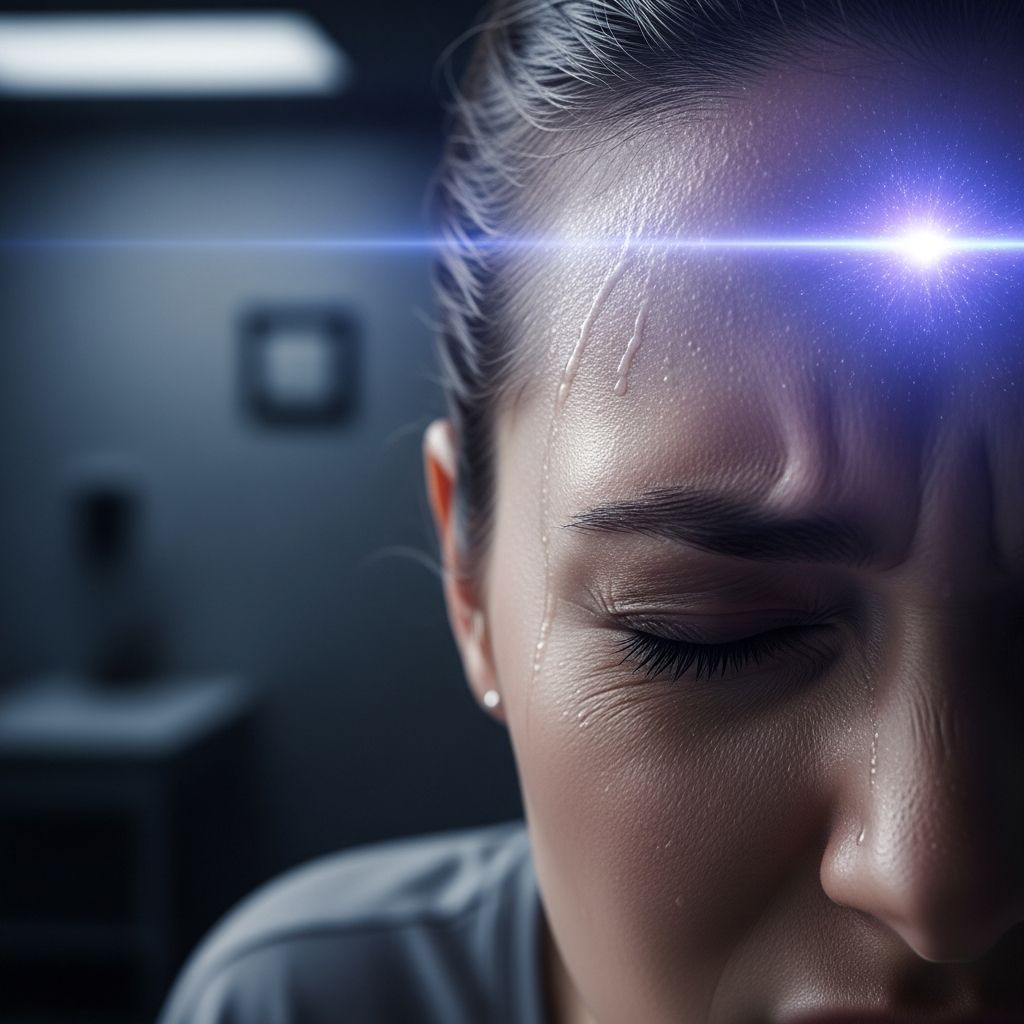
Migraines are more than just severe headaches. They are complex neurological events that can disrupt daily life, affecting millions worldwide. According to the World Health Organization (WHO), migraines rank as one of the leading causes of disability globally, impacting over 1 billion people. Recognizing the full spectrum of migraine symptoms—from subtle warning signs to intense pain phases—is crucial for timely intervention and effective management.
This article breaks down the four main phases of a migraine: prodrome, aura, headache, and postdrome. We’ll explore common and atypical symptoms, triggers, and when to seek medical help. Understanding these can empower you to track patterns, avoid triggers, and pursue appropriate treatments.
Prodrome Symptoms (Pre-Headache)
The prodrome phase, also called the pre-headache or warning phase, can occur hours or even days before the migraine headache begins. Not everyone experiences prodrome, but for those who do, these subtle signs offer a window to prepare. Prodrome symptoms stem from changes in brain chemistry and activity, often linked to serotonin fluctuations.
- Food cravings: Sudden urges for sweets, chocolate, or salty snacks are common, possibly due to low blood sugar or hormonal shifts.
- Mood changes: Irritability, depression, euphoria, or hyperactivity can signal an approaching attack.
- Neck stiffness: Tightness or pain in the neck muscles often precedes the headache.
- Increased yawning or fatigue: Excessive yawning or overwhelming tiredness is frequently reported.
- Constipation or diarrhea: Gastrointestinal changes affect up to 60% of migraineurs, per studies from the American Migraine Foundation.
- Frequent urination: This may relate to fluid retention shifts before the attack.
- Fluid retention: Swelling in hands, feet, or eyelids due to hormonal influences.
Tracking prodrome symptoms in a migraine diary can help predict attacks. The American Migraine Foundation recommends noting these alongside sleep, diet, and stress for pattern recognition.
Aura Symptoms
Auras affect about 25-30% of people with migraines, per data from the National Institute of Neurological Disorders and Stroke (NINDS). This phase involves temporary neurological disturbances, typically visual but sometimes sensory or speech-related. Auras usually last 5-60 minutes and serve as a harbinger of the headache phase.
Visual Auras
The most common aura type, visual disturbances include:
- Flashing or shimmering lights (scintillations)
- Zigzag lines (fortification spectra, resembling castle walls)
- Blind spots (scotoma)
- Temporary vision loss in parts of the visual field
These often start small and expand across the visual field, migrating from the center outward.
Sensory Auras
- Pins-and-needles sensations (paresthesia) in the hand, arm, or face
- Numbness spreading slowly
Speech and Language Auras
- Difficulty speaking or finding words (aphasia)
- Slurred speech
Motor Auras (Rare)
Weakness or paralysis on one side of the body, distinguishing hemiplegic migraines—a serious subtype requiring medical evaluation.
Auras are reversible and not harmful, but they mimic stroke symptoms. The NINDS advises immediate ER visit if symptoms persist beyond an hour or include confusion/seizure-like activity.
Headache Phase Symptoms
The hallmark of migraine, this phase brings intense, throbbing pain usually on one side of the head (though bilateral in 40% of cases). Attacks last 4-72 hours if untreated, accompanied by:
Related Stories



- Nausea and vomiting: Affects 80% of sufferers; even smells can trigger it.
- Light sensitivity (photophobia): Bright lights exacerbate pain.
- Sound sensitivity (phonophobia): Normal noises feel intolerable.
- Smell sensitivity (osmophobia): Perfumes or food odors worsen symptoms.
- Blurry vision or eye pain: Due to inflammation around nerves.
Pain often intensifies with routine activity like walking or climbing stairs. Women report more severe symptoms, linked to estrogen fluctuations, per WHO data.
Less Common Headache Symptoms
- Dizziness or vertigo
- Pallor (paleness)
- Diarrhea or hot flashes
- Lightheadedness or fainting
Postdrome Symptoms (Migraine Hangover)
After the headache subsides, the postdrome phase—lasting up to 48 hours—leaves many feeling drained. Often called a ‘migraine hangover,’ symptoms include:
- Exhaustion or profound fatigue
- Neck pain or muscle aches
- Difficulty concentrating (‘brain fog’)
- Mood swings, euphoria, or depression
- Food intolerance
Recovery varies; some feel euphoric (‘let-down’ effect from adrenaline drop), while others struggle with daily tasks. Hydration, rest, and nutrition aid recovery.
Migraine with Brainstem Aura
This rare subtype (formerly basilar migraine) involves brainstem symptoms:
- Vertigo or dizziness
- Slurred speech
- Tinnitus (ringing in ears)
- Double vision
- Ataxia (loss of coordination)
- Numbness on both sides
Per NINDS guidelines, urgent evaluation rules out stroke or other emergencies.
Abdominal Migraine
Primarily in children aged 3-10, abdominal migraines cause intense mid-abdomen pain lasting 1-72 hours, with nausea, vomiting, pallor. Family history of migraines is common; symptoms often evolve into classic migraines by adolescence. The American Academy of Pediatrics notes 2-4% prevalence in kids.
Other Types of Migraine Symptoms
Status Migrainosus
A severe attack lasting over 72 hours, unresponsive to usual treatments, risking dehydration or stroke. Hospitalization may be needed for IV therapies.
Silent Migraine (Acephalgic Migraine)
Aura without headache, common in older adults or those on preventive meds.
Retinal Migraine
Temporary vision loss in one eye due to retinal blood flow changes; lasts under an hour but warrants ophthalmology consult.
Migraine Triggers
Common triggers include:
- Hormonal changes (menstruation, menopause)
- Stress or relaxation post-stress
- Sleep disturbances
- Alcohol (red wine), aged cheeses, processed foods (tyramine, nitrates)
- Dehydration, skipped meals
- Sensory stimuli (lights, smells)
- Weather changes
A trigger diary helps identify personal patterns.
When to See a Doctor
Seek immediate care for:
- Sudden ‘thunderclap’ headache
- Headache with fever, stiff neck, confusion, seizures, vision loss, weakness/numbness
- Worst headache ever
- New headaches post-50 or with cancer/immunosuppression
For frequent/chronic migraines, consult a neurologist for preventives like beta-blockers, CGRP inhibitors, or Botox.
Frequently Asked Questions (FAQs)
Can migraines cause stroke?
Rarely; migraine with aura slightly elevates risk, but most are benign. Per CDC, lifestyle factors pose greater threat.
Do migraines only affect women?
No, men get them too, but women are 3x more likely due to hormones.
Are migraines hereditary?
Yes, 50-60% genetic link; family history increases risk 2-3 fold.
Can children have migraines?
Yes, 10% of kids under 15 experience them; symptoms differ from adults.
How to differentiate migraine from tension headache?
Migraines throb, worsen with activity, include nausea/sensitivity; tension headaches are bilateral, band-like, milder.
References
- Migraine — World Health Organization. 2023-10-23. https://www.who.int/news-room/fact-sheets/detail/headache-disorders
- Migraine — National Institute of Neurological Disorders and Stroke. 2024-05-15. https://www.ninds.nih.gov/health-information/disorders/migraine
- Migraine Diary — American Migraine Foundation. 2024-01-10. https://americanmigrainefoundation.org/resource-library/migraine-diary/
- Abdominal Migraine in Children — American Academy of Pediatrics. 2023-08-01. https://publications.aap.org/pediatrics/article/152/2/e2023061847/193528
- Migraine Headache — Centers for Disease Control and Prevention. 2024-02-20. https://www.cdc.gov/migraine/index.html
Similar Articles








Read full bio of medha deb