Migraines and Coffee: Finding Your Safe Caffeine Limit
Harvard research reveals the safe caffeine threshold for migraine sufferers and how to manage your intake.

Understanding the Connection Between Caffeine and Migraines
Millions of people worldwide suffer from migraines, and for many of them, the search for effective prevention strategies is an ongoing struggle. One of the most commonly discussed potential triggers is caffeine, yet the relationship between coffee consumption and migraine attacks remains misunderstood by both patients and healthcare providers. Recent groundbreaking research from Harvard Medical School has shed new light on this complex relationship, challenging conventional wisdom and providing practical guidance for migraine sufferers who wonder whether they need to eliminate caffeine from their diets entirely.
The Harvard study represents one of the most comprehensive prospective investigations into how daily caffeine consumption directly impacts migraine risk in real-world conditions. By examining detailed daily records from nearly 100 adults with episodic migraines over a six-week period, researchers discovered surprising findings that contradict the common advice to avoid all caffeinated beverages.
The Harvard Research: What the Study Found
Between March 2016 and August 2017, researchers at Harvard Medical School, Beth Israel Deaconess Medical Center, Brigham and Women’s Hospital, and the Harvard T.H. Chan School of Public Health conducted a comprehensive prospective cohort study on caffeinated beverage consumption and migraine occurrence. The study involved 98 adults who experience episodic migraines, each completing detailed electronic diaries twice daily for six weeks.
Study Methodology
Participants meticulously documented their consumption of caffeinated beverages—including coffee, tea, soda, and energy drinks—and reported comprehensive headache information including onset times, duration, intensity levels, and medications used. The researchers also collected detailed information about other potential migraine triggers such as alcohol consumption, stress levels, sleep patterns, activity levels, menstrual cycles, and depressive symptoms. This comprehensive approach allowed scientists to identify the specific impact of caffeine while controlling for numerous confounding variables.
Key Findings
The results of the study were both surprising and reassuring for many migraine sufferers. The research revealed that consuming one to two servings of caffeinated beverages per day was not associated with an increased risk of migraines on that same day. However, consuming three or more servings of caffeinated beverages in a single day was associated with a significantly higher risk—approximately 40 percent—of experiencing a migraine headache on that day or the following day.
At baseline, participants reported suffering an average of five headaches per month. Notably, 66 percent of the study population typically consumed one to two caffeinated beverages daily, while only 12 percent consumed three or more cups. During the six-week study period, subjects reported an average of 8.4 headaches, and all participants consumed caffeinated beverages on at least one day, averaging 7.9 servings per week.
The Science Behind Caffeine and Migraines
Understanding why caffeine affects migraines requires examining the complex biological mechanisms at work in the human brain. Unlike many other potential migraine triggers that only have negative effects, caffeine presents a paradoxical situation—it can both trigger and alleviate migraine symptoms, depending on various factors.
Adenosine Receptor Antagonism
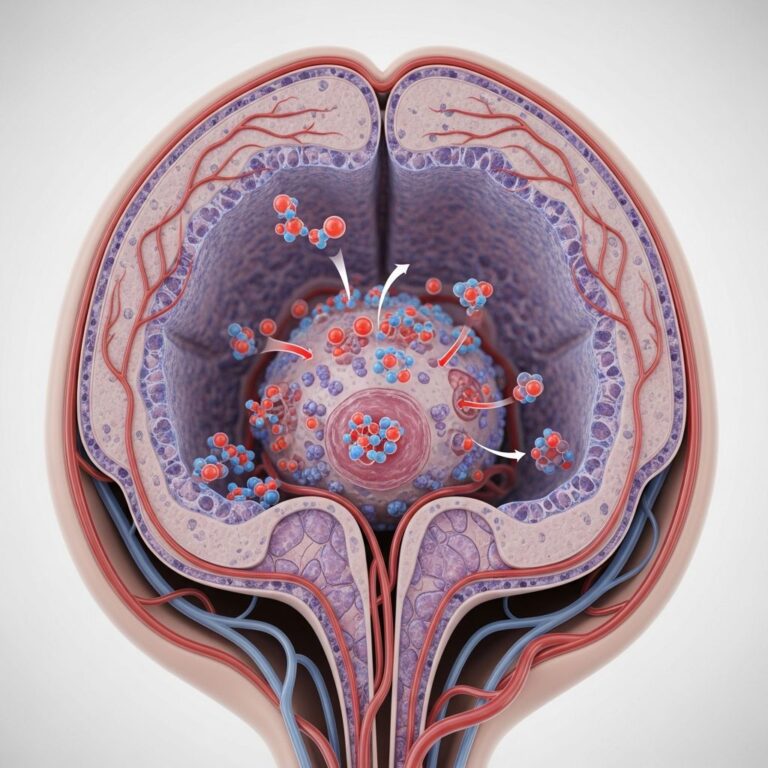
The primary mechanism linking caffeine to migraine involves caffeine’s antagonism of adenosine receptors in the brain. Adenosine is a natural pain regulator that can inhibit or promote pain depending on its location in the body, the type of pain involved, and which receptor subtype is activated. When caffeine blocks adenosine receptors, it disrupts this delicate pain regulation system.
Related Stories



Caffeine Tolerance and Dependency
When people consume caffeine regularly over extended periods—typically more than five days at levels of two or more cups of coffee daily—their bodies develop tolerance to the substance. This chronic caffeine consumption causes an upregulation of adenosine receptors and increasing extracellular adenosine content. The rapid development of caffeine tolerance means that any interruption in regular consumption may lead to caffeine withdrawal headaches, adding another layer of complexity to the relationship between caffeine and migraines.
Dose-Dependent Effects
Caffeine’s impact on the nervous system is highly dose-dependent, with different effects occurring at different consumption levels. Low doses of caffeine (around 5 milligrams per kilogram of body weight) interact primarily with central cholinergic pathways. Medium to high intake (10-35 mg/kg) involves central amine systems, while high intake (75-100 mg/kg) engages central noradrenergic pathways. This dose-dependent relationship helps explain why moderate caffeine consumption doesn’t trigger migraines for most people, but excessive amounts do.
Individual Sensitivity Variations
An important finding from the Harvard research was that sensitivity to caffeine varies significantly among individuals. Remarkably, among people who rarely consumed caffeinated beverages, even one to two servings increased the odds of having a headache that day. This suggests that habitual caffeine consumers develop tolerance to its migraine-triggering effects, while infrequent consumers remain more sensitive to caffeine’s neurological impacts.
Practical Implications for Migraine Sufferers
The Safe Caffeine Threshold
Based on the Harvard research, the practical guidance for migraine sufferers is clear and encouraging. Consuming one to two servings of caffeinated beverages per day appears to be safe for most people with episodic migraines and does not significantly increase headache risk. This finding is particularly important because many healthcare providers have traditionally recommended that all migraine patients avoid caffeine entirely, a recommendation that may actually be unnecessary and overly restrictive.
When Caffeine Becomes Problematic
The critical threshold appears to be three or more servings of caffeinated beverages consumed in a single day. When migraine sufferers exceed this amount, they face a notably elevated risk of experiencing migraine attacks either on that day or the following day. This suggests that the occasional extra cup of coffee is unlikely to trigger migraines, but consistently excessive consumption warrants concern.
Consistency Matters
The research indicates that maintaining a consistent caffeine routine may actually be beneficial for migraine sufferers. Because tolerance develops with regular consumption, people who consistently consume one to two servings daily appear less vulnerable to migraine triggers than those who consume caffeine sporadically or inconsistently.
Caffeine’s Dual Role in Migraine Management
One particularly important insight from the research is that caffeine presents a unique paradox in migraine management. While excessive caffeine consumption can trigger migraines, moderate amounts of caffeine can actually help control migraine symptoms and are included in many over-the-counter pain medications. This explains why blanket recommendations to eliminate all caffeine may actually be counterproductive for some migraine sufferers.
The combination of caffeine with pain relievers can enhance the medication’s effectiveness, which is why many prescription and over-the-counter migraine treatments include caffeine as an ingredient. For people who need to manage acute migraine symptoms, completely avoiding caffeine could mean losing a potentially valuable therapeutic tool.
Important Considerations for Individual Variation
Habitual Consumption Patterns
One of the most interesting findings from the Harvard research was that the heightened odds of migraines were stronger among people reporting lower typical levels of habitual caffeine consumption. This means that someone who regularly drinks three cups of coffee daily may have developed sufficient tolerance that one extra cup doesn’t significantly increase their migraine risk, whereas someone unaccustomed to caffeine could experience a migraine from even moderate consumption.
Other Lifestyle Factors
The researchers carefully controlled for numerous other migraine triggers including sleep quality, stress levels, alcohol consumption, and menstrual cycles. The study found that even after accounting for all these variables, the caffeine threshold of three servings remained significant. This strengthens the conclusion that caffeine itself, independent of other lifestyle factors, plays a specific role in migraine triggering when consumed in excessive amounts.
Frequently Asked Questions About Caffeine and Migraines
Q: Should I completely eliminate caffeine if I have migraines?
A: No, according to the Harvard research, you do not need to eliminate caffeine entirely. One to two servings of caffeinated beverages daily are not associated with increased migraine risk. The key is to stay below three servings per day and maintain consistency in your caffeine consumption routine.
Q: What counts as one serving of caffeine?
A: One serving typically refers to one cup of coffee (approximately 95-200 mg of caffeine depending on brew strength), one cup of tea (25-50 mg), one can of soda (30-40 mg), or one energy drink (80-300 mg). The exact caffeine content varies by brand and preparation method.
Q: If I don’t usually drink caffeine, can I still have some?
A: Research suggests that people unaccustomed to caffeine may be more sensitive to its effects, and even one to two servings could trigger a migraine. If you rarely consume caffeine, start with very small amounts and monitor your response carefully before consuming larger quantities.
Q: Does the type of caffeinated beverage matter?
A: The Harvard study examined coffee, tea, soda, and energy drinks collectively. What matters is the total amount of caffeine consumed, not necessarily the source. However, some beverages may contain other migraine triggers such as artificial sweeteners or specific additives.
Q: What should I do if I accidentally consume more than three servings in one day?
A: One excessive day is unlikely to automatically trigger a migraine, though your risk is elevated. Stay hydrated, manage stress, ensure adequate sleep, and monitor for migraine symptoms. If a migraine does occur, use your usual treatment methods.
Q: Can caffeine withdrawal cause migraines?
A: Yes, if you regularly consume caffeine and suddenly stop or significantly reduce your intake, caffeine withdrawal can trigger migraines. If you’re a regular caffeine consumer considering reducing intake, do so gradually over several days to avoid withdrawal symptoms.
Q: Should I avoid caffeine on certain days more than others?
A: The research didn’t identify specific days as more vulnerable, though some people find their migraines correlate with menstrual cycles or other factors. If you notice patterns, you may consider slightly reducing caffeine intake during vulnerable periods, but stay above the zero threshold to avoid withdrawal headaches.
Moving Forward: Personalized Migraine Management
The Harvard research emphasizes that migraine management is not one-size-fits-all. While the study provides clear evidence about general caffeine thresholds, individual responses vary based on habitual consumption patterns, genetic factors, and other personal characteristics.
Dr. Suzanne Bertisch, principal study investigator based at Brigham and Women’s Hospital and Harvard Medical School, notes that “despite some patients with episodic migraine thinking they need to avoid caffeine, we found that drinking one to two servings per day was not associated with higher risk of headache.” This suggests that many migraine sufferers have been unnecessarily restricting their caffeine intake based on outdated recommendations.
For people with migraines, the practical takeaway is to maintain a consistent caffeine routine of no more than two servings daily, monitor your personal response, and avoid the three-or-more threshold that significantly elevates migraine risk. Rather than complete avoidance, this balanced approach allows people to enjoy the benefits of caffeine—including its pain-relieving properties in moderate amounts—while minimizing migraine trigger risk.
References
- Prospective Cohort Study of Caffeinated Beverage Intake as a Potential Trigger of Headaches among Migraineurs — Elizabeth Mostofsky et al., The American Journal of Medicine. 2019-02-15. https://doi.org/10.1016/j.amjmed.2019.02.015
- New study finds too much coffee could trigger migraines — ABC News. 2019-08-08. https://abcnews.go.com/Health
- Two’s My Limit: Caffeinated Beverages and Migraine Risk — Harvard Medical School News. 2019. https://hms.harvard.edu/news
- Habitual caffeinated beverage consumption and headaches among adults with episodic migraine — PubMed/National Center for Biotechnology Information. 2024. https://pubmed.ncbi.nlm.nih.gov/38318677/
- Study: Drinking too much coffee may trigger migraines — ABC7 News. 2019. https://abc7news.com/health
Similar Articles








Read full bio of medha deb