Mild Hypothyroidism: Who Should Be Treated
Understanding treatment decisions for subclinical hypothyroidism and mild thyroid dysfunction.
Understanding Mild Hypothyroidism and Treatment Decisions
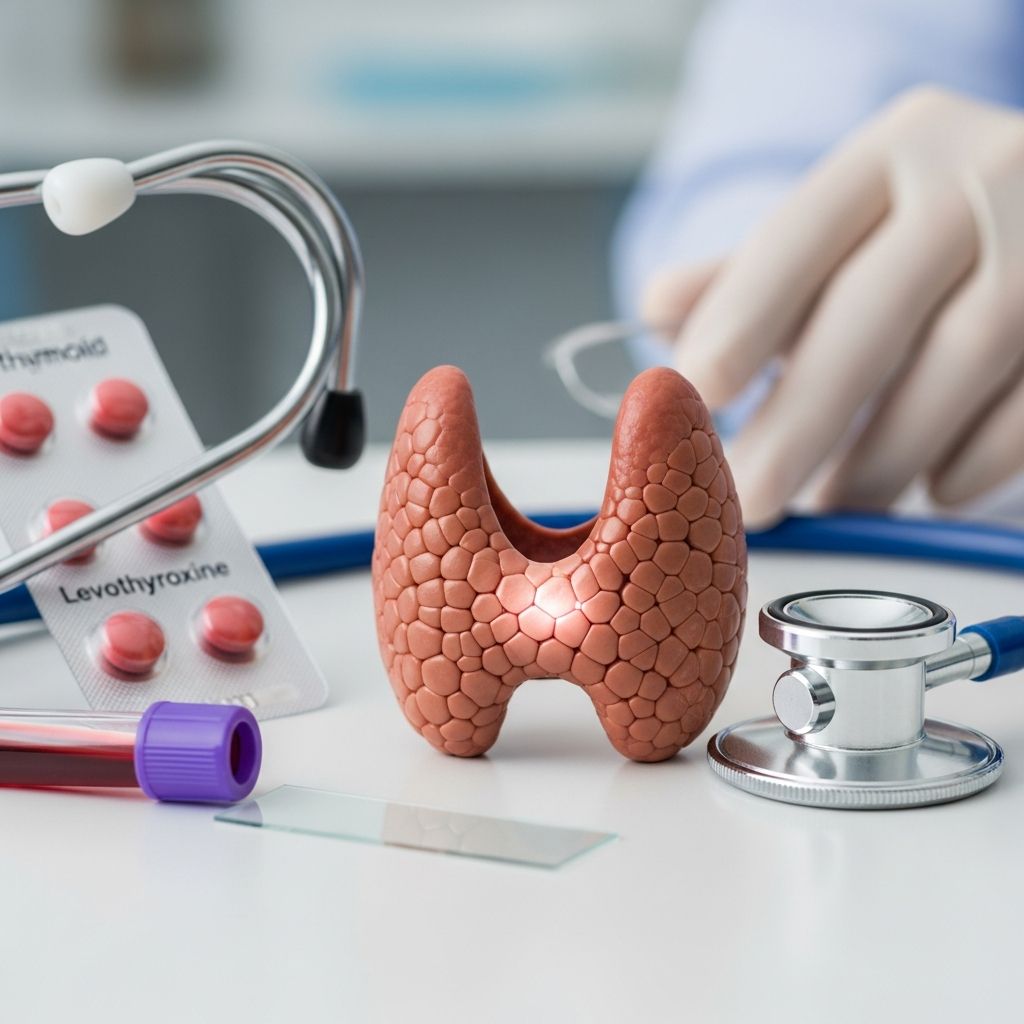
Mild hypothyroidism, also known as subclinical hypothyroidism, represents a common endocrine condition that raises important clinical questions about the necessity and timing of treatment. Unlike overt hypothyroidism, where thyroid hormone levels are clearly deficient and symptoms are often apparent, mild hypothyroidism presents a more nuanced clinical picture. Patients with this condition typically have elevated thyroid-stimulating hormone (TSH) levels—usually between 4.5 and 10 mIU/L—but normal free thyroxine (T4) levels and minimal or no symptoms. This diagnostic gray area has sparked considerable debate among medical professionals about when intervention is truly beneficial.
The prevalence of mild hypothyroidism increases with age and is more common in women than in men. Many individuals discover they have this condition during routine blood work or screening tests. The question of whether to treat becomes increasingly important as more people receive this diagnosis, particularly given the widespread use of thyroid screening in clinical practice.
What Defines Mild Hypothyroidism
Mild hypothyroidism is fundamentally a laboratory diagnosis characterized by specific biochemical markers. The condition is defined by an elevated serum TSH level combined with a normal serum free thyroxine concentration. TSH, produced by the pituitary gland, serves as the primary marker of thyroid status in most clinical situations and represents the single best screening test for primary thyroid dysfunction in outpatient settings. When the thyroid is underactive, the pituitary responds by increasing TSH production in an attempt to stimulate the thyroid gland.
Healthcare providers distinguish between different degrees of thyroid dysfunction based on TSH values. Subclinical hypothyroidism is typically classified when TSH levels fall between 4.5 and 10 mIU/L with normal free T4 levels. When TSH levels exceed 10 mIU/L, or when both TSH and free T4 are abnormal, the condition is considered overt hypothyroidism, which almost always warrants treatment.
The distinction between mild and overt hypothyroidism is clinically significant because treatment recommendations differ substantially. While overt hypothyroidism requires hormone replacement therapy with levothyroxine, a synthetic form of thyroxine that represents the standard treatment for hypothyroidism, the management of mild hypothyroidism requires careful consideration of individual patient factors.
Who Should Receive Treatment for Mild Hypothyroidism
The decision to treat mild hypothyroidism should be individualized and tailored to each patient’s specific circumstances, medical history, and risk factors. Unlike overt hypothyroidism, where treatment is essentially universal, mild hypothyroidism management requires a more nuanced approach that weighs potential benefits against possible risks.
Patients with Symptoms
One clear indication for treating mild hypothyroidism is the presence of symptoms attributable to thyroid insufficiency. While many patients with elevated TSH levels report no symptoms, some experience fatigue, weight gain, depression, cold intolerance, dry skin, or cognitive difficulties. These symptoms may represent early manifestations of thyroid dysfunction. When symptoms are present and other causes have been ruled out, thyroid hormone replacement may provide symptomatic relief. However, it is important to note that many symptoms attributed to hypothyroidism can result from other medical or psychological conditions.
Related Stories



Patients with Cardiovascular Risk Factors
Patients with existing cardiovascular disease or significant cardiovascular risk factors represent an important population requiring careful consideration. Mild hypothyroidism has been associated with increased cardiovascular mortality and morbidity in some studies, particularly in younger patients. Those with a history of myocardial infarction, heart failure, or substantial coronary artery disease burden may benefit from treatment. Additionally, patients with established atrial fibrillation or those at high risk for this arrhythmia should be considered for treatment, as thyroid hormone deficiency can contribute to cardiac arrhythmias.
Patients with Lipid Abnormalities
Mild hypothyroidism can adversely affect lipid metabolism, leading to elevated total cholesterol and low-density lipoprotein (LDL) cholesterol levels. Patients with dyslipidemia, particularly those resistant to conventional lipid-lowering therapy or those at high cardiovascular risk, may experience improvements in lipid profiles with thyroid hormone replacement. This subgroup may benefit from treatment intervention.
Pregnant or Planning Pregnancy
Women who are pregnant or planning to become pregnant represent a special population where treatment is often recommended. Thyroid hormone insufficiency during pregnancy has been associated with adverse fetal outcomes, including increased miscarriage risk, preterm delivery, and potential effects on fetal neurodevelopment. Evidence-based clinical practice guidelines recommend treating mild hypothyroidism in pregnant women and those seeking conception. Treatment during pregnancy helps ensure adequate thyroid hormone availability for fetal development and maternal physiological demands.
Patients with Positive Thyroid Antibodies
Individuals with elevated thyroid peroxidase (TPO) antibodies or thyroglobulin antibodies represent another group that may warrant treatment. These antibodies indicate autoimmune thyroid disease, which typically progresses over time. Patients with positive antibodies have a higher risk of developing overt hypothyroidism in the future. Some evidence suggests that treating mild hypothyroidism in this population may slow disease progression, though this remains an area of ongoing clinical investigation.
Patients Older Than 50-60 Years
Age is an important consideration in treatment decisions. Treatment recommendations for overt hypothyroidism in patients older than 50 to 60 years may differ from those in younger populations, particularly when cardiac risk factors are present. However, the decision to initiate treatment in elderly patients with mild hypothyroidism requires individualized assessment of potential benefits and risks, particularly the risk of iatrogenic thyrotoxicosis.
When Treatment May Be Deferred
Not all patients with mild hypothyroidism require treatment. Many asymptomatic individuals with mildly elevated TSH levels and normal free T4 levels can be managed conservatively with observation and periodic monitoring. Deferred treatment may be appropriate in:
– Asymptomatic patients without cardiovascular disease or risk factors- Younger patients without symptoms or significant comorbidities- Patients with TSH levels between 4.5 and 10 mIU/L without positive antibodies- Patients with only borderline TSH elevation (approximately 4.5-7 mIU/L)
In these cases, regular monitoring with TSH testing at intervals—often annually—allows detection of progression to overt hypothyroidism. If symptoms develop or TSH levels rise further, treatment can be initiated at that time.
Clinical and Biochemical Goals of Treatment
When treatment is initiated for mild hypothyroidism, levothyroxine monotherapy is recommended as the standard preparation of choice. Levothyroxine demonstrates efficacy in resolving hypothyroid symptoms, has long-term evidence supporting its safety and effectiveness, carries a favorable side effect profile, is easy to administer, is well absorbed from the intestine, has a long serum half-life allowing daily dosing, and is cost-effective.
The clinical and biochemical goals of levothyroxine replacement therapy are threefold: first, to achieve resolution of the patient’s symptoms and hypothyroid signs, including normalization of biological and physiologic markers; second, to achieve normalization of serum TSH with improvement in thyroid hormone concentrations; and third, to avoid overtreatment that could result in iatrogenic thyrotoxicosis, which is particularly concerning in elderly patients or those with cardiac disease. Achieving euthyroidism—a state of normal thyroid function—represents the therapeutic objective. TSH and thyroid hormone normalization are generally achieved within six weeks of initiating therapy, representing approximately five to six half-lives of levothyroxine.
Practical Considerations for Treatment Decisions
Initial Assessment
Accurate diagnosis forms the foundation of appropriate management. Serum TSH testing should be performed, and if elevated, free T4 measurement should be obtained to confirm the diagnosis. Thyroid antibody testing may help identify autoimmune thyroid disease. Additional assessments should include evaluation for symptoms, cardiovascular risk stratification, lipid profile analysis, and consideration of patient preferences regarding treatment.
Dosing and Monitoring
Treatment with levothyroxine must be tailored to the individual patient. Initial doses typically range from 25 to 75 micrograms daily, depending on patient age, body weight, cardiovascular status, and severity of TSH elevation. Dose adjustments should be made at 6 to 8-week intervals based on TSH and free T4 measurements, as steady state is not achieved more rapidly. The goal is to titrate to the lowest effective dose that maintains TSH in the normal range while avoiding overtreatment.
Special Populations
Certain patient populations require modified approaches. Elderly patients and those with cardiac disease warrant conservative initial dosing and careful dose escalation to minimize the risk of thyrotoxicosis and cardiac complications. Pregnant women may require higher doses due to increased thyroid hormone demands. Patients taking medications that interfere with levothyroxine absorption, such as iron supplements, calcium, proton pump inhibitors, or certain antimicrobials, may need adjusted timing of doses or increased levothyroxine requirements.
Risks and Benefits of Treatment
Potential Benefits
For appropriately selected patients, treatment with levothyroxine can provide substantial benefits. Symptom resolution improves quality of life and functional status. Cardiovascular risk reduction, particularly in younger patients or those with existing heart disease, represents an important potential benefit. Lipid profile improvement may reduce long-term cardiovascular disease risk. In pregnant women, adequate thyroid hormone availability reduces adverse pregnancy outcomes. Prevention of progression to overt hypothyroidism in patients with positive antibodies may be achievable through early treatment.
Potential Risks
Overtreatment resulting in iatrogenic thyrotoxicosis carries risks including atrial fibrillation, cardiac arrhythmias, accelerated bone loss and osteoporosis, anxiety, tremor, and heat intolerance. These risks are particularly concerning in elderly patients, those with pre-existing cardiac disease, and postmenopausal women. Additionally, long-term levothyroxine therapy requires ongoing monitoring and dose adjustments, imposing a treatment burden on patients.
Alternative and Combination Therapies
Some patients express dissatisfaction with levothyroxine monotherapy, leading to interest in alternative preparations. However, comprehensive review of the medical literature reveals no consistently strong evidence supporting the superiority of alternative preparations—including levothyroxine-liothyronine combination therapy, thyroid extract preparations, or compounded thyroid hormones—over monotherapy with levothyroxine in improving health outcomes. Levothyroxine remains the standard of care for treating hypothyroidism. While some patients report subjective improvements with alternative preparations, rigorous clinical trials have not demonstrated objective superiority in symptom resolution or biochemical outcomes.
Monitoring and Follow-Up
Whether treatment is initiated or deferred, appropriate follow-up is essential. For treated patients, TSH and free T4 levels should be measured 6 to 8 weeks after treatment initiation or dose adjustment, and then annually once stable. Patients managed conservatively with deferred treatment should have TSH levels rechecked at least annually, more frequently if levels are rising or if symptoms develop. Symptom assessment and cardiovascular risk factor evaluation should occur at regular intervals.
Frequently Asked Questions
Q: Is mild hypothyroidism the same as subclinical hypothyroidism?
A: Yes, these terms are used interchangeably to describe the condition characterized by elevated TSH with normal free T4 levels and minimal or no symptoms. This differs from overt hypothyroidism, where both TSH is elevated and free T4 is low.
Q: Will mild hypothyroidism inevitably progress to overt hypothyroidism?
A: Not necessarily. While some patients with mild hypothyroidism develop overt disease over time, others maintain stable TSH levels for years without progression. Annual monitoring helps identify those who are progressing.
Q: Can lifestyle changes alone treat mild hypothyroidism?
A: While general health measures including adequate sleep, stress management, appropriate iodine intake, and regular exercise support overall thyroid health, lifestyle changes alone do not normalize TSH levels in mild hypothyroidism. When treatment is indicated, medication is necessary.
Q: How long does it take levothyroxine to work?
A: Symptom improvement typically begins within 1-2 weeks of starting treatment, but full therapeutic effects and TSH normalization require 6 to 8 weeks due to the long serum half-life of levothyroxine.
Q: Is it safe to stop thyroid medication once TSH normalizes?
A: For most patients with hypothyroidism, thyroid replacement therapy is lifelong. Discontinuing medication typically results in TSH elevation and symptom recurrence. Treatment decisions should be made in consultation with your healthcare provider.
Q: Should I be treated for mild hypothyroidism if I’m feeling fine?
A: Treatment decisions depend on multiple factors beyond symptoms, including cardiovascular risk, age, antibody status, and TSH level. Discuss individualized recommendations with your healthcare provider who can assess your specific situation.
Conclusion
The management of mild hypothyroidism requires individualized clinical judgment tailored to each patient’s unique circumstances, medical history, symptom status, and cardiovascular risk profile. While overt hypothyroidism mandates treatment, mild hypothyroidism calls for a more nuanced approach. Symptomatic patients, those with cardiovascular disease or risk factors, pregnant women, and individuals with positive thyroid antibodies often benefit from levothyroxine therapy. Asymptomatic patients without significant risk factors may be appropriately managed with observation and periodic monitoring. When treatment is initiated, levothyroxine monotherapy remains the gold standard, representing the most effective, safe, and cost-effective approach. Regular follow-up and ongoing communication between patients and healthcare providers ensure that treatment decisions remain appropriate and that therapeutic goals are achieved while minimizing risks of overtreatment.
References
- Clinical Practice Guidelines for Hypothyroidism in Adults — American Association of Clinical Endocrinologists (AACE) and American Thyroid Association (ATA). 2012. https://www.thyroid.org/thyroidguidelines/file/thy.2012.0205.pdf
- Guidelines for the Treatment of Hypothyroidism — American Thyroid Association. 2014. https://www.liebertpub.com/doi/10.1089/thy.2014.0028
- Harvard Medical School Guide to Overcoming Thyroid Problems — Harvard Medical School. 2005. https://www.health.harvard.edu
- 2017 Guidelines of the American Thyroid Association for the Management of Thyroid Nodules and Differentiated Thyroid Cancer — American Thyroid Association. 2017. https://pubmed.ncbi.nlm.nih.gov/28056690/
Similar Articles








Read full bio of Sneha Tete