Milia: Key Insights Into Causes, Diagnosis, And Treatment
Discover the causes, types, diagnosis, and effective management of milia, the common harmless white skin cysts affecting newborns and adults.
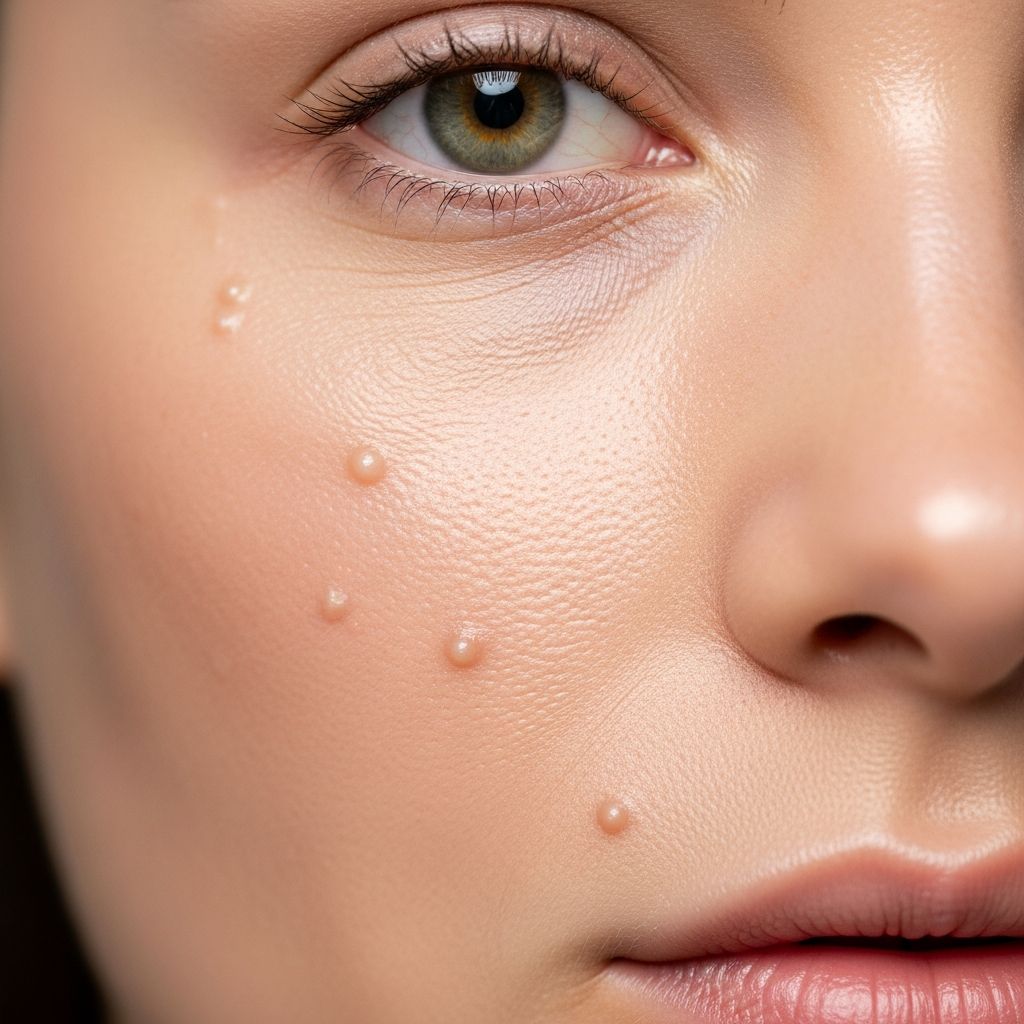
A milium is a small cyst containing keratin, a skin protein; they are usually multiple and then known as milia. These harmless cysts present as tiny pearly-white bumps just under the surface of the skin. Milia are common across all ages and sexes, most often on the face—particularly eyelids and cheeks—but can appear elsewhere on the body.
What is milium?
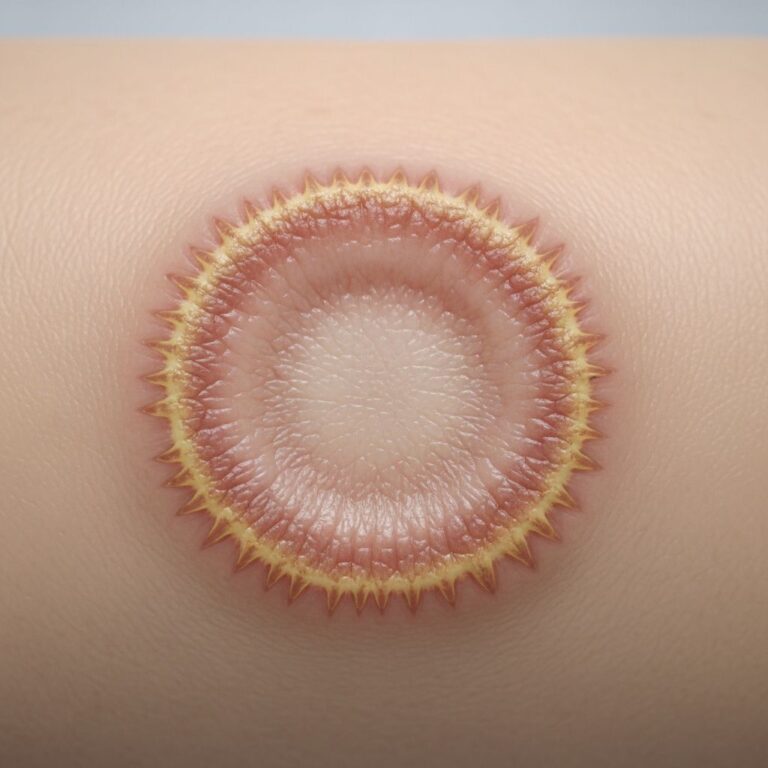
Milia, the plural of milium, are benign subepidermal keratin cysts that form small, white-to-yellow, smooth, dome-shaped papules typically under 3 mm in diameter. They arise when keratin becomes trapped beneath the skin’s surface, often due to immature sweat glands in newborns or damaged skin structures in adults. About 40-50% of newborns develop neonatal milia, considered normal and self-resolving.
In adults, milia affect the face (cheeks, nose, eyes, forehead), genitalia, or trunk. They are firm, non-tender, and rarely itchy, distinguishing them from inflammatory conditions.
Who gets milium (milia)?
Milia occur in newborns, children, and adults of all ethnicities and both sexes. Neonatal milia affect around half of full-term infants, primarily on the nose, cheeks, and palate. Primary milia in older children and adults appear spontaneously on normal skin, while secondary forms follow trauma.
Risk factors include:
- Genetic syndromes (e.g., orofacial digital syndrome, Basex-Dupre-Christol syndrome).
- Skin trauma: burns, blisters, dermabrasion, or heavy creams.
- Prolonged steroid use or certain medications.
- Sun damage or chronic skin conditions.
What causes milium (milia)?
Primary milia originate from the sebaceous collar of vellus hair follicles, where keratin accumulates without shedding properly. Secondary milia stem from eccrine sweat ducts, epidermis, or sebaceous structures damaged by injury, leading to keratin entrapment.
Neonatal milia result from underdeveloped sweat glands. In adults, causes include:
- Trauma: Burns, radiotherapy, grafts, blistering diseases (e.g., bullous pemphigoid, herpes zoster).
- Products: Steroid ointments, occlusive creams blocking pores.
- Diseases: Porphyria cutanea tarda, lupus erythematosus.
Multiple eruptive milia may link to prior steroid use, while milia en plaque associates with genetic or inflammatory factors, predominantly in middle-aged women.
What are the clinical features of milium (milia)?
Milia appear as clusters of 1-3 mm pearly-white or yellowish papules, most on the face. They are asymptomatic but can itch occasionally.
| Type | Features | Location | Affected Groups |
|---|---|---|---|
| Neonatal | Tiny white bumps, self-resolve by 1-3 months | Nose, cheeks, palate, gums | 40-50% newborns |
| Primary | Spontaneous on normal skin | Eyelids, cheeks, forehead, genitals | Children, adults |
| Secondary | Post-trauma/injury | Anywhere scarred/burned | All ages |
| Milia en plaque | Rare, on inflamed plaque (cm-sized) | Eyelid, ear, cheek, jaw | Middle-aged women |
| Multiple eruptive | Crops over weeks/months, itchy | Face, upper arms, trunk | Rare, all ages |
Related Stories



Diagnosis is clinical; biopsy reveals epidermoid cysts from vellus follicles if needed.
Diagnosis
Milia are diagnosed by appearance: small, white, sub-surface cysts. Dermoscopy shows milia-like cysts in seborrheic keratoses or basal cell carcinoma, aiding differentiation.
Differentials include:
- Comedones (blackheads/whiteheads).
- Syringomas (flesh-colored, eyelid).
- Xanthelasma (yellowish, eyelids).
- Colloid milia (golden, sun-exposed).
- Basal cell carcinoma (pearly with vessels).
Biopsy confirms keratin-filled cysts. In persistent cases or syndromes, genetic evaluation may follow.
What is the treatment for milium (milia)?
Most milia resolve spontaneously within months, requiring no treatment—especially neonatal.
For persistent cosmetic concerns:
- Extraction: Lancet or needle by dermatologist (roof incision, keratin squeeze).
- Topicals: Retinoids (tretinoin) promote shedding; avoid steroids.
- Procedures:
- Cryotherapy (freezing).
- Laser ablation (CO2, Er:YAG).
- Dermabrasion/chemical peels (TCA, glycolic acid).
Milia en plaque: Topical retinoids, minocycline, or isotretinoin. Minimize trauma to prevent recurrence.
Frequently asked questions
Do milia go away on their own?
Yes, neonatal milia resolve by 1-3 months without treatment. Adult primary milia may persist but often clear in months.
Are milia harmful?
No, milia are benign, non-cancerous, and cause no symptoms beyond cosmetics.
Can I pop milia at home?
No, avoid squeezing—risks scarring/infection. Seek professional extraction.
Why do adults get milia?
Often from skin trauma, heavy creams, or sun damage trapping keratin.
Can milia be prevented?
Gentle skincare, sunscreen, avoid trauma/steroids. Newborns: no prevention needed.
Clinical images
Images depict clusters of tiny pearly-white papules on cheeks, eyelids, and neonatal noses, confirming classic milia morphology.
References
- Milia: Causes & Treatment — Patient.info. 2023. https://patient.info/skin-conditions/milia-leaflet
- Milia (Milk Spots): Causes & Treatment — Cleveland Clinic. 2023-10-27. https://my.clevelandclinic.org/health/diseases/17868-milia
- Milium, milia — DermNet NZ. 2009 (updated). https://dermnetnz.org/topics/milium
- Milia in newborns and babies — Raising Children Network (Australian Government-funded). 2023. https://raisingchildren.net.au/guides/a-z-health-reference/milia
- Milia – StatPearls — NCBI Bookshelf / NIH. 2023-08-08. https://www.ncbi.nlm.nih.gov/books/NBK560481/
- Milia — healthdirect (Australian Government). 2023. https://www.healthdirect.gov.au/milia
Similar Articles








Read full bio of Sneha Tete