Milk Hydration Benefits: Why Milk May Be Better Than Water
Discover why milk hydrates your body better than water and supports optimal health.
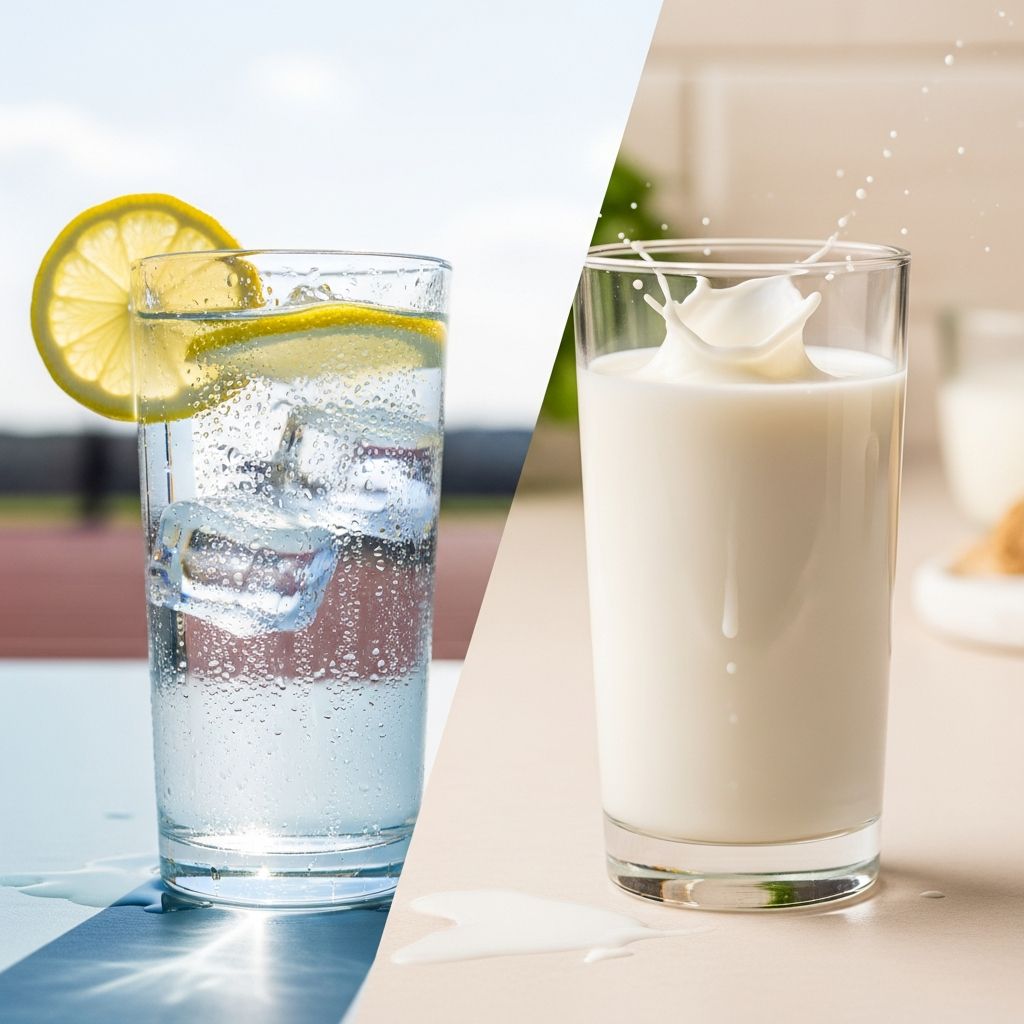
When it comes to staying hydrated, most people reach for a glass of plain water. However, recent scientific research suggests that milk may actually hydrate your body more effectively than water. While this might seem surprising, the science behind milk’s hydration superiority is both compelling and well-documented. Understanding how milk supports hydration can help you make informed choices about your daily fluid intake and overall wellness.
The Science Behind Milk’s Superior Hydration
A landmark study published in The American Journal of Clinical Nutrition compared the hydration effectiveness of various beverages, including water, tea, orange juice, and both full-fat and skim milk. Researchers had participants consume 1 liter of different drinks over a 30-minute period and then measured fluid retention 4 hours later. The results were striking: both skim and full-fat milk outperformed plain water in maintaining hydration status, performing similarly to sports drinks.
This wasn’t an isolated finding. Additional research has demonstrated milk’s effectiveness as a post-exercise rehydration beverage for athletes, and comparative studies show that milk-based drinks are more effective rehydration options than traditional sports drinks. These findings challenge the conventional wisdom that plain water is always the best choice for hydration.
Why Milk Hydrates Better Than Water
Natural Electrolytes in Milk
The primary reason milk hydrates more effectively than water is its natural electrolyte content. Electrolytes are minerals essential for maintaining proper fluid balance in your body. Milk contains several key electrolytes, including:
- Sodium
- Potassium
- Calcium
- Magnesium
These electrolytes help your body retain fluid more efficiently than water alone. While plain water can hydrate, it lacks these crucial minerals that help keep fluids where your body needs them. This is why athletes and health professionals increasingly recognize milk as a superior rehydration option.
Natural Sugar Content
Dairy milk contains lactose, a natural sugar that supports hydration without the drawbacks of added sugars found in many commercial beverages. Unlike fruit juices, sodas, and some oral rehydration solutions that can contain up to 34 grams of added sugar per serving, milk provides just enough natural sugar to enhance fluid absorption and retention without overwhelming your system. This balanced sugar content helps your body absorb and utilize the water more effectively.
High Water Content
Milk is approximately 87% water, making it an inherently hydrating beverage. However, what distinguishes milk from plain water is that this fluid comes packaged with electrolytes and natural sugars that work synergistically to optimize hydration. The combination of water, electrolytes, and lactose creates a more complete hydration solution than water alone.
Milk’s Comprehensive Health Benefits Beyond Hydration
Energy Support and Mental Function
Dehydration often manifests as fatigue and mental sluggishness. Since the human body is approximately 60% water and the brain uses more energy than any other organ, adequate fluid intake directly impacts cognitive function and energy levels. Instead of reaching for caffeinated energy drinks or coffee, consuming adequate fluids like milk provides natural energy support. Milk’s combination of hydration, protein, and natural sugars offers sustained energy without the crash associated with caffeine or high-sugar beverages.
Related Stories



Weight Management and Body Composition
Research published by the National Institutes of Health demonstrates that milk and dairy products offer significant benefits for weight management. Studies show that dairy consumption during weight loss periods helps reduce body fat while preserving lean muscle mass. The high-quality protein in milk provides a satiating effect that helps prevent overeating, contributing to more effective weight management and improved body composition.
Metabolic Health and Diabetes Prevention
Multiple meta-analyses support the association between dairy consumption and improved metabolic health. Adults who include milk and dairy products in their diets show reduced risk of type 2 diabetes and improved insulin sensitivity. The branched-chain amino acids in whey protein, particularly leucine, stimulate glucose-dependent insulinotropic polypeptide, which helps regulate blood glucose levels.
Cardiovascular Health
Research indicates that milk and dairy product consumption is associated with reduced risk of cardiovascular disease, particularly stroke. The minerals present in milk help attenuate the LDL response to dairy fat intake, supporting overall heart health when consumed as part of a balanced diet.
Bone Health and Osteoporosis Prevention
Milk and dairy products are nutrient powerhouses for bone health. They contain protein, calcium, phosphorus, magnesium, manganese, zinc, vitamin D, and vitamin K—all essential for building strong bones in childhood and maintaining them throughout adulthood. Regular milk consumption helps reduce the risk of osteoporosis and bone fractures in older age.
Milk vs. Water: A Comparison Table
| Feature | Milk | Water |
|---|---|---|
| Electrolyte Content | Contains sodium, potassium, calcium, magnesium | No electrolytes |
| Natural Sugar (per cup) | Lactose (~12g) | None |
| Water Content | 87% | 100% |
| Protein | 8g per cup | None |
| Calcium | 300mg per cup | None |
| Hydration Retention (4 hours) | Superior to water | Baseline |
| Taste Appeal | Naturally appealing, creamy | Neutral |
Why Taste Matters for Hydration
An often-overlooked aspect of hydration is palatability. A beverage can only hydrate you if you actually drink it. Milk’s naturally delicious taste and creamy consistency appeal to most people more than plain water. Unlike ultra-sweet beverages found on grocery shelves or the bland taste of plain water, milk offers an ideal middle ground. This superior taste profile means people are more likely to consume it consistently, supporting better overall hydration habits.
The Historical Context of Milk Consumption
Humans have consumed dairy milk for thousands of years, a testament to its nutritional value and health benefits. This long history of consumption reflects milk’s important role in human nutrition across diverse cultures and climates. The scientific validation of milk’s hydration properties simply confirms what traditional diets have long recognized: milk is a fundamental component of optimal nutrition and hydration.
Choosing Quality Milk for Maximum Benefits
Not all milk products are created equal. When selecting milk for hydration and health benefits, consider choosing organic options that are free from added antibiotics and hormones. Non-GMO, sustainably produced milk ensures you’re getting the highest quality nutritional benefits without unnecessary additives or chemicals. Reading labels and choosing milk from reputable sources helps maximize the health benefits you receive.
Incorporating Milk Into Your Hydration Strategy
While plain water remains important and is recommended by health organizations including the CDC, incorporating milk into your daily hydration plan can provide additional benefits. Consider:
- Drinking a glass of milk with breakfast or lunch for sustained hydration and energy
- Choosing milk as a post-workout recovery beverage for superior rehydration
- Using milk as a base for smoothies that combine hydration with additional nutrients
- Alternating between water and milk throughout the day for balanced fluid intake
- Including milk-based drinks in your daily routine to ensure consistent electrolyte intake
Common Questions About Milk and Hydration
Q: Is skim milk as hydrating as whole milk?
A: Yes, research shows that both skim and full-fat milk provide superior hydration compared to water, with similar effectiveness for fluid retention. The primary hydration benefits come from electrolytes and lactose, which are present in both varieties.
Q: Can milk replace water entirely in my hydration plan?
A: While milk is an excellent hydrating beverage, a balanced approach that includes both water and milk is recommended. Plain water remains essential, and combining water with milk provides comprehensive hydration and nutrition.
Q: What about people who are lactose intolerant?
A: Those unable to consume dairy milk can explore lactose-free milk options or fortified soy beverages, which provide similar nutrients including protein, calcium, potassium, magnesium, and vitamin D.
Q: Is milk better than sports drinks for rehydration?
A: Studies show that milk-based drinks are actually more effective rehydration options than traditional sports drinks, while providing additional nutritional benefits.
Q: How much milk should I drink daily for optimal hydration?
A: The 2015-2020 Dietary Guidelines for Americans recommend including fat-free or low-fat dairy products as part of a healthy eating pattern. One to two glasses of milk daily can contribute significantly to your hydration and nutritional needs.
The Bottom Line on Milk and Hydration
Scientific evidence consistently demonstrates that milk hydrates more effectively than water due to its natural electrolyte content, lactose, and protein. Beyond superior hydration, milk supports weight management, metabolic health, cardiovascular function, and bone strength. While water remains an important component of any hydration strategy, including milk in your daily routine provides a more complete solution for maintaining optimal fluid balance and overall health. By understanding milk’s hydrating properties and health benefits, you can make informed decisions that support your wellness goals while enjoying a naturally delicious beverage.
References
- What Is This About Cow’s Milk Hydrating Better Than Water? — Organic Valley Cooperative. 2024. https://www.organicvalley.coop/blog/milk-hydrating-better-than-water/
- Milk and dairy products: good or bad for human health? An analysis of the recent evidence — National Institutes of Health, National Center for Biotechnology Information. 2016. https://pmc.ncbi.nlm.nih.gov/articles/PMC5122229/
- About Water and Healthier Drinks — Centers for Disease Control and Prevention. 2024. https://www.cdc.gov/healthy-weight-growth/water-healthy-drinks/index.html
Similar Articles








Read full bio of Sneha Tete