Milk Thistle: Uses, Evidence, and Safety
Comprehensive guide to milk thistle's health benefits, research evidence, and safe usage.
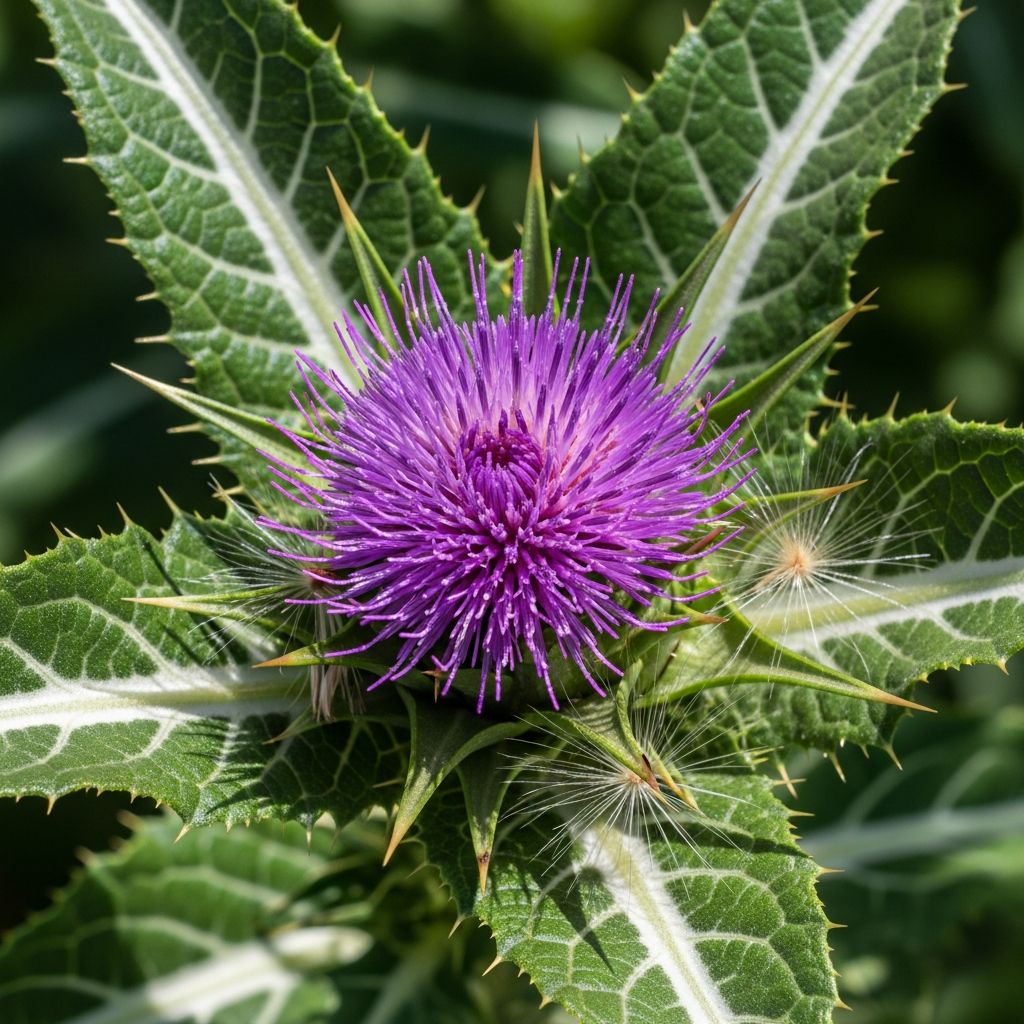
Understanding Milk Thistle
Milk thistle, scientifically known as Silybum marianum, has been used for thousands of years in traditional medicine to support liver health. The plant is native to the Mediterranean region and is characterized by its distinctive purple flowers and white-veined leaves. The active compound in milk thistle, known as silymarin, is a complex of flavonolignans that has become the focus of numerous scientific investigations into the herb’s potential therapeutic benefits.
Silymarin comprises several key components, including silibinin, silidianin, and silicristin, which work together to produce the herb’s reported effects. Modern research has examined how these compounds interact with cells to produce protective and potentially therapeutic outcomes. Understanding the mechanisms behind milk thistle’s action is crucial for evaluating its effectiveness for various health conditions.
How Milk Thistle Works in the Body
Recent scientific analysis has revealed that milk thistle extract operates through a sophisticated two-phase cellular process. The compound protects cells by suppressing certain aspects of cellular metabolism while simultaneously activating stress response pathways and reducing inflammatory signaling.
The Two-Phase Response
When cells are exposed to silymarin, they initially experience a rapid increase in the expression of genes associated with cellular stress. This first phase is relatively quick and represents the body’s recognition of the compound’s presence. Following this initial response, cells enter a longer-term, more sustained phase characterized by suppression of gene expression related to inflammation.
The detailed cellular mechanisms identified in research include the following:
– Induction of endoplasmic reticulum stress, which activates protective cellular mechanisms- Triggering of activating transcription factor 4 (ATF-4) and AMP-activated protein kinase (AMPK)- Inhibition of mammalian target of rapamycin (mTOR), a key regulator of cellular growth- Modulation of multiple metabolite types throughout the cell- Sustained inhibition of inflammatory signaling pathways when administered over extended periods
Liver Health and Disease Management
The most extensively studied application of milk thistle involves its potential effects on various liver conditions. Research has identified multiple mechanisms through which milk thistle may provide hepatoprotective benefits.
Mechanisms of Hepatoprotection
Evidence suggests that milk thistle protects liver tissue through several pathways:
– Antioxidant activity that neutralizes harmful free radicals- Toxin blockade at the cell membrane level, preventing harmful substances from entering hepatocytes- Enhanced protein synthesis to support liver cell repair and regeneration- Antifibrotic activity that may help prevent scarring of liver tissue- Possible anti-inflammatory and immunomodulating effects that reduce tissue damage
Alcoholic Liver Disease
Among six clinical trials examining milk thistle for chronic alcoholic liver disease, four demonstrated significant improvement in at least one measurement of liver function, including aminotransferases, albumin levels, or malondialdehyde markers, along with improved histologic findings compared to placebo. However, not all outcome measures improved uniformly across studies, indicating variable effectiveness.
Related Stories



Viral Hepatitis
Three placebo-controlled studies have evaluated milk thistle for viral hepatitis with mixed results. In acute viral hepatitis, significant improvements in aspartate aminotransferase and bilirubin were observed. Chronic viral hepatitis studies showed more modest results, with one shorter-term study demonstrating improvement in aminotransferases but not other laboratory measures, while a longer study showed nonsignificant trends toward histologic improvement.
Alcoholic Cirrhosis
Two trials specifically examined patients with alcoholic cirrhosis. The first reported no improvement in laboratory measures or clinical symptoms, though trends favored milk thistle in certain outcomes. The second study, after 30 days of treatment, showed significant improvements in aminotransferases but not bilirubin compared to placebo.
Nonalcoholic Fatty Liver Disease
Emerging research has explored milk thistle’s potential for nonalcoholic fatty liver disease. One study found that patients taking milk thistle powder for eight weeks showed major improvements in ultrasound fatty liver grading and liver enzymes, both key indicators of fatty liver disease. Additionally, milk thistle use was associated with declining GGT enzyme activity, which correlates with reduced liver damage.
Drug-Induced and Toxin-Related Liver Injury
Three trials have evaluated milk thistle in the context of hepatotoxic drugs, with one examining its use during therapeutic administration and two exploring its use as a preventive measure. Results across these studies were mixed, suggesting that more rigorous investigation is needed to establish clear benefits in this specific application.
Cancer Research and Potential Benefits
Laboratory investigations have identified several potentially beneficial mechanisms of milk thistle in cancer contexts. In vitro studies demonstrate that silybinin and silymarin can inhibit cell proliferation by inducing cell cycle arrest in several cancer cell line types, including epidermal, prostate, breast, and cervical cancers. Colon cancer cell line growth has also been suppressed, apparently through suppression of NF-kappa B signaling.
Additionally, milk thistle components have shown the ability to enhance the effects of certain cytotoxic cancer treatment agents against various cancer types. These laboratory findings are promising, but human clinical trials remain limited and preliminary.
Other Potential Health Applications
Beyond liver disease, milk thistle has been investigated for several other health conditions, though evidence remains preliminary in many areas.
Type 2 Diabetes
Some research suggests that milk thistle might lower blood sugar levels in individuals with type 2 diabetes, though additional studies are needed to confirm these potential benefits and establish optimal dosing protocols.
Hepatitis C
Current research indicates that milk thistle is no better than placebo as a treatment for hepatitis C. While earlier studies showed some promise, more recent systematic reviews suggest limited effectiveness for this specific viral infection.
Clinical Evidence Summary
| Condition | Evidence Quality | Findings |
|---|---|---|
| Alcoholic Liver Disease | Moderate | Four of six studies showed improvement in liver function markers |
| Viral Hepatitis | Limited | Mixed results; acute hepatitis showed more promise than chronic |
| Alcoholic Cirrhosis | Limited | Variable results across two trials studied |
| Nonalcoholic Fatty Liver Disease | Emerging | Preliminary studies show improvement in liver grading and enzymes |
| Hepatitis C | Moderate | No better than placebo according to current research |
| Cancer Prevention | Laboratory Only | Promising in vitro results; limited human trials |
Milk Thistle Preparations and Standardization
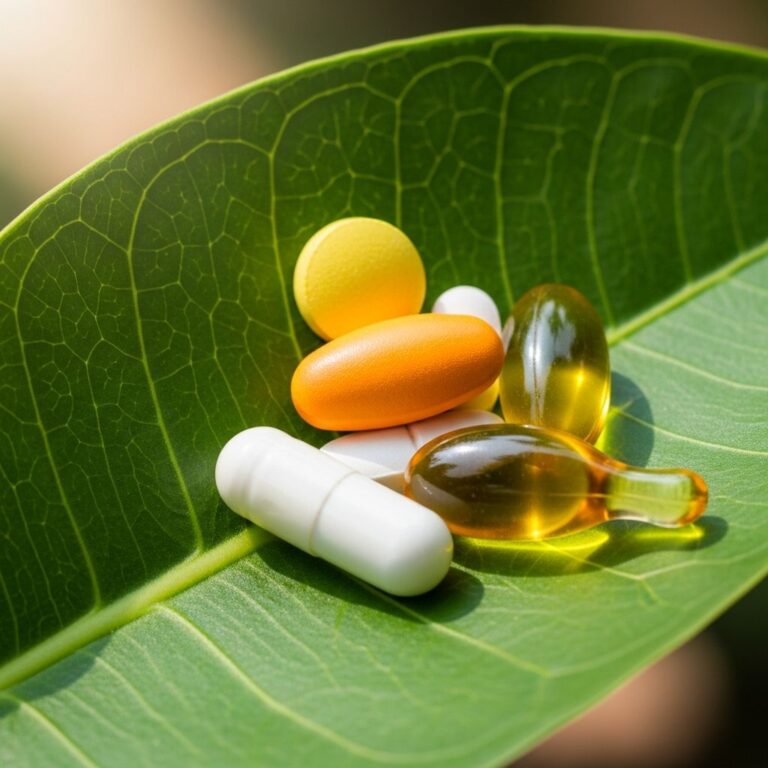
Milk thistle supplements are available in various formulations, including dried herb powders, capsules, tablets, and liquid extracts. The largest producer of milk thistle extract is Madaus in Germany, which specializes in concentrated silymarin extracts. However, numerous other manufacturers produce different formulations with varying standardization levels.
Standardization remains an important consideration when selecting milk thistle products. Supplements should ideally contain a defined percentage of silymarin content, typically ranging from 70 to 80 percent. More information is needed on the comparability of different formulations, standardization practices, and bioavailability across various products to facilitate accurate research and clinical application.
Safety and Tolerability
Milk thistle extracts are generally recognized as safe and well-tolerated. Toxic or adverse effects observed in reviewed clinical trials appear to be minimal. This favorable safety profile distinguishes milk thistle from many pharmaceutical interventions and makes it an attractive option for individuals seeking natural health support.
Common and Uncommon Adverse Effects
While serious adverse effects are rare, some individuals may experience mild gastrointestinal symptoms. Reported side effects can occasionally include nausea, loose stools, or mild allergic reactions in individuals with sensitivities to plants in the Asteraceae family, which includes ragweed and chrysanthemum. Most people tolerate milk thistle without experiencing any adverse effects whatsoever.
Considerations for Use
When considering milk thistle supplementation, several factors warrant careful evaluation. The quality and effectiveness of milk thistle may vary depending on the specific preparation used, with some evidence suggesting that effectiveness may correlate with dosage levels. Future research establishing standardized, established doses and improving the quality and standardization of milk thistle products will provide much-needed clarity about efficacy in treating specific liver diseases.
Individuals with liver disease should consult healthcare providers before beginning milk thistle supplementation to ensure it does not interact with current medications or treatments. While herb-drug interactions appear limited, professional medical guidance remains important for those with serious health conditions.
Current Research Directions
The future of milk thistle research appears promising, with several important areas requiring further investigation. High-quality randomized clinical trials comparing milk thistle to placebo remain needed to definitively establish the herb’s safety and efficacy for various conditions. Additionally, research should clarify whether milk thistle may be more effective for some liver diseases than others, and whether effectiveness relates to factors such as treatment duration, disease chronicity, or disease severity.
Ongoing trials continue to explore milk thistle’s potential protective effects in certain types of cancer, with researchers investigating mechanisms and optimizing therapeutic applications. As research progresses, improved understanding of milk thistle’s cellular and clinical effects will enable more informed clinical decision-making.
Frequently Asked Questions
Q: What is silymarin and why is it important in milk thistle?
A: Silymarin is the active complex of flavonolignans found in milk thistle seeds. It comprises several key components including silibinin, silidianin, and silicristin. Silymarin is responsible for most of the herb’s therapeutic effects, particularly its hepatoprotective and anti-inflammatory properties that have made it the focus of extensive scientific research.
Q: How should milk thistle be taken, and what is the recommended dosage?
A: Milk thistle comes in various formulations including capsules, powders, and liquid extracts. Most clinical trials have used standardized extracts containing 70-80% silymarin. However, optimal dosages vary depending on the specific condition being addressed and the individual’s health status. Consulting with a healthcare provider or qualified herbalist is recommended to determine appropriate dosing for your specific situation.
Q: Can milk thistle help with fatty liver disease?
A: Emerging research suggests potential benefits for nonalcoholic fatty liver disease. Studies have shown improvements in liver ultrasound grading and liver enzyme levels in patients taking milk thistle powder. However, more research is needed to establish definitive recommendations and determine optimal treatment protocols.
Q: Is milk thistle safe to use alongside prescription medications?
A: Milk thistle is generally well-tolerated with minimal adverse effects. However, individuals taking prescription medications should consult with their healthcare provider before beginning milk thistle supplementation to ensure there are no potential interactions, particularly for those with serious liver conditions or taking multiple medications.
Q: Can milk thistle help treat hepatitis C?
A: Current research suggests that milk thistle is no better than placebo for treating hepatitis C. While some earlier studies showed promise, systematic reviews indicate limited effectiveness specifically for this viral infection, so it should not be relied upon as a primary treatment.
Q: What are the side effects of milk thistle?
A: Milk thistle is generally well-tolerated with minimal adverse effects. Occasionally, some individuals may experience mild gastrointestinal symptoms such as nausea or loose stools. Allergic reactions may occur in individuals sensitive to plants in the Asteraceae family. Serious adverse effects are rare.
Q: How long does it take to see results from milk thistle supplementation?
A: The timeline for experiencing benefits from milk thistle varies depending on the condition being addressed and individual factors. Some studies have observed improvements within 7-8 weeks, while others suggest longer treatment periods may be necessary. Consulting with a healthcare provider can help establish realistic expectations based on your specific situation.
References
- Study of Milk Thistle’s Effects Highlights a Two-Phase Process — National Center for Complementary and Integrative Health (NCCIH), National Institutes of Health. 2024. https://www.nccih.nih.gov/research/research-results/study-of-milk-thistles-effects-highlights-a-twophase-process
- Milk Thistle: Effects on Liver Disease and Cirrhosis and Clinical Adverse Effects — National Center for Complementary and Integrative Health (NCCIH), National Institutes of Health. 2024. https://www.ncbi.nlm.nih.gov/books/NBK11896/
- Review of Clinical Trials Evaluating Safety and Efficacy of Milk Thistle for Liver Diseases — PubMed Central, National Center for Biotechnology Information. 2024. https://pubmed.ncbi.nlm.nih.gov/17548793/
- Milk Thistle (PDQ) — National Cancer Institute (NCI), National Institutes of Health. 2024. https://www.cancer.gov/about-cancer/treatment/cam/hp/milk-thistle-pdq
- Milk Thistle: Benefits and Side Effects — WebMD Medical Reference. 2024. https://www.webmd.com/fatty-liver-disease/milk-thistle-benefits-and-side-effects
Similar Articles








Read full bio of medha deb