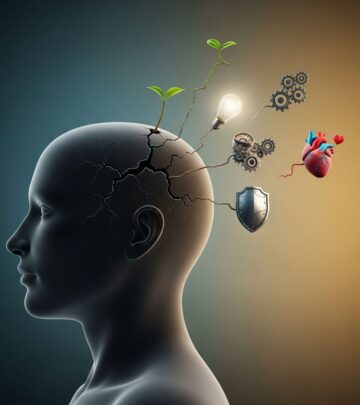
Mind and Body Approaches for Stress Management
Evidence-based mind and body techniques for managing stress and anxiety effectively.

Mind and Body Approaches for Stress and Anxiety
Stress and anxiety have become increasingly prevalent in modern society, affecting individuals across all demographics. Healthcare professionals are increasingly recognizing that several mind and body approaches can be valuable tools for helping patients manage stress-related symptoms. These approaches, which include relaxation techniques, yoga, tai chi, meditation, and hypnotherapy, offer complementary and adjunctive treatment options for various stress-related conditions. Research continues to demonstrate that these practices can effectively address not only anxiety and stress but also related conditions such as post-traumatic stress disorder (PTSD), depression, and work-related stress.
The integration of mind and body approaches into comprehensive treatment plans represents a shift toward holistic healthcare that addresses the complex interaction between mental and physical well-being. For healthcare professionals seeking to expand their treatment options, understanding the current research landscape surrounding these approaches is essential for informed clinical decision-making.
Understanding Mind and Body Approaches
Mind and body approaches represent a category of therapeutic interventions that target the intricate relationship between the brain, body, and behavioral patterns. These practices work by promoting the relaxation response, which directly counteracts the physiological effects of stress. When an individual experiences stress, the body enters a heightened state of alert—the fight-or-flight response—which triggers the release of stress hormones and increases physiological tension. Mind and body approaches essentially reverse this response by activating the parasympathetic nervous system, often referred to as the body’s “rest and digest” mode.
Contemporary research has demonstrated that these approaches can produce measurable physiological changes including reduced blood pressure, decreased inflammatory markers, lower cortisol levels, and improved heart rate variability. Beyond these physical benefits, mind and body practices foster psychological improvements such as enhanced emotional regulation, increased sense of control, and improved coping mechanisms. Healthcare professionals increasingly recognize that multiple modes of treatment working together can address the whole person more effectively than single-modality approaches.
Relaxation Techniques: Foundational Stress Relief
Relaxation techniques serve as foundational approaches for stress management and have been extensively studied across diverse patient populations. These techniques work by creating what researchers call the “relaxation response,” which is characterized by decreased heart rate, reduced blood pressure, and lower stress hormone levels. Common relaxation techniques include autogenic training, biofeedback, deep breathing exercises, guided imagery, progressive muscle relaxation, and self-hypnosis.
The scientific evidence supporting relaxation techniques is substantial. Research demonstrates that these approaches can effectively reduce blood pressure, decrease inflammatory markers known as cytokines, reduce oxidative stress, and improve glycemic control in individuals with type 2 diabetes. Relaxation techniques have shown particular promise for managing anxiety associated with ongoing health conditions and for patients undergoing medical or dental procedures where anxiety is common.
Progressive muscle relaxation has demonstrated particularly strong evidence for anxiety reduction. A 2015 systematic review examining studies of progressive muscle relaxation in older adults with a combined sample of 275 participants found promising results for reducing both anxiety and depression symptoms. Notably, the positive effects for depression persisted even 14 weeks after treatment ended, suggesting that relaxation techniques may produce lasting benefits beyond the immediate practice period.
For healthcare workers experiencing occupational stress, relaxation techniques have been identified as potentially beneficial interventions. Additionally, emerging evidence suggests that relaxation techniques may provide some symptomatic benefit for individuals with post-traumatic stress disorder, though they are typically employed as adjunctive treatments rather than standalone therapies for this more complex condition.
Yoga, Tai Chi, and Qigong: Movement-Based Practices
Yoga, tai chi, and qigong represent movement-based mind and body approaches that combine physical postures, breathing techniques, and meditative elements. These ancient practices have gained significant attention from modern researchers investigating their therapeutic potential for stress, anxiety, and depression.
Yoga has emerged as one of the most utilized and studied mind and body therapies. Research indicates that regular yoga practice can increase feelings of relaxation, improve self-confidence and body image, and induce feelings of optimism and well-being. Some limited evidence suggests that yoga, when used as an adjunctive therapy, may be particularly helpful for individuals experiencing anxiety symptoms. The mechanisms through which yoga produces these benefits appear to involve both the physical relaxation induced by the postures and breathing work, as well as the mindfulness and body awareness components inherent in yoga practice.
Tai chi and qigong similarly encourage both physical and mental relaxation through gentle, flowing movements combined with focused breathing and mental attention. While the body of research on these practices remains smaller than that for yoga, preliminary findings suggest potential benefits for stress and anxiety management. The flowing, meditative nature of these practices makes them particularly accessible to individuals of varying fitness levels and ages, including older adults who may have physical limitations affecting their ability to engage in more vigorous exercise forms.
Meditation and Mindfulness-Based Stress Reduction
Meditation and mindfulness-based stress reduction (MBSR) represent psychological approaches that have garnered substantial scientific support in recent years. Mindfulness involves cultivating the ability to maintain focused attention on the present moment while developing increased awareness of thoughts, emotions, and bodily sensations without judgment. MBSR typically involves structured programs combining meditation, yoga, and psychoeducation about stress.
The research supporting meditation for stress and anxiety is compelling. Current scientific evidence suggests that mindfulness meditation may help reduce symptoms of stress, including anxiety and depression, and may improve sleep quality. A 2017 review of research on meditation and physiological markers of stress, which included eight studies of focused attention meditation, found that this type of meditation reduced blood pressure and cortisol levels—key markers of the stress response.
Mindfulness-based stress reduction has demonstrated remarkable effectiveness in recent clinical trials. A 2023 randomized controlled trial involving 208 participants with anxiety disorders found that MBSR is noninferior to escitalopram, a commonly prescribed first-line medication for anxiety disorders. This represents a significant finding, as it suggests that a non-pharmacological intervention can produce treatment outcomes comparable to established pharmaceutical approaches. A 2021 randomized controlled trial of 108 adults with generalized social anxiety disorder found that both cognitive behavioral group therapy and MBSR showed effectiveness as long-term treatments, potentially enhancing emotional regulation through distinct but complementary mechanisms.
The neurological changes produced by mindfulness meditation are not temporary. Research indicates that regular practice creates lasting modifications to how the brain processes stress, emotions, and experiences. This explains why mindfulness practitioners often report enduring improvements in mental health and resilience. For individuals already working with healthcare providers on medication management or psychotherapy, mindfulness practice can enhance treatment effectiveness and potentially reduce the need for higher medication doses over time.
A particularly noteworthy finding comes from a comprehensive National Center for Complementary and Integrative Health (NCCIH) analysis involving more than 12,000 participants. Researchers found that for treating anxiety and depression, mindfulness-based approaches were superior to no treatment and worked as well as evidence-based therapies. Mindfulness-based meditation as monotherapy or adjunctive therapy produces positive effects on depression that persist for six months or longer. Additionally, a 2018 systematic review and meta-analysis examining mindfulness-based programs in workplace settings found that mindfulness-based interventions may be a promising avenue for improving physiological indices of stress in occupational environments.
Hypnotherapy for Anxiety and Medical Procedures
Hypnotherapy represents another psychological approach that has been studied for anxiety management, particularly in the context of medical and dental procedures where procedural anxiety is common. Hypnosis involves inducing a focused state of attention and receptiveness to therapeutic suggestions designed to reduce anxiety and promote relaxation.
While some studies examining hypnotherapy for anxiety related to medical or dental procedures have demonstrated promising results, the overall body of evidence remains inconclusive. This indicates that while hypnotherapy may be beneficial for selected patients, more rigorous research is needed to establish clear efficacy and identify which patient populations are most likely to benefit. Healthcare professionals considering hypnotherapy should remain cognizant of the current evidence limitations while recognizing its potential as an adjunctive approach for procedure-related anxiety.
Supporting Mechanisms: How These Approaches Work
Understanding the mechanisms through which mind and body approaches produce therapeutic effects is important for healthcare professionals. These practices work primarily through activation of the parasympathetic nervous system, reducing stress hormone production, and promoting physiological relaxation. Many of these approaches, particularly meditation and mindfulness practices, train attention and reduce the tendency to become caught in anxious or depressive thought patterns.
Body scanning practices, often incorporated into mindfulness programs, help develop interoceptive awareness—the ability to sense internal bodily signals. This skill proves crucial for emotional regulation and allows individuals to recognize stress or emotional changes before they become overwhelming. Improved interoceptive awareness is associated with better mental health outcomes, suggesting that even brief regular practice of these techniques can strengthen psychological resilience.
Clinical Applications and Integration
For healthcare professionals, these mind and body approaches offer valuable tools for comprehensive patient care. Relaxation techniques can be particularly useful for patients with anxiety related to ongoing health conditions or medical procedures. Yoga and tai chi provide accessible options for patients seeking to engage in regular stress-reducing activities with the added benefit of gentle physical exercise. Meditation and MBSR programs work well as adjunctive treatments alongside conventional therapies and medications.
The flexibility of these approaches allows healthcare professionals to tailor recommendations to individual patient preferences, physical capabilities, and treatment goals. A patient with mobility limitations might benefit more from meditation or guided imagery, while another patient might prefer the gentle movement of tai chi or the more active engagement of yoga.
Frequently Asked Questions
Q: Are mind and body approaches appropriate for all types of anxiety disorders?
A: While mind and body approaches show promise for various anxiety conditions, research is strongest for generalized anxiety disorder and social anxiety disorder. These approaches are often used as adjunctive treatments alongside conventional therapies, particularly for more severe or complex anxiety disorders.
Q: How long does it typically take to see benefits from these practices?
A: Timeline varies by individual and approach. Some people report feeling calmer immediately after a relaxation session, while the cumulative benefits of regular meditation or yoga practice typically develop over weeks to months of consistent practice.
Q: Can mind and body approaches replace medication for anxiety?
A: Research suggests these approaches work as well as some medications for anxiety, but individual patient needs vary. Treatment decisions should be made collaboratively between patients and healthcare providers based on symptom severity, patient preference, and clinical judgment.
Q: Which mind and body approach is most effective?
A: Effectiveness varies by individual. The most effective approach is typically the one a patient will practice consistently. Healthcare professionals should assess patient preferences and capabilities when making recommendations.
Q: Are there any risks or contraindications to these approaches?
A: Mind and body approaches are generally safe, though certain modifications may be needed for specific medical conditions. Patients with trauma histories might experience challenges with particular practices. Healthcare providers should screen for contraindications and provide appropriate guidance.
Conclusion and Clinical Recommendations
Mind and body approaches represent evidence-based options for stress and anxiety management that healthcare professionals can confidently incorporate into comprehensive treatment plans. From relaxation techniques to yoga, tai chi, meditation, and MBSR, these approaches work through well-characterized physiological mechanisms to reduce stress responses and promote emotional well-being. The substantial body of research, including recent high-quality trials and large meta-analyses, demonstrates that these approaches can be as effective as conventional treatments for many patients while offering additional benefits of improved overall health, enhanced self-efficacy, and reduced medication burden when appropriate.
Healthcare professionals should remain cognizant that these approaches often work best as components of comprehensive treatment rather than standalone interventions, and that consistent practice is necessary to achieve lasting benefits. By offering patients these evidence-supported options, clinicians can provide more personalized, patient-centered care that addresses the complex mind-body interactions underlying stress and anxiety.
References
- Mind and Body Approaches for Stress and Anxiety — National Center for Complementary and Integrative Health (NCCIH), National Institutes of Health. 2024. https://www.nccih.nih.gov/health/providers/digest/mind-and-body-approaches-for-stress
- Anxiety and Complementary Health Approaches — National Center for Complementary and Integrative Health (NCCIH), National Institutes of Health. 2024. https://www.nccih.nih.gov/health/anxiety-and-complementary-health-approaches
- Stress Management Approaches — National Center for Complementary and Integrative Health (NCCIH), National Institutes of Health. 2024. https://www.nccih.nih.gov/health/stress
- Mind and Body Practices — National Center for Complementary and Integrative Health (NCCIH), National Institutes of Health. 2024. https://www.nccih.nih.gov/health/mind-and-body-practices
- Mind and Body Approaches for Stress and Anxiety: Science Summary — National Center for Complementary and Integrative Health (NCCIH), National Institutes of Health. 2024. https://www.nccih.nih.gov/health/providers/digest/mind-and-body-approaches-for-stress-science
- Mind-Body Therapies for Improving Mental Health — Seattle Anxiety Specialists. 2023-10-17. https://seattleanxiety.com/psychiatrist/2023/10/17/mind-body-therapies-for-improving-mental-health
Similar Articles








Read full bio of Sneha Tete