Mind and Body Practices: Integrating Brain-Body Health
Explore evidence-based mind and body practices that promote holistic health through brain-body interactions.
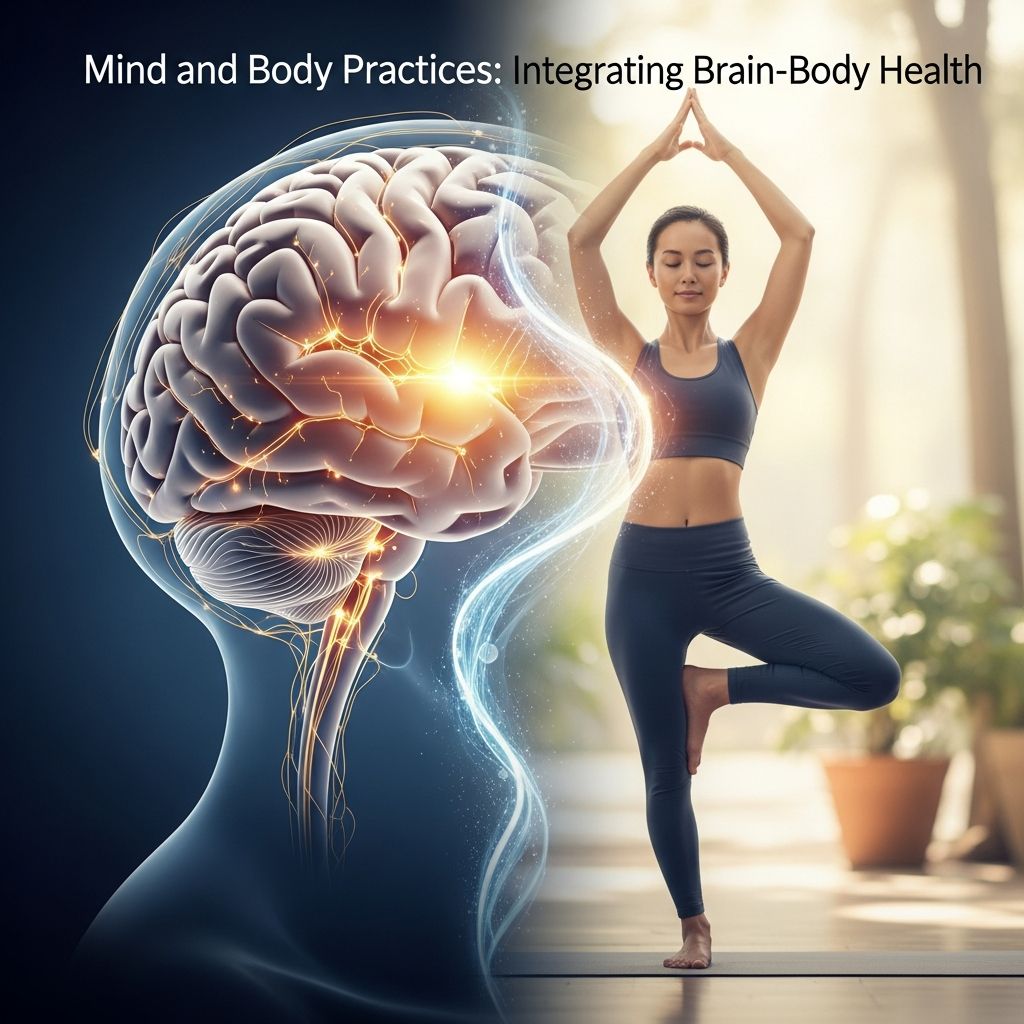
Mind and body practices represent a large and diverse group of procedures and techniques specifically designed to target the interactions between the brain and body as a way to promote overall health and well-being. These practices are typically administered or taught by trained practitioners or teachers who have received formal instruction in their respective disciplines. The integration of mental and physical components in these approaches offers individuals a holistic pathway to health improvement and disease prevention.
Understanding Mind and Body Practices
What Are Mind and Body Practices?
Mind and body practices encompass a diverse array of health and fitness interventions intended to work on both physical and mental levels. The National Center for Complementary and Integrative Health (NCCIH), a government agency established in 2000, now classifies these complementary approaches by their primary therapeutic input—how the therapy is taken in or delivered to the patient or practitioner.
Traditional categorizations have evolved significantly. What were previously referred to simply as mind and body practices are now categorized into three distinct therapeutic approaches based on their delivery mechanism and primary focus:
- Psychological approaches: These practices primarily target the mind and mental processes. Examples include meditation, mindfulness-based interventions, cognitive behavioral therapy, and various music therapies that work through cognitive and emotional pathways.
- Physical approaches: These interventions work directly on the body through hands-on techniques or movement. Examples include acupuncture, massage therapy, spinal manipulation, and other manual therapies that produce physical effects.
- Combined psychological-physical approaches: These practices integrate both mental and physical components, creating synergistic effects. Examples include yoga, tai chi, dance therapies, and qigong, which require participants to engage both mind and body simultaneously.
Core Examples of Mind and Body Practices
The following practices represent some of the most commonly used and widely researched mind and body interventions:
- Acupuncture
- Massage therapy
- Meditation and mindfulness
- Relaxation techniques
- Spinal manipulation
- Tai chi
- Yoga
- Guided imagery
- Biofeedback
- Qigong
- Aromatherapy
- Dance therapy
- Music therapy
Classification Framework and Therapeutic Input
The New Categorization Model
The NCCIH has revolutionized how complementary and integrative health approaches are understood and researched by implementing a therapeutic input framework. This framework organizes therapies based on how they are delivered or taken in, rather than by historical tradition or cultural origin. This modern classification system allows researchers, practitioners, and patients to better understand the mechanisms through which different therapies produce their effects on health outcomes.
Overlapping Boundaries and Multicomponent Interventions
An important aspect of the current understanding of mind and body practices is recognizing that boundaries between categories partially overlap. For example, mindfulness-based stress reduction can overlap with conventional psychotherapy, while cognitive behavioral therapy increasingly incorporates relaxation techniques, meditation, and other complementary modalities. This overlap reflects the reality that many health conditions require multifaceted approaches for optimal outcomes.
Multicomponent interventions that combine multiple therapeutic approaches are becoming increasingly common in clinical practice. For instance, conventional cardiac rehabilitation often includes nutritional recommendations, structured exercise programs, psychological components such as mindfulness-based stress reduction, and increasingly, tai chi. Although these programs may include complementary therapies, they operate under the diagnostic and therapeutic framework of conventional medicine, demonstrating how integrative approaches can enhance standard medical care.
Related Stories



Psychological Approaches
Meditation and Mindfulness
Meditation and mindfulness represent primary psychological approaches within the mind and body practices framework. These practices involve training the mind to focus attention and develop awareness without judgment. Regular meditation practice has been shown to reduce stress, improve emotional regulation, and enhance overall psychological well-being. Mindfulness-based stress reduction (MBSR) combines meditation with body awareness techniques and has demonstrated effectiveness in managing various health conditions and symptoms.
Cognitive Behavioral Therapy
While not traditionally categorized as a mind and body practice, cognitive behavioral therapy (CBT) is now recognized by the NCCIH as a mind-body intervention because it utilizes the mind’s capacity to affect bodily function and symptoms. CBT has sufficient scientific evidence and mainstream application to exist within conventional medicine while still leveraging mind-body connections for therapeutic benefit.
Music and Art Therapies
Music therapy, art therapy, and other creative interventions work through psychological mechanisms to influence mood, reduce anxiety, and improve overall emotional functioning. These practices are increasingly incorporated into healthcare settings to complement conventional treatments.
Physical Approaches
Acupuncture
Acupuncture, originating from traditional Chinese medicine, represents a prominent physical approach within mind and body practices. This technique involves the insertion of thin needles at specific points on the body to influence bodily functions and promote healing. Acupuncture is used to address various conditions including pain, stress, and numerous other health concerns.
Massage Therapy and Manual Therapies
Massage therapy and other manual therapies, including soft tissue manipulation, spinal manipulation, and joint manipulation, work through direct physical contact to influence body systems. These hands-on techniques have been used for centuries to reduce tension, promote relaxation, improve circulation, and address musculoskeletal issues.
Physical Exercise and Movement
Physical exercise represents a foundational physical approach within mind and body practices. Regular physical activity promotes cardiovascular health, strengthens muscles and bones, improves flexibility, and enhances overall physical fitness while simultaneously supporting mental health and cognitive function.
Combined Psychological-Physical Approaches
Yoga
Yoga represents one of the most widely practiced and thoroughly researched combined psychological-physical approaches. Originating from ancient healing practices in India known as Ayurveda, yoga integrates movement through postures, mindful breathing, meditation, and spiritual development. A typical yoga practice moves through a series of poses designed to strengthen the physical body while establishing a deeper mind-to-muscle connection. Scientific research has demonstrated that yoga increases feelings of relaxation, improves self-confidence and body image, and induces feelings of optimism and well-being. Yoga remains one of the most utilized and effective forms of mind-body therapy available.
Tai Chi and Qigong
Tai chi and qigong are traditional Chinese practices that combine gentle, flowing movements with breathing techniques and mental focus. These low-intensity, movement-based practices encourage both physical and mental relaxation while improving balance, flexibility, and proprioception. Both practices have demonstrated effectiveness in managing various health conditions and promoting overall wellness.
Dance and Movement Therapies
Dance therapy and other movement-based interventions engage both psychological and physical systems through creative movement and self-expression. These practices promote emotional processing, improve body awareness, enhance physical fitness, and provide social connection.
Health Conditions and Applications
Stress and Anxiety Management
Multiple mind and body approaches have demonstrated effectiveness in managing stress and anxiety symptoms. Relaxation techniques, yoga, tai chi, hypnotherapy, and meditation may all be useful for managing symptoms of stress in clinical and community settings. For some stress-related conditions, mind and body approaches are used as adjuncts to other forms of treatment, enhancing conventional therapeutic interventions.
Chronic Pain Management
Mind and body practices such as tai chi, qigong, yoga, acupuncture, mindfulness, and biofeedback may help relieve symptoms associated with chronic pain conditions, including fibromyalgia and other pain syndromes. These approaches offer patients complementary options for pain management alongside or in place of pharmaceutical interventions.
Sleep Disturbance and General Health Maintenance
Psychological and physical approaches have been broadly used by the public to treat or manage various disorders and symptoms including sleep disturbance, stress, anxiety, and pain. Additionally, these practices are utilized to support general health and promote wellness and disease prevention.
The Whole Person Approach
Integrative Health Philosophy
The NCCIH emphasizes that multiple modes of treatment can better treat the whole person rather than administering treatment for a single organ or symptom. This holistic philosophy recognizes that mind, body, brain, and behavior are interconnected systems that influence overall health outcomes. By addressing multiple dimensions of health simultaneously, integrative approaches may produce superior outcomes compared to single-modality treatments.
Recognizing Therapeutic Overlap
While examining complementary therapies individually remains important for research and clinical practice, it is equally important to understand how these therapies are used in combinations as multicomponent interventions. Many healthcare settings are now incorporating multiple mind and body practices into comprehensive treatment protocols that recognize the interconnectedness of psychological and physical components in health and healing.
Research Priorities and Future Directions
Understanding Mechanisms
Current research priorities established by the NCCIH focus on developing and using innovative approaches to investigate the mechanisms through which psychological and physical approaches produce health benefits. This includes developing humanized cellular and organ systems, transgenic models, and preclinical animal models to elucidate mechanisms relevant to these therapeutic approaches.
Multisystem Effects and Interactions
Advanced research now seeks to elucidate the mechanisms underlying multisystem effects and interactions produced by psychological and physical approaches. This includes understanding how combined multicomponent interventions work synergistically. Research is also focused on assessing multisystem mechanisms and their interactions, such as musculoskeletal-immune interactions, cardiovascular-endocrine relationships, genetic-social factors, and brain-gut connections.
Less Studied Interventions
Researchers are increasingly investigating mechanisms of relatively less studied psychological and physical interventions, including exercise-based practices such as stretching, yoga, tai chi, and qi gong, as well as stimulatory techniques like nerve stimulation, transcranial magnetic stimulation, and neuromodulation. Art-based interventions including music therapy, dance, and visual art are also receiving increased research attention.
Special Populations: Mind and Body Practices for Children and Teens
Mind and body practices have been adapted for use with children and teens, with growing evidence supporting their safety and effectiveness in younger populations. These practices can help young people develop healthy coping skills, manage stress, improve focus and attention, and promote overall well-being during critical developmental periods.
Frequently Asked Questions
Q: Are mind and body practices considered alternative medicine?
A: While many mind and body practices originated outside conventional Western medicine, their classification now depends on the availability of scientific evidence. Practices with sufficient scientific support and professional application in conventional medicine, such as cognitive behavioral therapy, are no longer classified as alternative medicine. Others remain classified as complementary approaches pending further research.
Q: Can mind and body practices replace conventional medical treatment?
A: For many conditions, mind and body practices work best as complementary approaches used alongside conventional medical treatment rather than as replacements. Always consult with healthcare providers about appropriate treatment options for specific health conditions.
Q: What training and certification do mind and body practitioners need?
A: Training requirements vary significantly depending on the specific practice. Some practices require formal certification and licensure, while others may have less standardized requirements. It is important to verify that practitioners have received appropriate training from recognized programs.
Q: How long does it take to experience benefits from mind and body practices?
A: The timeline for experiencing benefits varies depending on the specific practice and individual factors. Some people notice immediate relaxation effects, while others may require consistent practice over weeks or months to experience significant health improvements.
Q: Are there any risks or contraindications associated with mind and body practices?
A: While most mind and body practices are generally safe, certain practices may have contraindications for specific health conditions. Individuals with particular medical concerns should consult healthcare providers before beginning new practices.
Q: How do mind and body practices affect the brain and nervous system?
A: Research demonstrates that mind and body practices produce measurable effects on brain structure and function, nervous system activation patterns, and stress hormone levels. These neurobiological changes underlie many of the health benefits observed with regular practice.
References
- Mind and Body Practices — National Center for Complementary and Integrative Health (NCCIH), National Institutes of Health. 2024. https://www.nccih.nih.gov/health/mind-and-body-practices
- Mechanisms and Biomarkers of Mind and Body Approaches — National Center for Complementary and Integrative Health (NCCIH), National Institutes of Health. 2021-2025. https://www.nccih.nih.gov/about/nccih-strategic-plan-2021-2025/top-scientific-priorities/mechanisms-and-biomarkers-of-mind-and-body-approaches
- Mind and Body Approaches for Stress and Anxiety — National Center for Complementary and Integrative Health (NCCIH), National Institutes of Health. 2024. https://www.nccih.nih.gov/health/providers/digest/mind-and-body-approaches-for-stress
- Mind and Body Approaches for Chronic Pain — National Center for Complementary and Integrative Health (NCCIH), National Institutes of Health. 2024. https://www.nccih.nih.gov/health/providers/digest/mind-and-body-approaches-for-chronic-pain
- Mind and Body Research—Information for Researchers — National Center for Complementary and Integrative Health (NCCIH), National Institutes of Health. 2024. https://www.nccih.nih.gov/grants/mind-and-body-research-information-for-researchers
- A New Approach to Natural Products and Mind and Body Practices — National Center for Complementary and Integrative Health (NCCIH), National Institutes of Health. 2021-2025. https://www.nccih.nih.gov/about/nccih-strategic-plan-2021-2025/introduction/reframing-how-we-think-about-natural-products-and-mind-and-body-practices
- 7 Things to Know About Mind and Body Practices for Children and Teens — National Center for Complementary and Integrative Health (NCCIH), National Institutes of Health. 2024. https://www.nccih.nih.gov/health/tips/things-to-know-about-mind-and-body-practices-for-children-and-teens
Similar Articles








Read full bio of medha deb